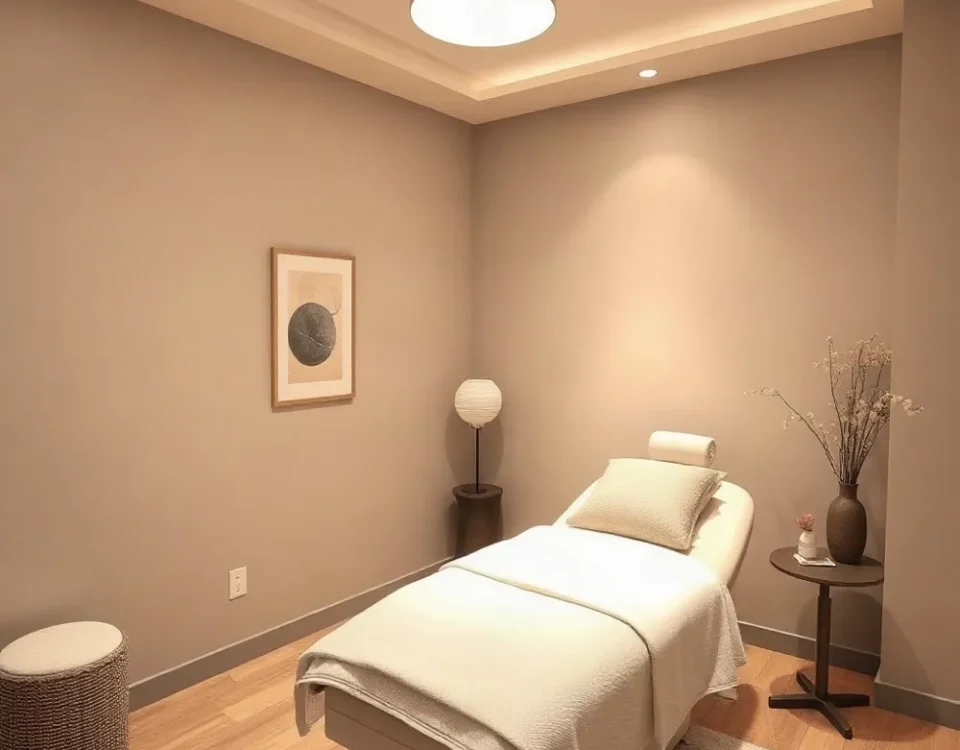
Why Post-Op Massage Differs from Regular Spa Massage
March 16, 2026
Discovering How the Lymphatic System Really Works and Why It Matters
March 16, 2026

Understanding Your Lymphatic System: The Body’s Silent Protector
Basic anatomy and functions of the lymphatic system
The lymphatic system is a vast network of vessels, nodes, and organs that plays a crucial role in maintaining your body’s internal balance. It circulates a clear fluid called lymph, which contains white blood cells, proteins, fats, and waste materials. Unlike the circulatory system, the lymphatic system does not have a central pump, depending on muscle movements and deep breathing to propel lymph through one-way vessels.
Role in fluid balance, immune defense, and detoxification
Every day, around 20 liters of plasma filter out of your blood capillaries. While most returns to the bloodstream, approximately 3 liters remain in tissues as excess fluid. The lymphatic system collects this fluid, filtering out harmful agents and returning it to circulation, thus preventing tissue swelling or edema. It also detoxifies the body by removing cellular waste, bacteria, and viruses and supports immune defense by producing lymphocytes that fight infections.
Key organs and vessels involved in lymphatic function
Key components include lymph nodes—small bean-shaped structures scattered throughout the body that filter lymph and trap pathogens. Major lymphatic organs include the bone marrow, where blood cells are produced; the thymus, where T-cells mature; the spleen, which filters blood and removes damaged cells; and mucosa-associated lymphoid tissue (MALT), protecting mucous membranes. Lymphatic vessels and collecting ducts transport lymph back to the bloodstream, completing the cycle of fluid balance and immune vigilance.
How Lifestyle Choices Influence Lymphatic Flow and Function

How do hydration, diet, and exercise affect lymphatic circulation?
Hydration is crucial because lymph is about 95–96% water; drinking sufficient water supports lymphatic fluid flow, prevents stagnation, and aids in the elimination of toxins and waste. A well-balanced diet rich in whole foods, including fruits, vegetables, lean proteins, and healthy fats like olive oil and fish oil, provides nutrients that reduce inflammation and promote immune health, thereby supporting lymphatic system functions.
Physical activity stimulates muscle contractions which help propel lymph through vessels, since the lymphatic system lacks a pump like the heart. Low-impact exercises such as walking, resistance training, water aerobics, and deep diaphragmatic breathing enhance lymphatic drainage, reduce swelling, and improve overall circulation.
What is the impact of sedentary behavior and obesity on lymphatic health?
Sedentary lifestyles impair lymphatic flow, leading to fluid buildup and swelling. Obesity exacerbates this by causing chronic inflammation, increasing lymphatic vessel leakiness, and mechanically obstructing lymph flow. Excess body fat increases risk of lymphedema and infection. Weight loss through dietary modification can reverse lymphatic dysfunction, improving vessel density and pumping (Obesity-induced lymphatic dysfunction).
How do stress and environmental toxins contribute to lymphatic dysfunction?
Chronic stress elevates cortisol levels, promoting inflammation and breakdown of lymphoid tissue, which suppresses immune function and hinders lymphatic circulation. Exposure to environmental toxins and poor dietary choices further slow lymphatic flow by increasing internal inflammation.
How does specialized lymphatic therapy support women recovering from cosmetic or reconstructive surgery?
Specialized lymphatic therapy, particularly manual lymphatic drainage (MLD), assists women post-surgery by reducing swelling and inflammation through gentle, rhythmic massage techniques. This supports fluid removal from tissues, enhances circulation, speeds healing, and minimizes fibrosis and bruising. Early use of lymphatic therapy postoperatively improves recovery times and aesthetic outcomes by promoting tissue regeneration and immune support. Professional guidance ensures safe and effective management of postoperative lymphatic function.
Maintaining hydration, nourishing the body with anti-inflammatory foods, regular physical activity, stress management, and avoiding toxins are foundational lifestyle approaches that enhance lymphatic health and facilitate recovery from surgeries or chronic lymphatic conditions (Healthy lifestyle habits for lymphedema).
The Role of Hydration, Diet, and Exercise in Maintaining Lymphatic Health

Importance of Adequate Water Intake for Lymph Fluid Movement
Proper hydration is fundamental for optimal lymphatic system function. Since lymph fluid is approximately 95-96% water, drinking about two liters or more of water daily is essential to maintain lymph flow and prevent congestion. Adequate water intake supports the lymphatic system’s role in clearing waste, toxins, and excess fluid from tissues. Dehydration can slow lymph circulation, which impairs detoxification and exacerbates swelling conditions such as lymphedema.
Nutritional Strategies That Support Lymphatic Function
A nutritious diet plays a critical role in supporting the lymphatic system. Key nutritional approaches include:
- Anti-inflammatory foods: Incorporating omega-3 rich sources like salmon, walnuts, flaxseeds, and using anti-inflammatory spices such as turmeric and garlic can reduce lymphatic swelling and support immune function.
- Limiting salt and caffeine: High sodium intake can cause fluid retention that worsens lymphatic swelling. Similarly, excessive caffeine and diuretics may lead to dehydration, negatively impacting lymph flow (lymphatic nutrition tips).
- Rich protein intake: Consuming adequate protein helps maintain fluid balance and tissue repair, vital for lymphatic health (Managing Lymphedema Symptoms with Diet).
- Whole, unprocessed foods: Fruits, vegetables, leafy greens, nuts, and lean proteins provide antioxidants and nutrients necessary for immune cell health and inflammation control.
Physical Activity as a Critical Driver of Lymph Circulation
Unlike the cardiovascular system, the lymphatic system lacks a central pump and relies heavily on muscle contractions and movement to propel lymph fluid. Regular physical activity stimulates lymph flow by compressing lymph vessels and opening one-way valves. Activities such as walking, swimming, yoga, and resistance exercises enhance circulation and reduce lymph stagnation (lymphatic system and exercise).
In post-operative care, combining hydration, nutrition, and gentle exercise—including manual lymphatic drainage and compression therapy (Use of compression garments in lymphatic health management)—reduces inflammation and promotes healing. Nutritional support with antioxidant-rich vitamins like vitamin C can lower inflammatory markers and assist collagen synthesis, improving tissue repair and reducing pain. This integrated approach offers patients effective recovery support and fosters better lymphatic health.
Manual Lymphatic Drainage and Its Benefits for Recovery and Wellness

What is lymphatic drainage massage, and how does it benefit post-surgical recovery?
Lymphatic Drainage Massage Overview, also known as Manual lymph drainage (MLD), is a specialized, gentle, and rhythmic massage technique that stimulates the lymphatic system function to encourage the movement of lymph fluid. This method helps eliminate toxins, excess fluids, and waste products from tissues, which is especially crucial after surgical procedures. Post-surgically, lymphatic drainage reduces swelling and inflammation around the treated area, helping to minimize discomfort and improve mobility.
By promoting enhanced lymph flow, MLD can reduce the risk of complications such as seromas (fluid accumulation) and infections, speeding tissue healing and improving aesthetic outcomes. It also supports the body’s immune response by encouraging clearer lymph channels and healthier circulation. Performed by trained therapists, lymphatic drainage typically begins soon after surgery and plays an essential role in a smooth, accelerated recovery.
Conditions lymphatic drainage massage helps, including post-surgical swelling and lymphedema
Lymphatic Drainage for Lymphedema massage is highly effective for managing swelling caused by fluid buildup, such as lymphedema overview—a common side effect of lymph node removal or damage, often seen in cancer treatment survivors. It is also used to treat chronic venous insufficiency, fibromyalgia, lipedema, rheumatoid arthritis, and injuries that compromise lymphatic flow.
Post-surgical patients, particularly those recovering from breast cancer surgery, benefit significantly from this therapy as it helps alleviate limb swelling and prevents fluid stagnation. The gentle pressure applied during the massage stimulates lymphatic vessels and ducts and lymph nodes, moving excess lymph fluid toward areas that can safely process it, reducing puffiness and enhancing comfort.
Health benefits including reducing inflammation, supporting immune function, and detoxification
Lymphatic drainage massage offers numerous health benefits:
- Reduces swelling and inflammation: By mobilizing lymph, the massage diminishes fluid retention and tissue swelling, aiding in lymphedema causes and effects.
- Supports immune function: It aids lymph nodes function in filtering harmful pathogens and producing immune cells, contributing to enhanced defense mechanisms.
- Promotes detoxification: Facilitates the elimination of toxins and waste products through improved lymph flow, consistent with lymphatic system functions.
- Improves skin appearance: Increased circulation nourishes skin tissues, supporting collagen production and healing.
- Relieves symptoms of neuropathy: Gentle massage may help alleviate nerve discomfort associated with lymphatic congestion.
Though generally safe, lymphatic drainage massage should be avoided in cases of active infections, blood clots, or certain cardiovascular conditions and is best administered by certified therapists. When combined with hydration and lymphatic health, exercise, Use of compression garments in lymphatic health management, and proper skin care for lymphedema, it forms a comprehensive approach to maintaining and restoring lymphatic health during recovery and beyond.
Specialized Training and Personalized Care in Lymphatic and Post-Surgical Wellness

What specialized training is essential for practitioners performing lymphatic therapy and post-surgical care?
Practitioners in lymphatic therapy and post-surgical care require specialized education in lymphatic anatomy, physiology, and pathology. Certification in Manual Lymphatic Drainage (MLD) and lymphedema management is essential. In the United States, accredited programs typically offer at least 135 hours combining online and hands-on training. Organizations such as the Lymphology Association of North America (LANA) and the Dr. Vodder School International provide these comprehensive courses.
The curriculum covers decongestive therapies, Proper skin care for lymphedema, self-management techniques, and individualized treatment planning. Knowledge of post-surgical protocols and patient safety is also critical, especially for managing secondary lymphedema caused by surgery, radiation, or trauma. Maintaining certification through continuous education ensures the highest standards of care and patient safety.
What are the benefits of combining clinical knowledge with personalized attention in women’s post-surgical wellness care?
Integrating expert clinical knowledge with personalized care creates a holistic treatment approach that enhances healing and recovery. Clinical expertise guarantees that interventions are safe, evidence-based, and effectively target specific post-surgical challenges such as swelling and impaired circulation.
Personalized care addresses each woman’s unique biological and emotional needs, fostering comfort, trust, and emotional resilience during recovery. This tailored attention not only accelerates physical healing but also alleviates anxiety and empowers women to take control of their well-being.
Such comprehensive care supports faster, more complete recovery and improves overall quality of life for women navigating post-surgical wellness.
Holistic Lifestyle Approaches to Prevent and Manage Lymphatic Conditions
What dietary patterns benefit lymphatic health?
Adopting diets like ketogenic and anti-inflammatory plans can support lymphatic health effectively. The ketogenic diet emphasizes low carbohydrate intake with healthy fats and adequate proteins, which may reduce lymphatic swelling and improve lymph flow. Additionally, anti-inflammatory diets rich in antioxidants from fruits, vegetables, nuts, and fatty fish help lower systemic inflammation, alleviating symptoms associated with lymphatic issues. Consuming whole, unprocessed foods, limiting refined sugars and sodium, and staying well hydrated are crucial to minimizing fluid retention and supporting proper lymphatic system functions.
Which exercise modalities enhance lymph flow and reduce swelling?
Exercise is vital since the lymphatic system relies on muscle contractions for fluid movement. Low-impact activities like walking, swimming, water exercises, resistance training, shoulder rolls, and diaphragmatic breathing stimulate lymph circulation effectively without causing undue strain. These movements support the muscle pump mechanism that propels lymph fluid, helping reduce swelling and prevent stagnation. Regular exercise also promotes detoxification and aids immune function (Exercise benefits for lymphedema patients).
How do sleep quality and stress management affect lymphatic wellness?
Good quality sleep is essential for lymphatic vessel efficiency, particularly because lymphatic vessels clear toxins from the brain during sleep (Sleep and lymphatic vessel function. Poor rest can exacerbate lymphatic dysfunction and increase inflammation. Chronic stress triggers cortisol release, which suppresses immune responses and promotes inflammation, worsening lymphatic symptoms. Stress management techniques such as meditation, deep breathing, and calming parasympathetic activity support immune resilience and lymphatic flow.
What skin care and supportive habits prevent infections and fluid buildup?
Proper skin care is critical in managing lymphatic health. Using antiseptic lotions and moisturizers helps prevent infections that can worsen swelling. Protective habits, including wearing gloves during chores, avoiding barefoot walking outdoors, and using insect repellent and sunscreen, reduce risks of skin injuries and irritations. Avoiding constrictive clothing and jewelry, elevating affected limbs, and refraining from hot baths or saunas also help minimize fluid retention and support lymphedema lifestyle changes.
Maintaining a holistic lifestyle that integrates balanced nutrition, regular physical activity, restorative sleep, stress control, and attentive skin care is fundamental to preventing and managing lymphatic system conditions such as lymphedema. These strategies reinforce immune defense, reduce swelling, and enhance overall wellbeing.
Adjunct Therapies: Body Contouring, Cellulite Treatments, and Compression Support

How can body contouring and cellulite treatments support overall wellness during recovery?
Body contouring and cellulite treatments play a supportive role in recovery by improving skin texture and enhancing lymphatic system functions. These therapies promote better circulation and reduce inflammation and swelling in treated areas, which aids in healing and comfort. Non-surgical methods like cryolipolysis and radiofrequency lipolysis target fat pockets gently, helping reshape the body and boost confidence without lengthy recovery times. For those needing more extensive correction, surgical body contouring removes excess skin and tightens tissues, often improving mobility and comfort after significant weight fluctuations.
Benefits for improving circulation, reducing inflammation, and boosting confidence
These treatments contribute significantly to wellness by stimulating blood flow and lymphatic drainage, which can help clear toxins and reduce tissue fluid buildup. Enhanced circulation not only diminishes swelling but also supports nutrient delivery essential for tissue repair. Reducing inflammation accelerates recovery and minimizes discomfort. Alongside physical benefits, these therapies bolster psychological well-being by addressing areas of self-consciousness, improving body image, and increasing confidence during the healing process.
Use of compression garments as a daily supportive strategy for lymphatic flow and swelling reduction
Compression garments are an essential adjunct in healthy lifestyle habits for lymphedema. Worn daily, they provide gentle pressure that encourages lymph fluid to circulate effectively, reducing the risk of fluid accumulation and lymphedema overview. By preventing swelling and supporting venous return, compression attire aids in maintaining tissue health and comfort. Their consistent use complements body contouring and cellulite treatments by enhancing lymphatic flow, promoting detoxification, and sustaining results. Women recovering from surgery or managing lymphatic concerns benefit from integrating compression support into their daily wellness routines for optimal recovery and long-term swelling control.
Empower Your Wellness Journey Through Lifestyle Choices
Understanding Lifestyle’s Role in Lymphatic Health
Our lymphatic system plays a vital role in maintaining fluid balance, supporting immune defense, and facilitating detoxification. Lifestyle choices have a profound impact on its function. Proper hydration, balanced nutrition rich in antioxidants and anti-inflammatory foods, regular physical activity, and effective stress management all contribute to healthy lymph flow and reduce risks associated with sluggish lymphatic drainage.
Embracing Daily Habits for Wellness
Adopting habits such as drinking ample water, eating whole, nutrient-dense foods, engaging in gentle exercises like walking or yoga, and incorporating deep-breathing or mindfulness practices can support lymphatic health and enhance overall wellbeing.
The Value of Personalized Care
While lifestyle changes are fundamental, personalized wellness plans designed with healthcare professionals ensure safe and effective management, especially for conditions like lymphedema. Professional interventions, including manual lymphatic drainage or therapeutic exercise guidance, complement everyday practices to optimize lymphatic function and recovery.