Scar Tissue Mobility Work: Unlocking Your Body’s Healing Potential
April 5, 2026
How Compression Garments Can Transform Your Recovery Experience
April 5, 2026

Why Fibrosis Matters After Cosmetic Surgery
Post‑surgical fibrosis is the formation of thickened, hardened tissue beneath the skin after procedures such as liposuction, tummy tuck, or abdominoplasty. Excess collagen and scar tissue create firm nodules, tightness, or an uneven rippled texture, most often on the abdomen, thighs, or flanks. These irregularities can compromise the smooth contour patients anticipated, leaving visible lumps, skin retraction, or restricted mobility that diminish confidence and satisfaction. Because fibrosis is driven by lingering inflammation and stagnant lymph fluid, intervening early—typically within days after surgeon clearance—allows manual lymphatic drainage, compression garments, hydration, and gentle movement to reduce edema, modulate collagen deposition, and preserve pliable skin. Prompt, personalized care therefore safeguards aesthetic results and supports a smoother, faster recovery for women’s wellness.
Foundations of Lymphatic Health and Drainage
The lymphatic system is the body’s natural drainage network, moving excess fluid, proteins, and immune cells back toward the heart. When this flow is slowed after liposuction, tummy tucks, or other contouring procedures, fluid can solidify and collagen over‑produces, leading to post‑surgical fibrosis—hard, rope‑like nodules that diminish contour and comfort.
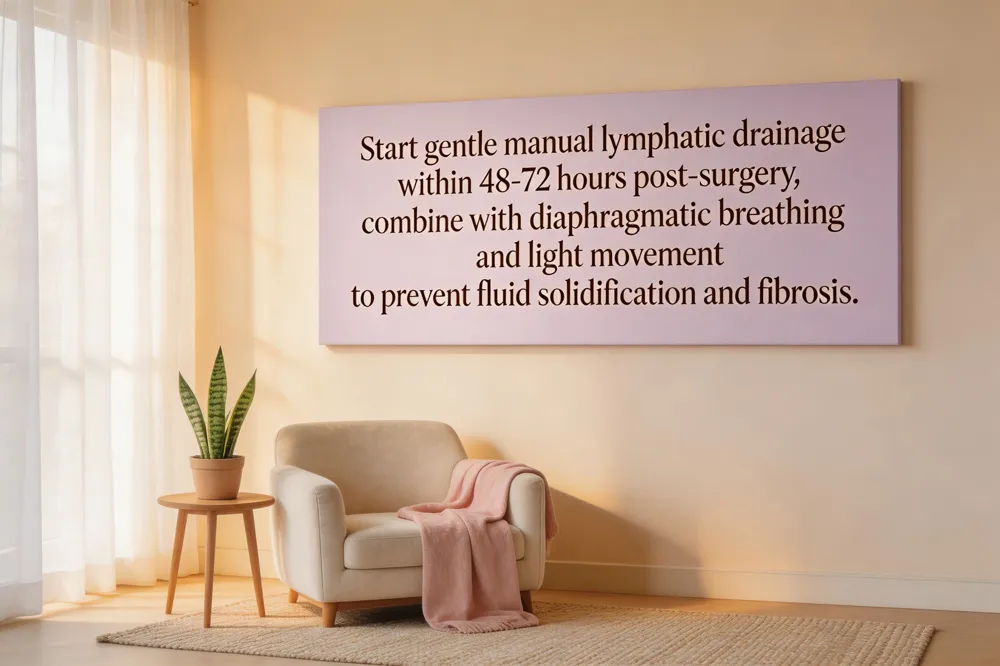
Manual lymphatic drainage (MLD) is a gentle, rhythmic massage that stimulates the superficial lymph vessels without deep pressure. Certified therapists use light, circular strokes that travel from the distal extremities (ankles, wrists) toward the central nodes (groin, armpit, neck), encouraging fluid to re‑enter the circulatory system. Early initiation—typically within the first 48‑72 hours once the surgeon clears the patient—has been shown to lower fibrosis risk and improve skin texture.
Breathing exercises amplify MLD benefits. Slow diaphragmatic breaths (inhale through the nose, abdomen rises; exhale through pursed lips, belly draws in) activate the thoracic duct and create a gentle suction that pulls lymph upward. Pairing these breaths with simple lymph‑draining movements—ankle pumps, seated marches, calf raises, and shoulder rolls—creates a muscle‑pump effect that further propels fluid.
A 50‑move routine (10 deep breaths, 10 backward shoulder rolls, 10 shoulder‑blade squeezes, 10 pectoral doorway stretches, 10 gentle neck rolls) can be performed twice daily while wearing compression garments. Consistent hydration, an antioxidant‑rich diet, and adequate sleep support the lymphatic system’s capacity to remodel scar tissue, reduce inflammation, and soften existing fibrosis, ultimately delivering smoother contours and faster recovery.
Targeted Facial Lymphatic Care

Facial MLD Benefits
Gentle, rhythmic skin‑stretching strokes stimulate lymph flow toward neck and under‑arm nodes, reducing puffiness, easing tension, and supporting post‑procedure healing. Light pressure encourages detoxification without irritating delicate facial tissue.
Step‑by‑Step Facial Drainage Technique
- Begin with clean, moisturized skin. 2. Using the flat of the fingers, sweep upward‑outward from the chin to the ears, then from the jawline to the cheekbones. 3. Move to the forehead, drawing from the brow toward the hairline. 4. Finish with a soft neck sweep toward the collarbones. Perform 2–3 minutes daily, breathing deeply to aid lymphatic contraction.
Contraindications and Safety
Avoid MLD if you have active infection, recent surgery not cleared by your surgeon, or experience pain. Consult a certified therapist before starting.
Lymphatic Drainage for the Face
A soothing, skin‑stretching massage that moves excess fluid to healthy lymph nodes, diminishing swelling and promoting a brighter complexion.
Lymphatic Drainage Exercise Guide (PDF)
Pink & Fancy offers a free PDF with therapist‑approved movements—deep breathing, shoulder rolls, seated marching—to boost lymph flow after surgery. Download from their Wellness Library.
Compression Garments, Hydration & Nutrition Strategies
Garment fitting and wear schedule
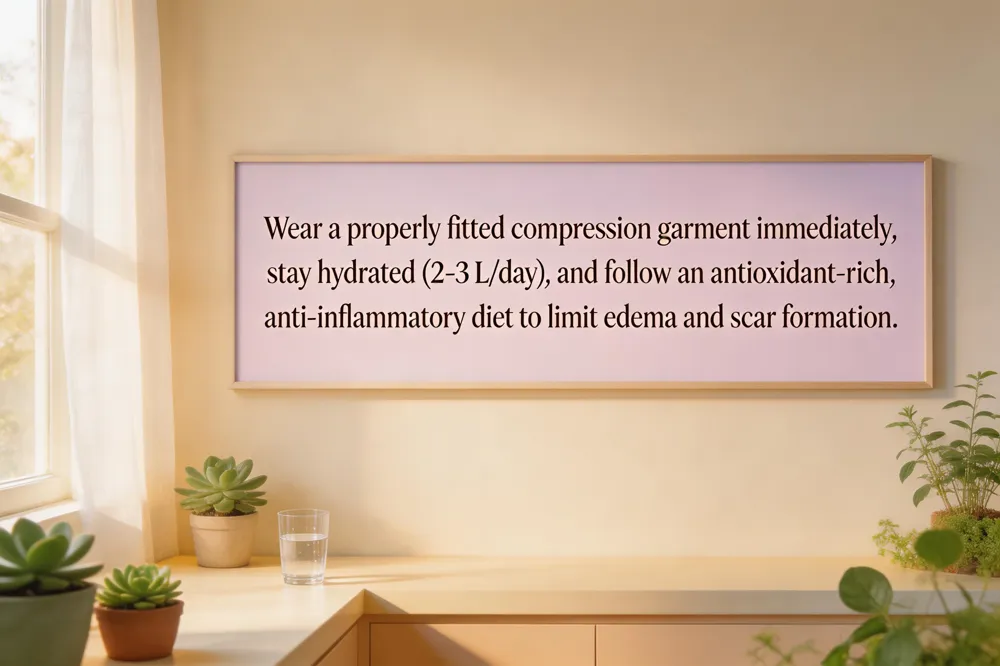
A well‑fitted compression garment should be worn as soon as the surgeon clears you, typically within the first 24‑48 hours after liposuction or tummy tuck. The garment must apply gentle, graduated pressure—tight enough to limit fluid accumulation but not so tight that it compromises circulation. Wear it continuously for the first 1‑2 weeks, then gradually reduce to 10‑12 hours per day for the next 4‑6 weeks, following your provider’s guidance. Proper fit is confirmed by a therapist who can adjust the size to accommodate swelling changes.
Hydration and anti‑inflammatory diet
Aim for 2‑3 liters of water daily to keep the extracellular matrix fluid and support lymphatic clearance. Pair hydration with a diet rich in vitamin C, zinc, omega‑3 fatty acids, and antioxidants (berries, leafy greens, nuts, and fatty fish). These nutrients modulate fibroblast activity, reduce inflammatory mediators, and promote healthier collagen remodeling, lowering the risk of dense scar tissue.
Gentle activity to support lymph flow
Early, low‑impact movement—short walks, gentle stretching, and deep‑breathing exercises—stimulates the muscle pump and encourages lymph return. Even 5‑10 minute walks several times a day improve circulation, reduce edema, and help prevent adhesions.
How to avoid fibrosis after liposuction
Begin compression garment use immediately, start gentle manual lymphatic drainage within the first week, and incorporate light ambulation. Follow surgeon instructions, stay hydration, eat an anti‑inflammatory diet, and attend regular follow‑ups for early detection of any hard nodules.
Does walking reduce swelling after surgery?
Yes. Walking promotes venous and lymphatic flow, helping to clear excess fluid, decrease postoperative edema, and accelerate tissue repair.
Vitamins that may help reduce post‑operative swelling
Vitamin C (1 g/day), vitamin A, and vitamin E are commonly recommended for their antioxidant and collagen‑supporting effects. Discuss supplement dosing with your surgeon to avoid interactions.
Natural remedies for swelling after surgery
Cold packs (15‑20 minutes), elevated positioning, turmeric or ginger teas, bromelain, arnica gel, and aloe vera compresses can soothe inflammation and aid fluid drainage when used alongside proper compression garments and hydration.
Advanced Modalities for Fibrosis Reduction
Post‑operative fibrosis can be stubborn, but a multimodal strategy that blends technology with skilled manual therapy offers the best chance for smooth, comfortable results.
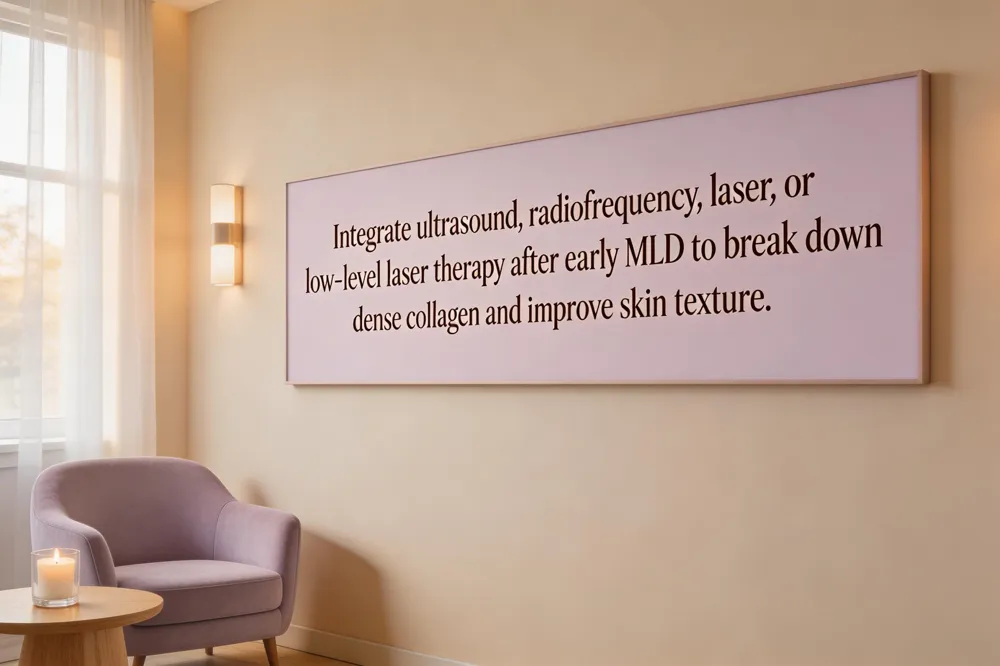
Ultrasound and Radiofrequency Therapy – Therapeutic ultrasound delivers sound waves that mechanically disrupt dense collagen bands, while radiofrequency (RF) heats deeper dermal layers to soften existing fibrotic tissue and stimulate new, elastic collagen. Studies after liposuction and tummy‑tuck patients show that a series of 6‑12 sessions can reduce rope‑like nodules and improve skin texture when combined with compression garments.
Laser and Low‑Level Laser Treatment – Fractional CO₂ or erbium lasers create controlled micro‑injuries that remodel scar tissue, whereas low‑level laser therapy (LLLT) modulates fibroblast activity without ablating skin. Both modalities have demonstrated reductions in scar thickness and pain, especially when performed after initial lymphatic drainage.
Corticosteroid Injections – For isolated, hypertrophic fibrotic nodules, a targeted corticosteroid injection can temporarily decrease inflammation and soften the tissue. The injection should be administered by a surgeon or qualified dermatologist to avoid skin thinning or pigment changes.
Autologous Fat Grafting and Stem‑Cell Therapies – Autologous Fat Grafting and Stem‑Cell Therapies – Harvested fat, especially nanofat rich in adipose‑derived stem cells (ASCs), delivers mechanical padding and a biologic cocktail that down‑regulates TGF‑β1, up‑regulates matrix metalloproteinases, and promotes vascular renewal. Clinical data show a 3‑fold odds ratio for scar improvement versus saline controls, making fat grafting a powerful adjunct for stubborn abdominal or thigh fibrosis.
Comprehensive Multimodal Fibrosis Plan – The most effective protocol begins within days of surgery (once cleared) with gentle manual lymphatic drainage (MLD) and a properly fitted compression garment. Early hydration, a protein‑rich anti‑inflammatory diet, and light ambulation support lymph flow. After the initial swelling subsides, integrate ultrasound or RF, laser/LLLT, and, if needed, corticosteroid injections or fat grafting. Regular monitoring—photos, symptom tracking, and therapist‑adjusted treatment frequency—ensures timely escalation and optimal aesthetic outcomes.
Key Take‑aways –
- Lipo fibrosis treatment: MLD, compression, ultrasound/RF, myofascial release, and optional laser or VASER‑assisted correction.
- Post‑operative fibrosis management: Combine gentle MLD, scar‑management techniques, compression, silicone sheeting, and adjunctive modalities.
- Massage can break up fibrosis when performed by trained therapists using deep‑friction or myofascial release.
- To rid of fibrosis after surgery: Start MLD, wear compression, add therapeutic ultrasound/RF, stay hydrated, and follow‑up regularly.
- Surgical removal is reserved for dense, painful, or restrictive fibrosis unresponsive to conservative care.
- Abdominal fibrosis: Early MLD, compression, light movement, ultrasound‑assisted sessions, and nutrition.
- Massage technique: Light slip‑oil glide, firm directional strokes, knuckle work on nodules, followed by ice and anti‑fibrotic cream.
- Lymphedema‑related fibrosis: Complete decongestive therapy (MLD + compression), low‑level laser, and, when severe, protein lipectomy.
- Breaking down fibrous tissue: Deep‑tissue massage, transverse friction, and targeted myofascial release.
- Gold‑standard non‑surgical treatment: MLD paired with compression, exercise, skin care, and proper diet.
Self‑Care and Home Protocols

Gentle self‑massage techniques – Begin within the first few days after your surgeon clears you. Using a light oil (almond or olive), apply soft, circular strokes in the direction of lymph flow for 5‑10 minutes, 3‑5 times a week. After about three weeks, progress to a 7‑step routine: long firm strokes up and down the treated area, knead any firm nodules like dough, use knuckles on scar tissue, add extra oil for upward strokes, then finish with a cooling pack for 10‑20 minutes and a thin layer of an anti‑fibrotic cream (e.g., centella asiatica). Avoid deep‑pressure massage, which can aggravate inflammation.
Walking and light exercise – Short, frequent walks (5‑10 minutes) and surgeon range‑of‑motion movements stimulate the muscle pump, enhancing lymphatic return and preventing fluid from solidifying into fibrotic bands.
Ice, heat, and natural anti‑inflammatory remedies – Apply ice packs for 15‑20 minutes several times daily during the first 48‑72 hours to blunt swelling. After the acute phase, warm compresses or a warm shower can improve circulation. Herbal teas rich in turmeric or ginger, and a daily dose of omega‑3 fish oil, support calm systemic inflammationnn
Nutritional supplements for swelling control – A protein‑rich diet with vitamin C, zinc, and omega‑3 fatty acids, combined with adequate hydration (2‑3 L water per day), supplies the building blocks for organized collagen remodeling and helps keep edema low.
Home methods to reduce fibrosis after liposuction – Follow the gentle self‑massage protocol above, wear your compression garment continuously for the first 4‑6 weeks, stay hydrated, and incorporate light walking. Consistency over weeks to months will soften nodules and smooth skin texture.
Find a nearby specialist for lipo fibrosis treatment – Pink & Fancy in San Jose, CA, offers certified manual lymphatic drainage and targeted post‑operative massage. Call (408) 555‑1234 or book online for a personalized plan; they accept FSA/HSA and can provide itemized receipts for insurance.
How to reduce inflammation after surgery – Use ice packs (15‑20 min), elevate the operated area above heart level, and engage in gentle movement such as short walks or prescribed exercises to promote circulation and diminish swelling.
Professional Guidance, Monitoring & Red‑Flag Awareness
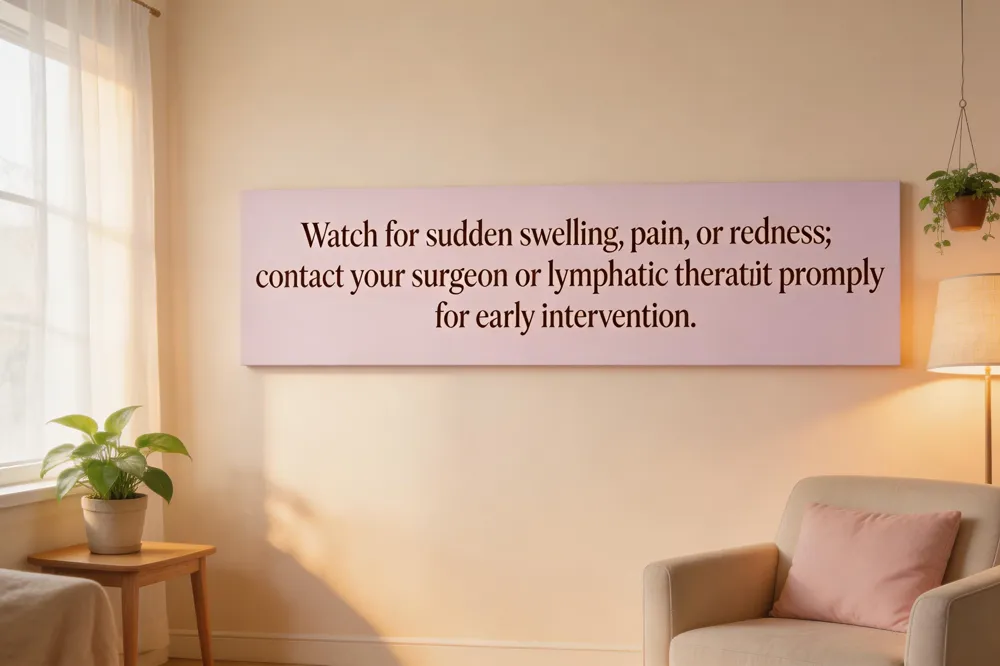
Post‑operative swelling that suddenly worsens, becomes painful, red, warm, or spreads rapidly is a red flag; persistent swelling beyond the expected recovery window, shortness of breath, chest pain, or leg heaviness also demand urgent review. If any of these appear, contact your surgeon or a certified lymphatic therapist promptly. In San Jose, Pink & Fancy offers specialized lipo‑fibrosis care with manual lymphatic drainage, compression‑garment guidance and adjunctive ultrasound or RF; appointments can be booked online or at (408) 555‑1234. Early intervention—compression, gentle movement, hydration, nutrition—prevents fibrosis; ongoing follow‑up lets therapists adjust the plan as tissue remodels.
Putting It All Together for Optimal Healing
A personalized post‑operative plan begins with a surgeon‑approved timeline, then integrates early manual lymphatic drainage (MLD) within the first days, custom‑fit compression garments, gentle range‑of‑motion exercises, and a nutrient‑rich, well‑hydrated diet. Therapists tailor MLD intensity and frequency to the patient’s anatomy and fibrosis risk, while designers adjust garment pressure to support fluid return without compromising circulation. Long‑term maintenance relies on a schedule of periodic MLD sessions, continued garment wear during high‑impact activities, and home‑based self‑massage and hydration habits. Regular follow‑up appointments allow adjustments based on skin texture, pain level, and functional mobility. Key takeaways: start lymphatic care early, combine it with compression and movement, personalize every step, and commit to ongoing monitoring to achieve smooth contours, reduced tenderness, and lasting aesthetic results.