How Wood Therapy Complements Lymphatic Drainage for Body Shaping
July 7, 2026
Healing Beyond Surgery Long Term Benefits of Lymphatic Health
July 8, 2026
Professional Lymphatic Care Versus Traditional Spa Relaxation
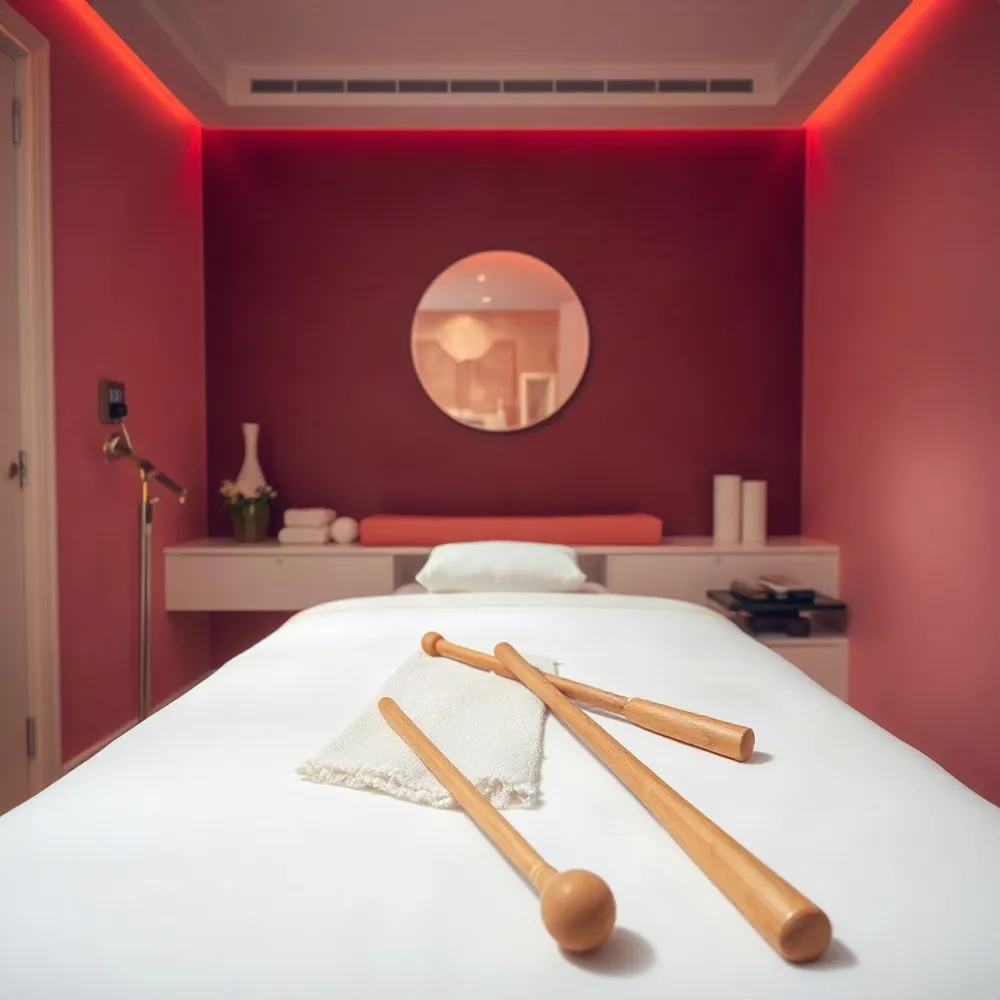
While both therapeutic practices share a focus on physical well-being, Manual Lymphatic Drainage (MLD) and traditional spa massage operate with distinct anatomical goals. Traditional treatments often emphasize muscular relaxation and stress relief through rhythmic kneading or deep tissue techniques. In contrast, clinical lymphatic therapy is a specialized, medically oriented intervention designed to facilitate movement within the lymphatic system, specifically addressing fluid retention and post-surgical edema.
At pinkandfancy.com, we distinguish our services by adhering to clinical standards that prioritize safe fluid navigation rather than mere relaxation. Unlike generic spa settings that may apply firm pressure, our approach utilizes precise, light motions to stretch the skin toward active lymph nodes. According to the UCLA Health reporting, improper application of these techniques can pose risks to individuals, making specialized training and certification mandatory for practitioners to ensure consistent, effective recovery outcomes.
Understanding the necessity of medical-grade care is vital when managing post-surgical recovery. Generic wellness services often lack the rigorous, anatomy-focused sequence necessary to reroute lymph fluid effectively. Under the guidance of an experienced medical professional, practitioners at pinkandfancy.com provide highly personalized, compassionate support tailored to the complex needs of women healing from surgery or managing conditions like lymphedema.
Understanding Manual Lymphatic Drainage and Its Core Purpose

What is manual lymphatic drainage and what are its primary benefits? Manual Lymphatic Drainage (MLD) is a gentle, specialized therapeutic massage technique designed to stimulate the lymphatic system and encourage the natural movement of lymph fluid away from tissues toward the lymph nodes. By using light, rhythmic pressure, this treatment effectively reduces inflammation and persistent swelling, such as lymphedema often experienced following surgery, injury, or medical treatments.
Beyond managing post-surgical recovery, MLD supports the immune system by facilitating the removal of metabolic waste and toxins from the body. It is also frequently utilized to alleviate discomfort associated with conditions like chronic venous insufficiency or fibromyalgia and can even be used cosmetically to reduce facial puffiness. At pinkandfancy.com, we integrate this clinical approach with compassionate care to help restore your comfort, enhance circulation, and support your body’s natural healing journey.
- Uses light, rhythmic pressure to stimulate superficial lymphatic capillaries.
- Facilitates the drainage of protein-rich interstitial fluid.
- Supports the body’s natural detoxification and waste removal processes.
- Improves local immune response by increasing lymph flow to healthy nodes.
| Mechanism | Target | Clinical Goal |
|---|---|---|
| Pressure | Skin | Drainage |
| Rhythm | Flow | Healing |
| Sequence | Nodes | Relief |
Accelerating Recovery Through Targeted Post-Surgical MLD
Surgery disrupts the body’s natural drainage network by severing superficial lymphatic vessels, which creates localized fluid stasis and inflammation. Manual Lymphatic Drainage (MLD) serves as a vital intervention during this stage. By using gentle, rhythmic pumping motions, practitioners can reroute fluid toward healthy lymph nodes, a specialized skill that distinguishes this clinical therapy from traditional spa massage.
At Pink & Fancy, every recovery plan is rooted in this medical understanding. Unlike standard massage techniques that apply heavy pressure, our approach focuses on the gentle, rhythmic stimulation required to facilitate the drainage of protein-rich interstitial fluid. This process helps prevent the development of fibrosis and permanent scarring that can occur when stagnant fluid remains in the surgical area for too long.
How does lymphatic drainage massage assist in post-surgical recovery?
Manual lymphatic drainage is a specialized, rhythmic therapy that can help support the body’s natural healing process following cosmetic or reconstructive surgery. By stimulating the lymphatic system, this gentle technique helps clear excess fluid, proteins, and waste products from surgical sites, which may help reduce post-operative swelling, bruising, and discomfort. Research indicates that MLD may be associated with shorter recovery timelines by minimizing the development of fibrosis and resolving edema, as noted in 2023 research. Beyond addressing physical side effects, MLD also promotes a state of relaxation by stimulating the parasympathetic nervous system, which can contribute to a sense of well-being during the recovery period. At Pink & Fancy, we integrate this clinical approach with personalized, compassionate care to help you move through your healing journey with greater comfort and confidence.
Recovery efficiency depends heavily on the timing of your treatments. According to clinical protocols, post-surgical sessions are often recommended 2 to 3 times per week during the first 3 to 4 weeks of your healing trajectory. This consistent tapered schedule ensures that excess interstitial fluid is continuously cleared as the body repairs itself, potentially contributing to improved patient satisfaction and favorable aesthetic outcomes following procedures such as liposuction or abdominoplasty.
Identifying Key Differences in Technique and Pressure
Are there distinct differences between clinical lymphatic drainage and standard relaxation massage? Yes, there are significant clinical differences between the two modalities. While standard relaxation massage focuses on deep tissue, kneading, and muscle manipulation to relieve tension and stress, lymphatic drainage is a therapeutic technique designed specifically to support the immune system and manage fluid balance. Lymphatic drainage uses very light, rhythmic, and intentional strokes that target the lymph vessels located just beneath the skin rather than the muscular layers. This approach requires clinical training, as incorrect pressure could disrupt delicate surgical sites or cause harm to the lymphatic pathways. At pinkandfancy.com, we use this technique to support patients recovering safely and effectively, whereas standard spa massage centers on broad muscular relief rather than systemic fluid decongestion.
The efficacy of this process depends on applying pressure, usually between 15 and 30 mmHg, to effectively stretch the skin without collapsing the superficial lymphatic capillaries. Unlike traditional massage, which often relies on oils or lotions to facilitate long, gliding strokes, professional manual lymphatic drainage requires skin-to-skin contact. This contact is strictly necessary to achieve the specific level of traction required to stimulate the lymphatic pulse. At pinkandfancy.com, our therapists maintain this non-slip contact to ensure accurate stimulation.
Clinical Precision in Manual Lymphatic Drainage
The treatment sequence also differs between clinical lymphatic drainage and general massage. Professional protocols are highly intentional, beginning with central lymph node locations like the neck or armpits to clear pathways before addressing distal congestion. While general massage sequences are often customized for user comfort or relaxation, therapeutic lymphatic care follows a standardized map to ensure fluid is redirected to functioning channels. Clients receiving post-surgical support benefit from this systematic approach, which is designed to prevent stagnation and encourage efficient healing.
Clinical Applications Beyond Post-Surgical Care
Beyond its widely recognized role in surgical recovery, Manual Lymphatic Drainage (MLD) serves as a critical intervention for chronic conditions characterized by impaired fluid dynamics. While many traditional wellness clinics offer generic relaxation, Pink & Fancy emphasizes clinical precision for clients managing complex issues like chronic venous insufficiency, fibromyalgia, and lipedema. By applying strategic, rhythmic manual pressure, practitioners can assist the body in rerouting stagnant fluid, which is essential for patients living with persistent internal congestion.
Can lymphatic drainage be used to manage conditions like lipedema and cellulite?
Lymphatic drainage is a valuable, evidence-supported therapy for managing both lipedema and the appearance of cellulite by stimulating the flow of stagnant fluid. For those with lipedema, a chronic fat disorder, consistent MLD helps alleviate the heaviness, discomfort, and inflammation associated with the condition. While lipedema and cellulite require specialized, ongoing care, MLD encourages the body’s natural detoxification process to reduce localized swelling and fluid retention. By improving tissue circulation and waste clearance, these treatments help soften the skin’s texture and minimize the dimpled appearance often linked to trapped fluid. At pinkandfancy.com, we provide personalized lymphatic support to empower your recovery and enhance your overall comfort and wellness.
Many clients also seek this therapy to address the physical heaviness resulting from fluid congestion. Unlike standard spa services that focus on muscular tension, clinical lymphatic care at pinkandfancy.com targets the specific superficial pathways just beneath the skin to optimize long-term fluid resolution. This specialized approach ensures that patients dealing with persistent swelling receive targeted relief that standard massage, which may focus on deeper muscle layers, often overlooks.
Essential Credentials for Lymphatic Practitioners
The lymphatic system is a complex, delicate network that requires precise handling to function effectively. Because standard massage training focuses primarily on muscles and joint mobility, Manual Lymphatic Drainage (MLD) demands an entirely different clinical knowledge base that typical spa certification does not provide.
What qualifications should a practitioner possess to provide safe lymphatic drainage?
Practitioners must possess advanced, specialized certification to ensure the safety and efficacy of your care. This clinical foundation ensures a deeper understanding of fluid dynamics than what you might find at general massage clinics or high-volume spa chains.
When evaluating potential practitioners, look for specific professional designations. A Certified Manual Lymphatic Drainage Therapist (CMLDT) typically completes at least 40 hours of focused instruction. For more complex cases involving chronic lymphedema, a Certified Lymphedema Therapist (CLT) requires at least 135 hours of in-depth study, as noted per the Norton School. These credentials guarantee the practitioner understands anatomy, specific directional protocols, and medical contraindications that protect your health during a vulnerable post-surgical window.
| Credential Type | Typical Training | Clinical Focus |
|---|---|---|
| Massage License | Standard Hours | General Relaxation |
| CMLDT | 40+ Hours | Targeted Fluid Flow |
| CLT | 135+ Hours | Complex Lymphedema |
Safety Protocols and Risks of Improper Application
Professional lymphatic care demands a sophisticated understanding of human anatomy, as the system relies on superficial vessels that are incredibly sensitive to pressure. While many seek wellness, performing drainage incorrectly can lead to severe health risks. Manual Lymphatic Drainage (MLD) is a clinical intervention that requires specific training, as improper application can cause physical harm or exacerbate underlying conditions.
Is it possible for self-administered lymphatic drainage or over-treating the area to be harmful?
Yes, improper self-administered lymphatic drainage can be harmful if performed incorrectly or by someone without specialized training. Because your lymphatic vessels are located just beneath the skin, the technique requires very light, precise pressure; excessive force or over-treating an area can damage these delicate structures or increase congestion rather than relieving it. Additionally, you must be aware that lymphatic massage is not safe for everyone, as it should be strictly avoided by individuals with certain conditions such as active infections, blood clots, heart disease, or kidney failure. Attempting these techniques without professional guidance during your post-surgical recovery may lead to counterproductive results or tissue trauma. It is always safest to consult with a qualified specialist who can design a recovery plan tailored to your specific healing stage and medical history.
At pinkandfancy.com, our practitioners combine clinical experience with rigorous safety standards to ensure your recovery remains protected. Unlike generic spas that may overlook clinical contraindications, our staff explicitly screens for Deep Vein Thrombosis (DVT) and renal issues before beginning any treatment, prioritizing your long-term health over temporary comfort.
Facial Lymphatic Drainage for Wellness and Recovery
Lymphatic drainage techniques are highly effective when applied to the head, neck, and face. This specialized, gentle form of massage uses slow, rhythmic pumping movements to redirect excess fluid toward the lymph nodes in the neck and thoracic area, helping to alleviate congestion. Beyond post-surgical recovery, which helps resolve residual swelling and fibrosis, facial lymphatic drainage is an excellent tool for reducing puffiness, minimizing dark circles, and improving overall skin tone.
Can lymphatic drainage techniques be applied to the face?
By stimulating circulation and encouraging the removal of metabolic waste, this treatment supports a clearer complexion and promotes natural healing. At Pink & Fancy, we tailor these therapeutic techniques to support your specific wellness goals, ensuring your skin receives the personalized care it needs to thrive. Unlike general wood therapy which addresses larger body areas, our facial protocols focus on precise anatomical pathways. While standard spa services often focus on muscle relaxation, Manual Lymphatic Drainage provides a clinically grounded route to reduced puffiness and enhanced skin vitality.
Prioritizing Clinical Integrity in Your Wellness Journey
Professional Manual Lymphatic Drainage requires rigorous clinical adherence to move beyond mere relaxation. Unlike generic spa services that utilize firm pressure, skilled practitioners prioritize the delicate anatomy of your lymphatic system to facilitate genuine healing. At Pink & Fancy, we ground every session in over 25 years of medical expertise, ensuring our techniques safely address the unique congestion and swelling common in post-surgical recovery.
Choosing the right provider is a vital step toward long-term restoration. While some environments offer standard pampering, true clinical integrity demands a deep understanding of contraindications and human physiology per the Cleveland Clinic. At Pink & Fancy, we maintain this standard through personalized care that focuses on your specific surgical history and healing milestones. Entrust your recovery to professionals who treat your wellness with the clinical precision it deserves.