Navigating the Emotional Ups and Downs of Surgical Recovery
July 24, 2026
Fibrosis After Surgery What It Is and How to Treat It
July 24, 2026
Embarking on Your Path to Lymphatic Wellness and Healing
Your lymphatic system serves as a silent, essential partner in your body’s health. It works to manage fluid balance, remove toxins, and support the immune system. Following surgical procedures, the body often requires focused care to assist this system, which can become overwhelmed while processing inflammatory byproducts from tissue trauma. Research suggests that lymphatic drainage massage provides meaningful support for this natural healing process.
At pinkandfancy.com, we recognize that no two recovery journeys are identical. Therapeutic frequency is rarely one size fits all, as factors like medical history, the specific procedure performed, and individual inflammation levels all shape your requirements. While standard clinical recommendations often suggest two to three sessions per week for the initial recovery phase, per PMC-NIH data, your actual plan must be adaptable.
Professional guidance remains the cornerstone of safe healing. By working with a specialist, you ensure that your recovery respects biological limits. Unlike providers who may apply generic pressure, our team at pinkandfancy.com prioritizes gentle, precise techniques that avoid unnecessary discomfort. We prioritize compassionate, expert-led support, helping you navigate every stage of your healing with personalized attention and the clinical expertise required to restore your well-being.
The Core Benefits of Manual Lymphatic Drainage Therapy
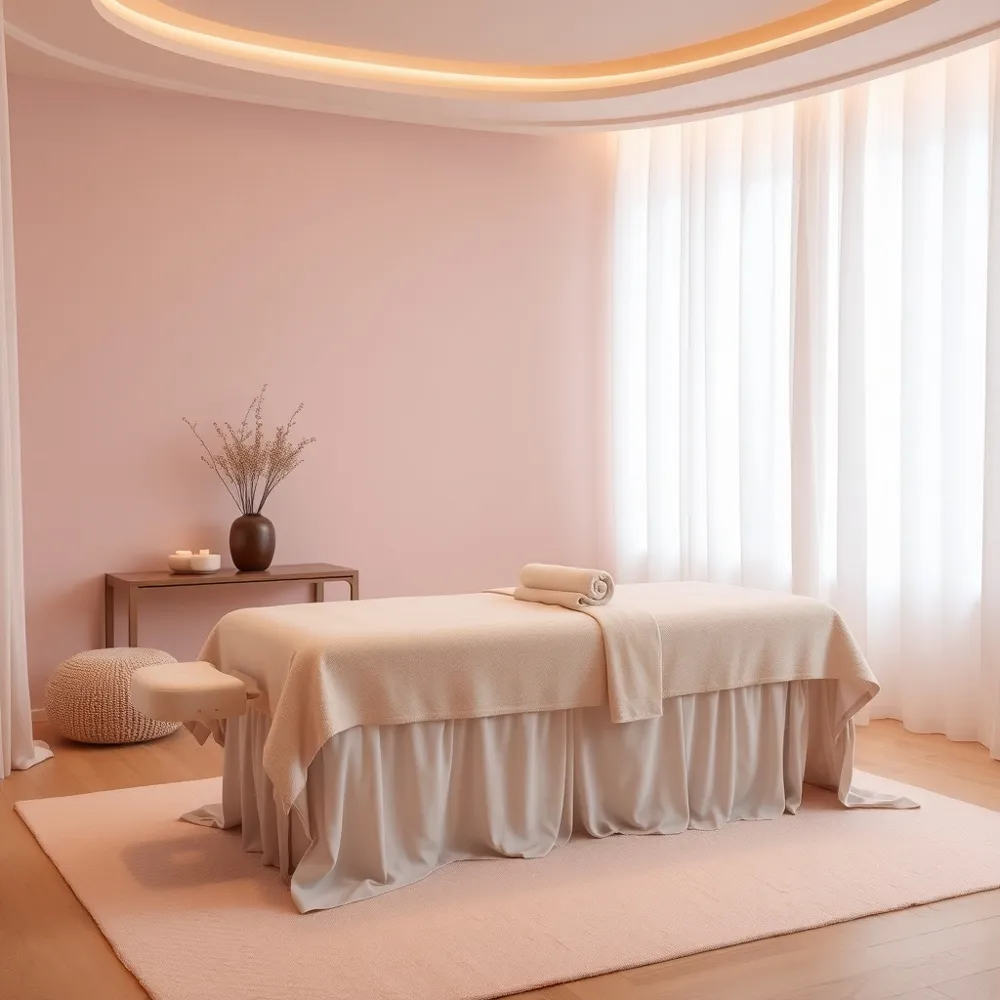
Manual lymphatic drainage therapy is a specialized, gentle technique focused on stimulating the lymphatic system to manage fluid movement and promote healing. Unlike deep tissue work, Lymphatic Drainage Massage utilizes light, rhythmic strokes to encourage the transport of waste products and excess fluid away from congested tissues toward working lymph nodes.
What are the primary benefits of lymphatic drainage massage?
This therapy serves as a vital component for those navigating recovery, effectively addressing the stubborn swelling and edema that often follows surgical procedures. By facilitating the body’s natural detoxification processes, the practice helps reduce inflammation, which in turn diminishes physical discomfort and fatigue. At Pink & Fancy, we integrate this clinical knowledge to support your healing with precision, ensuring the intensity remains light enough to protect healing tissues while being effective enough to prevent complications like fibrosis.
Beyond its immediate post-operative applications, regular care offers long-term physiological improvements. Enhanced circulation brought about by consistent, professional sessions can lead to better skin texture and a noticeable reduction in persistent puffiness. While standard spa treatments often rely on generic pressure that might be counterproductive to delicate surgical sites, our approach at Pink & Fancy prioritizes Pain Versus Pressure balance to remain entirely pain-free. This supportive environment creates a restorative path for women to recover their mobility and well-being with confidence.
| Benefit Type | Primary Goal | Therapeutic Impact |
|---|---|---|
| Post-Surgical | Edema reduction | Prevents fibrosis |
| Circulatory | Waste removal | Boosts skin health |
| Supportive | Nervous system | Alleviates fatigue |
Tailoring Session Frequency to Your Specific Recovery Needs
The recommended frequency for lymphatic drainage massage is highly personalized and depends on your individual clinical needs, health goals, and recovery stage. For those seeking general wellness and preventive support, a monthly session every three to four weeks is often sufficient to maintain healthy flow and reduce minor inflammation.
In contrast, post-operative recovery typically requires a more intensive initial protocol of two to three sessions per week to manage swelling, which we then taper off as your surgical sites heal per PMC guidelines. Clients managing chronic swelling or lymphedema may benefit from a more consistent, long-term treatment plan tailored specifically to their symptoms. While some clinics strictly adhere to rigid, pre-set packages, pinkandfancy.com prioritizes a professional, compassionate assessment of your body’s unique response to determine the optimal schedule for your healing and vitality.
Adjusting your plan for lifestyle and recovery goals
Your lifestyle significantly influences how your body responds to therapy. High-stress periods, poor sleep, or limited physical activity can create stagnancy in your lymphatic system, sometimes requiring a temporary increase in frequency to maintain your results. Conversely, those with active, healthy lifestyles may naturally require fewer sessions for maintenance.
- Post-operative recovery often starts with 2-3 sessions weekly, moving to once weekly by the end of the first month.
- Chronic inflammation or lymphedema management may necessitate 1-2 sessions per week for an initial 4-6 week block.
- General wellness and immune support benefits from a maintenance frequency of once every 3-4 weeks.
- Intense stress or high-demand travel periods may warrant a temporary increase in frequency to once a fortnight.
The Biological Mechanism Behind Post-Surgical Healing and Support

Surgical procedures inherently trigger the body’s inflammatory response, creating a sudden need for efficient waste management within the tissues. As manual lymphatic drainage stimulates the lymphatic system to clear excess fluid and cellular debris, it directly addresses the edema that follows trauma. This rhythmic, gentle technique is vital for preventing common complications such as seromas and the hardening of tissues known as fibrosis.
At pinkandfancy.com, we emphasize that the most effective healing happens when therapy is paired with consistent compression. While massage moves stagnant fluid toward working vessels, medical-grade compression garments provide the necessary external pressure to prevent that fluid from re-accumulating. This synergy minimizes tissue tension and helps maintain the contouring goals achieved during surgery.
Understanding how the body heals involves recognizing the delicate balance between stimulation and support. Unlike heavy-handed approaches that can cause discomfort, our practitioners at pinkandfancy.com use the precise, light pressure required to encourage natural lymphatic uptake. When you combine this specialized care with professional, surgeon-approved recovery plans, you create an environment where the lymphatic system can repair itself faster and more reliably.
How does the lymphatic system heal after surgery, and what supports this process?
After surgery, the lymphatic system often becomes temporarily overwhelmed by an increased fluid load, while surgical disruption of lymphatic channels can impede natural drainage, leading to localized swelling known as edema. Healing occurs as these vessels gradually repair and restore their ability to regulate fluid balance and remove waste products from tissues. This recovery process is effectively supported by specialized manual lymphatic drainage, a gentle technique that stimulates flow and helps clear excess fluid and toxins. Additionally, the consistent use of medical-grade compression garments is essential, as they provide controlled pressure to minimize fluid buildup and protect the healing surgical site. When combined, these therapeutic interventions significantly reduce inflammation, alleviate discomfort, and promote a smoother, more efficient path to recovery.
Timing Your Initial Session for Maximum Healing Safety

The timeline for initiating manual lymphatic drainage is a foundational element of your postoperative recovery. While early intervention helps minimize swelling and discomfort, your body requires a brief period of stabilization immediately following any surgical procedure to ensure tissues begin their primary healing phase without disruption.
How soon after surgery should I begin lymphatic drainage massage?
For optimal healing and the best clinical results, we generally recommend initiating lymphatic drainage massage within 3 to 7 days following your surgical procedure. However, this timeline is not one-size-fits-all and must be specifically approved by your surgeon to ensure it aligns with your unique recovery needs. Starting too early can disrupt delicate healing tissues, whereas timely sessions effectively reduce post-operative swelling, bruising, and the risk of complications like seromas. As you transition into your recovery phase, maintaining active communication between your surgical team and your therapist is essential for a safe, compassionate, and successful healing journey. We prioritize your comfort and safety at pinkandfancy.com, so please prioritize receiving formal clearance from your medical provider before scheduling your first post-surgical session.
Balancing early intervention with tissue integrity is central to the care we provide at pinkandfancy.com. While many general clinical centers may provide standardized timelines, our approach centers on the specific nature of your procedure. Per NIH research, MLD-trained therapists are best positioned to help manage the complex fluid reabsorption occurring after cosmetic surgery. We ensure that our sessions, which focus on light and rhythmic movements, remain entirely pain-free, as discomfort indicates that pressure is too intense for healing areas.
Signs of Progress and Recognizing Your Body’s Recovery
Recognizing your body’s recovery signs is essential for navigating post-surgical healing. You can monitor your progress by observing a consistent reduction in swelling and puffiness in treated areas. Success often manifests as skin feeling less tight and more supple, while jewelry or clothing begins to fit with more ease. Many clients report that feelings of heaviness are replaced by a welcome sense of movement and lightness.
How can I identify if my lymphatic system is successfully draining?
Successful drainage means your body is stabilizing fluid fluctuations that might otherwise spike during the day. As manual lymphatic drainage facilitates the transport of excess fluid toward lymph nodes, improved comfort serves as a primary marker of healing. At pinkandfancy.com, our certified therapists track how your tissues respond during each visit, ensuring your care plan evolves to match your actual recovery speed rather than following an arbitrary timeline.
Is it possible to overdo lymphatic drainage therapy?
While consistent care is vital, it is possible to overdo therapy if sessions are too frequent or aggressive. The lymphatic system is fragile, and excessive pressure can cause irritation or counterproductive inflammation. Unlike some competitors that push a rigid, one-size-fits-all schedule, pinkandfancy.com requires sessions to be pain-free, as discomfort often signals that the technique is becoming too intense for healing tissue.
Empowering Your Recovery Through Proactive Lifestyle Habits
Your lymphatic system relies on natural movement, breath, and hydration to effectively transport fluid. While professional lymphatic drainage massage provides essential support, your daily at-home habits create the foundation for lasting recovery. Hydration is particularly vital, as maintaining fluid levels helps your body flush metabolic waste and toxins generated during the post-surgical healing process.
- Diaphragmatic breathing helps create pressure changes that actively move lymph fluid toward major drainage pathways.
- Dry brushing can gently stimulate the skin’s surface and encourage underlying circulation when performed toward the heart.
- Simple, low-impact movements like walking or gentle stretching help utilize muscle contractions as a natural pump for lymph flow.
Maintaining a healthy lymphatic system is significantly supported by a balanced lifestyle, including proper hydration and mindful physical activity. Regular movement acts as a natural pump for the lymphatic system, transporting lymph fluid throughout the body to assist in detoxification and immune support. Incorporating hydration and gentle, targeted exercises into your daily routine helps maintain optimal fluid balance and circulation. For those in the post-operative stage, it is vital to approach these practices with caution, as specific movements may need to be modified to avoid disrupting the healing process. At Pink & Fancy, we emphasize creating a sustainable recovery plan; our therapists collaborate with you to design home routines that are both safe and effectively tailored to your unique anatomical healing needs, ensuring you have the right tools to thrive between sessions.
Your Trusted Partner in Compassionate Recovery and Wellness
Recovery is rarely a linear process, and prioritizing finding a space that values clinical expertise as much as personalized comfort. At Pink & Fancy, our approach integrates over 25 years of medical experience to ensure that your care plan adapts as your body heals, unlike generic providers that rely on a one-size-fits-all model. We focus on evidence-based techniques that align with manual lymphatic drainage standards while acknowledging the unique emotional and physical needs of your recovery journey.
Choosing the right support system involves consistent dialogue with professionals who understand both the clinical utility of lymphatic massage and the nuances of your specific surgery. We encourage you to treat your healing as a partnership, communicating regularly about changes in swelling or comfort. By focusing on sustainable long-term goals rather than quick fixes, you can empower your body to restore its natural rhythm and achieve the optimal results you deserve.