Common Mistakes Patients Make During Cosmetic Surgery Recovery
August 4, 2026
Safe Protocols for Early Stage Post-Op Massage
August 5, 2026

Introduction
Distinguishing between a standard spa treatment and medical-grade therapy is essential for those seeking genuine relief from post-surgical swelling or chronic conditions. While spa massage emphasizes relaxation through deep tissue or Swedish techniques, manual lymphatic drainage is a clinical intervention. At Pink & Fancy, we focus on these precise, light, and rhythmic motions that specifically encourage fluid reabsorption, ensuring that your recovery pathway is supported by evidence-based care rather than general wellness methods.
Unlike the broad, muscle-targeted strokes found in typical salon settings, clinical lymphatic therapy follows a rigid, anatomical sequence designed to clear pathways toward lymph nodes. This specialized approach is crucial for managing lymphedema and post-operative fluid buildup. By choosing specialized care at Pink & Fancy, you gain access to the clinical expertise required to safely navigate recovery, avoiding the pitfalls of non-specialized massage that may inadvertently increase pressure or cause discomfort in sensitive surgical areas.
| Feature | Spa Massage | Clinical Lymphatic Therapy |
|---|---|---|
| Primary Goal | Relaxation | Fluid regulation |
| Technique | Deep/firm pressure | Gentle/rhythmic |
| Training | General/wellness | Specialized/certified |
Understanding Lymphatic Drainage
Manual Lymphatic Drainage is a precise, therapeutic technique designed to support the body in moving stagnant lymph fluid toward the lymph nodes. Unlike general spa treatments that target deep muscle tissue to release tension, this specialized practice uses light, rhythmic strokes that act directly on the skin. By mimicking the body’s natural lymphatic pulsations, these movements facilitate the reabsorption of excess fluid from tissues, which is essential for reducing post-surgical swelling and managing inflammation.
What is the difference between a standard massage and lymphatic drainage?
While both massage styles utilize touch to support wellness, they differ significantly in their pressure, technique, and primary objectives. A standard massage typically employs firm pressure, kneading, and stretching to target deep muscle tension, alleviate soreness, and promote relaxation. In contrast, lymphatic drainage utilizes very light, rhythmic strokes designed to gently stimulate the lymphatic system and encourage the movement of excess fluid toward the lymph nodes. This specialized, clinical approach is specifically intended to reduce post-surgical swelling, manage inflammation, and support natural detoxification. Ultimately, choosing between them depends on whether your goals are to release muscular stress or to facilitate healing and reduce fluid congestion.
At pinkandfancy.com, we emphasize this distinction by prioritizing clinical precision over the deep-tissue focus found in traditional spas. While conventional massage might use oils or lotions to work through tight bands of muscle, lymphatic drainage massage requires direct, dry skin contact to effectively reach the superficial capillaries responsible for fluid transport. This methodical, goal-oriented approach ensures that recovery support remains safe and targeted, providing a stark contrast to the generalized comfort-based services offered in typical spa environments.
Spa vs. Clinical Therapy: Key Differences
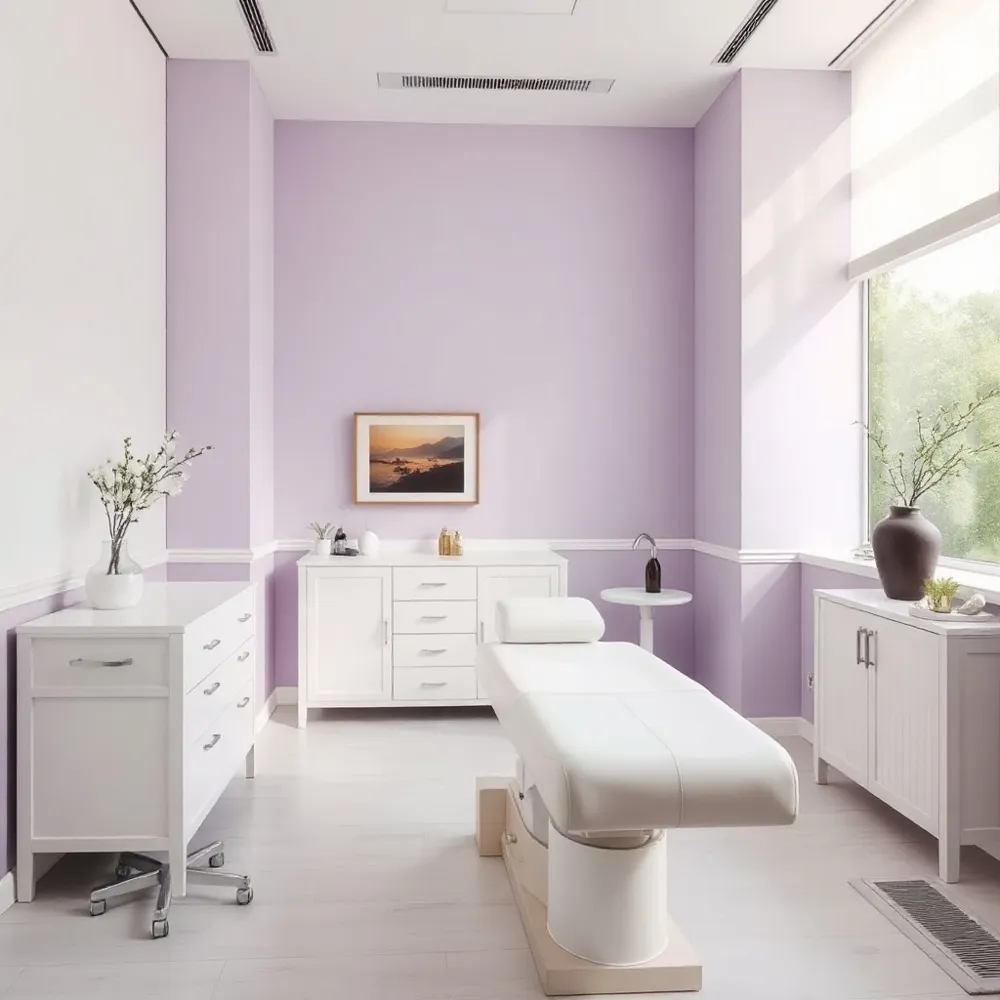
Understanding the distinction between clinical lymphatic therapy and a standard spa visit is essential for those navigating surgical recovery. While spa massages prioritize comfort through broad strokes and firm pressure aimed at muscle relaxation, clinical lymphatic care is a goal-oriented intervention. At Pink & Fancy, our approach mirrors this clinical standard by utilizing precise, rhythmic movements designed to stimulate fluid movement into lymph nodes—a necessary step for managing post-surgical swelling that general spa techniques often overlook.
The rigor of clinical care is defined by specialized training and anatomical precision. Where a typical spa session requires no specific medical certification, a Certified Lymphedema Therapist generally completes at least 135 hours of intensive study to master the physiological pathways of the lymphatic system. This training ensures that providers can safely perform manual lymphatic drainage, which follows a strict, directional sequence from the torso outward to ensure fluid is reabsorbed into the circulatory system without causing trauma to sensitive post-surgical tissues.
Professional Standards. Clinical therapy is documented through detailed SOAP notes, allowing practitioners to track recovery progress and coordinate care with a referring physician. This level of oversight ensures that treatments like manual lymphatic drainage remain aligned with your unique medical needs.Safety Protocols. Medical lymphatic care accounts for strict contraindications such as active infections, blood clots, or heart conditions. By prioritizing safety over the general relaxation focus found in spa environments, clinical providers help prevent late-stage complications such as fibrosis or persistent edema.
Whether you are managing swelling after a procedure or supporting your immune health, the choice of environment dictates your outcome. While standard spa settings may offer relief from daily stress, they lack the anatomical focus required for post-operative healing. Our boutique ensures that every session at Pink & Fancy integrates clinical knowledge with compassionate care, offering wood therapy and specialized drainage techniques tailored to support your body’s natural restoration.
Post-Surgical Recovery Benefits
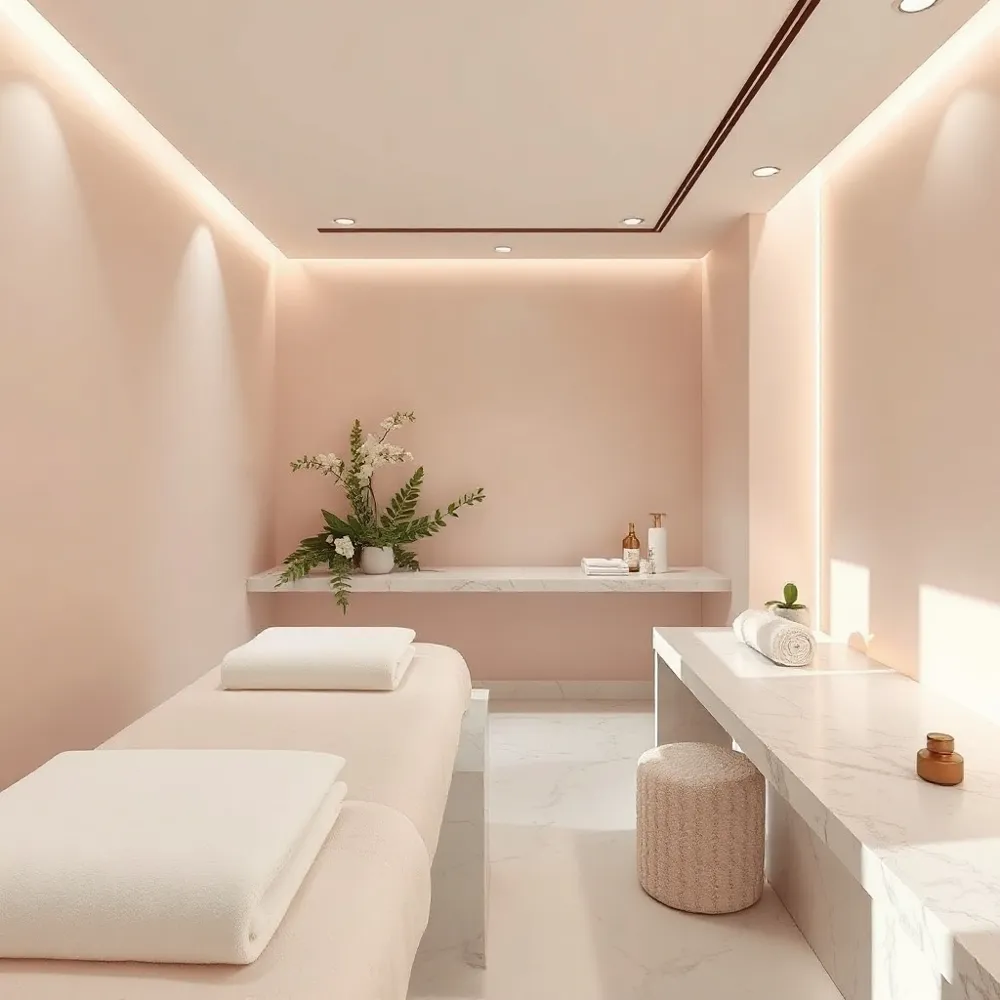
Manual Lymphatic Drainage is a vital component of post-surgical recovery, as it actively stimulates the lymphatic system to move stagnant fluid and toxins away from surgical sites. By promoting this natural flow, the therapy significantly reduces postoperative swelling, bruising, and associated pain. Beyond immediate relief, these specialized techniques support the body’s healing process by preventing complications like fibrosis and tissue hardening. When incorporated into a personalized recovery plan, this gentle approach enhances overall comfort and encourages a smoother, more efficient path to restoration. Ultimately, it empowers women to heal more effectively while managing the physical challenges often encountered after cosmetic or reconstructive procedures.
The Role of Specialized Care
While common spa practices often emphasize relaxation or deep muscle work, pinkandfancy.com specializes in the clinical, rhythmic movements necessary to influence lymphatic pathways. Because surgery often disrupts natural fluid drainage channels, professional intervention is critical to ensure proper tissue healing. Practitioners often recommend starting sessions two to three times per week during the first three to four weeks post-procedure to maximize clinical outcomes.
Healing is further supported by the consistent use of compression garments, which provide the steady, external pressure needed to maintain the gains achieved during a massage session. By pairing these garments with skilled manual techniques, patients experience a more comprehensive approach to managing post-surgical swelling, which helps minimize the risk of contour irregularities and promotes healthier scar tissue formation.
Effective for Water Retention and Edema
Is lymphatic drainage an effective treatment for water retention and edema? Yes, Manual Lymphatic Drainage is a highly effective, gentle therapeutic technique for managing excess fluid accumulation. By using light, rhythmic pressure, this massage stimulates the lymphatic system to move trapped fluid from the interstitial tissues toward functional lymph nodes for processing and removal. This mechanism directly addresses the swelling often associated with surgical recovery, hormonal fluctuations, and chronic conditions like lymphedema, chronic venous insufficiency, and fibromyalgia.
Beyond clinical recovery, lymphatic therapy is a versatile tool for reducing common signs of congestion, such as persistent abdominal bloating, facial puffiness, and swollen extremities. At Pink & Fancy, we focus on restoring your body’s natural fluid balance, helping you feel lighter and more comfortable as you heal. Our specialists go beyond standard relaxation to deliver targeted care that supports your immune system and enhances overall detoxification.
While generic spa services often focus on muscle tension, our approach at pinkandfancy.com prioritizes the integrity of the lymphatic system. By combining our specialized manual techniques with wood therapy, we assist in clearing stagnant fluids and supporting healthy tissue regeneration. This comprehensive focus ensures that your body processes healing byproducts more efficiently, preventing the hardening of skin or persistent swelling that can delay long-term wellness.
Recognizing the Need for Lymphatic Support

Your lymphatic system serves as an essential internal cleanup crew, but when it becomes congested, the body often sends clear signals that it requires assistance. Recognizing these cues early can help you determine when to seek professional Manual Lymphatic Drainage to restore balance and comfort.
What are the common signs that you may benefit from lymphatic drainage?
Lymphatic drainage can be a powerful tool for your wellness journey if your body is showing signs of a congested lymphatic system. Common indicators include persistent swelling or puffiness in the ankles, hands, or face, as well as a general feeling of heaviness in your limbs. You may also experience systemic symptoms such as fatigue, brain fog, frequent headaches, or chronic sinus congestion. Additionally, skin changes like persistent dryness or rashes, along with visible swelling in the lymph nodes of your neck, often signal that your system needs extra support.
At pinkandfancy.com, we understand that these symptoms often arise after surgical procedures or due to chronic inflammation. While some might mistake this for general fatigue, our team specializes in identifying these nuances to provide targeted lymphatic care that surpasses standard spa experiences. Whether you are recovering from a recent procedure or managing ongoing wellness, these signs suggest that gentle, expert manual stimulation could help restore your circulation and promote healing. If you notice persistent tissue thickening or recurring infections, consulting with a specialist is the right first step toward creating a tailored recovery plan.
Safety First: Contraindications and Risks
Are there any contraindications or risks associated with lymphatic drainage massage? While Manual Lymphatic Drainage is a gentle and effective therapy, it is not suitable for everyone and requires careful clinical oversight. Absolute contraindications include acute infections, fever, severe cardiac conditions such as congestive heart failure, deep vein thrombosis (DVT), and kidney failure. Furthermore, practitioners must avoid treating areas affected by active inflammation, skin infections, or undiagnosed lumps to prevent potential complications.
Because medical history significantly impacts safety, pinkandfancy.com prioritizes a compassionate, personalized assessment to ensure your specific health needs are met. Unlike general spa providers that may lack clinical rigor, our team evaluates your unique profile before beginning any lymphatic drainage massage. Always consult with your primary care physician or surgeon to obtain medical clearance before beginning treatments, especially if you have a complex health history.
Specific Precautions and Temporary Effects
Professional care requires precise application. Practitioners must never perform therapy directly over cancerous tissues or skin areas damaged by radiation therapy. Disclosing your full medical history allows for an informed care plan that avoids these high-risk zones. It is also important to recognize that some individuals may experience mild, short-term side effects following a session.
- Temporary fatigue as the body processes released fluid.
- Mild headaches resulting from circulatory changes.
- Occasional nausea as stagnant waste is mobilized.
The Journey of Lymphatic Fluid
Understanding how your body manages fluid is central to appreciating the benefits of lymphatic massage. During a professional session, light, rhythmic strokes help guide excess interstitial fluid away from congested tissues toward healthy, functional lymph nodes. These nodes serve as vital filtration stations, acting much like a security checkpoint where immune cells work to identify and remove pathogens, cellular debris, and waste products from the fluid.
Where does the lymphatic fluid go after a massage session?
Once the fluid is purified by the lymph nodes, it is redirected back into the circulatory system to rejoin your bloodstream. From there, your body’s natural waste management systems take over. The kidneys play a primary role in filtering these materials from the blood, ultimately eliminating the processed metabolic waste through normal excretion. This cycle is essential for restoring fluid balance and reducing post-surgical swelling.
At Pink & Fancy, we emphasize the importance of staying hydrated following your treatment to support this detoxification process. Drinking adequate water after your session helps the kidneys effectively flush out the waste products moved during the massage. Unlike standard spa services that may neglect the physiological aftercare of a client, our post-op recovery protocols are designed to ensure your body has the support it needs to process fluid efficiently, accelerating your healing and comfort.
Self-Lymphatic Drainage at Home
Performing gentle self-lymphatic drainage at home is a practical way to support your body’s recovery, reduce minor fluid retention, and improve overall circulation. Because the lymphatic vessels lie just beneath the skin, the technique requires a feather-light touch, as excessive pressure can actually collapse the vessels you are trying to stimulate. At Pink & Fancy, we emphasize that this home-care approach is meant to complement, not replace, the professional clinical care required during active post-surgical recovery.
Can I perform self-lymphatic drainage massage at home?
Yes, you can safely manage mild puffiness at home with the right technique. The process should always start by stimulating the major lymph nodes in the neck and chest, effectively opening the drainage pathways before you begin moving fluid from the extremities. This ensures that the system is primed to accept and process the additional fluid. For the best results, incorporate deep, diaphragmatic breathing to act as an internal pump for your lymphatic system, and try performing these movements after a warm shower when your skin is relaxed.
While self-care is helpful, it is vital to remember that not all conditions are appropriate for self-massage. If you are healing from a procedure like liposuction or a tummy tuck, you must wait for clearance from your surgeon before attempting any manual techniques. At Pink & Fancy, our practitioners provide tailored, hands-on instruction to ensure you understand exactly how to perform these movements without disrupting your healing tissue or causing discomfort. Relying on professional guidance ensures that your home practice remains a safe, effective extension of your comprehensive wellness plan rather than a potential risk.
Conclusion
Selecting the right approach for your healing journey is essential when managing post-surgical recovery or chronic inflammation. While standard spa treatments offer relaxation, they lack the anatomical precision required to navigate complex lymphatic pathways. Pink & Fancy bridges this gap by combining clinical expertise with compassionate care, ensuring your body receives the exact support it needs to thrive.
True recovery requires more than just a general massage session. By prioritizing specialists who understand how to stimulate lymphatic flow correctly, you minimize the risk of complications such as fibrosis or persistent swelling. Whether you are exploring wood therapy to enhance results or seeking targeted relief from fibrosis, professional guidance is your most valuable asset. Always consult with a qualified provider who views your health as a holistic, long-term commitment rather than a temporary fix.