
Understanding the Stages of Healing After Liposuction
August 18, 2026
Detoxification Benefits of Consistent Lymphatic Therapy
August 19, 2026
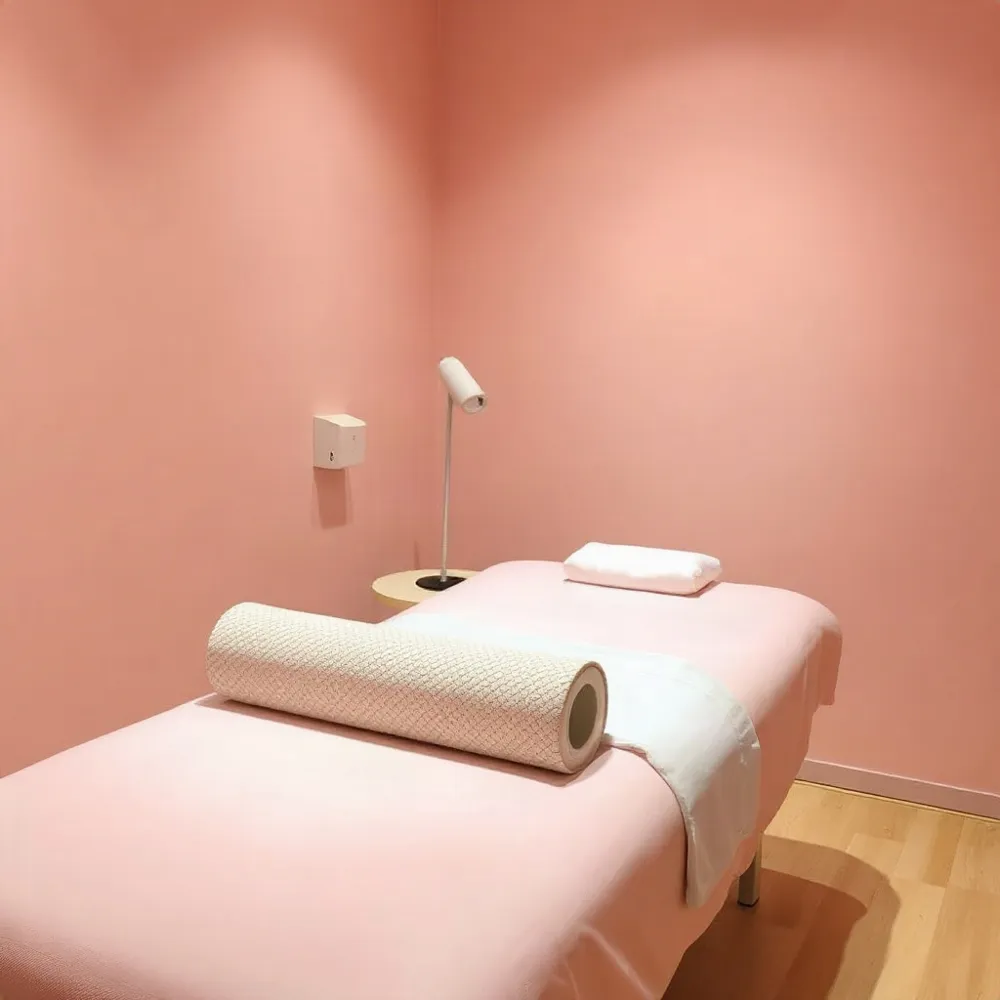
Prioritizing Your Wellness Journey After Surgical Procedures
Achieving a smooth recovery requires more than just resting. It demands a proactive, specialized post-operative care strategy that understands the complexities of healing. While the body naturally works to repair itself, professional guidance is essential to monitor for complications like seromas, which StatPearls identifies as frequent fluid accumulations following extensive tissue dissection.
At pinkandfancy.com, our approach integrates clinical expertise with compassionate support, ensuring every client receives tailored attention. Unlike generic recovery plans, our focus on lymphatic drainage massage helps stimulate the circulatory system and reduce inflammation effectively. This professional oversight is crucial, as Cleveland Clinic notes that intervention becomes necessary if fluid pockets persist, cause discomfort, or show signs of infection.
Empowering you with the right knowledge transforms the recovery process. Whether managing drain care or understanding the warning signs of seroma formation, informed patients navigate their healing journey with greater confidence and long-term health.
Defining Seromas and Their Surgical Origins

A seroma is a collection of serous fluid, a clear or pale-yellow liquid consisting of blood plasma and lymphatic fluid, that pools beneath the skin following a surgical procedure. These pockets typically form in dead space, which is the empty cavity left behind in tissue after surgery where the skin and underlying layers have been separated. The condition is primarily caused by the disruption of local lymphatic and vascular vessels during procedures like breast surgery, abdominoplasty, or liposuction, leading to fluid leakage into these open areas. While many seromas are minor and are eventually reabsorbed by the body, they can cause swelling, tenderness, and a feeling of pressure near the incision site.
At pinkandfancy.com, we recognize that such fluid accumulation is a common complication when surgery involves extensive tissue realignment or dissection. Unlike simple swelling, a seroma represents a specific disruption of the body’s natural drainage pathways. While some clinical settings may simply observe these pockets, professional intervention is often necessary if the area becomes painful or fails to resolve, as noted in recent StatPearls research.
Procedures such as mastectomies, hernia repairs, and body contouring are frequently linked to this postoperative complication. Because surgery interrupts the network of vessels responsible for filtering fluid, the resulting leakage can create a fluctuant mass or soft lump that appears seven to 10 days post-operation. Patients who undergo these procedures benefit from specialized care, such as the seroma drainage support offered at our clinic, to minimize fluid buildup and protect against secondary issues like infection or wound dehiscence.
Distinguishing Seromas from Other Common Surgical Complications
Accurate identification of postoperative swelling is vital for choosing the right recovery strategy. While seromas are frequent, they must be differentiated from other fluid collections to ensure patient safety and effective care. At pinkandfancy.com, we provide post-operative care and expertise in identifying these subtle physical differences to support your healing process.
How can you distinguish between a seroma and a hematoma?
Distinguishing between a seroma and a hematoma primarily involves identifying the type of fluid present and the physical characteristics of the swelling. A seroma is a collection of clear or straw-colored serous fluid resulting from disrupted lymphatic vessels, whereas a hematoma is a pool of blood caused by damaged blood vessels. Clinically, a hematoma often feels firmer to the touch, presents with a dark, bruised appearance, and is typically associated with more intense pain or localized pressure.
Identifying abscesses through fluid quality and symptoms
An abscess behaves differently than a typical fluid collection. While a seroma is generally sterile, an abscess is a localized infection that presents with distinct indicators, such as thick or foul-smelling pus, skin discoloration, warmth, and fever. Unlike the often painless or mildly tender nature of a standard seroma, an abscess typically causes increasing localized pain and systemic symptoms that require immediate medical attention.
The importance of accurate clinical diagnosis cannot be overstated. Mistaking a collection of blood or an active infection for a common seroma can lead to inappropriate treatment paths. At pinkandfancy.com, our specialized team emphasizes professional drain management and careful monitoring, ensuring that any deviation from normal healing is identified quickly so you can receive the proper medical intervention.
Identifying Signs of Concern and Infection
Recognizing the difference between expected recovery and potential complications is essential for your long-term well-being. A standard seroma typically presents as a collection of serous fluid, which is a clear, pale-yellow liquid made of blood plasma and lymphatic components. While minor swelling is common, any deviation from this thin, clear consistency requires careful monitoring.
What should the color and consistency of seroma fluid look like?
Normal seroma fluid should remain thin and relatively transparent. If you observe discharge from an incision site that appears cloudy, thick, or deeply discolored, these may be early indicators of an abscess or infection. You should also be vigilant for a foul odor, as this is a non-standard symptom that warrants professional review. At pinkandfancy.com, we emphasize that clear communication with your medical team is your first line of defense against complications.
Clinical indicators and seeking professional help
Infection symptoms often manifest as systemic or localized changes, including unexplained fever, persistent warmth at the site, or increasing skin discoloration per Cleveland Clinic. If you experience a spike in pain, a sudden increase in the size of the swelling, or signs of wound dehiscence, seek immediate medical attention from your surgeon. While some fluid collections resolve naturally, professional evaluation is necessary if the accumulation is accompanied by these concerning physical changes.
Understanding Risks and Long-Term Healing
It is common for patients to feel anxiety regarding unexpected fluid accumulation during recovery. A seroma is a collection of serous fluid that gathers in the dead space left after tissue removal and is not considered dangerous. It does not lead to or become cancer, despite myths often linking such masses to oncological risks. While most small, asymptomatic pockets are naturally reabsorbed by your body, persistent or large-volume seromas can cause significant discomfort, skin tension, or delayed healing.
What are the clinical implications of untreated seromas?
Leaving a symptomatic seroma unmanaged may lead to secondary complications. These include wound dehiscence, which is the separation of your incision edges, or an increased risk of infection and abscess formation. At pinkandfancy.com, we emphasize that chronic fluid collections can trigger the formation of a pseudocyst. This condition occurs when your body develops a dense, fibrous capsule around the fluid, making it resistant to natural reabsorption and often necessitating clinical intervention such as aspiration or surgical removal.
The Cleveland Clinic notes that recovery times vary based on the size of the collection, ranging from one week to six weeks. To support your healing, our team at pinkandfancy.com provides personalized guidance on monitoring these symptoms. Addressing fluid accumulation early prevents the hardening of tissue and helps ensure your recovery path remains smooth.
Clinical Approaches to Effective Seroma Management
Effective management of a seroma depends largely on its size and symptom profile, as many smaller collections will naturally reabsorb into the body without invasive intervention. For persistent or symptomatic fluid accumulations, needle aspiration remains the primary clinical approach. During this process, a healthcare professional removes the serous fluid to relieve pressure and local discomfort.
To support recovery and prevent fluid recurrence, clinicians frequently emphasize the role of medical-grade compression garments. These tools apply consistent pressure to help minimize the dead space where fluid often pools, while simultaneously encouraging healthy tissue adherence.
Preventative measures and long-term care
Surgeons may employ specific techniques to reduce the risk of seroma formation before it begins, such as the use of quilting sutures to tack skin flaps securely against underlying muscle. Lymphatic drainage massage can further assist the body in processing residual fluid, ensuring that patients receive the comprehensive support necessary for a smooth transition back to daily life.
The Power of Manual Lymphatic Drainage in Recovery

Manual Lymphatic Drainage (MLD) serves as a critical therapeutic technique for women recovering from cosmetic or reconstructive procedures, helping to restore the body’s natural fluid balance. By using gentle, rhythmic movements, this therapy stimulates the lymphatic system to remove excess fluid from tissues, a process that can significantly reduce postoperative swelling, bruising, and discomfort Lymphatic Drainage Massage: What It Is & Benefits.
Does lymphatic drainage massage help with seroma recovery?
Yes, MLD is a valuable supportive therapy for managing seromas following surgery. By encouraging the reabsorption of excess interstitial fluid, these targeted movements help resolve localized swelling and inflammation Lymphatic Drainage Massage: What It Is & Benefits. At pinkandfancy.com, we integrate these specialized techniques into personalized care plans to support healing more effectively than standard observation alone.
Combining lymphatic drainage massage with prescribed compression garments creates a synergistic effect. While the garments provide the necessary pressure to ‘sandwich’ tissue layers and minimize potential space for fluid, the massage works from within to move waste toward functioning nodes for elimination. This dual approach helps manage recovery and is central to the seroma drainage support strategies offered at our center to prevent long-term complications.
Establishing a Personalized Post-Surgical Care Plan

Recovery requires a thoughtful approach that balances physical rest with active, supportive care. Pink & Fancy helps clients build custom routines that prioritize lymphatic wellness and long-term healing. Following a surgical procedure, your primary focus should be minimizing inflammation and managing fluid to support the body’s natural restorative processes.
What are the general guidelines for improving lymphatic drainage in the body?
To support optimal lymphatic flow, prioritize staying well-hydrated and engaging in gentle, rhythmic movement to encourage natural circulation. Wearing doctor-approved compression garments is essential, as they provide the consistent, targeted pressure needed to manage fluid buildup and support the tissues during the healing process. For those recovering from surgery, professional manual lymphatic drainage (MLD) therapy performed by a trained specialist is the gold standard for stimulating the system and clearing toxins.
When is it appropriate to seek professional lymphatic drainage therapy?
It is recommended to initiate professional lymphatic drainage therapy shortly after your surgical procedure, typically beginning a few days post-operation. The precise timing should always be determined by your surgeon, as individual recovery needs and the specific type of surgery performed dictate when it is safe to start treatment. Seeking care early helps to effectively manage the body’s inflammatory response, significantly reducing swelling, bruising, and discomfort.
Safety remains the cornerstone of any effective recovery strategy. Patients should always consult with a Certified Lymphatic Therapist to ensure techniques are appropriate for their health status, especially when surgical sites are healing. Pink & Fancy leverages years of clinical nursing experience to provide that level of precision, ensuring each session enhances circulation without compromising surgical results or sensitive tissues.
Partnering With Experts for Your Healing and Well-Being
Effective recovery from surgery often relies on a multidisciplinary approach that bridges clinical expertise with compassionate support. By working alongside specialized nurses and therapists, patients gain access to structured monitoring and professional aspiration protocols that prioritize safety and long-term healing.
At Pink & Fancy, we believe that personalized care is the foundation of a successful wellness journey. Our team integrates deep clinical experience with advanced techniques like lymphatic drainage massage to help reduce swelling and restore natural fluid balance. Unlike generic recovery plans, our approach ensures every client receives tailored attention during each stage of healing.
Prioritizing your post-surgical health means choosing a partner who understands the complexities of your body. We encourage you to seek professional evaluation if you notice persistent symptoms like increased warmth or swelling. Taking proactive steps today supports your long-term comfort and well-being.