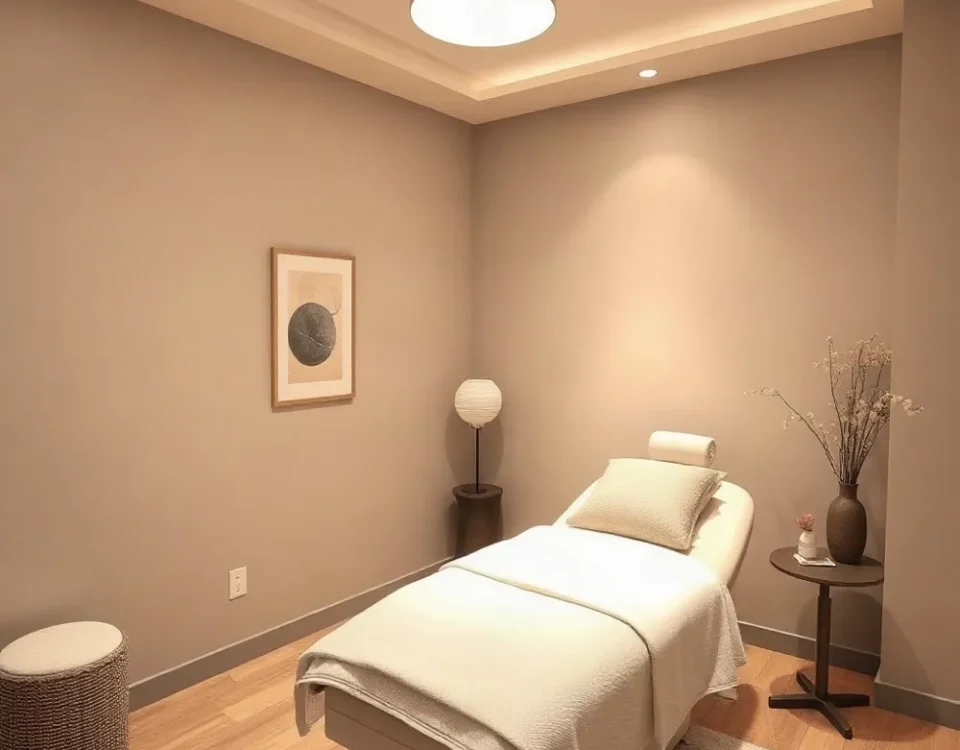
Optimizing Post-Surgical Healing: What Really Works
March 16, 2026
Detox Lymphatic Massage: Fact or Fiction in Post-Op Care?
March 16, 2026

Beyond the First 72 Hours: Proactive Care for Lasting Surgical Beauty
Beyond the First 72 Hours: Proactive Care for Lasting Surgical Beauty
Recovering from cosmetic surgery is a journey that extends far beyond the initial few days of rest. While following immediate post-op instructions is crucial for safety, the weeks and months that follow are when proactive maintenance truly shapes your long-term results. This phase is about actively supporting your body’s healing and protecting your surgical investment.
Why Immediate Aftercare is Only the Beginning
The first 72 hours post-surgery focus on basic recovery: managing pain, preventing infection, and resting. However, healing is a dynamic process that continues for months. Final results, especially from facial procedures, can take six months to a year to fully settle as swelling subsides. Your actions during this extended period directly influence scar formation, skin quality, and the longevity of your new contours. Proactive care transitions you from a passive patient to an active participant in your aesthetic outcome.
Lymphatic Care: Your First Line of Defense for Smooth Recovery
Swelling is a normal part of healing, but managing it effectively is key to comfort and optimal results. The lymphatic system, responsible for removing waste and excess fluid, needs support after surgery.
- Professional Manual Lymphatic Drainage (MLD): This gentle, rhythmic massage technique is often recommended to reduce swelling, alleviate discomfort, and may help prevent complications like fibrosis. Sessions typically begin within the first week post-op and continue for several weeks.
- Consistency is Crucial: A single MLD session offers only temporary relief. A planned series, often 2-3 times per week initially, matches your body’s healing stages for lasting benefits.
- Supportive Tools: Wearing compression garments as directed applies gentle pressure to aid lymphatic flow and minimize fluid buildup. Therapists may customize garments with foam inserts for targeted support.
Sustaining Your Investment: Long-Term Lifestyle & Skincare
Your daily habits are the foundation for preserving surgical results. This is about integrating wellness into your lifestyle.
- Stable Weight Maintenance: For body contouring procedures like tummy tucks or liposuction, maintaining a stable weight is paramount. Significant fluctuations can stretch tightened skin and distort new contours.
- Non-Negotiable Sun Protection: Daily sunscreen (SPF 30 or higher) is essential. UV exposure can darken scars, break down collagen, and accelerate skin aging, undermining your results.
- Medical-Grade Skincare: Once incisions are healed, a regimen with professional-grade products can support skin health. Look for ingredients like retinoids, antioxidants, and peptides to maintain skin quality and extend the life of your results.
- Healthy Fundamentals: Staying hydrated, eating a balanced diet rich in protein and vitamins, and avoiding smoking and excessive alcohol support overall healing and long-term wellness.
The Power of Professional Post-Surgical Therapies
Beyond MLD, several clinical treatments can enhance recovery and outcomes. These are often integrated into a personalized plan.
- LED Light Therapy: Non-invasive yellow or red light treatments can calm inflammation, minimize bruising, and support skin repair with no downtime.
- Targeted Scar Management: After incisions close (around 8-12 weeks), treatments like microneedling or gentle chemical peels can improve scar texture and blend them with surrounding skin.
- Complementary Treatments: Procedures like HydraFacial can improve overall skin quality, while wrinkle relaxers (e.g., Botox) or fillers can maintain facial volume, complementing surgical changes.
Partnering with Your Specialist for Lifelong Confidence
A successful long-term outcome relies on a strong partnership with your surgical team. Open communication ensures you receive care tailored to your progress.
-
Follow-Up Appointments: Attend all scheduled check-ups. This allows your surgeon to monitor healing, address concerns early, and recommend maintenance treatments.
-
Personalized Plans: Your recovery plan should be unique to you, considering your procedure, health history, and goals. Discuss and finalize your post-surgical skincare and therapy regimen during pre-operative consultations.
-
Realistic Expectations: Understand that results will age with you, though you will typically look better than if you had not had surgery. Documenting your journey with regular photos in consistent lighting helps objectively track progress.
| Proactive Care Phase | Primary Goals | Key Actions & Therapies |
|---|---|---|
| Early Recovery (Weeks 1-6) | Manage swelling, support initial healing, ensure comfort. | Lymphatic drainage massage, compression garments, head elevation, gentle cleansing. |
| Mid-Term Healing (Weeks 6-12) | Optimize scar appearance, improve skin quality, resume light activity. | Scar massage, silicone sheets, LED therapy, gentle facials, balanced nutrition. |
| Long-Term Maintenance (3+ Months) | Preserve surgical results, support skin health, adapt to aging. | Medical-grade skincare, sun protection, stable weight, non-surgical touch-ups. |
Why Immediate Aftercare is Only the Beginning

What is the general timeline for plastic surgery recovery?
Recovery isn’t a one-size-fits-all process; it varies by procedure and individual. Typically, the first week or two focus on managing initial discomfort and swelling at home. Many patients can return to desk jobs and light daily activities within 1-2 weeks. Resuming full exercise routines usually requires 4-6 weeks of healing. While you’ll see significant improvement within a couple of months, remember that final results can take longer. Residual swelling may subtly fade, and tissues settle into their new contours over several months to a full year. This gradual timeline underscores why ongoing care is essential.
How long does swelling last after plastic surgery?
Swelling is your body’s natural response to surgery and its duration depends on the area treated. For a facelift, the most noticeable puffiness often diminishes within the first month, but some swelling around the jaw and ears can persist for several months. Procedures like rhinoplasty may involve subtle swelling that improves over 8 to 12 months. In contrast, less invasive treatments might see swelling resolve in just a few days. Adhering to your surgeon’s specific aftercare plan is crucial. Proper rest, elevation, and dedicated swelling-reduction techniques help your body follow its natural healing progression.
Lymphatic Care: Your First Line of Defense for Smooth Recovery
Your lymphatic system plays a starring role in healing. After surgery, it works to remove excess fluid and cellular waste, reducing swelling and discomfort. Many surgeons now recommend professional Manual Lymphatic Drainage (MLD) massage. This gentle, specialized technique uses light, rhythmic strokes to stimulate lymph flow. Starting sessions within the first week can significantly reduce swelling, ease pain, and may even improve scar healing after tummy tuck. For optimal results, a series of sessions—often 2-3 times per week for the first month—is typically advised. Think of MLD not as a luxury, but as targeted support for your body’s internal cleanup crew.
Sustaining Your Investment: Long-Term Lifestyle & Skincare
Protecting your surgical results is a lifelong commitment that begins the moment you leave the operating room. Two pillars are non-negotiable: sun protection and stable weight.
- Sun Protection: Daily sunscreen (SPF 30 or higher) is critical. UV exposure can darken scars permanently, break down collagen, and accelerate skin aging, undermining your refined contours.
- Weight Stability: For body contouring procedures like a tummy tuck or liposuction, maintaining a stable weight is paramount. Significant fluctuations can stretch tightened skin and create new fat deposits in untreated areas.
Once your skin is fully healed, transition to a medical-grade skincare regimen. These potent products support collagen production, maintain skin elasticity, and address fine lines, helping to prolong the youthful effects of your surgery.
The Power of Professional Post-Surgical Therapies
Beyond MLD, several supportive treatments can enhance comfort and accelerate healing in the initial recovery phase.
| Therapy | Primary Benefit | Typical Session Frequency |
|---|---|---|
| Lymphatic Drainage Massage | Reduces swelling, improves comfort | 2-3 times/week (early recovery) |
| Hyperbaric Oxygen Therapy (HBOT) | Speeds tissue repair, reduces inflammation | 1-3 times/week |
| IV Vitamin Therapy | Rehydrates, replenishes nutrients, aids detox | 1-2 times/week |
| Yellow LED Light Therapy | Calms inflammation, minimizes bruising | 2-3 times/week |
These therapies work in concert with your body’s healing process, often helping you feel better faster and supporting optimal outcomes.
Partnering with Your Specialist for Lifelong Confidence
Your relationship with your surgical team shouldn’t end when your stitches come out. Schedule long-term follow-up appointments. These visits allow your specialist to monitor your results, recommend timely maintenance treatments like Botox or laser therapy, and provide updates on new technologies. Keep a photo journal of your recovery in consistent lighting. This isn’t just for appreciation; it’s a practical tool to objectively track changes and discuss any concerns with your provider. This collaborative, ongoing partnership is the key to sustaining your confidence and results for years to come.
Lymphatic Care: Your First Line of Defense for Smooth Recovery

Lymphatic Care: Your First Line of Defense for Smooth Recovery
Surgery, even cosmetic procedures, is a significant event for your body. The initial days of rest and wound care are just the start. True recovery involves supporting your body’s internal healing systems, with the lymphatic system playing a starring role. Think of it as your body’s natural drainage network, responsible for removing waste, toxins, and excess fluid. After surgery, this system can become overwhelmed, leading to swelling, discomfort, and a slower healing process. Proactive lymphatic care steps in as your essential first line of defense, helping to manage these responses and set the stage for a smoother, more comfortable recovery.
Is lymphatic drainage massage beneficial after surgery?
Yes, lymphatic drainage massage is a highly beneficial and clinically supported component of post-surgical care. This specialized, gentle technique, often called Manual Lymphatic Drainage (MLD), is designed to stimulate your lymphatic system. It actively reduces post-operative swelling (edema) and fluid retention by encouraging the natural movement of lymph fluid away from the surgical site. This acceleration of fluid clearance can shorten the initial healing phase.
Beyond managing swelling, MLD helps minimize the risk of developing complications like fibrosis, which is hardened scar tissue that can cause discomfort and distort results. By enhancing local circulation, it delivers more oxygen and nutrients to the healing tissues, promoting more efficient repair. For these reasons, plastic surgeons frequently recommend it following procedures like tummy tucks, liposuction, facelifts, and breast surgeries to support optimal contouring and comfort.
Are post-operative lymphatic massages painful?
A common concern is whether these massages will cause discomfort, especially when you are already tender. Post-operative lymphatic massages are specifically designed to be gentle and are not considered painful. The technique involves slow, rhythmic, and very light hand movements that stretch the skin superficially to guide fluid along lymphatic pathways.
Most patients find the experience deeply relaxing. The gentle stimulation can activate the parasympathetic nervous system, which promotes relaxation and has natural pain-relieving effects. Any sensation is typically minimal—perhaps a feeling of light pressure or coolness—and is far outweighed by the significant benefits of reduced swelling, softened tissue, and accelerated healing. A trained therapist will always work within your comfort zone.
What are safe and effective ways to manage swelling after surgery?
Managing swelling is a multi-faceted approach that works best when combined. Alongside professional MLD, several safe and effective strategies you can implement include:
- Compression Garments: Wearing surgeon-recommended compression garments is fundamental. They apply gentle, consistent pressure to support tissues, minimize fluid buildup, and improve lymphatic flow. Their use is often staged, transitioning from softer garments immediately post-op to firmer support as healing progresses.
- Strategic Elevation: Keeping the surgical area elevated above the level of your heart, especially when resting or sleeping, uses gravity to help drain excess fluid and reduce swelling.
- Cold Therapy: Applying cold compresses or ice packs (wrapped in a thin cloth) to the surrounding area for 15-20 minutes at a time during the first 48-72 hours can constrict blood vessels and reduce inflammation.
- Gentle Movement: Once cleared by your surgeon, short, gentle walks can stimulate circulation and lymphatic flow without straining healing tissues.
- Hydration & Nutrition: Drinking plenty of water is crucial to help flush out toxins and prevent dehydration, which can worsen swelling. Following a low-sodium, anti-inflammatory diet rich in protein, vitamins, and minerals supports your body’s repair mechanisms.
Always adhere precisely to your surgeon’s specific post-operative instructions and monitor your recovery. Contact your doctor immediately if you experience a sudden increase in swelling, severe pain, redness, warmth, or signs of infection like fever.
| Treatment / Strategy | Primary Purpose | Key Benefit for Recovery | Typical Timeline / Frequency |
|---|---|---|---|
| Manual Lymphatic Drainage (MLD) | Stimulate lymph flow, reduce edema | Decreases swelling, prevents fibrosis, enhances comfort | Often starts 3-7 days post-op; 2-3x/week for several weeks |
| Compression Garments | Apply pressure to support tissues | Minimizes fluid pooling, stabilizes surgical area | Worn consistently for first few weeks; use is staged |
| Strategic Elevation | Utilize gravity for fluid drainage | Reduces swelling buildup, promotes healing | Especially important first 2 weeks when resting |
| Cold Compress Therapy | Constrict blood vessels, numb area | Reduces initial inflammation and provides pain relief | First 48-72 hours; 15-20 min intervals, hourly |
| Gentle Hydration & Nutrition | Support cellular function & repair | Flushes toxins, reduces fluid retention, aids tissue repair | Consistent daily practice throughout recovery |
Sustaining Your Investment: Long-Term Lifestyle & Skincare

How can I speed up healing after plastic surgery?
The initial steps you take following surgery set the foundation for your entire recovery. To accelerate healing, meticulous adherence to your surgeon’s post-operative instructions is non-negotiable. This includes specific protocols for wound care after surgery, properly wearing any prescribed compression garments, and taking prescribed medications as directed. These actions are designed to minimize complications and create an optimal environment for your body to repair itself.
Gentle, early movement is also critical. Short, supervised walks around your home improve circulation, support the lymphatic system in moving excess fluid, and help prevent stiffness. However, it is essential to avoid any strenuous activities until your surgeon gives the green light, as pushing too hard can lead to setbacks like increased swelling after plastic surgery or bleeding.
Your body needs the right building blocks for repair. Focusing on a nutrient-rich diet high in lean proteins, vitamins C and E, and antioxidants provides the materials for tissue regeneration and collagen production. Staying exceptionally well-hydrated by drinking plenty of water is equally important, as it delivers oxygen and nutrients to healing tissues and helps flush out toxins. It is imperative to completely avoid smoking, vaping, and alcohol, as they constrict blood vessels, severely impair the healing process, and significantly raise the risk of infection and poor scarring.
Finally, do not underestimate the importance of your scheduled follow-up appointments. These visits allow your surgical team to monitor your progress, address any concerns early, and adjust your care plan if necessary. This professional oversight is a key component in ensuring a smooth recovery.
Does walking help reduce swelling after surgery?
Yes, incorporating gentle walking into your recovery plan is a highly effective strategy for managing post-operative swelling. This low-impact activity promotes healthy blood circulation, which in turn stimulates the lymphatic system. The lymphatic system is responsible for draining excess fluid and cellular waste from your tissues. By encouraging this natural drainage process, walking helps reduce edema (fluid buildup) and the associated puffiness around the surgical area.
Beyond swelling reduction, this gradual movement offers other important benefits. It helps prevent complications such as blood clots and can alleviate general stiffness from being sedentary. The key is to approach activity with caution and precision. Always follow your surgeon’s specific guidelines regarding when to begin walking, for how long, and at what intensity. Starting too early or doing too much can have the opposite effect, increasing inflammation and delaying healing. Listen carefully to your body’s signals and maintain open communication with your care team.
Does cosmetic surgery require long-term maintenance?
Absolutely. Cosmetic surgery is a significant investment, and protecting that investment requires a commitment to long-term maintenance. While the surgical procedure provides a transformative change, your body will continue to age and be influenced by your lifestyle. A proactive, sustained approach is essential for preserving your results for as long as possible.
Your daily habits form the cornerstone of this maintenance. Lifelong sun protection is non-negotiable; daily application of a broad-spectrum sunscreen (SPF 30 or higher) protects scars from darkening and prevents UV damage that accelerates skin aging. Adopting a consistent skincare regimen with medical-grade products can support skin health, enhance collagen production, and address concerns like texture and tone.
Lifestyle choices have a direct impact. Maintaining a stable weight is particularly crucial after body contouring procedures like liposuction or a tummy tuck, as significant fluctuations can stretch skin and distort new contours. Staying hydrated, eating a balanced diet, and not smoking are fundamental for overall wellness and sustaining your surgical outcome.
For many, especially after facial procedures, periodic non-surgical maintenance treatments become part of a maintenance plan. These can include neuromodulators (like Botox) to relax dynamic wrinkles, dermal fillers to restore volume, or laser therapies to improve skin quality. These treatments work synergistically with your surgery to prolong a refreshed appearance.
Ultimately, viewing your procedure as the beginning of an ongoing wellness journey—supported by a trusted relationship with your specialist—is the most effective strategy for lifelong confidence and satisfaction.
Key Elements for Long-Term Success
| Lifestyle Factor | Immediate Post-Op Focus | Long-Term Maintenance Goal |
|---|---|---|
| Nutrition | High-protein, anti-inflammatory diet; stay hydrated. | Balanced diet; maintain stable weight; limit sodium. |
| Sun Protection | Keep incisions covered; avoid direct sun. | Daily broad-spectrum SPF 30+; wear protective clothing. |
| Activity | Gentle walking; strict rest from strenuous work. | Regular exercise routine; avoid high-impact without clearance. |
| Skincare | Gentle cleansing; avoid fragrance on incisions. | Medical-grade regimen; retinoids; antioxidants; regular moisturizing. |
| Professional Care | Follow all surgeon instructions; attend follow-ups. | Consider periodic maintenance treatments; schedule annual check-ins. |
| Habits | No smoking, vaping, or alcohol. | Permanent smoking cessation; moderate alcohol consumption. |
The Power of Professional Post-Surgical Therapies

The Power of Professional Post-Surgical Therapies
While diligent at-home care is the foundation of recovery, integrating professional therapeutic treatments into your healing journey can make a profound difference. These specialized services are designed to actively support your body’s natural healing processes, minimize downtime, reduce discomfort, and help you achieve optimal, long-lasting results. Think of them as a powerful complement to your surgeon’s instructions, working in harmony to enhance your recovery from the inside out.
Targeted Modalities for Accelerated Healing
Modern recovery support extends far beyond simple rest. Several evidence-based therapies are now cornerstones of sophisticated post-operative care plans, each targeting specific aspects of the healing process.
- Manual Lymphatic Drainage (MLD): This gentle, rhythmic massage technique is a gold standard for managing post-surgical swelling. A trained therapist uses precise hand movements to stimulate your lymphatic system, encouraging the natural drainage of excess fluid and cellular waste. This not only reduces puffiness and discomfort but also helps prevent complications like fibrosis (hardened tissue) and supports your immune function. Consistency is key; a single session offers temporary relief, while a planned series aligns with your body’s staged healing.
- Hyperbaric Oxygen Therapy (HBOT): This treatment involves breathing 100% pure oxygen in a pressurized chamber. The increased pressure allows your blood plasma to carry significantly more oxygen to your surgical sites. This supercharged oxygen delivery reduces inflammation, enhances tissue repair, fights potential infection, and can significantly speed up the overall healing timeline. Sessions typically last about an hour and are often recommended in the early recovery phase as part of supportive post-operative treatments.
- LED Light Therapy: Non-invasive and gentle on sensitive skin, LED therapy uses specific wavelengths of light to stimulate cellular repair. Yellow light, in particular, is excellent for calming inflammation, minimizing bruising, and supporting lymphatic flow. It’s a soothing treatment with no downtime, making it an ideal supportive therapy in the first weeks after surgery to reduce bruising and swelling.
- IV Vitamin Therapy: Surgery and anesthesia can deplete your body’s essential nutrients. IV therapy delivers a customized blend of vitamins, minerals, and fluids directly into your bloodstream for immediate absorption. This powerful boost rehydrates your system, supports collagen production, reduces fatigue, strengthens your immune response, and aids in flushing out residual anesthesia, providing a solid foundation for healing and tissue repair after surgery.
The Value of a Personalized, Phased Recovery Plan
No two recoveries are alike. A one-size-fits-all approach does not account for your unique procedure, health history, or personal healing goals. This is where a personalized recovery plan, often coordinated between your surgeon and wellness specialists, becomes invaluable.
A structured, phased plan intelligently sequences these therapies to match your body’s changing needs. For instance, intense swelling in the first two weeks may call for frequent MLD and HBOT. As initial inflammation calms, the focus might shift to LED therapy for skin healing and IV nutrients for sustained energy. Later, scar management and skin-tightening massages can be introduced to refine and maintain your results.
This strategic coordination ensures therapies are introduced at the optimal time—neither too early (risking complications) nor too late (missing key healing windows). It transforms recovery from a passive waiting period into an actively supported journey toward your best possible outcome.
Integrating Therapies into Your Recovery Timeline
Professional therapies are most effective when thoughtfully integrated with your core post-operative instructions. The table below illustrates how these treatments can complement standard care across a typical recovery timeline.
| Recovery Phase (Post-Op) | Primary Healing Focus | Supportive Professional Therapies | Key At-Home Practices |
|---|---|---|---|
| Weeks 1-2 (Acute) | Managing swelling, pain, initial healing. | Lymphatic drainage massage (2-3x/week), HBOT for tissue repair, LED light to reduce inflammation. | Strict rest, compression garments, head/area elevation, cold compresses, hydration. |
| Weeks 3-6 (Subacute) | Reduced swelling, continued tissue repair, scar formation begins. | Continued MLD, IV vitamin therapy for nutrient support, gentle LED or early scar care consult. | Gradual increase in light walking, balanced nutrition for recovery, diligent incision care. |
| Months 2-6+ (Maturation) | Scar remodeling, final results settle, long-term maintenance. | Targeted scar treatments (e.g., microneedling, silicone), toning massages, skincare treatments. | Sun protection (SPF 30+), medical-grade skincare, stable weight, regular exercise. |
Partnering with specialists who offer these therapies provides not only expert hands-on care but also valuable education. They can teach you modified self-massage techniques, recommend supportive supplements, and ensure your compression garments are properly fitted. This collaborative, holistic approach empowers you in your own healing, transforming the recovery process into a positive, proactive step toward lasting wellness and confidence.
Partnering with Your Specialist for Lifelong Confidence

Your Surgeon is a Partner, Not Just a Technician
A successful cosmetic surgery experience does not end when the bandages come off. The relationship with your board-certified plastic surgeon is foundational for both immediate healing and lifelong confidence in your results. Selecting a qualified surgeon is the first critical partnership step. Look for a board-certified specialist, check their reviews and before-and-after results, and evaluate the responsiveness of their office staff. You will rely on this team during your recovery and for years to come.
The Role of Long-Term Follow-Up Care
Scheduling and attending long-term follow-up appointments is a proactive strategy for preserving your results. These visits allow your surgeon to monitor your healing, address minor concerns before they become significant, and recommend timely maintenance treatments. As you age, your needs will evolve. Your surgeon can provide updates on new technologies or non-surgical treatments that can complement and extend the life of your surgical outcomes. This ongoing dialogue ensures your care plan adapts with you.
The Value of Documenting Your Journey
Taking regular photos in consistent lighting to track cosmetic surgery results over time is an invaluable tool. This objective record helps you and your surgeon appreciate the lasting improvements, track how results settle over time, and make informed decisions about any additional care. It is easy to forget the initial swelling and bruising. Photos provide a clear baseline to measure progress and can be crucial for identifying when maintenance treatments might be beneficial after surgery.
Setting Realistic Expectations About Aging
It is essential to maintain realistic expectations. Your surgical results will age along with you, though you will typically look better than if you had not had the procedure. Aging, gravity, and lifestyle continue to affect your appearance. Understanding this helps avoid disappointment and the pursuit of unnecessary revision surgeries. A good partnership with your specialist includes honest conversations about what surgery can and cannot do, setting the stage for sustainable satisfaction.
Key Partnership Actions for Lasting Confidence
| Action | Purpose | Frequency / Timing |
|---|---|---|
| Schedule Follow-Up Appointments | Monitor healing, assess results, plan maintenance. | As recommended by surgeon; often at 6 months, 1 year, and periodically thereafter. |
| Document with Photos | Objectively track changes, share progress with surgeon. | Regular intervals (e.g., monthly initially, then yearly) in consistent setting. |
| Communicate Openly | Discuss concerns, lifestyle changes, and new goals. | Whenever questions arise; be proactive during appointments. |
| Follow Maintenance Advice | Preserve surgical results with non-surgical maintenance treatments. | As advised based on procedure (e.g., annual skin treatments, periodic fillers). |
| Adopt a Supportive Lifestyle | Maintain stable weight, protect skin from sun, avoid smoking. | Daily, lifelong habits that support overall health and surgical outcomes. |
Beyond the First 72 Hours: Proactive Care for Lasting Surgical Beauty
Beyond the First 72 Hours: Proactive Care for Lasting Surgical Beauty
While the initial days after surgery are critical for safety, the journey toward final, beautiful results truly unfolds in the following weeks and months. Transitioning from basic recovery to proactive maintenance is what transforms good outcomes into exceptional, lasting ones. This phase involves dedicated strategies to manage swelling, nurture healing tissues, and protect your surgical investment long-term.
Why Immediate Aftercare is Only the Beginning
Following your surgeon’s instructions for rest, medication, and incision care is the essential foundation. However, healing is a layered process. Final results, especially from facial procedures, can take six months to a year to fully settle as swelling subsides and tissues adapt. The first three months are a particularly crucial window where your actions directly influence long-term outcomes. This period requires a shift from passive rest to active, supportive care that encourages optimal healing from the inside out.
Lymphatic Care: Your First Line of Defense for Smooth Recovery
Swelling is a normal part of healing, but prolonged fluid retention can delay recovery and affect comfort. The lymphatic system, responsible for removing waste and excess fluid, needs support after the trauma of surgery. Manual Lymphatic Drainage (MLD) is a gentle, specialized massage technique that stimulates lymph flow.
Starting MLD within the first week post-surgery, as approved by your surgeon, can significantly reduce swelling and bruising, enhance comfort, and may help prevent complications like fibrosis. Consistency is key—a single session offers only temporary relief. A typical protocol might involve sessions two to three times per week for several weeks, tailored to your procedure and progress.
| Therapy | Primary Benefit | Typical Protocol Initiation | Key Consideration |
|---|---|---|---|
| Manual Lymphatic Drainage | Reduces swelling & fluid retention | 3-7 days post-op, with surgeon clearance | Requires a series of sessions for lasting benefit |
| Compression Garments | Minimizes swelling & supports tissues | Immediately post-op, worn as directed | Often used in stages (e.g., 1-2 weeks, 2-6 weeks) |
| Cold Compress Therapy | Constricts vessels, reduces inflammation | First 48-72 hours for 15-20 min intervals | Always wrap to avoid direct skin contact |
Sustaining Your Investment: Long-Term Lifestyle & Skincare
Preserving your results is an ongoing commitment. For body contouring procedures like liposuction or a tummy tuck, maintaining a stable weight is paramount. Significant fluctuations can stretch tightened skin and distort new contours. A balanced diet rich in protein, vitamins, and anti-inflammatory foods supports tissue repair and helps manage swelling.
For facial and skin results, a disciplined skincare regimen is your best ally. Once incisions are fully healed, medical-grade products with potent active ingredients can promote collagen, improve skin texture, and extend the life of your results. Daily, broad-spectrum sunscreen (SPF 30 or higher) is non-negotiable to protect scars from darkening and prevent accelerated aging.
The Power of Professional Post-Surgical Therapies
Beyond MLD, several professional treatments can enhance healing and comfort during the recovery phase. These are often integrated into a personalized plan based on your procedure.
- Hyperbaric Oxygen Therapy (HBOT): Involves breathing pure oxygen in a pressurized chamber to enhance tissue repair and reduce inflammation, often used in early recovery.
- LED Light Therapy: Non-invasive yellow or red light treatments can calm inflammation, minimize bruising, and support skin repair.
- IV Vitamin Therapy: Delivers vitamins, minerals, and fluids directly into the bloodstream to boost hydration, nutrient levels, and detoxification.
These therapies are designed to work synergistically with your body’s healing process, potentially reducing downtime and improving overall outcomes.
Partnering with Your Specialist for Lifelong Confidence
Your relationship with your surgical team shouldn’t end when your stitches come out. Long-term follow-up care allows your specialist to monitor your results, address minor concerns early, and recommend appropriate maintenance treatments. Be honest about your lifestyle habits, including sun exposure, skincare, and nutrition. Many patients find that their improved appearance motivates a lasting commitment to wellness, creating a positive cycle of self-care. Documenting your progress with periodic photos in consistent lighting can help you and your surgeon objectively appreciate the lasting improvements and plan for the future.
| Maintenance Focus Area | Core Actions | Goal for Lasting Results |
|---|---|---|
| Swelling Management | MLD, compression, elevation, low-sodium diet | Promote efficient healing & comfort |
| Skin & Scar Care | Medical-grade skincare, silicone sheets, strict sun protection | Optimize scar appearance & skin health |
| Lifestyle Foundation | Stable weight, balanced nutrition, regular exercise, no smoking | Preserve surgical contours & vitality |
| Professional Support | Follow-up appointments, tailored therapies (e.g., laser, fillers) | Monitor results & adapt care over time |