Fibrosis Therapy After Surgery: Prevention and Treatment Insights
March 16, 2026
What to Expect After BBL Surgery Recovery
March 16, 2026

Introduction to Wood Therapy and Its Rising Popularity
What Is Wood Therapy?
Wood therapy, also known as maderotherapy, is a non-invasive massage technique that uses specially designed wooden tools to sculpt the body. These hand-held wooden instruments come in different shapes and sizes, crafted to fit the contours of various body areas. The practice involves rhythmic pressure and strokes aimed at stimulating blood circulation, promoting lymphatic drainage, and helping break down fat deposits.
Growing Popularity in the United States
Originally developed in Colombia during the 1990s and rooted in traditional practices from Brazil and other regions, wood therapy has gained significant traction in the United States. Licensed clinics across the country now offer this natural body contouring option, which appeals to individuals seeking non-surgical methods for improving skin tone and reducing the appearance of cellulite.
Basic Principles and Tools Used
Wood therapy applies repetitive motions with custom wooden tools to encourage improved blood flow and activate the lymphatic system, aiding the body’s natural detoxification process. These tools target areas with stubborn fat, such as the thighs, abdomen, and arms, to enhance skin firmness and texture without downtime. Sessions typically last 30 minutes to an hour, tailored to individual wellness goals.
This technique harmonizes manual massage with natural materials, emphasizing personalized care to support post-surgical wellness and overall health, making it a contemporary favorite in holistic women’s wellness.
How Wood Therapy Supports Body Contouring and Cellulite Reduction

How does body contouring and wood therapy contribute to overall wellness in post-surgical recovery?
Wood therapy is a non-invasive massage technique utilizing specially crafted wooden tools designed to sculpt the body by targeting stubborn fat deposits, especially in areas such as the thighs, abdomen, and arms. It works by applying rhythmic pressure and friction to break down fat cells, encouraging their elimination through enhanced lymphatic drainage. This process not only supports detoxification but also helps reduce swelling, which is vital for faster healing after surgery.
The therapy stimulates blood circulation, improving oxygen and nutrient delivery to the skin and underlying muscles. This increased circulation promotes collagen production, an essential protein that strengthens skin structure, resulting in firmer, smoother, and more elastic skin. As collagen levels rise, the appearance of cellulite diminishes, contributing to a more toned and even skin texture.
Patients often notice immediate effects like skin tightening and a refreshed sensation after a session. With multiple treatments, gradual improvements in cellulite reduction and skin firmness become more evident. Wood therapy’s stimulation of the lymphatic system aids in flushing out toxins and excess fluids, reducing bloating, and supporting overall body contouring goals.
Compared to invasive procedures like liposuction, wood therapy offers a natural, gentle alternative with minimal to no downtime. It also promotes mental relaxation by relieving muscle tension and stress, enhancing post-surgical wellness by addressing both physical recovery and emotional balance. Tailored sessions lasting 30 minutes to an hour can be integrated into recovery routines, making wood therapy a complementary strategy for restoring body confidence and vitality.
The Role of Lymphatic Drainage in Post-Surgical Recovery and Wellness
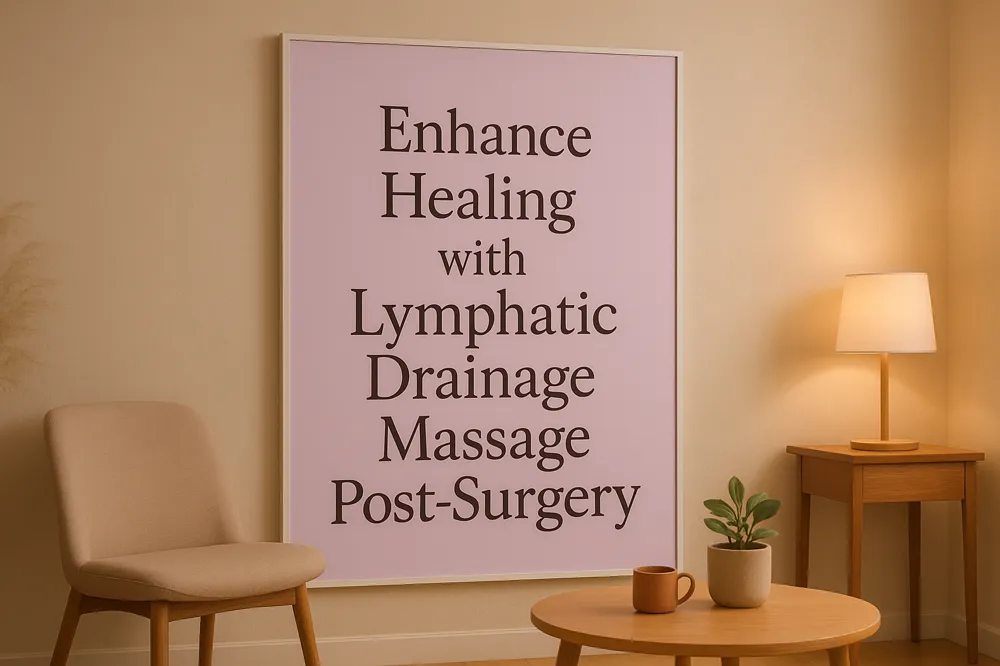
What is lymphatic drainage massage and how does it support women recovering from cosmetic or reconstructive surgery?
lymphatic drainage massage , also known as manual lymphatic drainage (MLD), is a gentle and rhythmic massage technique designed to stimulate the lymphatic system. This system plays a crucial role in removing excess fluids, toxins, and waste products from the body.
For women recovering from cosmetic or reconstructive surgery, lymphatic drainage massage helps reduce post-surgical swelling (lymphedema) and inflammation. By gently encouraging the flow of lymph fluid, it supports faster healing and helps alleviate discomfort often experienced after surgery.
Usually started a few days post-operation, this therapy is performed by trained professionals who use specialized techniques to promote lymph flow without disrupting healing tissues. It is often combined with compression garments to optimize fluid movement and reduce swelling.
The benefits include:
- Decreasing swelling and bruising to speed recovery
- Reducing inflammation to improve comfort
- Minimizing the risk of complications such as seromas (fluid collections) or infections
- Enhancing circulation and oxygen delivery to tissues for better repair
Integrating lymphatic drainage massage into post-operative care provides a holistic approach to recovery. It complements other practices such as wound care, pain management, physical activity as allowed, and nutritional support. Together, these strategies promote wellness, ensure a smoother healing process, and contribute to more satisfying aesthetic results for women undergoing surgery.
Comprehensive Post-Operative Care at Women’s Wellness Boutiques
How does post-operative care at a women’s wellness boutique differ from standard medical aftercare?
Post-operative care at a women’s wellness boutique, such as Pink & Fancy, offers a distinct approach compared to traditional medical settings. These boutiques provide a holistic, personalized plan that combines clinical expertise and compassionate care, creating a supportive environment tailored to each woman’s recovery journey.
Unlike standard aftercare, which often centers on basic wound monitoring and medication management, boutique care emphasizes reducing inflammation, promoting lymphatic drainage, and enhancing overall wellness. Treatments frequently include non-invasive therapies like lymphatic drainage massage, which helps alleviate swelling and detoxify the body, and wood therapy, a gentle and natural method to improve circulation, soften skin, and support detoxification.
The boutique setting allows for smaller, specialized teams who can deliver meticulous, customized care without the typical delays from large medical systems. This fosters strong practitioner-client relationships, ensuring attentive monitoring and timely adjustments to treatment plans.
Additionally, these clinics incorporate innovative aesthetic and recovery techniques that not only boost healing but also improve body contour and skin quality, all with minimal downtime. By addressing physical and emotional well-being, boutique post-op care supports more than just surgical recovery; it fosters long-term health, confidence, and vitality.
Treatments Offered to Manage Swelling and Boost Lymphatic Health

What types of treatments are offered to manage swelling and improve lymphatic health?
At Pink & Fancy, a comprehensive approach is taken to support lymphatic health and manage swelling through various therapies tailored to individual wellness needs.
Variety of therapies including wood therapy, lymphatic drainage massage, and cellulite treatments
Our offerings include lymphatic drainage massage, body contouring, wood therapy, and specialized cellulite treatments. Wood therapy uses natural wooden tools to massage and sculpt the body, stimulating blood circulation and enhancing lymphatic drainage. This non-invasive therapy assists in breaking down fat deposits, reducing the appearance of cellulite, and promoting skin tightening without downtime. Complementing this, lymphatic drainage massage specifically targets lymph flow, encouraging detoxification and reducing fluid retention and inflammation.
How these treatments work to stimulate circulation and reduce inflammation
These manual therapies work by applying pressure and rhythmic movements to stimulate the lymphatic system, increasing the removal of toxins and excess fluid. Enhanced blood circulation nurtures skin and muscles, promoting cell renewal and improving elasticity. The combined effect aids in reducing swelling, relieving muscle tension, and improving skin tone and texture.
Role of decongestive lymphatic therapy and advanced medical options
For more persistent swelling or lymphedema, evidence-based decongestive lymphatic therapy (DLT) is recommended. This multi-modal treatment includes compression, specialized massage, skin care, and exercise to effectively reduce fluid buildup. Advanced medical interventions such as compression garments, pneumatic compression devices, or surgical options like lymph node transfer and liposuction may be considered under professional supervision when necessary.
Self-care and lifestyle considerations for supporting lymphatic health
Supporting treatments with self-care is essential. Staying well-hydrated, avoiding heavy meals before sessions, maintaining regular physical activity, and consulting healthcare providers before beginning treatments can optimize lymphatic drainage function and overall recovery. These lifestyle practices, combined with tailored therapies, empower women to enhance their wellness and promote long-term lymphatic health.
Who Benefits from Specialized Lymphatic Therapy and Therapist Qualifications

Who typically benefits from specialized lymphatic therapy and what qualifications should therapists have?
Specialized lymphatic therapy offers crucial benefits for various groups, especially women recovering from cosmetic or reconstructive surgery. It aids patients managing lymphedema and individuals experiencing swelling, inflammation, or sluggish lymphatic function. By promoting lymphatic drainage massage and circulation, this therapy supports natural detoxification processes and enhances overall wellness.
Therapists administering this specialized care should hold comprehensive medical training, including credentials in nursing, physical therapy, or massage therapy. Coupling this background with certification in manual lymphatic drainage (MLD) techniques is essential. Furthermore, additional specialized training in lymphedema management and post-operative care equips therapists to provide safe, personalized treatment that meets each patient’s unique needs.
Choosing a lymphatic therapist with appropriate qualifications and experience guarantees a treatment environment emphasizing safety considerations in wood therapy and effectiveness. Such professional care helps optimize recovery outcomes and supports long-term health goals, making experienced, licensed practitioners the preferred choice for clients seeking therapeutic lymphatic support.
Benefits and Safety Considerations of Wood Therapy

What natural benefits does wood therapy offer?
Wood therapy is a natural and non-invasive technique that uses specially crafted wooden tools massage to massage and sculpt the body. It stimulates circulation and promotes lymphatic drainage, which helps detoxify the body by removing excess fluids and toxins. This enhanced circulation nourishes skin and muscles, encouraging faster cell renewal and improving skin tone and elasticity. Additionally, the therapy stimulates collagen production, leading to firmer and smoother skin, with noticeable tightening effects immediately after sessions and gradual improvements over multiple treatments.
How does wood therapy support physiological wellness?
Physiologically, wood therapy enhances lymphatic drainage, aiding in fluid regulation and reducing swelling. The massage breaks down fat deposits and fibrous tissue associated with cellulite reduction, helping to smooth skin texture. Improved blood flow delivers oxygen and nutrients to cells, supporting healthier skin and muscle function. Clients often experience muscle relaxation and tension relief contributing to overall well-being.
What safety considerations should be kept in mind?
While generally safe and non-invasive, wood therapy can carry risks if performed improperly. Vigorous massage with wooden tools may cause bruising, nerve irritation, or more serious injuries, especially for individuals with conditions like osteoporosis or blood clotting risks. It is crucial to choose qualified and licensed therapists who understand the correct techniques and precautions. Preparations such as avoiding heavy meals before sessions and staying hydrated are recommended to optimize safety and comfort.
How does wood therapy compare to other cellulite treatments?
Unlike surgical options such as liposuction, wood therapy involves no downtime and supports the body’s natural detox processes. Compared to FDA-approved treatments like Cellulaze laser or mechanical procedures like Cellfina, wood therapy offers a gentle, holistic approach without invasive interventions. While other treatments may yield longer-lasting results, wood therapy serves as an accessible, non-invasive alternative that complements wellness lifestyles.
Can wood therapy provide additional wellness benefits?
Beyond body contouring, wood therapy promotes relaxation through tactile stimulation of the wooden tools, which has been shown to evoke feelings of comfort and warmth. The massage also reduces muscle tension and stress, improving mental and physical relaxation. Many users report feeling more energized and less tense following sessions, making it a supportive therapy for both physical and emotional health.