Your Ultimate Guide to Cosmetic Surgery Recovery Care
March 16, 2026
Recovery Timelines for Common Cosmetic Procedures Demystified
March 16, 2026

Introduction to Post-Operative Massage and Its Importance
Understanding Post-Operative Massage Therapy
Post-operative massage therapy involves specialized massage techniques designed to support recovery after surgery. These methods are gentle, targeted, and tailored to individual patient needs to promote healing without causing discomfort or harm.
The Role of Specialized Post-Surgery Care
Working with licensed massage therapists trained in post-surgical care is crucial. These professionals collaborate closely with healthcare providers to ensure safe and effective treatment plans that respect the stage of healing and surgical specifics.
General Benefits of Massage Therapy in Recovery
Massage therapy offers a range of benefits in post-surgical recovery, including pain management, reduction of swelling and fluid retention, and improved circulation of nutrients and oxygen. It also helps reduce muscle tension, limit scar tissue formation, and enhances flexibility and mobility within surgical areas.
Additionally, massage therapy supports emotional well-being by lowering stress hormones, promoting relaxation, and improving sleep quality, all of which are vital for optimal healing. Overall, post-operative massage serves as a holistic approach that addresses both the physical and psychological challenges encountered during recovery.
Understanding Lymphatic Care and Its Vital Benefits in Surgical Recovery

What is lymphatic care and how does it benefit women recovering from surgery or managing swelling?
Lymphatic care refers to specialized therapeutic techniques designed to stimulate the lymphatic system anatomy and physiology, which plays a crucial role in fluid balance and immune health. One of the most effective forms of this care is Manual Lymphatic Drainage (MLD) overview, a gentle, rhythmic massage that encourages the movement of excess lymph fluid from tissues toward lymph nodes. This process aids in reducing swelling with post-operative massage, bruising, and inflammation that often occur after surgical procedures.
How does lymphatic care support women recovering from surgery?
Women undergoing surgeries such as liposuction, breast reconstruction, tummy tucks, or facelifts commonly experience fluid retention and inflammation as part of their postoperative healing. Lymphatic care accelerates the removal of this excess fluid, thereby minimizing discomfort and promoting faster recovery. By improving fluid flow and boosting lymphatic circulation, MLD reduces the risk of complications like lymphedema and helps maintain comfortable mobility during recuperation. For more details, see Lymphatic massage benefits post-op.
How does lymphatic care reduce swelling, bruising, and inflammation?
The gentle strokes used in lymphatic drainage massage target lymphatic vessels to enhance lymph fluid circulation. This stimulation helps clear accumulated fluids and cellular waste from tissues, effectively decreasing swelling and the appearance of bruising. Managing inflammation in this way not only speeds up healing but also prevents prolonged tissue tension and discomfort that can delay full recovery. Learn more about Reducing swelling and fluid retention with massage.
In what ways does lymphatic massage support immune function and detoxification?
Because the lymphatic system is integral to immune defense, stimulating its activity through lymphatic care encourages the transport of immune cells to damaged or healing tissues. This process enhances the body’s ability to fight infection and clear toxins, creating an optimal environment for tissue repair. Detoxification facilitated by efficient lymphatic flow also helps reduce fatigue and promotes overall wellness during post-surgical recovery. Explore Boosting immune function with massage for more information.
| Aspect | Benefit | Surgical Contexts |
|---|---|---|
| Manual Lymphatic Drainage (MLD) | Stimulates lymphatic system to reduce fluid buildup | Breast augmentation, liposuction, facelifts |
| Swelling and Bruising Reduction | Accelerates removal of excess fluid and toxins | Post-mastectomy, abdominal surgeries |
| Inflammation Management | Lowers tissue inflammation for faster healing | Cosmetic and reconstructive surgeries |
| Immune Function Support | Enhances immune cell transport, aiding infection prevention | Cancer-related lymph node removal |
| Detoxification Promotion | Facilitates removal of cellular waste and toxins | Wide range of post-operative care procedures |
Lymphatic care, especially through Manual Lymphatic Drainage (MLD), is a compassionate, precise therapeutic approach that supports women’s unique recovery needs. Provided by trained professionals and coordinated with medical guidance, this technique enhances surgical outcomes, improves comfort, and fosters holistic healing.
Why Specialized Training is Essential for Post-Surgical Massage Therapists
What specialized training is required for therapists providing lymphatic and post-surgical care?
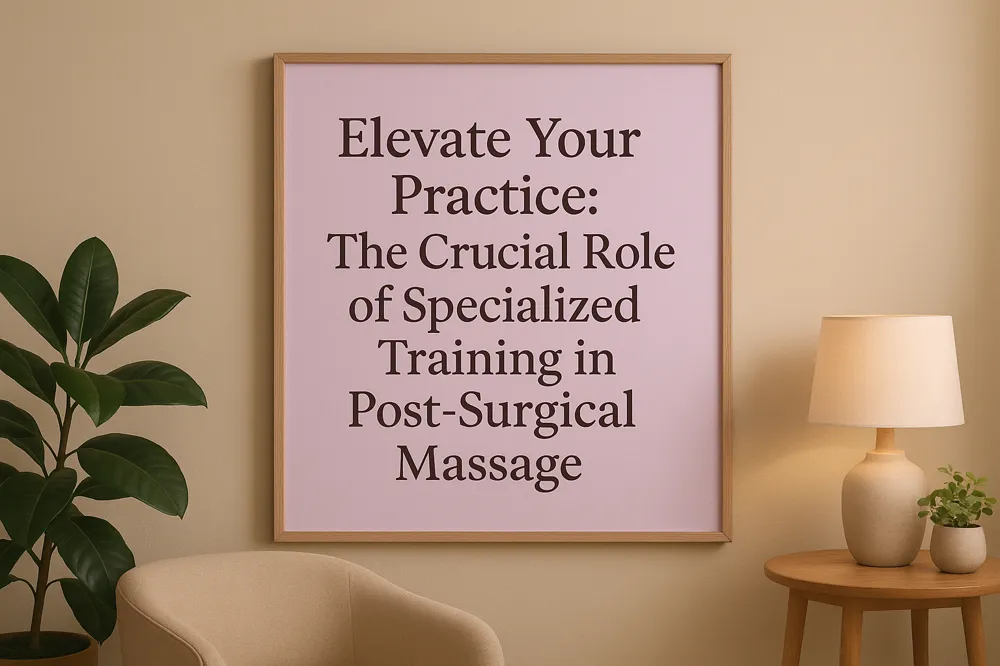
Therapists working in post-surgical massage, especially those performing Manual Lymphatic Drainage (MLD) overview, must complete specialized training focusing on Manual Lymphatic Drainage (MLD) overview. This training covers gentle, non-invasive techniques designed to reduce swelling, manage fluid retention, and support healing after surgery. It emphasizes a comprehensive understanding of the lymphatic system anatomy and physiology, which is crucial for safely and effectively addressing post-operative edema and inflammation.
Accredited continuing education (CE) programs, such as those offered by reputable organizations like PESI, ensure that instruction is evidence-based and medically endorsed. Many therapists also pursue additional certifications, such as Certified Lymphedema Therapist (CLT) certification, to demonstrate advanced expertise in managing lymphatic and post-surgical conditions.
This specialized education equips therapists with the knowledge to apply precise techniques safely, respecting surgical sites and healing stages. Working with a trained and certified therapist is vital to promote optimal recovery outcomes, minimize complications like lymphedema, and enhance patients’ physical and emotional wellbeing post-surgery. Information on post-surgical medical massage and lymphatic drainage techniques further details these professional standards.
By partnering with collaboration between massage therapists and healthcare providers and tailoring treatments individually, these experts ensure a safe, effective, and compassionate approach to post-surgical massage therapy.
The Physical and Psychological Benefits of Professional Post-Op Massage

How does post-operative massage assist in pain management?
Professional post-operative massage, including lymphatic drainage and therapeutic techniques, helps ease pain by enhancing blood flow and stimulating the release of endorphins, the body’s natural painkillers. Lymphatic drainage massage benefits gently moves lymph fluid to reduce pressure on nerves caused by fluid buildup, thereby alleviating discomfort and potentially decreasing reliance on pain medications.
In what ways does massage therapy reduce swelling, inflammation, and scar tissue after surgery?
Post-surgery massage uses careful, gentle strokes to stimulate circulation and lymphatic flow, which helps minimize swelling and inflammation commonly seen after surgical procedures. Techniques like Myofascial release techniques and cross-fiber friction soften and prevent restrictive scar tissue and adhesions, promoting more flexible healing tissue and reducing long-term complications.
How can massage improve mobility, flexibility, and circulation during recovery?
Massage therapy relaxes tight muscles, breaks down adhesions, and improves blood circulation, supplying oxygen and nutrients essential for tissue repair. This enhances flexibility and restores range of motion more effectively after periods of surgical immobility, facilitating quicker rehabilitation. Massage to improve range of motion post-surgery contributes significantly to faster recovery.
What are the emotional benefits of massage therapy following surgery?
Massage lowers stress hormones such as cortisol, reducing anxiety and promoting relaxation. It increases mood-enhancing neurotransmitters like serotonin and dopamine, helping patients manage post-surgical stress more effectively. Improved emotional well-being supports better sleep quality, which is crucial for overall healing and immune function. See Massage therapy for mental well-being for more information.
Together, these physical and psychological benefits of professional post-op massage contribute to a personalized, compassionate approach to women’s wellness, optimizing recovery and enhancing quality of life during the healing journey.
How Pink & Fancy Integrates Clinical Expertise with Personalized Care

What types of services does Pink & Fancy offer to support women’s post-surgical healing and overall wellness?
Pink & Fancy provides a broad array of specialized services aimed at enhancing women’s post-surgical healing and overall wellness. Their offerings prominently include advanced lymphatic drainage massage, utilizing the FDA-cleared BallancerPro device. This technology promotes lymphatic flow to help reduce swelling, alleviate pain, and support scar tissue healing.
Additionally, Pink & Fancy employs evidence-based approaches like manual lymphatic drainage and the Spurgeon Method®, which have proven effective in accelerating recovery from surgeries such as liposuction, mastectomy, and breast augmentation. Beyond these, the boutique offers body contouring, wood therapy, and cellulite treatments—all thoughtfully designed to improve circulation, detoxification, and enhance body confidence.
How does Pink & Fancy combine clinical knowledge with personalized attention in their wellness services?
Pink & Fancy actively integrates clinical expertise with personalized care through its founder’s extensive background as an operating room nurse with more than 25 years of experience and specialized training in lymphatic therapy. This foundation ensures treatments are informed by a deep understanding of anatomy, healing processes, and surgical considerations.
Every client receives a customized treatment plan tailored to their unique healing journey and wellness goals. Services like lymphatic drainage massage and body contouring are delivered with precision and care, prioritizing safety and efficacy.
The boutique fosters a compassionate environment where client comfort and trust are paramount. This personalized attention encourages women to engage fully with their recovery and well-being process, facilitating not only physical healing but also emotional rejuvenation.
In summary, Pink & Fancy’s combination of clinical proficiency and individualized care creates a supportive, holistic experience that optimizes healing outcomes and nurtures lasting wellness for women recovering from surgery.
The Importance of Choosing a Trained Professional for Post-Operative Massage

Why Is Timing and Safety Crucial for Post-Operative Massage?
Massage therapy after surgery must be carefully timed to align with the body’s healing stages. Initiating massage too early—before incisions are adequately healed—can cause complications such as reopening wounds or increasing inflammation. Safety also involves avoiding direct pressure on vulnerable areas to prevent discomfort or injury. Professional medical clearance typically guides when to start massage treatments to ensure safe recovery progress.
What Are the Risks of Untrained Therapists in Post-Surgical Care?
Selecting an untrained massage therapist poses risks including improper techniques, excessive pressure, or mistimed treatment that can worsen swelling, disrupt healing tissues, or create additional pain. Without specific training in post-operative protocols, unqualified therapists might not recognize contraindications such as infection, deep vein thrombosis risk, or lymphatic issues.
How Are Treatment Plans Customized to Support Healing?
Trained therapists develop personalized massage plans considering the surgery type, stage of recovery, and patient needs. This includes selecting appropriate techniques like gentle lymphatic drainage or scar tissue massage and adjusting frequency and intensity accordingly. Such tailored care promotes safe inflammation reduction, improved circulation, and scar flexibility, thus fostering more effective recovery. Learn more about Customized massage for recovery support.
Why Is Collaboration Between Therapists and Healthcare Providers Beneficial?
Cooperative communication ensures massage therapy complements the overall medical recovery plan. Therapists work closely with surgeons, physical therapists, and physicians to adapt treatments based on healing progress and any complications. This team approach enhances safety, optimizes physical and emotional recovery, and supports patient confidence in integrated care. Discover the importance of collaboration between massage therapists and healthcare providers.
Choosing a licensed and credentialed massage professional experienced in post-surgical care is essential for maximizing benefits and minimizing risks during recovery. Patients are encouraged to seek therapists who adhere to professional standards and collaborate with medical teams to create a supportive healing environment.