
8 Surprising Ways Lymphatic Massage Enhances Your Post-Lipo Recovery
March 16, 2026
Understanding Pain, Inflammation, and Mobility During Recovery
March 16, 2026

Introduction: Understanding the Importance of Monitoring Your Post-Op Recovery
Overview of the Typical Surgical Wound Healing Process
Wound healing after surgery progresses through several defined stages: hemostasis, inflammation, proliferation, and maturation. Initially, blood clotting stops bleeding, followed by immune activity cleaning the site. New tissue forms to close the wound, and over weeks to months, the tissue strengthens and scars mature. Normal signs include some redness, swelling, and mild pain, which gradually improve.
Why Recognizing Signs of Poor Healing Is Crucial
Close monitoring for warning signs such as persistent redness, increased pain, foul-smelling discharge, or fever is vital. These symptoms may indicate infection or complications that can delay healing and require prompt medical attention.
The Impact of Complications on Recovery and Long-Term Health
Unrecognized or untreated complications like infection, poor circulation, or wound reopening can lead to prolonged recovery, additional surgeries, and sometimes serious health consequences. Early detection and intervention support safer healing and overall wellness after surgery.
Post-Surgical Wound Care and Complication Key Facts
- Worsening redness and swelling beyond six days often indicate infection or poor healing.
- Presence of pus, discolored drainage, or foul odor from a wound signifies infection that requires immediate medical attention.
- Persistent or increasing pain at the incision site, especially if worsening or accompanied by other symptoms, may signal complications such as infection or nerve irritation.
- A fever higher than 101°F with chills post-surgery is a warning sign of systemic infection that necessitates urgent care.
- A delayed wound healing beyond a few weeks may indicate underlying issues like infection, poor circulation, or diabetes.
- Wound dehiscence is when an incision reopens; it is a serious complication requiring immediate medical intervention.
- Swollen lymph nodes near the surgical site, accompanied by fever, suggest an infection or inflammatory response that needs evaluation.
- Signs of deep vein thrombosis (DVT) include swelling, redness, warmth, and pain in the limb, with risk of pulmonary embolism if untreated.
- Pulmonary embolism (PE) presents with sharp chest pain, difficulty breathing, and coughing blood, and is a life-threatening emergency.
- Lymphatic drainage massage supports post-surgical recovery by reducing swelling, promoting circulation, and enhancing fluid removal.
1. Persistent or Worsening Redness and Swelling Around the Surgical Site

What does worsening redness around a surgical wound indicate?
[Redness and swelling after surgery] are common and normal signs during the initial healing phase after surgery, typically appearing within the first six days. This response occurs as part of the inflammation stage when the body cleans the wound and fights potential pathogens.
However, when redness and swelling persist beyond this period, worsen, or spread beyond the wound edges, these changes often indicate infection or inadequate healing. In particular, spreading redness or darkening skin near the surgical site can be a warning sign of serious complications such as wound infection or tissue necrosis.
Normal redness and swelling should gradually improve within the first week. Persistence or progression of these symptoms beyond that timeframe should prompt immediate medical evaluation to prevent further complications.
Monitoring these symptoms carefully and seeking timely care helps ensure safe recovery and addresses any issues before they escalate.
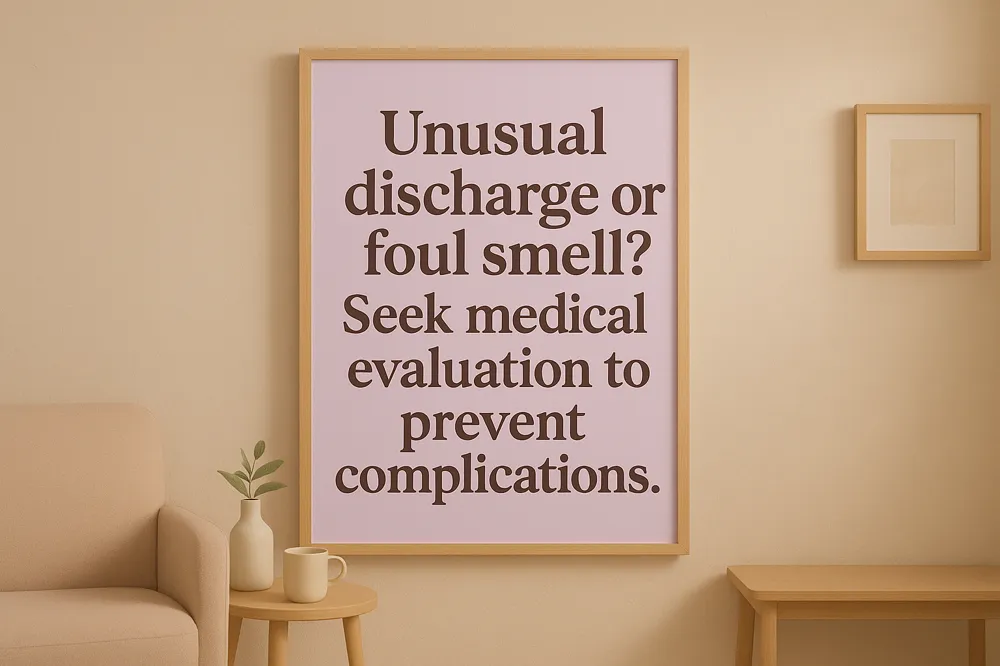
2. Unusual or Foul-Smelling Discharge from the Wound
What Types of Drainage Are Normal After Surgery
After surgery, it is common to see some clear to pale yellow drainage from the incision site during the initial healing phase. This type of discharge is typically minimal to moderate and reflects the normal inflammatory process where fluids help clean the wound.
Signs of Infection Including Pus and Discoloration
However, the presence of pus or discolored drainage in wounds—a thick, cloudy, or discolored drainage—indicates an abnormal condition. Such drainage often signals infection that may delay wound healing and cause further complications. Red or greenish drainage is also a warning sign that needs medical attention.
Presence of Foul or Strong Odors Indicating Bacterial Activity
Another critical indicator of infection is a foul odor from surgical wounds. This odor is usually unpleasant and can be described as putrid, sickly sweet, or ammonia-like. It suggests bacterial activity at the surgical site and should not be ignored.
Differentiating Between Expected and Abnormal Drainage
While mild redness and slight swelling with non-offensive drainage can be part of the healing, worsening redness, increased swelling, strong odors, and thickened discharge are abnormal. Identifying these differences early helps in seeking timely medical care and prevents serious infection. Refer to Signs your surgical wound isn’t healing for details.
What Does Foul-Smelling Drainage from a Surgical Wound Signify?
Foul-smelling or greenish discharge from surgical wounds usually indicates infection and should prompt medical evaluation to ensure proper treatment and prevent complications.
3. Persistent or Increasing Pain at the Incision Site

Understanding Post-Surgical Pain and When It Signals Complications
After surgery, some pain or discomfort near the incision site is expected as part of the normal healing process. This pain usually diminishes gradually over days to weeks.
However, persistent or increasing pain that does not improve or actually worsens despite prescribed medications may signal complications such as infection or nerve irritation. This type of pain is unusual and should not be ignored. Pain and swelling at incision sites
Nerve irritation around the wound can cause sharp, shooting, or burning sensations, whereas infection-related pain often accompanies redness, warmth, swelling, or discharge. Signs your surgical wound isn’t healing
When to Seek Medical Help
If pain at the surgical site intensifies, lasts longer than expected, or is accompanied by other symptoms like fever or foul drainage, it is crucial to contact a healthcare provider promptly. Early medical assessment and treatment can prevent further complications and support a safer recovery. Signs of surgical wound infection
4. Fever and Chills Indicating Systemic Infection

Why are fever and chills alarming after surgery?
Fever and chills post surgery] following surgery often signal that your body is fighting an infection. While mild temperature fluctuations can be normal during recovery, a fever higher than 101°F post-surgery] accompanied by chills is a warning sign of systemic infection. This typically indicates that bacteria from a surgical wound may have entered your bloodstream, which requires urgent medical evaluation.
Post-surgery, such systemic signs] should not be ignored. They may point to complications like wound infection after surgery] that could delay healing or spread to other organs if left untreated. Immediate medical attention helps initiate appropriate treatments, such as antibiotics, reducing the risk of serious consequences.
Recognizing these symptoms early empowers patients to seek timely care, supporting a safer and more effective recovery journey after surgery.
5. Delayed Healing or a Wound That Won’t Close
What does slow or non-healing of a surgical wound indicate?
Slow or non-healing wounds beyond a few weeks may suggest underlying issues like infection, poor circulation, diabetes, or tissue necrosis and should be evaluated by healthcare professionals.
Expected timeline for wound healing stages
Wound healing follows stages: hemostasis (minutes), inflammation (up to 6 days), proliferation (4 days to 1 month), and maturation (weeks to years). Normally, scars mature and strengthen over 6 months to 2 years with diminishing redness and swelling. See details on Surgical cut healing stages.
Causes of slow or impaired healing such as diabetes or poor circulation
Conditions like diabetes impair blood flow and immune response, while poor circulation limits oxygen and nutrient delivery, both delaying healing. Other factors include smoking, obesity, malnutrition, and tension on the wound. More on Poor circulation and wound healing.
When wounds remain open or increase in size
Open or enlarging wounds lasting beyond 2-3 weeks often indicate complications such as infection or tissue damage requiring prompt medical care. Learn about Signs your surgical wound isn’t healing.
Risks of chronic wounds and complications like necrosis
Chronic wounds risk infections, necrosis (tissue death), and serious complications like amputation. Early diagnosis and advanced treatments are essential to promote healing and avoid further harm. See information on Delayed wound healing and complications.
6. Wound Dehiscence: When an Incision Opens Unexpectedly
What is wound dehiscence and how serious is it?
Wound dehiscence occurs when a surgical incision reopens, either partially or completely, exposing internal tissues or organs. This complication poses a serious risk as it greatly increases the chance of infection and other post-surgical complications. Immediate medical attention is crucial to manage this condition effectively. For detailed information, see Wound Dehiscence Definition.
Description and symptoms of wound dehiscence
Symptoms of wound dehiscence include visible opening of the incision, bleeding, broken sutures, increased pain, swelling, redness around the wound, and sometimes fever. Patients may feel a pulling or ripping sensation at the surgery site. More insights on symptoms can be found at Symptoms of Wound Dehiscence.
Possible partial or complete separation of incision
Dehiscence can be partial, where only a small section of the wound reopens, or complete, where the entire incision separates. In severe cases, internal organs may protrude through the wound, requiring emergency surgery. Refer to Complications of Wound Dehiscence for further details.
Risk factors leading to dehiscence including infection and tension on sutures
Infection is the most common cause of wound dehiscence due to bacterial invasion at the surgical site. Other risk factors include medical conditions like diabetes, obesity, anemia, and medications such as corticosteroids. Excessive tension on sutures and poor tissue healing also contribute. For comprehensive information on these risk factors, visit Risk Factors for Wound Dehiscence.
Emergency nature of this complication and required interventions
Wound dehiscence is a surgical emergency. Treatment involves careful wound management possibly with antibiotics, debridement of damaged tissue, and sometimes surgical reclosure. Prevention through proper wound care and avoiding strain during recovery is critical. More about treatment and emergency care is available at Treatment Options for Wound Dehiscence.
7. Fever with Enlarged Lymph Nodes Near the Surgical Site

What is the Role of Lymph Nodes in Infection Response?
Lymph nodes act as filters for harmful substances and are crucial in the body’s immune defense. They trap bacteria and viruses and activate immune cells to fight infection.
What Do Swollen Lymph Nodes Indicate in Post-Op Patients?
Swelling of lymph nodes near a surgical site often indicates that the body is responding to an infection or inflammation. This is a sign that the immune system is actively working to contain and eliminate the wound infection after surgery.
What Symptoms Usually Accompany Lymphadenopathy After Surgery?
In addition to swelling, tender or painful lymph nodes, fever, chills, and redness around the surgical site may occur, signaling a more serious infection requiring attention. These symptoms are among the key Signs your surgical wound isn’t healing.
Why Does This Require Prompt Evaluation?
Fever with enlarged lymph nodes can herald the spread of infection beyond the wound. Immediate medical assessment is essential to prevent complications such as abscess formation or systemic infection. Early intervention with antibiotics and wound care supports recovery and prevents serious outcomes, as highlighted in Symptoms Never to Ignore After Surgery.
8. Signs of Blood Clots: Swelling, Pain, and Tenderness in the Limb
Understanding deep vein thrombosis (DVT) after surgery
Deep vein thrombosis, or DVT, is a serious condition where blood clots form in the deep veins, often in the legs, following surgery. It is a notable post-operative care complication that can arise due to reduced mobility and changes in blood flow.
Symptoms of DVT
Post-surgical DVT typically presents with redness, localized swelling, warmth, and pain or tenderness in the affected limb. These symptoms are important warning signs indicating abnormal blood clot formation. Learn more about the symptoms of deep vein thrombosis.
Potential progression to pulmonary embolism
If untreated, DVT clots can dislodge and travel to the lungs, causing a life-threatening pulmonary embolism. This condition presents with symptoms such as sudden severe shortness of breath after surgery, chest pain, coughing up blood, sweating, and fainting.
Need for immediate medical intervention
Because of its seriousness, any signs of swelling, pain, or tenderness in limbs after surgery require prompt medical evaluation. Early diagnosis and treatment, including blood thinners and compression therapy, are essential to prevent complications and support patient recovery. Refer to information on Deep vein thrombosis after surgery and pulmonary embolism emergency treatment.
9. Shortness of Breath or Chest Pain Indicating Pulmonary Embolism
How clots can migrate to lungs causing pulmonary embolism
After surgery, blood clots may form in the deep veins, particularly in the legs, known as deep vein thrombosis (DVT). These clots can dislodge and travel through the bloodstream to the lungs, causing a blockage called a pulmonary embolism after surgery. This event blocks blood flow and can damage lung tissue.
Symptoms including chest pain, difficulty breathing, coughing blood, fainting
Pulmonary embolism symptoms are sudden and severe, comprising sharp chest pain, trouble breathing, rapid breathing, coughing up blood, sweating, and fainting spells. These signs indicate insufficient oxygen delivery due to blocked lung vessels.
Urgency and severity of the condition
PE is a life-threatening emergency that requires immediate attention. Delaying treatment may result in serious complications or death due to respiratory failure or heart strain.
Immediate medical action required
If pulmonary embolism symptoms occur after surgery, call emergency services at once. Treatment typically involves blood thinners to dissolve clots, thrombolytic therapy, or in severe cases, surgical intervention to restore blood flow and prevent further complications.
How lymphatic drainage massage supports post-surgical recovery
What is lymphatic drainage massage and how does it help in post-surgical recovery?
Lymphatic drainage massage is a gentle, specialized technique that targets the lymphatic system to enhance the removal of excess fluids and toxins from the body. In the context of post-surgical recovery, this massage is usually performed by trained therapists a few days after surgery. It helps reduce swelling and promotes better circulation, which are essential for healing. By stimulating the lymphatic flow, the massage supports the immune system in clearing inflammation caused by tissue trauma (lymphatic drainage massage).
Role in reducing swelling and removing toxins
After surgery, many patients experience edema due to fluid buildup. Lymphatic drainage massage encourages the movement of lymph fluid away from the surgical site, reducing swelling and discomfort. This process also assists in flushing out cellular waste and toxins, preventing complications such as infections and delayed wound healing (post-operative discomforts, delayed wound healing).
Benefits specific to post-surgical edema and fluid buildup
Procedures like breast surgery or liposuction often lead to localized fluid retention that can delay recovery. Lymphatic drainage massage effectively manages this fluid buildup, alleviating pressure on tissues and improving mobility. Patients report decreased pain and accelerated resolution of swelling, which supports earlier return to daily activities (Post-Surgical Recovery Challenges, post-operative care complications).
How it complements compression garments for healing
Compression garments provide external support to surgical areas, controlling fluid accumulation and minimizing tissue movement. When combined with lymphatic drainage massage, which actively stimulates lymph flow, the two therapies work synergistically. This combination enhances healing by optimizing fluid balance and reducing the risk of complications, promoting a smoother and more efficient recovery process (Poor circulation and wound healing, Compression therapy benefits).
The role of post-operative care services for women recovering from cosmetic surgery
How can post-operative care services support women recovering from cosmetic or reconstructive surgery?
Post-operative care services play an essential role in supporting women through their recovery after cosmetic or reconstructive surgery by offering specialized treatments and attentive management. One important aspect is assisting with swollen or sensitive areas through lymphatic drainage massage, which reduces swelling and encourages quicker healing.
Managing dressings and drains is another critical function, ensuring wounds stay clean and protected to prevent infections, which can cause delayed healing or serious complications. Care professionals also ensure medications are taken correctly to control pain and avoid side effects.
Vigilant monitoring of incisions helps detect early signs of infection, such as increasing redness, warmth, unusual discharge, or fever, enabling prompt medical intervention and avoiding severe issues. Encouragement and guidance encourage adherence to recovery protocols, like activity restrictions and hydration, which are crucial for safeguarding healing progress.
Finally, emotional support is integrated into care services, addressing feelings of anxiety or post-surgical depression, which some women experience. Providing compassionate, personalized care creates a safer, more comfortable recovery journey that promotes both physical and emotional wellbeing. For more details on managing such post-surgery discomforts and post-surgical depression, refer to specialized resources. Also, recognizing signs of surgical wound infection early can significantly improve outcomes.
How specialized lymphatic training enhances care in women’s wellness boutiques
How does specialized training in lymphedema and lymphatic therapy enhance the quality of care provided in a women’s wellness boutique?
Specialized training equips practitioners with in-depth knowledge of lymphatic dysfunctions, particularly common post-surgery, allowing for accurate identification and management of conditions such as swelling and impaired circulation. This expertise enables the creation of personalized treatment plans, addressing each client’s unique needs in swelling reduction, lymphatic flow restoration, and skincare.
Practitioners trained in lymphatic therapy understand advanced techniques including manual lymphatic drainage massage and surgical options like Lymphatic Venous Anastomosis (LVA) when indicated. These approaches promote faster wound healing, reduce risks of infections like cellulitis, and improve overall post-surgical recovery. Such benefits relate to managing wound infection after surgery and ensuring better post-operative wound care.
Moreover, specialized training empowers care providers to educate clients thoroughly, setting realistic expectations about symptom management and treatment outcomes. This helps women to be active participants in their recovery journey, fostering empowerment and adherence to care plans.
By combining hands-on expertise with comprehensive education, wellness boutiques deliver holistic, multidisciplinary support that addresses physical symptoms and emotional wellbeing, ultimately enhancing women’s quality of life after surgery or lymphatic health challenges. This approach aligns with addressing common post-surgical recovery challenges and preventing serious complications such as deep vein thrombosis (DVT) and infections.
Benefits of wood therapy and cellulite treatments in post-op wellness
Techniques used in wood therapy
Wood therapy utilizes specially crafted wooden tools to gently massage and stimulate the skin and underlying tissues. These tools are rolled and pressed along targeted areas to improve circulation and mobilize lymphatic drainage massage fluids. This hands-on technique is non-invasive and designed to promote relaxation while enhancing body contour.
Effects on lymphatic flow and circulation
A significant advantage of wood therapy lies in its ability to boost lymphatic drainage and blood flow. By enhancing lymphatic flow, the treatment assists in flushing out toxins and reducing fluid retention often experienced after surgery. Improved circulation nourishes skin cells, supporting faster recovery and healthier tissues.
Role in reducing cellulite and improving skin texture
Wood therapy targets the fibrous connective tissues responsible for cellulite, helping to break down fat deposits and smooth the skin’s surface. This results in firmer, more toned skin with reduced dimpling. Combined with cellulite treatments that focus on improving skin elasticity, these therapies enable better body contouring outcomes.
Overall contribution to detoxification and well-being
Beyond aesthetic benefits, wood therapy and cellulite treatments encourage detoxification through enhanced lymph flow, which supports immune function and reduces swelling. Clients often report a sense of relaxation and improved well-being, making these treatments a valuable part of holistic post-surgical care routines aimed at comprehensive wellness and recovery. For more information on post-surgery discomforts and post-operative care complications, visit the linked resources.
Conclusion: Staying Vigilant to Protect and Promote Your Post-Operative Healing
Recognizing Important Signs
Watching for increasing redness, persistent pain, foul-smelling drainage, fever, and wound opening are vital to catch complications like infection early.
Prompt and Professional Care
Early identification and treatment by healthcare professionals prevent worsening conditions and support effective wound healing.
Following Care Guidelines
Strictly adhering to your surgeon’s instructions, maintaining wound cleanliness, and attending follow-up appointments greatly enhance recovery success.
Holistic Support Benefits
Incorporating holistic therapies, such as proper nutrition, physical therapy, and stress management, helps optimize your body’s healing capacity and wellbeing during recovery.