Women’s Wellness and the Impact of Lymphatic Health
March 16, 2026
5 Signs You Should Never Skip Fibrosis Therapy Post Cosmetic Procedures
March 16, 2026

Introduction to Recovery After Cosmetic Procedures
Understanding the holistic impact of cosmetic surgery on mind and body
Cosmetic surgery affects not only physical appearance but also emotional well-being. The recovery period can bring about sensations like lethargy, brain fog, and emotional sensitivity, often influenced by general anesthesia and surgical trauma.
Emotional and physical challenges faced during recovery
Patients may experience swelling, bruising, and delayed visible results which can trigger feelings of uncertainty and regret. This emotional roller-coaster is common, especially within the first two weeks, alongside physical challenges such as pain, controlled medications, and wound care.
Importance of a comprehensive recovery plan
A thorough recovery approach includes careful pain management, gradual physical activity, proper wound and incision care, and emotional support. Incorporating methods such as lymphatic massage and mindful movement can promote faster healing and emotional stability, boosting successful outcomes.
Key Facts on Post-Surgical Recovery for Women
- Engaging in early, gentle activity such as walking aids in reducing swelling and improving blood circulation.
- Lymphatic therapy, specifically lymphatic massage, encourages detoxification and accelerates healing by stimulating the lymphatic system.
- Postoperative care should follow surgeon’s instructions to manage incisions, medications, and activity restrictions effectively.
- Incorporating mindfulness and emotional self-care helps manage post-surgical blues and enhances mental resilience.
- Therapies like wood therapy and body contouring support lymphatic flow and reduce fibrosis after surgery.
- Proper hydration and nutrition are vital as they support tissue repair and aid lymphatic drainage.
- Cleaning incisions properly and avoiding exposure to bacteria reduce infection risk and facilitate better scar healing.
- Effective pain management includes prescribed medications, cold compresses, and balance of rest and movement.
- Setting realistic expectations about swelling, bruising, and final results helps manage emotional health during recovery.
- Women’s wellness boutiques like Pink & Fancy offer personalized lymphatic, body contouring, and support services for recovery.
1. Embrace Early Gentle Movement to Boost Healing
The Importance of Early Gentle Movement After Surgery
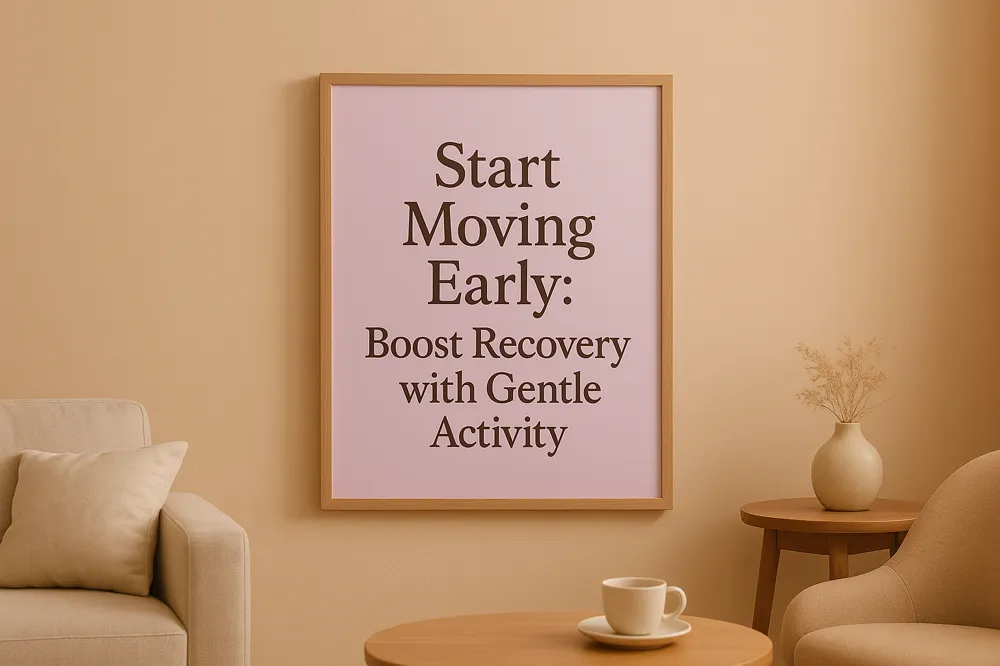
Engaging in early, gentle activity such as walking after surgery shortly after your cosmetic procedure is a beneficial part of recovery. Movement after plastic surgery encourages improved blood circulation, which helps reduce swelling and promotes better lymphatic drainage. This process assists your body in clearing excess fluids and toxins that accumulate post-surgery.
Prevention of Common Post-Surgical Complications
Early movement also plays a vital role in prevent complications after surgery like blood clots, particularly minimize risks of deep venous thrombosis, and helps alleviate constipation, which can result from anesthesia and pain medications.
Mental Health Benefits
Beyond physical benefits, gentle exercise stimulates mood-enhancing brain activity. Walking and other low-impact activities encourage the release of endorphins, supporting mental well-being benefits of exercise post-surgery during the recovery journey.
Guidance for Safe Progression
It is crucial to follow your surgeon’s instructions for recovery regarding exercise progression. Starting with mobility and range-of-motion exercises and gradually increasing activity helps ensure the healing process is supported without risking increased swelling or discomfort.
2. Harness the Power of Lymphatic Drainage Massage

What is lymphatic therapy and how does it benefit women’s wellness?
Lymphatic therapy, particularly lymphatic massage for post-surgery healing, is a gentle manual technique specifically designed to stimulate the lymphatic system. This specialized therapy aids in detoxification by encouraging the removal of excess fluids, toxins, and metabolic waste, which often accumulate following surgical procedures or due to certain health conditions.
For women, this therapy is especially beneficial during post-surgical recovery, helping to reduce swelling (edema), prevent bruising, and improve circulation. By applying light, rhythmic strokes in targeted regions such as the neck, armpits, and groin, lymphatic drainage supports immune function and accelerates tissue healing. It also helps alleviate discomfort and can enhance skin health by reducing puffiness and promoting a radiant complexion. Overall, lymphatic therapy fosters a faster and more comfortable recovery, contributing significantly to women’s holistic wellness.
Techniques and timing of post-surgical lymphatic massage
Postoperative care recommendations in the US indicate that post-surgical lymphatic drainage should begin a few days after surgery, typically within 2 to 3 days depending on individual healing progress and surgeon recommendations. Sessions are usually conducted 3 to 5 times weekly during the initial weeks of recovery.
The technique involves gentle, wave-like, and rhythmic strokes that follow the natural lymphatic pathways to encourage fluid flow and drain stagnant lymph away from surgical areas. Certified therapists for postoperative lymphatic care provide professional manual lymphatic drainage for optimal results. Self-administered lymphatic massage may also be taught to patients for daily continuation, focusing on light pressure to stimulate proximal lymph nodes before moving distally.
Improved circulation, reduced bruising, and pain relief
Benefits of post surgical lymphatic massage include enhanced blood and lymph circulation, which supplies healing tissues with oxygen and essential nutrients. This optimizes tissue repair and reduces inflammation.
By accelerating the clearance of fluids and blood accumulation, the therapy minimizes postoperative bruising and swelling, thus decreasing pain and discomfort. Many patients report feelings of lightness and relaxation after treatment, which also supports emotional well-being during recovery.
Impact on faster tissue healing and scar minimization
Besides reducing swelling, lymphatic therapy promotes faster skin and tissue healing by stimulating lymphatic channels to remodel and form new pathways. This not only shortens recovery time but also decreases the risk of fibrosis after surgery.
Scar appearance can improve as reduced swelling and better lymphatic flow prevent excess scar tissue formation. In procedures such as tummy tucks or facelifts, lymphatic massage contributes to smoother and less noticeable scars.
Professional versus self-administered lymphatic massage
Professional lymphatic drainage is often preferred soon after surgery for its precision and ability to address significant swelling. Skilled therapists can tailor the treatment intensity and areas targeted for each patient’s unique needs.
However, self-administered lymphatic massage taught by professionals is a valuable adjunct, allowing patients to maintain lymph flow daily with simple, gentle strokes. This approach empowers women to actively participate in their recovery journey while maintaining safety and effectiveness.
Incorporating lymphatic drainage massage as part of postoperative care supports women’s physical and emotional recuperation, promoting overall wellness and enhancing surgical outcomes.
3. Prioritize Expert-Directed Post-Surgical Care
How can post-surgical care improve recovery outcomes for women?
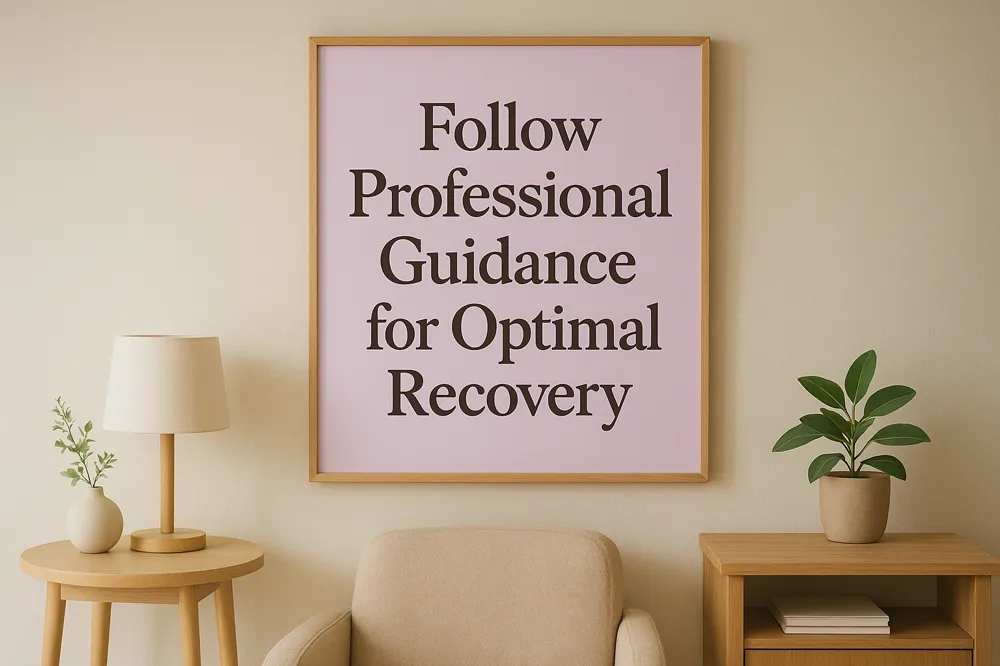
Following the surgeon’s customized Post-operative care instructions is essential for ensuring the best recovery results after cosmetic surgery. These personalized guidelines cover medication management, wound care, activity restrictions, and monitoring healing progress. Taking prescribed antibiotics fully prevents infections, while proper Pain management after surgery helps reduce stress, which can otherwise prolong recovery.
Proper Post-surgical incision care minimizes the risk of complications by keeping incision sites clean, dry, and protected. Patients should manage drains carefully, emptying and measuring fluids as instructed to prevent fluid buildup. Smoking and alcohol use should be avoided because they impair blood flow and delay tissue healing.
Early gentle movement, like walking after surgery, boosts circulation and lymphatic drainage, reducing swelling and stiffness. Rest, hydration, and a nutrient-rich diet support tissue repair and the immune system’s function. Monitoring for warning signs—such as increasing redness, swelling, fever, or unusual discharge—is crucial; seeking prompt medical attention can prevent serious issues.
Together, these expert-directed Post-operative care instructions practices enable a safer, smoother healing process, reducing complications and leading to satisfying long-term outcomes for women recovering from cosmetic surgery.
4. Incorporate Mindfulness and Emotional Self-Care

Addressing common post-op emotional challenges like post-surgical blues
Post-surgical emotional fluctuations are common, with feelings of uncertainty, regret, and mood lows especially prevalent during the first two weeks after cosmetic surgery. These “post-surgery blues” can be triggered by physical discomfort, swelling, and the delayed visibility of final results.
Use of meditation and mindfulness to support emotional well-being
Engaging in mindfulness practices and meditation can help patients manage emotional sensitivity after surgery and stress. These techniques promote relaxation, encourage positive neuroplasticity, and support overall healing, fostering emotional balance during recovery.
Limiting mirror checks and managing expectations
Limiting frequent mirror checks helps prevent unnecessary psychological strain caused by fluctuating swelling and bruising. Maintaining realistic recovery expectations and trusting surgeon expertise, sometimes aided by using pre-op photos for reassurance, can nurture emotional resilience.
Seeking social and professional support during recovery
Having a reliable support system is vital. Connecting with loved ones or healthcare professionals provides reassurance and practical help, mitigating feelings of isolation, especially for those coping with challenges like “post-surgical mom guilt.”
Gradual reintegration into social activities for mental resilience
Between two and six weeks post-surgery, slowly resuming social interactions and daily routines encourages positive emotional adjustment. This gradual re-engagement helps in building confidence and enhances mental well-being benefits of exercise post-surgery throughout recovery.
5. Utilize Specialized Therapies: Wood Therapy and Body Contouring
How do therapies like wood therapy and body contouring contribute to women’s post-surgical wellness?
Wood therapy and body contouring are valuable adjunct treatments that enhance women’s post-surgical wellness by stimulating lymphatic flow and improving circulation. These therapies help reduce swelling and fibrosis after surgery—common complications after surgeries such as liposuction, tummy tucks, or mommy makeovers.
How wood therapy aids in lymphatic flow and circulation
Wood therapy uses specialized wooden tools to apply rhythmic pressure and massage, which manually encourage the drainage of stagnant lymphatic fluid. This process supports the elimination of excess fluids and toxins, reduces inflammation, and promotes better blood flow to the healing tissues. By targeting areas prone to swelling and fibrosis, wood therapy accelerates tissue repair and reduces discomfort. See also: Manual lymphatic drainage in plastic surgery recovery and Benefits of lymphatic massage after plastic surgery.
Role of body contouring in post-surgical recovery
Body contouring techniques complement surgical outcomes by smoothing uneven areas and refining the skin’s texture. These methods often include gentle, targeted massages that break down scar tissue and stimulate collagen production, helping the skin return to a firmer, more uniform appearance. This not only enhances the surgical results but also promotes comfort and mobility during recovery. Related information: Postoperative care for cosmetic surgery and Recovery aid for tummy tucks and mommy makeovers.
Reducing fibrosis, swelling, and improving skin texture
Together, wood therapy and body contouring effectively decrease the buildup of fibrotic tissue and minimize swelling. Their combined action modulates fluid balance and supports the skin’s elasticity, facilitating better scar healing and reduced visible irregularities. Helpful resources: Reducing fibrosis after surgery and Bruising reduction after cosmetic surgery.
Timing and frequency of these therapies post-op
For optimal benefits, these therapies are typically initiated one to two weeks after surgery, once initial healing has started and swelling has begun to subside. Treatment plans usually include multiple sessions spaced over several weeks, tailored to individual recovery progress and surgical type. See more: Timing and frequency of post surgical lymphatic massage and Lymphatic Massage After Tummy Tuck.
Enhancement of surgical results through adjunct treatments
Incorporating specialized therapies like wood therapy and body contouring as part of a comprehensive post-operative care plan empowers women to recover more quickly and comfortably. These gentle, natural techniques complement conventional medical care, fostering improved lymphatic function, enhanced skin health, and more satisfying cosmetic outcomes. Additional insights: Post-op emotional lows and recovery and Successful recovery after cosmetic procedures.
6. Maintain Proper Hydration and Nutrition to Support Healing

Why is drinking adequate water important for post-surgical recovery?
Proper hydration is essential after cosmetic procedures because water helps flush out toxins and supports the lymphatic system’s function. Staying well-hydrated promotes effective lymphatic drainage which reduces swelling and speeds up healing. Drinking at least two liters of water daily is often recommended to encourage toxin elimination and maintain fluid balance.
How does eating nutrient-rich food promote tissue repair?
Consuming a diet rich in lean proteins, vegetables, and anti-inflammatory foods provides the nutrients necessary for tissue repair and skin healing. Nutrient-rich foods supply essential amino acids, vitamins, and antioxidants that facilitate recovery, minimize inflammation, and support the immune system. Nutrition is a key factor in facelift recovery and overall successful recovery after cosmetic procedures.
Why should alcohol and smoking be avoided during recovery?
Alcohol can increase bleeding and swelling, impairing wound healing and potentially causing complications. Smoking restricts blood flow by constricting vessels, delaying tissue repair and raising the risk of infection and tissue death. Avoiding these substances preserves proper circulation and oxygen delivery vital to recovery, in line with post-operative care instructions and smoking cessation and healing guidelines.
How does a balanced diet support immune function?
A balanced diet supports immune health by providing vitamins and minerals like vitamin C, zinc, and iron that strengthen the body’s defenses. An efficient immune system lowers infection risk and contributes to smoother, faster wound healing during post-operative recovery.
What is hydration’s role in lymphatic drainage effectiveness?
Hydration maintains proper lymph fluid consistency, enabling the lymphatic system to efficiently transport waste and excess fluid away from surgical sites. Adequate water intake helps optimize manual lymphatic drainage’s benefits, such as swelling reduction and toxin removal, leading to better surgical outcomes.
7. Take Care of Incisions to Minimize Scarring and Infection Risk
Keeping incision sites clean and dry
Proper post-surgical incision care is essential to minimize the risk of infection and promote optimal healing. Patients should follow their surgeon’s instructions carefully, which typically include cleaning the area 4-5 times daily with a gentle solution such as diluted peroxide mixed with water.
Avoiding swimming and hot tubs in early recovery
Swimming post-surgery precautions, hot tubs, and natural bodies of water should be avoided during the initial two weeks following surgery. These environments can expose healing incisions to bacteria and increase the risk of infection.
Use of ointments and sunscreen to protect healing skin
Application of prescribed ointments or silicone gel sheets helps keep wounds moist, preventing scabbing and promoting better scar outcomes. Once the incision has healed, protecting the area from sun exposure with a broad-spectrum sunscreen (SPF 30 or higher) or physical covering is vital to prevent hyperpigmentation and minimize visible scarring.
Recognizing signs of infection for prompt intervention
Close monitoring for symptoms such as redness, increased warmth, unusual discharge, swelling, fever, or heightened pain is crucial. Early detection of infection enables timely medical intervention, which can prevent complications and support smoother recovery.
Scar massage techniques to improve appearance
After the incision has sufficiently healed, gentle scar massage techniques may be recommended by the surgeon. This technique helps to soften scar tissue, improve flexibility, and reduce visibility, contributing to a more aesthetically pleasing result.
By adhering to these post-operative care instructions, patients can significantly support their healing process while reducing the risk of infection and optimizing scar appearance after cosmetic surgery.
8. Implement Effective Pain Management Strategies

Using Prescribed Pain Medications as Directed
Managing pain effectively is crucial for a smooth recovery after cosmetic surgery. Patients should take prescribed medications exactly as directed by their surgeon to control discomfort and support healing. Proper use of Pain management after surgery reduces stress, which can otherwise prolong recovery time.
Importance of Controlling Pain to Prevent Prolonged Healing
Uncontrolled pain not only affects comfort but may delay the healing process. Adequate pain relief helps patients move and breathe deeply, encouraging circulation and reducing risks like blood clots. Thus, pain control is a foundational part of Post-operative care instructions.
Avoiding NSAIDs Unless Approved by Surgeon
Nonsteroidal anti-inflammatory drugs (NSAIDs) such as aspirin, ibuprofen, and Aleve are generally avoided unless cleared by the surgeon. They can increase bleeding risk and interfere with clotting during critical healing phases. It is important to follow Medication guidance post-surgery and avoid Aspirin and Aleve precautions.
Cold Compress Usage to Reduce Swelling and Discomfort
Cold compresses applied properly can reduce swelling and discomfort, especially within the first 24-48 hours post-surgery. Ice packs should never be placed directly on the skin; rather, use a barrier like a cloth and change packs frequently to avoid skin damage. This aligns with Using ice packs after surgery and Managing swelling with cold compresses.
Balancing Rest and Gentle Movement for Pain Relief
While rest is important, gentle movement like short walks fosters circulation, reduces swelling, and naturally alleviates pain by releasing endorphins. Patients should follow their surgeon’s guidance on activity levels to balance rest with beneficial movement. Refer to movement after plastic surgery and following surgeon’s instructions for recovery for details.
This comprehensive approach to pain management supports both physical healing and emotional well-being during the recovery journey.
9. Set Realistic Expectations and Trust Your Surgeon

Anticipating swelling and bruising duration
Swelling and bruising after cosmetic surgery are normal and typically peak within the first few days, lasting up to six to eight weeks. Patients should understand that swelling and bruising impact may fluctuate and sometimes appear worse before it improves, which is an important part of the healing journey.
Understanding delayed and gradual visible results
Immediate post-surgical appearances can be deceiving as swelling and tissue healing delay the full effects of the procedure. Final results often take months to become apparent, with gradual improvement explaining why patience with facelift swelling is vital during this phase.
Using pre-op photos for reassurance
Reviewing using pre-op photos for reassurance alongside post-surgery progress photos can provide valuable reassurance. These visual aids help patients track their recovery objectively and reinforce trust that their bodies are healing as expected.
Building confidence through surgeon communication
Open, ongoing communication with your surgeon encourages trust and emotional resilience. Understanding the surgical plan, expected recovery course, and potential challenges equips patients to cope with uncertainties. Trusting surgeon expertise is key in this process.
Embracing patience during emotional recovery phases
It’s common to feel emotional lows or disappointment, especially in the first two weeks post-procedure. Recognizing this as a normal phase of post-op emotional lows, maintaining setting realistic recovery expectations, and seeking support can ease emotional fluctuations and foster a confident recovery mindset.
10. Seek Personalized Support at Expert Women’s Wellness Boutiques
What specialized services does a women’s wellness boutique like Pink & Fancy offer for post-surgical support?
Women’s wellness boutiques such as Pink & Fancy provide an array of specialized, personalized services designed to assist women in their post-surgical recovery journey. Key offerings include lymphatic drainage massage, a gentle technique that helps reduce swelling and efficiently drains excess fluids, speeding up healing. Additionally, the boutiques offer body contouring treatments and wood therapy that focus on reshaping and improving circulation in treated areas. Cellulite treatments promote enhanced skin texture and overall wellness.
Each service is tailored to address specific recovery needs, helping to alleviate discomfort and support the body’s natural healing processes. This integrated care helps women regain their confidence and feel supported both physically and emotionally during recovery.
How does combining clinical medical knowledge with personalized care enhance lymphatic and post-surgical treatments?
Integrating clinical expertise with personalized care elevates the effectiveness of lymphatic and post-surgical therapies by ensuring treatments are scientifically grounded yet customized for each woman’s unique recovery profile. This approach considers individual medical history, lifestyle factors, and surgical specifics to craft targeted protocols that address inflammation, swelling, and circulation challenges.
Personalized care boosts patient engagement, improves treatment adherence, and results in faster and safer recovery outcomes. By tailoring interventions like lymphatic drainage and body contouring, wellness experts can better support tissue healing, reduce complications, and enhance emotional wellbeing. Patients benefit from comprehensive care that combines medical precision with compassionate, individualized attention, ultimately promoting both physical healing and mental resilience during their post-surgical wellness journey.
Understanding Lymphatic Therapy and Its Benefits for Women
What is lymphatic therapy and how does it benefit women’s wellness?
Lymphatic therapy, also known as lymphatic drainage massage for fluid balance and toxin removal, is a gentle, manual technique that stimulates the lymphatic system. This system plays a critical role in removing toxins and excess fluid from the body, supporting immune function and maintaining fluid balance. The therapy involves light, rhythmic strokes applied to key areas such as the neck, armpits, and groin, which encourages lymph flow and detoxification.
For women, especially those recovering from surgery or managing conditions like lymphedema, fibrosis after surgery, or chronic venous insufficiency, this therapy offers significant health benefits. It helps to reduce swelling and inflammation, speeds up healing by improving circulation, and alleviates discomfort associated with fluid retention. Facial lymphatic drainage also promotes skin health by reducing puffiness and enhancing blood flow, contributing to a refreshed appearance.
Overall, lymphatic therapy supports women’s physical recovery and enhances their sense of well-being by promoting detoxification and reducing pain. It is a compassionate and effective approach to both post-surgical care and ongoing wellness management.
Final Thoughts on Post-Cosmetic Surgery Recovery Support
Supporting Emotional and Physical Recovery
Recovering from cosmetic surgery involves both emotional adjustments and physical healing. It’s essential to follow your surgeon’s personalized care instructions, manage pain properly, and stay active with gentle movements like walking to promote circulation and reduce swelling.
Importance of Expert Guidance and Personalized Care
Every recovery journey is unique. Trusting your healthcare provider’s expertise and maintaining realistic expectations help build emotional resilience during this period. Professional therapies such as lymphatic massage can significantly enhance healing and reduce discomfort.
Patience and Support Are Vital
Patience during the healing process, combined with self-care practices like mindfulness and proper nutrition, supports smoother recovery. Having a supportive network of friends, family, or caregivers alleviates emotional challenges, empowering you to regain confidence and wellness fully.