Understanding Recovery Timelines for Popular Cosmetic Surgeries
March 16, 2026
Supporting Women’s Wellness Through Every Stage of Cosmetic Recovery
March 16, 2026

Introduction to Post-Operative Healing Challenges and the Role of Massage Therapy
Understanding Post-Operative Healing Challenges
After surgery, many patients face complications such as swelling, pain, scar tissue formation, and limited mobility. These issues arise naturally due to tissue trauma, inflammation, and fluid buildup as the body works to repair itself. If not properly managed, complications like fibrosis, excessive scar tissue, and prolonged swelling can impede recovery and reduce overall comfort and function.
Recognizing Signs of Improper Healing
It’s essential to monitor healing carefully. Warning signs include persistent or worsening swelling, unusual pain, stiffness, redness, or any signs of infection. Early detection of these issues allows for timely intervention, preventing long-term complications such as impaired mobility or chronic pain.
The Role of Massage Therapy in Recovery
Massage therapy plays a vital role in supporting post-surgical healing. Techniques like lymphatic drainage massage help reduce swelling by stimulating lymph flow, promote circulation to deliver nutrients and oxygen, and break down scar tissue to improve tissue flexibility. Additionally, massage reduces muscle tension and supports pain management, enhancing both physical and emotional well-being during recovery. When performed by trained professionals, massage therapy offers personalized care tailored to each patient’s unique healing journey.
Understanding Signs of Improper Post-Operative Healing
Common signs indicating delayed or improper healing
After surgery, some swelling, pain, and stiffness are expected, but these symptoms should gradually improve. Prolonged or worsening swelling beyond the typical healing period can signal lymphatic system and fluid balance disruption or fluid buildup after surgery. Persistent or increasing pain, especially when accompanied by redness or warmth, may indicate infection or internal tissue damage. Stiffness that limits mobility and does not respond to gentle movement can hint at developing post-operative fibrosis overview or scar tissue adhesion.
Symptoms such as prolonged swelling, pain, stiffness, and fibrosis
Fibrosis, characterized by excessive fibrous tissue formation, leads to stiffness, tenderness, and pain at or near the surgical site. This overproduction of collagen impedes normal tissue flexibility and function. Patients may notice swelling that fails to subside or swelling that returns after initial reduction. Unmanaged fibrosis results in reduced range of motion and chronic discomfort, which can impede recovery and quality of life. Massage therapy focused on massage therapy benefits post-operative recovery and massage therapy for fibrosis can help manage these symptoms.
Risks of untreated complications like fibrosis and infections
Ignoring signs of fibrosis or infections can result in long-term complications including chronic pain, permanent loss of mobility, and tissue damage. Infections may spread, requiring more invasive treatments or hospitalization. Fibrosis exacerbates stiffness and may prevent full functional recovery, complicating rehabilitation efforts. Early detection and intervention by healthcare professionals are critical to prevent these outcomes. Avoiding risky post-op treatments and understanding post-op care after surgery are vital.
How does managing swelling contribute to overall wellness and recovery?
Managing swelling is essential for overall wellness and recovery because it helps prevent tissue damage, pain, and discomfort resulting from excessive inflammation. Proper swelling control supports normal circulation and reduces fluid buildup, preventing stiffness and muscle atrophy. Early intervention can avoid serious complications like persistent inflammation and internal bleeding. Chronic swelling impairs mobility and prolongs recovery, so effective management accelerates healing and promotes smoother recuperation. Techniques like Lymphatic drainage massage and use of compression garments for swelling control provide significant benefits in managing postoperative swelling.
Lymphatic Drainage Massage: A Vital Component of Post-Surgical Recovery
What is lymphatic drainage massage and how does it support post-surgical recovery?
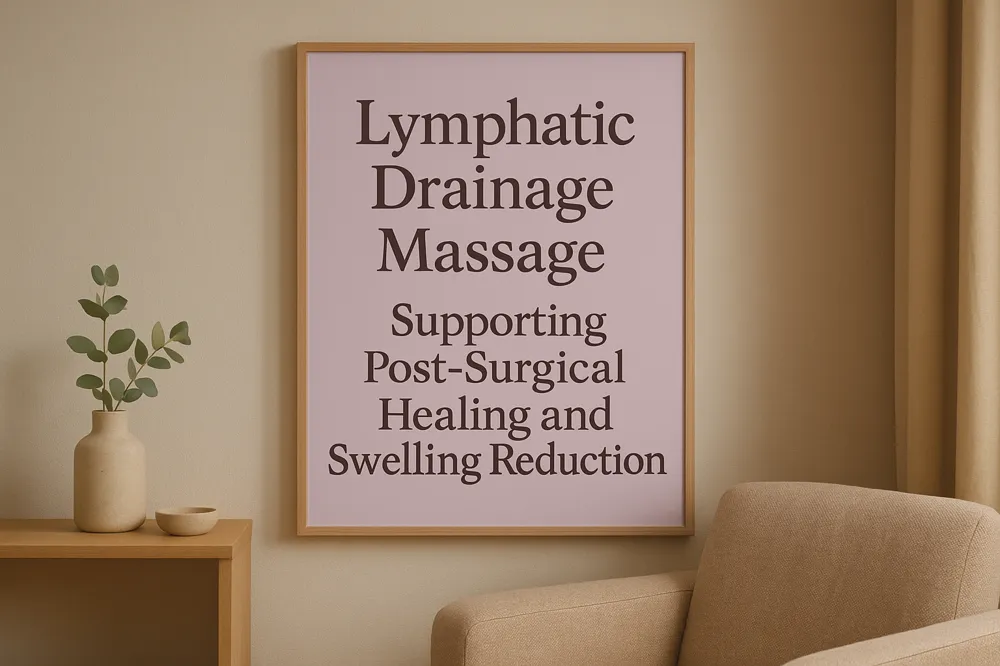
Lymphatic drainage massage, often called manual lymphatic drainage (MLD), is a specialized, gentle massage technique that uses rhythmic, light hand movements to stimulate the body’s lymphatic system. This system helps remove excess fluids, toxins, and metabolic waste from tissues. After surgery, swelling, also known as edema after surgery, can occur due to fluid buildup when the lymphatic system’s natural flow is overwhelmed or disrupted. MLD supports recovery by encouraging lymph flow, which reduces swelling, relieves pain, and promotes faster healing.
How does MLD support lymphatic flow and reduce swelling?
By gently stimulating lymph vessels and nodes, MLD enhances the drainage of excess fluid from the surgical area. This reduces inflammation and the risk of complications such as post-operative fibrosis overview—excess scar tissue formation that can cause pain and stiffness. It also aids in preventing seromas, which are fluid pockets that sometimes develop after surgery. The massage typically starts within 24 to 72 hours after surgery under professional supervision, ensuring it is safe and effective. For detailed guidance, see Guidelines for safe post-op lymphatic drainage.
Specific post-surgical applications after cosmetic and reconstructive surgery
MLD is particularly beneficial following cosmetic surgeries like liposuction, tummy tucks, Brazilian Butt Lifts (BBL), breast augmentations, and mastopexy. These procedures often disrupt normal lymphatic pathways, causing prolonged swelling. MLD helps clear lymphatic congestion, reduces bruising, improves blood circulation, and promotes immune function, all of which may shorten recovery time and improve aesthetic results. It is also recommended after reconstructive surgeries and cancer-related procedures, especially those involving lymph node removal or radiation that affect lymph drainage. Learn more about Lymphatic massage after tummy tuck and Lymphatic Massage in Cosmetic Procedures.
Integration with compression garments and professional guidance
Wearing medical-grade polyurethane lipo foams and compression garments for post-op care complements the benefits of MLD, providing consistent compression that supports fluid movement and tissue healing. These garments should fit snugly without restricting circulation and are typically worn for six to eight weeks post-surgery. Patients should always seek MLD therapy from licensed and certified professionals trained in post-surgical care—see Choosing qualified post-op providers. Many plastic surgeons collaborate with or recommend experienced lymphatic drainage therapists to ensure safe practices. Self-massage methods can be introduced under guidance but must be done cautiously to avoid complications.
Together, lymphatic drainage massage and compression garment use form a crucial part of a personalized, compassionate post-surgical wellness plan that supports women’s health, optimizes recovery, and enhances overall well-being.
Massage Therapy Techniques for Managing Scar Tissue and Fibrosis
Role of Massage in Breaking Down Scar Tissue and Adhesions
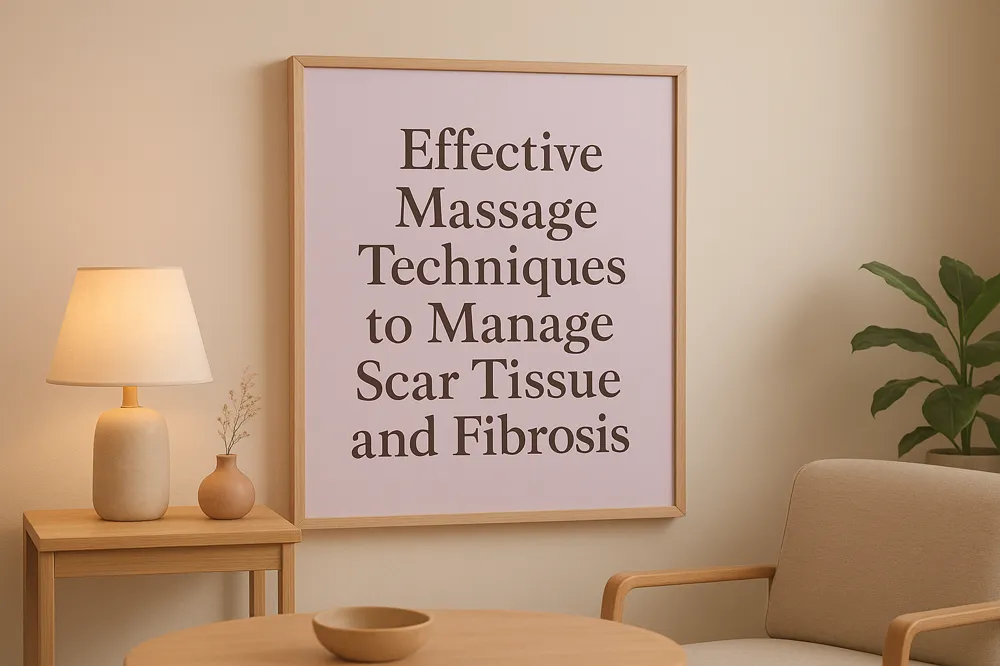
Massage therapy plays a crucial role in post-surgical recovery by breaking down scar tissue and adhesions. Scar tissue can form as the body heals, leading to stiffness, pain, and limited mobility. Through targeted massage, collagen fibers in scar tissue can be realigned, improving tissue flexibility and reducing discomfort. For more details, see Massage therapy benefits post-operative recovery.
Techniques Such as Myofascial Release, Deep Tissue, and Cross-Fiber Friction
Several specialized massage techniques are used to manage scar tissue effectively:
-
Myofascial Release: This technique involves applying gentle sustained pressure to connective tissue restrictions to eliminate pain and restore movement. Learn about Myofascial release for scar tissue.
-
Deep Tissue Massage: Focuses on applying firm pressure to deeper layers of muscle and connective tissue to break down dense scar tissue and relieve muscle tension. See Deep tissue massage benefits.
-
Cross-Fiber Friction: This method involves deep, controlled pressure perpendicular to the direction of scar tissue fibers to disrupt adhesions and promote scar remodeling. Read about Cross-fiber friction for scar appearance.
These methods are carefully applied after the initial healing phase to avoid damage to vulnerable tissues. Guidance on Safety in post-surgical massage therapy is essential.
Impact on Improving Tissue Flexibility, Mobility, and Reducing Pain
Massage therapy aids in restoring range of motion by increasing tissue pliability and promoting circulation. Improved blood flow delivers oxygen and nutrients essential for tissue repair while removing waste products that can cause inflammation. Breaking down adhesions also decreases nerve compression and muscle inhibition, leading to significant pain relief and enhanced mobility. Refer to massage therapy benefits for postoperative inflammation for supporting information.
Long-Term Benefits in Preventing Fibrosis and Post-Operative Stiffness
Regular therapeutic massage can prevent excessive fibrosis — the overproduction of fibrous connective tissue causing stiffness and long-term functional limitations. Early gentle mobilization combined with massage reduces scar hardening and encourages healthier tissue remodeling. This proactive approach helps maintain flexibility, promotes comfort, and supports a more complete functional recovery post-surgery. For a comprehensive overview, see post-operative fibrosis overview.
Personalized Post-Operative Care at Women’s Wellness Boutiques

How does post-operative care at a women’s wellness boutique enhance healing after cosmetic or reconstructive surgery?
Post-operative care at women’s wellness boutiques is tailored to the individual’s surgery type and healing stage to optimize recovery. These specialized centers offer personalized treatment plans that combine gentle post-surgical lymphatic massage, body contouring techniques, and sometimes wood therapy — when appropriate — to target inflammation, fluid retention, and scar tissue formation.
Lymphatic drainage massage is particularly important as it safely stimulates lymph flow, reducing post-surgical swelling and promoting toxin removal without damaging sensitive tissues. Body contouring treatments available at clinics use medically approved methods to smooth recovery by breaking down lumps and hardened areas that can result from surgery.
Expert therapists monitor healing progress closely, adjusting therapies to prevent complications like post-operative fibrosis and infections. They provide guidance on the proper use of compression garments for swelling control that support circulation and tissue regeneration.
By combining several carefully controlled therapies, women’s wellness boutiques create a nurturing environment that supports not only physical healing—reducing pain, swelling, and stiffness—but also emotional well-being. This comprehensive approach ensures patients achieve the best possible aesthetic and functional outcomes after their procedures.
The Importance of Specialized Training for Lymphatic Therapists
What specialized training is important for practitioners offering lymphedema and lymphatic therapy?
Practitioners providing lymphatic and lymphedema therapy must undergo specialized training focused on detailed lymphatic anatomy, physiology of fluid transport, and manual lymphatic drainage (MLD) techniques. This training equips therapists with skills to manage swelling safely and effectively, especially after surgery where lymphatic disruption is common.
Certification programs like those offered by the Lymphology Association of North America (LANA) require candidates to complete approximately 135 hours of accredited coursework covering lymphatic system function, pathology, and treatment protocols. Passing a comprehensive exam validates their competence.
Certified therapists, such as LANA Certified Lymphedema Therapists, maintain up-to-date knowledge on advances in lymphatic care and demonstrate commitment to professional standards. This expertise ensures that post-surgical lymphatic therapy is administered safely, minimizing risks such as tissue damage or infection while maximizing benefits like reduced swelling and enhanced healing.
Choosing a certified lymphatic therapist provides reassurance of safe, effective treatment tailored to individual recovery needs, ultimately supporting better health outcomes and patient comfort after surgery.
Benefits and Considerations of Body Contouring and Wood Therapy in Recovery
What are the benefits of body contouring and wood therapy in women’s wellness?
Body contouring and wood therapy are popular treatments for enhancing women’s wellness by improving body shape and skin texture. These therapies work by breaking down fibrous tissues and fat deposits which helps reduce the appearance of cellulite and smooth the skin.
They promote better circulation and stimulate lymphatic flow which supports detoxification and aids in reducing fluid retention. Wood therapy, in particular, can boost metabolism and provide muscle relief, contributing to overall relaxation and well-being.
Together, these treatments encourage faster healing post-procedure by lowering inflammation and swelling.
Mechanisms that stimulate circulation and lymphatic flow
Both therapies use mechanical stimulation to encourage blood flow and lymphatic drainage. Improved circulation supplies oxygen and nutrients to tissues while facilitating the removal of toxins and excess fluids. This helps decrease swelling and supports the immune system.
Wood therapy applies targeted pressure using wooden tools to gently massage muscles and connective tissues, enhancing blood flow and stimulating the lymphatic system.
Contraindications of wood therapy immediately post-surgery
Although beneficial, wood therapy is not recommended immediately after surgery. Aggressive massage techniques, including wood therapy, can increase inflammation, cause bruising, damage delicate healing tissues, and delay recovery. It should be avoided in the early post-operative phase and only performed under professional guidance once initial healing has progressed.
Role in boosting metabolism, reducing fluid retention, and supporting wellness
Wood therapy’s stimulation of circulation and lymph flow can help accelerate metabolic processes, promoting fat breakdown and reducing fluid buildup. It also aids muscle relaxation and tension relief, which benefits physical and mental wellness.
Incorporated thoughtfully into a recovery plan, these therapies complement other post-surgical care methods such as compression garments for post-op care and lymphatic drainage massage after surgery, contributing to holistic healing and improved body contour.
Optimizing Post-Operative Healing through Expert Massage and Personalized Care
Recognizing Signs of Improper Healing
After surgery, be attentive to unusual swelling, persistent pain, increased redness, or prolonged stiffness, as these signs may indicate complications like infection, fibrosis, or impaired lymphatic flow.
Specialized Massage Techniques Support Recovery
Techniques such as manual lymphatic drainage, myofascial release, and gentle scar tissue massage are vital. They reduce swelling, promote lymphatic drainage, prevent excessive scar tissue, and enhance mobility to facilitate faster, safer healing.
The Value of Certified Therapists and Personalized Plans
Choosing licensed, trained massage therapists ensures safe, effective care tailored to individual recovery stages. Personalized treatment plans, coordinated with medical providers, optimize outcomes and minimize risks.
Seeking Expert Care in Women’s Wellness Centers
Women’s wellness centers offer comprehensive post-op support combining skilled massage therapy and tailored recovery strategies. Expert care in these centers provides nurturing, professional guidance to achieve the best healing results and restore well-being.