
Recovery Timelines for Common Cosmetic Procedures: A Fresh Look
March 16, 2026
Drain Management and Recovery Support: A Patient’s Guide
March 16, 2026

Understanding the Foundations of Cosmetic Surgery Recovery
The Importance of Post-Operative Care
Post-operative care is a vital component of cosmetic surgery, instrumental in promoting optimal healing, minimizing complications, and achieving the best aesthetic results. Carefully following the surgeon’s instructions ensures proper wound healing, reduces the risk of infection, and helps manage pain and swelling effectively.
What to Expect Immediately After Surgery
Patients can expect to feel groggy, tired, and experience some discomfort right after surgery. Swelling, bruising, and mild pain are common and tend to gradually diminish over weeks to months depending on the procedure. Light eating and staying well hydrated support recovery, while monitoring for signs of infection such as fever or excessive swelling is crucial.
The Role of Professional and Companion Support
Having a trusted caregiver or professional support during the first 48 to 72 hours after surgery is strongly advised. This support helps with medication management, daily tasks, and provides emergency assistance if needed. Consistent communication with healthcare providers, attending follow-up appointments, and adhering to personalized instructions form the backbone of a safe and smooth recovery journey.
Key Principles of Post-Operative Care for Women

What is important to know about post-surgery care for women recovering from cosmetic or reconstructive surgery?
Post-surgery care tailored for women recovering from cosmetic or reconstructive procedures is vital for optimal healing, minimizing complications, and achieving the best possible outcomes. Personalized care includes professional lymphatic drainage massage, which plays a significant role in reducing swelling and promoting effective lymph flow. This supports the body’s natural detoxification process and controls inflammation, which are critical to recovery (Post-Operative Instructions, Post-operative care guidelines, Post-operative recovery guide).
Managing swelling and inflammation involves the consistent use of compression garments that provide necessary support and help control fluid buildup (Cosmetic surgery recovery tips, Post-Surgery Recovery Stages). Elevating the surgical area when possible also aids in reducing swelling and discomfort (Post-Surgery Recovery Stages.
Nutrition and hydration are additional pillars of successful recovery; consuming a diet rich in lean proteins, fruits, and vegetables supports tissue repair and strengthens the immune system (Post-Operative Nutrition Guidelines, Importance of hydration and temperature monitoring). Proper hydration ensures efficient cellular function and healing.
Complementing these mainstream approaches, therapies such as body contouring, wood therapy, and cellulite treatments can improve circulation and enhance the aesthetic outcome. Overall, personalized post-operative care led by skilled clinicians emphasizes support, education, and monitoring to ensure long-term wellness and recovery satisfaction (Support system for recovery, Post-Operative Guidelines).
Navigating the Initial Post-Surgery Phase: What to Expect and Avoid

What are typical post-operative expectations immediately after surgery?
Immediately following surgery, patients can expect a period focused on rest and activity restrictions of the surgical area. The body enters an inflammatory phase where normal post-surgical swelling, tenderness, and mild bruising are very common. This process is a normal and necessary part of natural healing as the immune system repairs tissues. Discomfort and soreness may be present but can be managed with taking prescribed pain medications. Gentle movement, as recommended by your healthcare provider, helps prevent complications like stiffness and blood clots. Patients often experience grogginess or tiredness as anesthesia effects wear off, necessitating responsible support and monitoring. For more about managing pain and discomfort during this time, see managing pain and discomfort.
What should patients expect regarding symptoms after surgery such as effects of anesthesia?
Anesthesia commonly leads to temporary symptoms such as muscle aches, sore throat, dizziness, headaches, nausea, and occasional vomiting. These side effects typically resolve within a few days. Because anesthesia can impact cognition and coordination, having a caregiver is crucial during the first 24-48 hours. Patients will be given clear post-surgical care instructions about safe activity levels, medication schedules, and when to contact your healthcare provider. Avoiding alcohol and making no major decisions during the immediate recovery period is also advised to ensure safety.
What should you avoid doing after plastic surgery to ensure proper healing?
To promote proper healing, avoid strenuous activities and heavy lifting for several weeks after surgery, as these can strain healing tissues. Showering or bathing should be delayed according to surgical instructions to reduce infection risk; this includes avoiding baths and swimming after surgery. Smoking cessation for wound healing must be strictly observed since nicotine impairs blood flow essential for tissue repair. Driving is unsafe while taking pain medication or if you do not feel alert enough due to anesthesia effects. Furthermore, minimizing contact with sick people and pets can reduce the chance of infection since the immune system is temporarily weakened during recovery.
What is the role of caregiver support during early recovery?
Having a supportive caregiver during the first 48 to 72 hours is vital. A caregiver assists with post-surgery medication management, helps with mobility and bathroom needs, monitors for any signs of complications, and provides emergency support if needed. This presence ensures that patients adhere to their prescribed recovery protocols with peace of mind. Caregivers also help prevent accidents that could affect the surgical site and provide emotional support during this physically and psychologically demanding time. For more about caregiver support after surgery and communication with your surgeon or healthcare providers post-surgery, please see the linked resources.
Principles of Managing Pain, Positioning, and Hygiene During Recovery
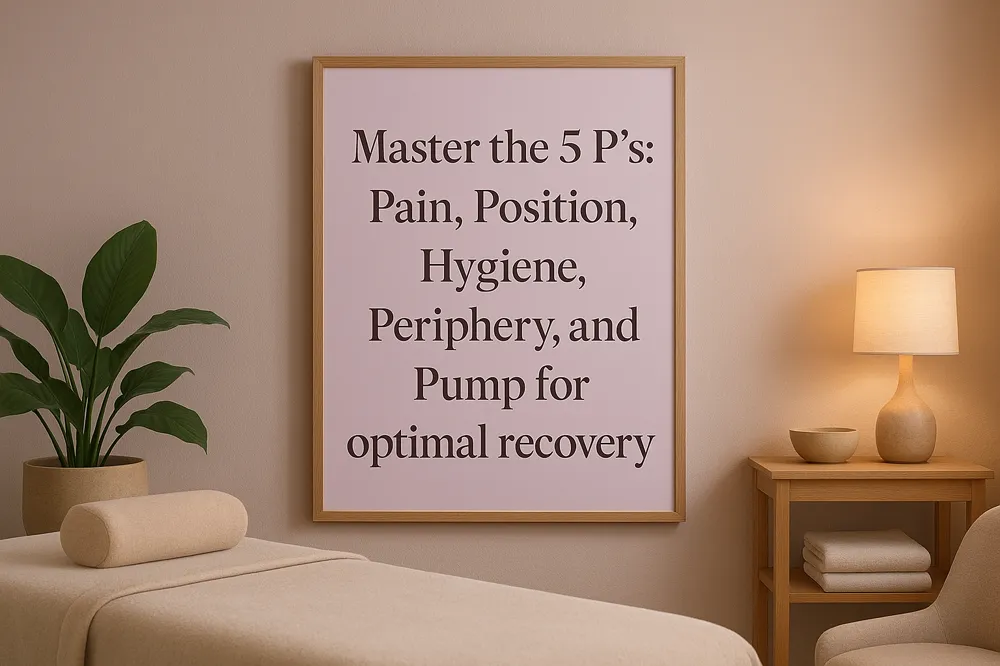
What are the 5 P’s of post-operative care?
The 5 P’s—Pain, Position, Personal Hygiene, Periphery, and Pump—form a foundational approach to successful post-operative care guidelines and recovery.
Pain Management Techniques
Effective pain control is vital to facilitate healing and comfort. Patients should take taking prescribed pain medications exactly as directed, often with food, to reduce nausea. Alternatives like nerve blocks or non-opioid medications may also be used. Proper pain management prevents complications such as immobility or respiratory issues.
Proper Positioning for Circulation and Comfort
Positioning after surgery improves circulation and minimizes risks of complications like bedsores and pneumonia. Patients should be encouraged to gently washing surgical area, change positions gently, with attention to comfort and support. Elevating limbs or surgical sites may reduce swelling and discomfort.
Maintaining Hygiene and Environmental Accessibility
Maintaining personal hygiene lowers infection risk, especially when mobility is limited. Proper wound care instructions, such as changing bandages regularly and gentle cleaning, should be followed carefully. Ensuring essential items are within reach—supporting environmental periphery—helps promote independence, reduces frustration, and enhances psychological well-being.
Monitoring Medical Devices (Pump)
For patients using infusion pumps or drains, frequent monitoring and proper care are critical. Post-operative dressing and drain care involves keeping track of output and functionality to ensure safe medication delivery and early detection of potential issues.
These principles collectively support a compassionate, comprehensive Post-operative care support recovery tailored to individual needs.
Timeline and Tips for Recovery to Optimize Healing

How long does it typically take to recover from common cosmetic surgeries?
Recovery durations vary depending on the surgical procedure and individual healing factors. Typically:
- Rhinoplasty recovery timeline and breast augmentation: Around 6 weeks until most patients feel back to normal.
- Breast reduction and tummy tuck: Approximately 2 months for substantial healing.
- Facelifts and liposuction: Recovery can take up to 3 months, with swelling steadily decreasing over this time.
During the initial days and weeks, patients often experience swelling, bruising, soreness, and fatigue. Swelling may persist and gradually resolve for months, sometimes up to a year after more extensive procedures.
How can one speed up healing after plastic surgery?
Facilitating faster healing requires a combination of medical adherence and supportive care:
- Follow all Post-Operative Instructions carefully, including medication schedules and wound care.
- Use lymphatic drainage massages early in recovery as recommended to reduce swelling and improve fluid drainage.
- Wear compression garments diligently to aid in swelling control and skin contouring.
- Maintain good hydration and consume a balanced diet rich in proteins, vitamins, and minerals.
- Avoid smoking and alcohol, as these can impair tissue repair.
- Rest well, but also engage in gentle movement like walking to boost circulation.
- Keep regular follow-up appointments for your surgeon to monitor healing and intervene promptly if complications arise.
Why is follow-up and monitoring important?
Consistent follow-up ensures healing is progressing as expected, helps identify infections or complications early, and allows for personalized adjustments to care plans. It also offers patients reassurance and access to professional support during their recovery journey.
What role does nutrition and physical activity play in recovery?
Nutrition supports tissue repair, reduces inflammation, and strengthens immune function. A diet rich in lean proteins, fruits, vegetables, and adequate fluids is essential.
Physical activity, carefully introduced under surgeon guidance, improves blood flow, reduces swelling, and prevents stiffness. Gentle walking soon after surgery is typically encouraged, balancing rest with movement to optimize recovery without risking injury.
Key Aftercare Practices to Support Long-Term Wellness and Results
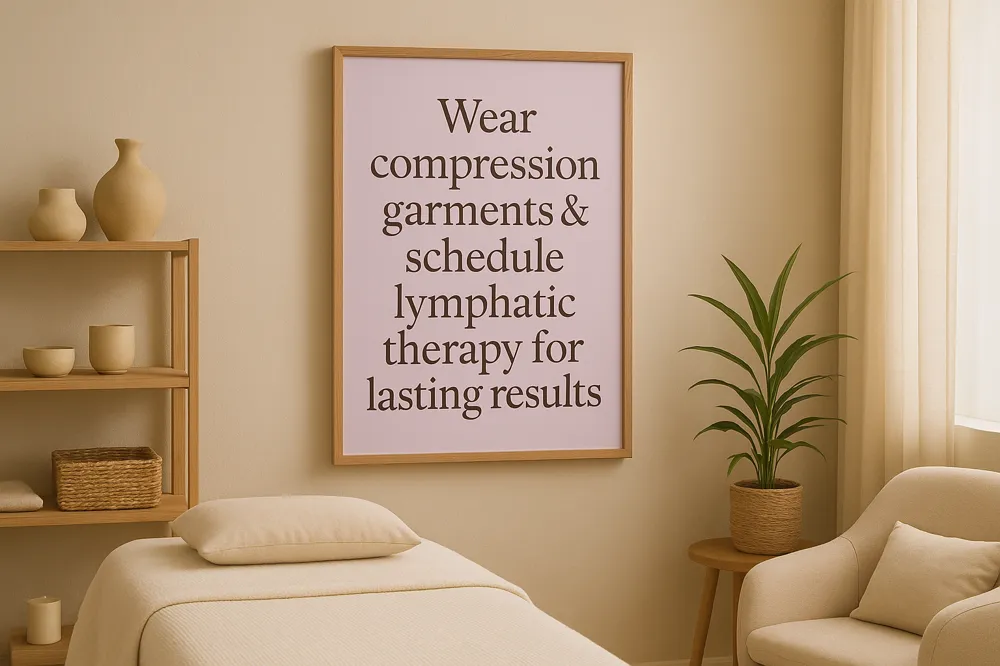
How do compression garments and lymphatic therapy aid in recovery?
Compression garments play a vital role in post-operative care guidelines by controlling swelling, supporting tissue healing, and helping skin conform to new contours. Patients are usually advised to wear these garments nearly 24 hours a day for several weeks, gradually reducing usage over 4 to 6 weeks. Meanwhile, lymphatic drainage massages benefits , recommended to begin within the first few days after surgery, facilitate the removal of excess fluid and waste, promoting reduced swelling and smoother healing. Together, these therapies help minimize risks such as seromas, support optimal aesthetic results, and accelerate recovery.
Why is avoiding smoking and harmful substances important?
Smoking and surgery risks significantly impair wound healing by increasing risks of infection, bleeding, and unfavorable surgical outcomes. Patients are strongly encouraged to quit smoking before surgery well before surgery and continue abstinence throughout recovery. Additionally, the avoidance of certain medications like ibuprofen or aspirin, unless approved by the surgeon, and the restriction of alcohol—especially while on pain medications—helps prevent complications and supports tissue repair as outlined in Medication and alcohol precautions.
What emotional challenges might patients face during recovery?
Recovery often brings a range of emotional responses including stress, frustration, mood swings, and, in some cases, postoperative depression. Recognizing and accepting these feelings as part of healing is important. Emotional Well-Being After Surgery impacts physical recovery, so patients benefit greatly from compassionate support systems and open communication with healthcare providers to manage these challenges effectively.
How important is communication with healthcare providers post-surgery?
Clear, ongoing communication with your surgeon post-surgery ensures timely identification of any complications and provides reassurance during the recovery process. Patients should promptly report symptoms such as persistent pain, increased swelling, bleeding, fever, or unusual discharge. Follow-up appointments are essential to monitor healing progress and adjust care as necessary. This personalized care approach empowers patients, supports their safety, and enhances their long-term wellness and surgical outcomes.
Empowering Your Journey to a Smooth Cosmetic Surgery Recovery
Vital Principles for Post-Surgical Recovery
Successful cosmetic surgery recovery rests on careful adherence to post-operative care. This includes managing pain with prescribed medications, using compression garments, keeping wounds clean, and avoiding strenuous activities. Proper hydration, nutrition, and rest are essential to support healing.
Commitment to Aftercare Instructions
Following your surgeon’s personalized instructions is crucial. Completing prescribed antibiotics, monitoring for signs of infection, and attending all follow-up appointments help prevent complications and promote the best outcomes. Avoiding smoking and alcohol during recovery enhances tissue repair.
The Importance of Support and Self-Care
Having supportive care in the initial 48-72 hours ensures medication compliance and emergency readiness. Self-care practices such as gentle movement, temperature monitoring, and emotional well-being management contribute to a smoother healing process. Open communication with your healthcare team provides reassurance and timely intervention if needed.
By embracing these principles with compassion and professionalism, you empower your recovery journey and optimize your wellness after cosmetic surgery.