
Maintenance Treatments That Enhance Your Cosmetic Surgery Results
March 16, 2026
Body Contour Massage vs Machine-Based Treatments: Which One Works Better?
March 16, 2026

The Vital Link Between Women’s Wellness and Post-Surgery Recovery
Embracing Holistic Post-Surgical Care for Women
Post-surgery recovery, especially after procedures like hysterectomy or joint replacement, requires more than just physical healing. Holistic care addresses physical, emotional, and social wellness, creating a balanced approach that supports complete recovery. This involves pre-surgical counseling to prepare emotionally, comprehensive pain management, physiotherapy, and hormonal support when necessary.
Emotional and Physical Wellness: Pillars of Recovery
Emotional wellness significantly impacts recovery pace and quality. Stress and anxiety can delay healing by impairing immune function, whereas emotional support, optimism, and realistic goal-setting encourage adherence to rehabilitation plans. Physical wellness, maintained through adequate hydration, nutrition rich in lean proteins and vitamins, and early mobilization, fosters tissue repair and reduces complications.
Modern Recovery Methods: Integrating ERAS and Beyond
Enhanced Recovery After Surgery (ERAS) protocols revolutionize surgical care by standardizing practices to reduce recovery time and complications. These include minimizing fasting, preoperative carbohydrate loading, and multimodal pain control that reduces opioid use. Therapies such as lymphatic drainage massage aid in swelling reduction and immune support, complementing traditional rehabilitation techniques. Together, these modern approaches underscore the importance of personalized, compassionate care in women’s post-surgical wellness.
Enhanced Recovery After Surgery (ERAS): Revolutionizing Postoperative Healing

What is enhanced recovery after surgery (ERAS) and what are its key components?
Enhanced Recovery After Surgery (ERAS) is a modern, evidence-based approach aimed at improving surgical outcomes and speeding up recovery times. Originating in Europe in 2001 and now embraced by many U.S. hospitals, ERAS protocols at UCHealth standardize care across surgical teams to reduce variability and promote best practices.
Key components of ERAS include thorough preoperative patient education to empower individuals about their surgery and recovery journey. Nutritional optimization involves preoperative carbohydrate loading and minimized fasting before surgery to reduce insulin resistance and enhance comfort. Multimodal analgesia techniques focus on reducing opioid use in surgery by using non-narcotic pain management in ERAS, spinal blocks and nerve pain medications, leading to better pain control with fewer side effects.
Early mobilization post-surgery and early diet resumption after surgery are critical aspects that support organ function and reduce complications. This multidisciplinary approach integrates anesthesiology, surgery, nursing, nutrition, and physiotherapy teams working cohesively to tailor care for each patient.
What are the benefits of ERAS?
Patients benefiting from ERAS programs often experience significantly shorter hospital stays after surgery—such as nearly 90% of hysterectomy same-day discharge rates patients returning home the same day—and decreased postoperative complications. For instance, average hospital stays following colorectal surgery recovery improvements have been reduced from nearly six days to less than four. Minimizing opioid use lowers risks related to narcotic side effects and promotes a faster return of bowel function and overall wellbeing.
In summary, ERAS revolutionizes postoperative healing by combining comprehensive preoperative preparation, advanced pain management, and coordinated multidisciplinary care to promote faster recovery after surgery with improved patient experiences.
Lymphatic Therapy and Its Role in Accelerated Healing

What is lymphatic therapy and what conditions is it beneficial for?
Lymphatic therapy, including manual lymphatic drainage (MLD), is a gentle and specialized massage technique designed to stimulate the lymphatic system. Performed by trained therapists, MLD encourages the drainage of excess lymph fluid through healthier lymphatic pathways. This helps to reduce swelling and inflammation often seen after surgeries or in conditions like lymphedema, which is chronic swelling usually caused by lymph node removal or damage.
Beyond reducing swelling, lymphatic therapy enhances immune function and supports the body’s natural detoxification processes. It is especially beneficial for individuals recovering from breast cancer surgery, cosmetic procedures, and those experiencing post-surgery swelling. Facilities such as Pink & Fancy in San Jose, CA, offer personalized lymphatic treatments that promote faster healing and overall wellness.
What are some effective exercises to stimulate lymphatic drainage?
Certain exercises can promote lymphatic flow and complement lymphatic therapy. Deep diaphragmatic breathing is foundational, helping to stimulate lymph movement through rhythmic pressure changes in the chest.
Other effective exercises include:
- Shoulder rolls and arm circles to encourage upper body lymph flow
- Calf raises, ankle circles, and leg lifts to activate lymph circulation in the lower limbs
- Low-impact activities such as walking, swimming, and water aerobics that use muscle contractions and hydrostatic pressure to enhance drainage
- Gentle bouncing or rebounding on a mini-trampoline to create a pumping effect
Perform these exercises gradually, ideally twice daily and combined with mindful breathing. Always consult with a healthcare professional before starting these activities, particularly when managing post-surgical recovery or lymphedema.
Benefits of lymphatic therapy
Lymphatic therapy provides multiple benefits that can support accelerated healing and improved health:
- Reduced inflammation and swelling: By moving stagnant lymph fluid, therapy helps ease tissue tightness and discomfort.
- Improved immune function: Stimulating lymph nodes enhances their filtering capacity, helping the body fight infections effectively.
- Enhanced detoxification: Facilitated lymph flow aids in removing toxins and metabolic waste.
- Pain relief and stress reduction: Gentle massage promotes relaxation and may alleviate neuropathic symptoms.
Lymphatic therapy is a valuable addition to holistic post-surgical care, helping patients recover more comfortably and regain function efficiently.
Nutrition and Lifestyle: Cornerstones of Effective Post-Surgical Recovery
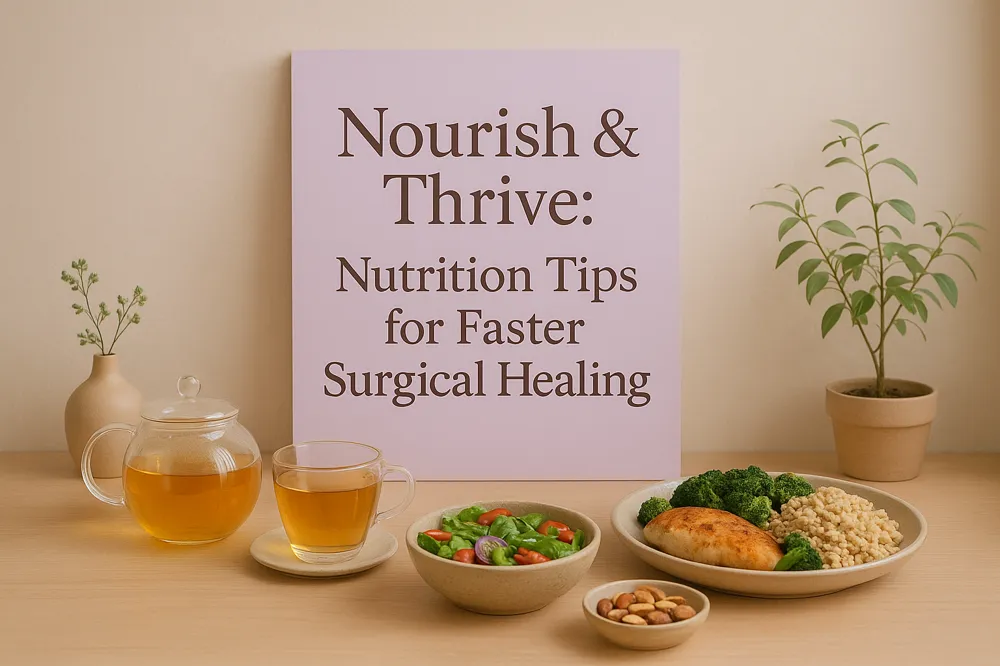
What dietary choices help the body heal faster after surgery?
Eating a nutrient-rich, well-balanced diet is fundamental for supporting tissue repair and reducing inflammation after surgery. Focus on incorporating a variety of fruits, vegetables, and whole grains that supply essential vitamins and minerals. These nutrients help rebuild tissues and maintain gut health.
Hydration plays a critical role in recovery by improving blood circulation, facilitating cellular repair, and helping the body detoxify waste products. Drinking plenty of water supports skin elasticity and speeds wound healing.
Limiting processed foods, unhealthy fats, and fried items can reduce inflammatory responses, enabling the body to heal more efficiently. Mindful eating practices such as consuming smaller, frequent meals and savoring each bite can reduce digestive discomfort and enhance nutrient absorption.
How can one speed up the healing process after surgery?
Optimizing healing involves not only nutrition but also specialized therapies and lifestyle choices. Lymphatic drainage massage is a beneficial post-operative therapy that helps reduce swelling and supports lymphatic circulation.
Rest is essential to allow the body to focus energy on recovery, while gentle, doctor-approved movement prevents stiffness and promotes fluid flow without compromising the surgical site.
Avoiding smoking and alcohol is critical since these substances impair immune function and increase the risk of surgical complications.
Maintaining stress control through relaxation techniques and adequate sleep further supports immune health and accelerates tissue repair.
By combining nutrient-dense foods, proper hydration, targeted therapies, and healthy lifestyle habits, women can significantly enhance their post-surgical recovery.
The Integral Role of Emotional Wellness in Healing and Rehabilitation

How Does Emotional Health Affect Physical Recovery After Surgery?
Emotional wellness in post-surgical recovery is deeply intertwined with physical healing after surgery. Patients who maintain a positive mindset and resilience tend to experience faster wound healing and report less pain. Stress and negative emotions can impair immune function, increase inflammation, and delay recovery. Thus, managing emotions is as vital as attending to physical wounds.
Why Is Stress Management and Psychological Support Important During Recovery?
High stress levels elevate hormones like cortisol, which suppress the immune system and slow tissue repair. Anxiety can amplify pain perception and disturb sleep, further hindering recovery. Psychological support, including counseling and social connections, reduces isolation and helps patients cope, improving adherence to rehabilitation plans.
What Strategies Can Help Manage Stress and Maintain Motivation?
Mindfulness practices, deep breathing, and guided imagery effectively alleviate stress and anxiety during recovery. Setting small, achievable rehabilitation goals fosters motivation and builds confidence. These approaches enable patients to engage actively and positively in their healing process.
How Does Social Support and Professional Mental Health Care Contribute to Recovery?
Strong social support networks help reduce feelings of loneliness and encourage perseverance through setbacks. For patients facing emotional challenges, professional mental health care provides valuable tools to navigate post-surgical psychological hurdles and prevent long-term issues.
Why Is Recovery Important After Surgery and What Are Its Benefits?
Recovery is crucial for minimizing pain, swelling, and inflammation while promoting wound healing and reducing scarring. It enhances circulation, range of motion, and strength, helping patients regain independence in daily activities. Personalized rehabilitation supports functional mobility and prevents muscle weakening.
How Can Patients Make Recovery More Enjoyable and Mentally Engaging?
Creating a comforting environment with activities such as reading, mindfulness, and creative pursuits can nurture emotional well-being. Staying connected with loved ones provides essential emotional support. These measures make recovery less isolating and more uplifting.
| Aspect | Role in Recovery | Benefits |
|---|---|---|
| Emotional Health | Enhances immune response and healing | Faster recovery, less pain |
| Stress Management | Lowers harmful hormone levels | Improved tissue repair, better sleep |
| Psychological Support | Reduces isolation and anxiety | Increased motivation, better rehab adherence |
| Mindfulness & Goal Setting | Provides tools for relaxation and focus | Maintains positivity, aids progress |
| Social Support & Mental Care | Offers emotional encouragement and coping | Prevents long-term psychological problems |
| Physical Rehab & Pain Control | Restores function and minimizes complications | Regains independence, improves strength |
Practical Tips and Essential Care for Women’s Post-Surgery Success
What are the ‘5 P’s’ of post-operative care and how do they contribute to recovery?
The “5 P’s” of post-operative care—Pain, Position, Personal Hygiene, Periphery, and Pump—form a comprehensive framework to support a successful recovery after surgery.
- Pain: Effective pain management after surgery reduces discomfort and encourages early movement, helping prevent complications like blood clots.
- Position: Proper positioning minimizes swelling and supports healing by promoting good circulation and reducing pressure on surgical sites.
- Personal Hygiene: Keeping surgical areas clean helps prevent infection and promotes overall health.
- Periphery: Monitoring circulation, sensation, and skin color in limbs helps detect issues such as impaired blood flow or nerve damage early.
- Pump: Using compression devices or pumps supports lymphatic drainage massage and reduces swelling, fostering better circulation and faster healing.
Together, these elements help create a holistic and structured healing environment that enhances recovery speed and reduces risks.
What are essential medical supplies needed at home for post-surgery care?
Patients should have a well-prepared medical kit with:
- Sterile gauze pads of various sizes for dressing wounds and cleaning.
- Non-stick dressings to protect incisions and avoid disrupting fragile healing tissues.
- Medical tapes, including paper, silk, and hypoallergenic options, to secure dressings gently without skin irritation.
Having these supplies readily available ensures safe wound care and reduces infection risks during home recovery.
How important is home preparation and safety?
Preparing your home before surgery is vital. Declutter spaces, secure rugs, and install grab bars if needed to prevent falls. Make essentials like medication, water, and entertainment accessible to reduce strain and support independence. Creating a dedicated, comfortable recovery area helps manage rest and healing more effectively.
How to use medical supplies and manage mobility aids?
Proper use of mobility aids like walkers or canes reduces strain on healing areas. Dressings and drains require careful handling: wear loose-fitting, button-up clothing to avoid disturbing surgical sites and use pillows to support limbs during rest. Following healthcare provider instructions on drain care is critical to prevent infection. For more tips on post-surgery drain care and mobility, see post-surgical drain care tips and post-surgery drain care tips with clothing and exercises.
What are thoughtful support ideas for recovery?
Emotional and practical support boosts healing. Offer help with daily tasks, encourage hydration, assist with mobility, and provide gentle reminders for prescribed exercises and hygiene. Compassionate presence and patience during the healing journey are invaluable for recovering women. Learn more about the role of emotional wellness in post-surgical recovery.
Empowering Women Through Informed Recovery and Wellness Practices
Holistic, Personalized Post-Surgical Care
A comprehensive recovery plan addresses physical healing, emotional wellness, and lymphatic health, acknowledging each woman’s unique needs. Personalized care includes tailored therapies, hormonal management after procedures like hysterectomy, and nutrition guidance for enhanced healing.
Education and Support for Empowerment
Educating women pre- and post-surgery equips them to understand bodily changes and actively participate in their recovery. Emotional support through counseling and community connection fosters resilience, promoting optimism and adherence to recovery plans.
Integrating Physical, Emotional, and Lymphatic Care
Combining physical therapies such as early mobilization and lymphatic drainage massage with psychological support ensures well-rounded healing. This integration reduces swelling, pain, and emotional stress while enhancing overall well-being and confidence, leading to improved surgical outcomes.