When Should You Seek Professional Help During Recovery?
March 16, 2026
How Lymphatic Massage Supports Healing After Cosmetic Procedures
March 16, 2026
The Importance of Addressing Seromas in Post-Surgical Recovery
Understanding Seromas
Seromas are collections of clear, straw-colored fluid that accumulate under the skin in areas where tissue has been removed during surgery. They commonly develop about 7 to 10 days after procedures such as breast surgeries, hernia repairs, and cosmetic operations. These fluid pockets form due to disruption of lymphatic and vascular drainage, leaving behind a ‘dead space’ that allows fluid to build up.
Impact on Recovery
While many seromas resolve spontaneously within a few weeks, some may persist for months, potentially delaying the healing process. Larger or persistent seromas can cause discomfort, swelling, and limited mobility, particularly if they impede shoulder movement after breast surgery. Additionally, untreated seromas increase the risk of wound complications like infections, abscess formation, and wound opening, which can significantly affect overall recovery.
Why Timely Management Matters
Addressing seromas promptly through appropriate post-surgical care—such as compression, gentle heat application, and, when necessary, medically guided fluid drainage—supports optimal healing. It helps minimize pain, reduces the chance of infection, and prevents complications that may otherwise prolong recovery or require further surgical intervention. Effective seroma management is thus a vital component of comprehensive post-operative wellness tailored to support women’s health outcomes.
What Are Seromas and Why Do They Form?

What is a seroma and what is it made of?
A seroma is a pocket of clear, yellowish fluid—mainly serous fluid and lymphatic fluid—that accumulates under the skin after surgery. This fluid collects in spaces left by tissue removal or disruption.
Which surgeries commonly result in seromas?
Seromas frequently develop after surgeries involving tissue removal or extensive dissection, such as breast cancer surgery (mastectomy or lymph node removal), abdominoplasty (tummy tuck), hernia repair, liposuction, and cosmetic or reconstructive breast procedures.
Why do seromas form?
They arise primarily due to disruption of lymphatic and vascular vessels during surgery, which impairs normal drainage. The resulting “dead space” allows fluid to collect, especially when lymph vessels are severed or damaged.
Who is more at risk?
Risk factors include older age, extensive or prolonged surgeries, early removal of surgical drains, use of blood-thinning medications, obesity, smoking, diabetes, prior radiation therapy, inadequate compression post-surgery, and a history of previous seroma formation.
What signs indicate a seroma?
Seromas typically develop 7 to 10 days after surgery, presenting as soft, sometimes tender swellings under the skin. They may feel fluid-filled and look like cysts. Discharge of clear fluid from the incision can occur. Symptoms can include local discomfort or limited movement if near joints.
What is lymphatic care and why is it important for women’s wellness?
Lymphatic care, such as manual lymphatic drainage (MLD), supports the lymphatic system’s role in removing toxins, excess fluids, and waste. For women, it promotes healing after surgery by reducing inflammation and swelling, aids in hormone regulation by eliminating excess hormones, and enhances overall immune function. This personalized therapy improves circulation, helps prevent complications like seromas, and boosts emotional and physical health during recovery and long-term wellness.
When and How Seroma Drainage Is Performed
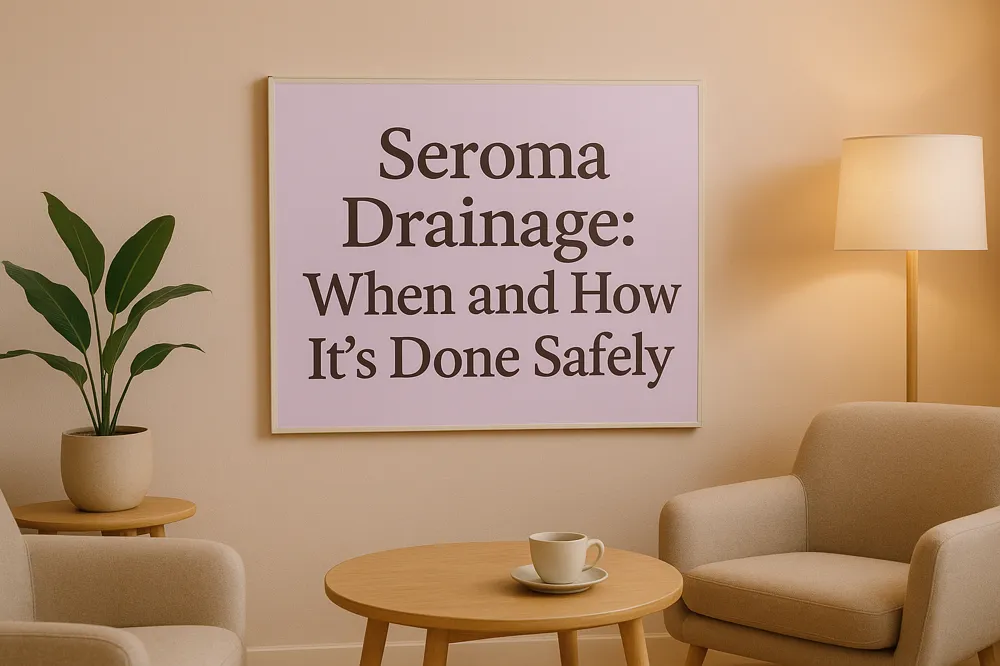
When Is Medical Intervention Necessary for Seromas?
Seromas often develop about 7 to 10 days after surgery and can resolve naturally within a month. However, medical intervention is indicated when seromas become large, painful, or cause functional impairment such as restricted movement. Signs warranting drainage include persistent swelling, discomfort, fluid accumulation exceeding 75-100 ml, or infection symptoms like redness, warmth, and fever (Seroma aspiration risks and management).
How Is Seroma Aspiration Performed?
Seroma aspiration is a minimally invasive procedure where a sterile needle and syringe are used to withdraw excess serous fluid from under the skin. This procedure is typically performed in a clinical or hospital setting under aseptic conditions to prevent infection. Patients may need to wear compression garments after aspiration to reduce recurrence (Postoperative seroma management).
Why Is Ultrasound Guidance Important?
Ultrasound imaging is often used during aspiration, especially for periprosthetic seromas (near implants) or complex fluid collections. It helps precisely locate the fluid pocket, guides needle placement, and minimizes risk to surrounding structures. This enhances both safety and efficacy of the procedure.
What Are the Risks and Possible Complications?
While aspiration is generally safe, risks include:
- Infection at the puncture site
- Bleeding or hematoma formation
- Injury to nearby nerves or blood vessels
- Implant damage in breast reconstruction cases
- Rarely, pneumothorax if performed near the chest wall
Patients are advised to monitor for increased pain, swelling, redness, or unusual discharge following drainage (Seroma aspiration complications and care.
Why Is Follow-Up Important?
Because seromas can recur, follow-up appointments are essential for monitoring the surgical site. Sometimes multiple aspirations may be needed over weeks or months for persistent or recurrent seromas. In rare cases where aspiration does not resolve the issue, surgical intervention may be considered. A multidisciplinary care team, including surgeons, nurses, and radiologists, supports ongoing management to promote healing and prevent complications (Multidisciplinary approach to seroma management.
Post-Surgical Lymphatic Drainage: Enhancing Seroma Recovery
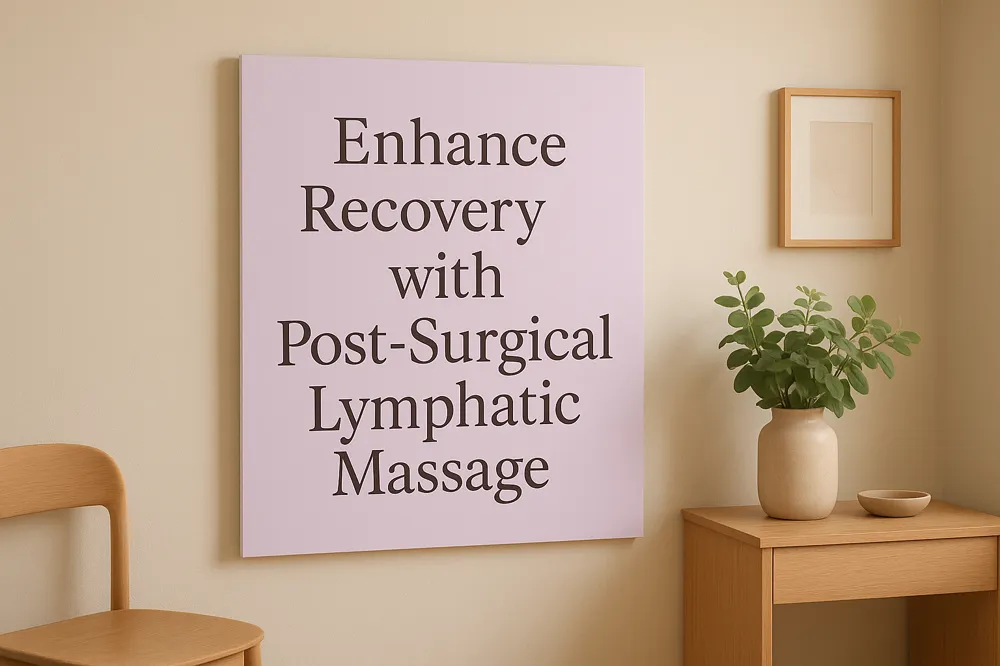
How can post-surgical lymphatic drainage massage aid in recovery?
Post-surgical lymphatic drainage massage is a gentle, targeted therapy designed to stimulate the lymphatic system, promoting the drainage of excess fluid that often accumulates after surgery. This fluid buildup, known as a seroma, can delay healing and cause discomfort. By encouraging lymph flow, the massage helps reduce swelling and inflammation, effectively clearing away fluids, toxins, and cellular debris from the surgical site.
The stimulation of lymphatic vessels assists in resolving seromas more efficiently, preventing complications such as infection or fibrous capsule formation. This therapeutic approach supports better circulation and eases soreness, which contributes to improved mobility and overall comfort during recovery.
Lymphatic drainage is typically integrated with the use of compression garments, which help maintain pressure on the tissues to further limit fluid accumulation. The combined effect of massage and compression not only accelerates fluid reabsorption but also supports skin adherence and reduces the risk of seroma recurrence.
While lymphatic drainage can be initiated a few days to weeks post-surgery depending on individual healing, consistent therapy aids in lowering inflammatory responses and promoting faster tissue repair. Many surgeons in the United States recommend this approach as part of comprehensive postoperative seroma management to optimize recovery, especially after procedures like abdominoplasty, liposuction, or breast surgery where seromas are common.
By integrating lymphatic massage into the healing process alongside routine care, patients often experience shorter recovery times, reduced discomfort, and improved cosmetic outcomes.
Comprehensive Services to Support Post-Operative Healing and Seroma Prevention

What types of services does a women’s wellness boutique typically offer to support post-operative healing?
Women’s wellness boutiques provide a holistic range of services tailored to support healing after surgery. Central to their offerings is manual lymphatic drainage (MLD), which reduces swelling and accelerates fluid removal, helping patients recover more comfortably from surgeries such as Brazilian Butt Lift (BBL), liposuction, and breast augmentation.
These boutiques also educate patients on important aspects like proper incision care, correct compression garment fitting, and techniques to manage swelling effectively. This education is vital to prevent complications such as seroma formation, infection, and delayed healing.
In addition to lymphatic therapy, boutique services often include body contouring and cellulite reduction treatments. These therapies complement healing by promoting improved skin texture, reducing tissue fibrosis, and minimizing scarring.
How does body contouring complement lymphatic care in women’s wellness?
Body contouring works synergistically with lymphatic care to enhance both the healing process and aesthetic outcomes. Techniques like manual massage and microcurrent therapy improve blood circulation and skin tightening, which accentuates the results of fat reduction procedures like CoolSculpting.
Lymphatic drainage further aids by removing excess fluid and metabolic waste, reducing postoperative swelling and discomfort. When combined, these therapies support smoother skin, more natural body contours, and faster recovery times.
Why is personalized and multidisciplinary care important?
Each patient’s post-operative needs vary depending on the type of surgery and individual health status. Personalized care plans ensure interventions are tailored for optimal results and safety.
Furthermore, a multidisciplinary approach involving surgeons, nurses, therapists, and wellness experts fosters comprehensive support. This collaboration enhances patient education, monitoring, and management, ultimately improving recovery and minimizing complications.
By integrating education, therapeutic treatments, and personalized care, women’s wellness boutiques deliver an effective pathway to restore health, appearance, and confidence after surgery.
Who Benefits Most from Specialized Lymphatic Therapy?

Who benefits the most from specialized lymphatic therapy?
Specialized lymphatic therapy is particularly beneficial for women recovering from cosmetic or reconstructive surgeries, especially those experiencing swelling or lymphedema and seroma. It plays a vital role in breast cancer recovery, where lymph node removal often increases the risk of lymphedema. Early and targeted lymphatic drainage massage for seroma can prevent the worsening of this condition, reducing discomfort and promoting faster healing.
Patients with primary or secondary lymphedema—whether caused by surgery, trauma, infection, or genetic factors—also experience substantial improvements. Through gentle manual lymphatic drainage (MLD) and customized compression therapy, lymphatic function is optimized, helping to manage swelling and improve circulation.
Beyond treatment, lymphatic therapy supports detoxification and skin health. Many individuals use it as a preventative wellness tool to promote long-term lymphatic system health, enhance circulation, and maintain balanced fluid levels in the body.
Ultimately, specialized lymphatic therapy offers personalized care that addresses the needs of those with lymphatic dysfunction, post-surgical swelling, or anyone aiming to improve their overall circulatory and immune wellness.
Promoting Recovery and Wellness Through Expert Seroma Management
Understanding the Role of Seroma Drainage and Lymphatic Care
Effective management of seromas is crucial for recovery after surgery. While some seromas resolve naturally, many require drainage to alleviate discomfort and prevent complications. Techniques like manual lymphatic drainage (MLD) support lymphatic function, reduce swelling, and promote healing by encouraging the movement of fluid through the lymphatic system.
The Value of Professional and Multidisciplinary Care
Seroma management benefits greatly from a coordinated team approach involving surgeons, nurses, radiologists, and specialized therapists. This multidisciplinary care ensures proper diagnosis, safe drainage procedures, and ongoing monitoring to minimize risks such as infection and recurrence.
Personalized Support for Optimal Healing
Every patient’s recovery journey is unique. Women are encouraged to seek personalized seroma management plans tailored to their surgical history, overall health, and wellness goals. Timely intervention, combined with expert guidance, fosters better healing, reduces anxiety, and supports long-term wellbeing.
| Aspect | Importance | Impact on Recovery |
|---|---|---|
| Seroma Drainage | Relieves pain and prevents infection | Promotes faster wound healing |
| Manual Lymphatic Drainage | Enhances lymph flow, reduces swelling | Supports tissue repair and reduces complications |
| Multidisciplinary Care | Provides comprehensive treatment | Improves safety and personalized outcomes |
By embracing expert seroma management and lymphatic support, women can confidently navigate postoperative care and enhance their wellness journey.