Maintaining Results with Regular Lymphatic Treatments Post-Surgery
March 16, 2026
How Lymphatic Massage Facilitates Healing After Cosmetic Surgery
March 16, 2026

Understanding the Importance of the Lymphatic System in Women’s Health
The lymphatic system: an overview
The lymphatic system is a vital network of vessels, lymph nodes, and organs such as the spleen, thymus, and tonsils. It transports lymph fluid, a clear substance containing white blood cells, proteins, and fats, through the body. This system serves as a critical defense mechanism by filtering harmful substances and pathogens through lymph nodes, particularly concentrated in areas like the neck, armpits, and groin.
Immune defense and fluid balance
The lymphatic system plays a dual role in protecting immune health and maintaining fluid balance. It effectively traps bacteria, viruses, and abnormal cells, enabling lymphocytes to neutralize infections. Additionally, it returns excess tissue fluid to the bloodstream, preventing swelling or edema, a process crucial for women’s health, especially for those recovering from medical procedures.
Post-surgical recovery and wellness
In the context of surgery, particularly breast cancer treatments involving lymph node removal, the lymphatic system’s role becomes even more significant. When disrupted, it can lead to conditions such as lymphedema, characterized by swelling and discomfort. Techniques such as manual lymphatic drainage (MLD) and controlled exercises support lymphatic flow, helping reduce swelling and accelerate healing. The use of compression garments also aids recovery by supporting tissue and promoting fluid drainage.
By understanding and supporting the lymphatic system, women can enhance their immune resilience, manage recovery processes effectively, and nurture overall wellness through tailored care and informed lifestyle choices.
How Lymphatic Drainage Massage Facilitates Post-Surgical Healing

What is lymphatic drainage massage and how does it support post-surgical recovery?
Lymphatic drainage massage, also known as manual lymphatic drainage (MLD), is a specialized, gentle technique that uses light, rhythmic massage movements to stimulate the body’s lymphatic system. This system is responsible for transporting lymph fluid, which contains immune cells, proteins, and waste products, from tissues back into the bloodstream. Following surgery, the lymphatic system can be temporarily overwhelmed, causing swelling, stiffness, and discomfort. MLD supports recovery by encouraging the movement of excess lymphatic fluid away from the surgical site, reducing swelling and inflammation.
Mechanisms by which MLD reduces swelling and inflammation
MLD enhances lymphatic vessel contractions and promotes the opening of alternate lymphatic pathways. Its gentle massage improves interstitial pressure, allowing protein-rich lymph fluid to be resorbed more effectively. This process prevents tissue hardening (fibrosis) and minimizes the risk of fluid stagnation, which can lead to pain and infection. By improving circulation and promoting toxin removal, lymphatic drainage helps accelerate healing and supports immune function.
Integration of MLD with compression therapy for optimal results
Post-operative care often includes the combined use of MLD and compression garments or bandaging. Compression garments provide consistent external pressure, which helps prevent fluid accumulation by supporting lymphatic and venous return. When paired with MLD, this combination enhances fluid drainage, reduces the likelihood of seroma formation, and contributes to improved contour and comfort. Patients are generally advised to wear compression garments continuously for several weeks after surgery while engaging in regular MLD sessions.
Common surgical scenarios where MLD is beneficial
MLD is particularly valuable after surgeries that disrupt lymphatic flow, including breast cancer surgeries involving lymph node removal, liposuction, abdominoplasty, facelifts, and body contouring treatments. Women recovering from these surgeries often experience lymphatic fluid buildup causing swelling and discomfort. Incorporating MLD into their recovery plan helps ease symptoms, promotes sustainable lymphatic rerouting, and improves overall surgical outcomes.
| Aspect | Description | Benefits |
|---|---|---|
| Manual Lymphatic Drainage | Gentle massage stimulating lymphatic fluid movement | Reduces swelling, inflammation, and fibrosis |
| Mechanisms | Enhances vessel contractions, opens alternate pathways, improves absorption | Prevents tissue hardening, reduces infection risk |
| Compression Therapy | External pressure using garments for swelling control | Supports fluid return, prevents seromas, enhances contour |
| Surgical Applications | Breast surgery, liposuction, facelifts, abdominoplasty | Speeds healing, improves comfort, supports immune health |
Personalized Post-Operative Care: The Boutique Approach to Women’s Wellness

How does post-operative care at a women’s wellness boutique differ from traditional medical care?
Post-operative care at a women’s wellness boutique offers a distinct, personalized experience that goes beyond the traditional medical model. Unlike standard care, which often centers on clinical management and essential recovery monitoring, boutique care provides a holistic and tailored approach that focuses on healing, reducing inflammation, and promoting emotional well-being.
What makes the boutique treatment model holistic and focused on healing?
Boutique care integrates specialized therapies such as manual lymphatic drainage (MLD) massage to reduce swelling and enhance lymph flow, body contouring treatments to improve surgical outcomes, and advanced technologies like red light therapy for tissue repair and inflammation control. This model addresses the whole person, considering physical recovery, comfort, and emotional support to foster optimal healing.
How are patient comfort and emotional support enhanced in this setting?
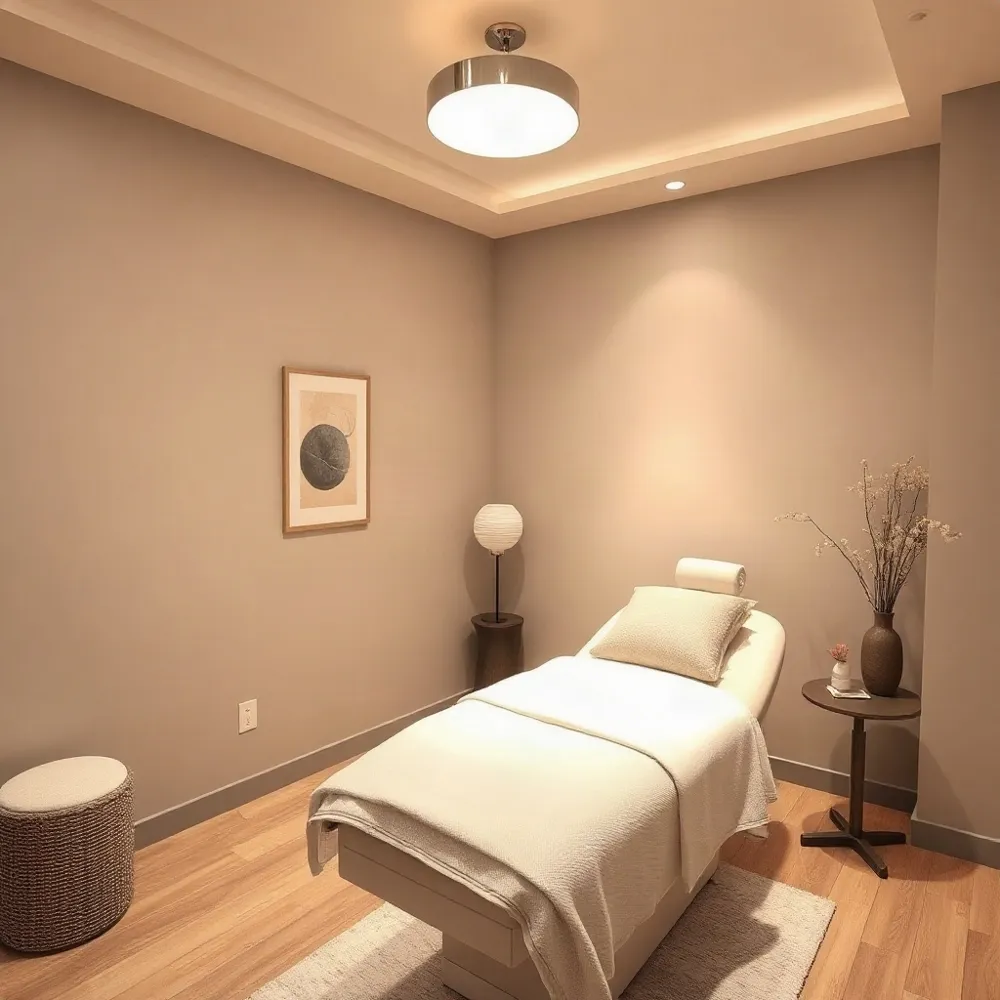
Facilities often feature private recovery suites equipped with soothing amenities such as calming music, comfortable surroundings, and personalized care plans. The atmosphere encourages relaxation and reduces stress, which is beneficial for recovery. Concierge-like services facilitate direct communication with practitioners, ensuring responsive care tailored to each patient’s unique journey.
Why is integrating these therapies important?
By combining clinical expertise with targeted therapies, boutique post-operative care helps prevent complications like tissue hardening and persistent swelling. It accelerates healing, mitigates discomfort, and supports patients mentally and physically, resulting in improved aesthetic results and greater satisfaction.
This personalized, compassionate model redefines recovery by placing women’s wellness at the center of post-surgical care, offering an effective and supportive path to restoration.
The Role of Body Contouring and Wood Therapy in Lymphatic Health and Recovery

What are some common benefits of body contouring treatments after surgery?
Body contouring treatments provide several important benefits following surgery. They reshape and tone targeted areas, offering a more balanced and proportionate appearance by removing excess skin and fat. This results in a smoother and more natural body silhouette.
Beyond aesthetic improvements, body contouring supports recovery by promoting better blood circulation and enhancing lymphatic drainage. These effects help reduce post-surgical swelling and speed up healing, improving patient comfort and mobility. Additionally, eliminating loose skin can alleviate irritation and hygiene issues, contributing to overall wellness.
Together, these benefits not only improve physical appearance but also aid in restoring bodily function, supporting a more confident and healthier post-surgical outcome.
How can wood therapy assist in cellulite reduction and lymphatic health?
Wood therapy, or maderotherapy, uses specially crafted wooden tools to massage and sculpt the body. This technique is believed to improve circulation and stimulate lymphatic drainage, which is essential for detoxification and reducing tissue swelling.
While scientific evidence is limited, many clients report that wood therapy helps break down fat deposits and diminishes cellulite appearance by encouraging collagen production and enhancing connective tissue health. The increased lymphatic activity can facilitate toxin elimination and decrease fluid retention, contributing to smoother, firmer skin.
Besides physical effects, the soothing massage provided by wood therapy can reduce stress, indirectly supporting skin and immune health. This non-invasive approach is considered a safe complement to conventional lymphatic care and body contouring regimens, making it a popular option for those seeking holistic wellness after surgical procedures.
Who Can Benefit Most from Specialized Lymphatic and Post-Surgical Care?
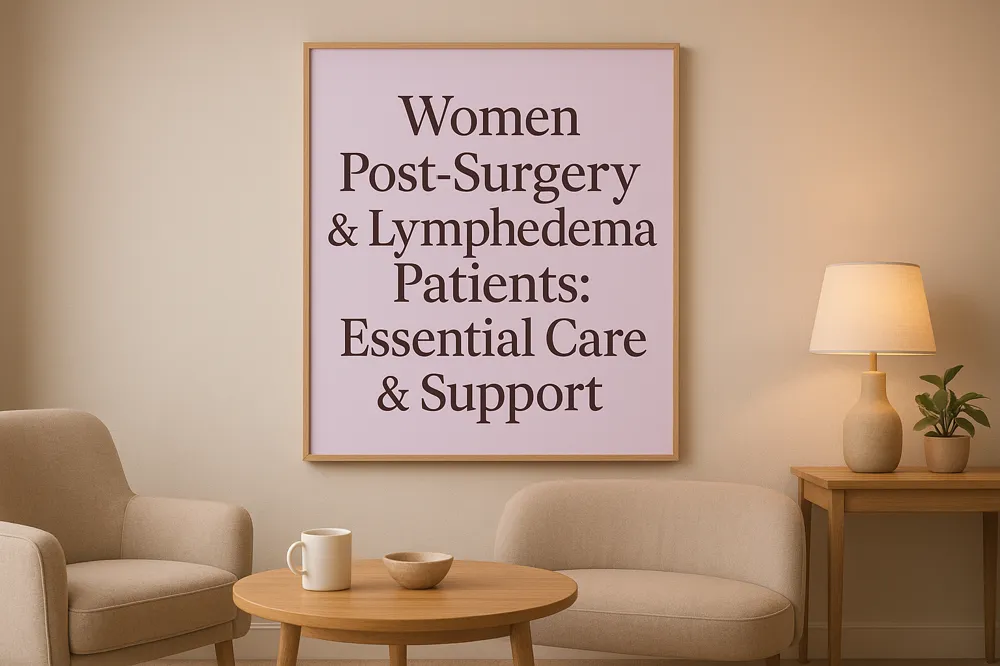
Who would benefit most from lymphatic and post-surgical care services offered at women’s wellness boutiques?
Women recovering from cosmetic or reconstructive surgeries are prime candidates for lymphatic and post-surgical care. These services, such as manual lymphatic drainage (MLD) and other lymphatic therapies, work to reduce swelling and fluid retention that commonly follow procedures like breast augmentation, liposuction, abdominoplasty, or mastectomy. Post-surgical swelling can delay healing and cause discomfort; specialized lymphatic care supports faster recovery by promoting lymph flow and improving circulation in affected areas.
Women who have undergone cancer treatments—including surgery, radiation, or chemotherapy—that impact the lymphatic system are also key beneficiaries. These treatments can disrupt lymph drainage and cause lymphedema, a chronic swelling condition. Early management of lymphedema through MLD, compression, and exercise helps prevent progression and reduces symptoms such as heaviness, tightness, and tissue hardening.
Beyond recovery and lymphedema management, lymphatic therapies provide additional benefits such as aiding detoxification by facilitating the removal of waste products and toxins. Improved lymph flow enhances skin texture and tone, decreases inflammation, and supports immune health.
Women seeking comprehensive post-surgical support, reduction of chronic swelling, or enhanced overall wellness will find these treatments valuable. Personalized care plans at women’s wellness boutiques focus on tailored therapy to meet individual needs, promoting comfort and optimizing healing outcomes.
In summary, specialized lymphatic and post-surgical care serve women recovering from surgery or cancer treatment, those managing lymphedema, and women focused on restoration and detoxification. These therapies offer a compassionate, professional approach to support well-being and accelerate recovery.
Essential Lifestyle Practices to Support Lymphatic Health and Recovery

Why Is Hydration Important for Lymphatic Flow?
Maintaining proper hydration is fundamental for lymphatic system health. Lymph fluid, which is rich in proteins and vital for immune defense, depends on adequate water intake to flow effectively through lymph vessels. Hydration helps prevent lymph stagnation and supports the removal of toxins and waste products from tissues. Importantly, drinking water does not worsen lymphedema, and staying well-hydrated is advised especially during recovery or when managing Lymphatic System Overview.
How Do Regular Exercise and Deep Breathing Promote Lymph Movement?
Exercise and deep breathing are natural stimulators of lymphatic system function. Since the lymphatic system lacks a central pump like the heart, muscle contractions during physical activity propel lymph through vessels. Gentle, gradual exercises tailored to the individual’s needs can significantly reduce swelling and improve drainage. Deep diaphragmatic breathing creates pressure changes that enhance lymph circulation, which can be performed comfortably while sitting, standing, or lying down. More about Exercise and Lymphedema and Exercises for Lymphedema Relief.
When Should Compression Garments Be Worn During Physical Activity?
Wearing compression garments during physical activity is an important preventive measure for individuals at risk of lymphatic swelling, such as those with lymphedema. Compression sleeves, stockings, or specialized garments apply graded pressure on limbs to assist lymphatic drainage and help avoid fluid buildup during exercise. Gradual progression and professional guidance ensure safety and effectiveness in incorporating compression into daily activities. See more on Post-Surgical Swelling Explained.
Why Is Early Detection and Continuous Management of Lymphedema Crucial?
Early signs of lymphedema include heaviness, swelling, and changes in clothing fit, which should prompt timely consultation with healthcare providers. Early detection is critical since interventions like Manual lymphatic drainage (MLD), exercise, and compression therapy are most effective before irreversible damage occurs. Continued management involving tailored exercises, skin care, and monitoring reduces the risks of complications such as infections and tissue fibrosis.
What Self-Care and Prevention Practices Should Patients Learn?
Patient education empowers safe self-care, including performing prescribed Manual lymph drainage exercises, maintaining hygiene, protecting limbs from injury, and recognizing early symptoms. Activities like gentle self-massage under professional instruction, regular movement, and hydration are recommended. Avoiding repetitive strain, sunburn, or trauma to affected areas also reduces lymphedema risks. Healthcare guidance ensures customized routines that respect individual tolerance and promote sustained Lymphatic system overview.
Empowering Women Through Lymphatic Health Education and Care
The lymphatic system plays a vital role in women’s recovery and overall wellness by maintaining fluid balance, supporting immune defense, and facilitating toxin removal.
Early detection of lymphatic issues, such as lymphedema, is crucial since timely intervention with tailored treatments like manual lymphatic drainage and personalized exercises significantly enhances outcomes.
Boutique-level care that combines clinical expertise with compassionate therapies offers women a comprehensive approach to healing. Such care emphasizes individualized plans that address unique patient needs, integrating techniques to reduce swelling, promote lymph flow, and prevent long-term complications.
Women are encouraged to seek professional guidance to develop customized lymphatic health plans. This support enables them to safely incorporate therapies, adopt healthy lifestyle habits such as hydration and exercise, and receive ongoing education.
The ultimate goal of lymphatic health care is to restore bodily balance, reduce inflammation and tissue swelling, and promote lasting wellness, empowering women to confidently manage their recovery and maintain optimal health.