Supporting Women Through the Emotional Rollercoaster of Cosmetic Recovery
March 23, 2026
8 Proven Strategies to Optimize Your Healing Process After Cosmetic Surgery
March 25, 2026

Why Red‑Flag Awareness Matters
Early detection of post‑operative red‑flag symptoms dramatically improves outcomes by allowing swift treatment of life‑threatening issues such as pulmonary embolism, deep‑vein thrombosis, or surgical‑site infection. While mild swelling, low‑grade fever, or occasional discomfort are normal parts of the body’s inflammatory response, true red flags—sudden severe shortness of breath, fever ≥ 101 °F (38.3 °C), worsening pain uncontrolled by prescribed medication, foul‑smelling drainage, or incision dehiscence—signal complications that require immediate medical attention. Personalized post‑op care, including individualized education on what is expected versus what is alarming, daily temperature checks, and tailored activity plans, empowers women to monitor their recovery confidently. By integrating clear guidance, regular follow‑up, and compassionate support, patients can recognize warning signs early, contact their care team promptly, and protect their health and healing journey.
Common Physical Red Flags
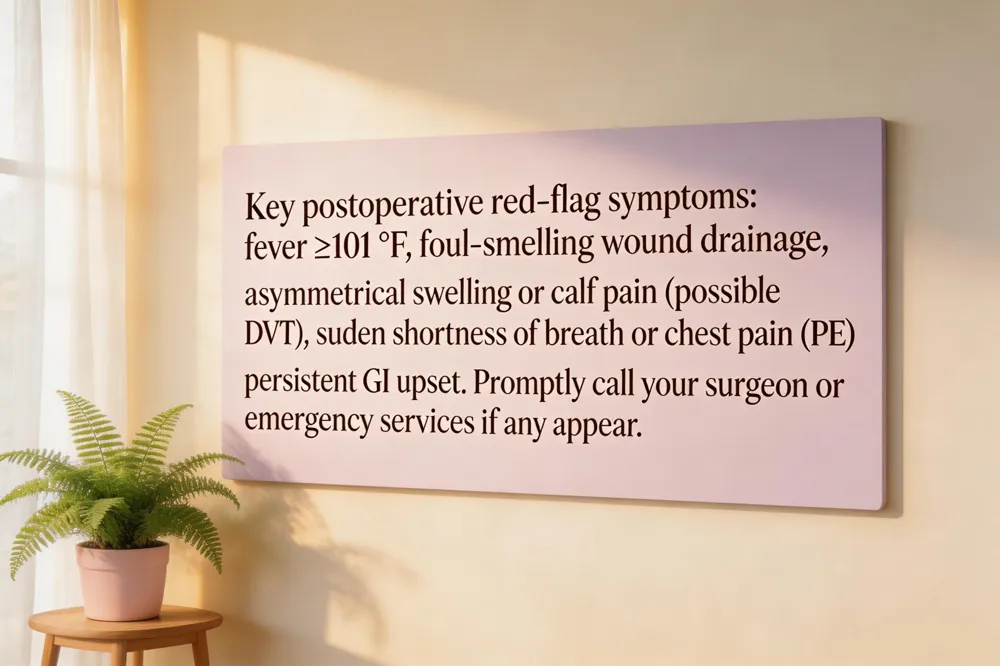
Post‑operative wellness hinges on early detection of red‑flag symptoms.
Fever and temperature trends – A temperature ≥101 °F (38.3 °C) after surgery signals possible infection, pneumonia, or systemic inflammation. Track temperature twice daily for the first 2–3 weeks; persistent fever warrants a call to your surgeon.
Wound drainage and odor – New or increasing drainage that turns green, yellow, or foul‑smelling, or any pus, suggests a surgical site infection. Report drainage swelling, warmth, or incision opening (Incision dehiscence) promptly.
Swelling, warmth, and pain escalation – Localized swelling or warmth may be normal inflammation, but asymmetrical swelling >3 cm, increasing pain, or a calf‑like sensation can indicate DVT. Early ambulation after surgery reduces DVT and pulmonary embolism risk.
Respiratory changes – Sudden shortness of breath, chest pain, or coughing up blood points to pulmonary embolism—a medical emergency requiring 911.
Gastrointestinal disturbances – Persistent nausea, vomiting, or diarrhea beyond 48 hours can cause dehydration and signal infection or bowel complications; stay hydrated and seek advice.
Q&A
Feeling sick 2 weeks after surgery – Mild nausea may be medication‑related, but fever, worsening pain, foul discharge, or calf pain demand a surgeon’s call.
Feeling hot but no fever after surgery – Warmth can be normal inflammation; stay cool, hydrate, and monitor for chills or pain—contact care if symptoms persist.
Diarrhea 2 weeks after surgery – Often antibiotic‑related; maintain electrolytes, bland diet, and probiotic support. Call if fever, abdominal pain, or dehydration occur.
Flu‑like symptoms after surgery – Low‑grade fever and aches are common; seek care if temperature exceeds 101 °F, lasts >48 hrs, or incision signs appear.
Warning signs after surgery – Shortness of breath, chest pain, high fever, worsening pain, foul discharge, or leg swelling/redness are emergencies—call your surgeon or 911 immediately.
When to Call Your Surgeon: Specific Scenarios
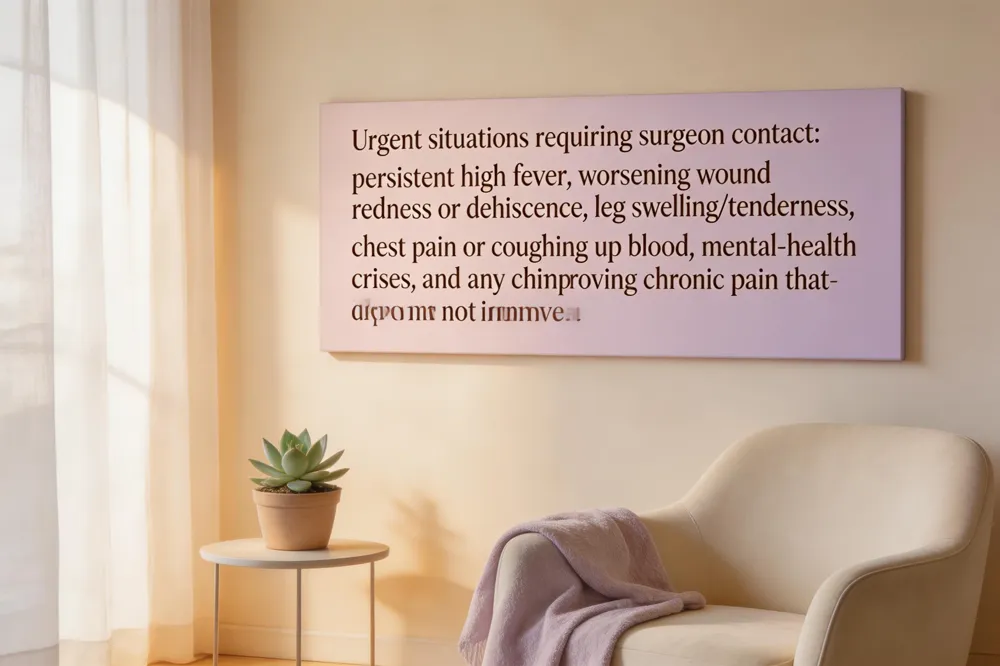
Surgical recovery is a journey that requires vigilance, especially for women who often balance family and work while healing. Below are the red‑flag signs you should never ignore and the questions many patients ask.
Infection indicators – A fever ≥ 101 °F (38.3 °C) that persists more than 24 hours, increasing redness, warmth, swelling, or foul‑smelling drainage from the incision are classic signs of a surgical site infection. If the wound opens (dehiscence or you notice pus‑colored or green discharge, call your surgeon immediately.
Blood‑clot warning signs – Sudden shortness of breath, chest pain, rapid heartbeat, or coughing up blood may signal a pulmonary embolism, while leg swelling, tenderness, or a cramp‑like sensation points to deep‑vein thrombosis. Both require urgent evaluation—dial 911 for breathing difficulties.
Wound dehiscence – Visible sutures, pulling edges, or a gap in the incision can delay healing and increase infection risk; prompt contact with the surgeon is essential.
Mental‑health concerns – New or worsening depression, anxiety, or confusion after surgery can impair recovery. Reach out to your care team for support and possible referral to a mental‑health professional.
Long‑term complications – Chronic pain, persistent swelling, lymphedema, or lasting changes in sensation may develop months after the procedure. Early lymphatic drainage, physical therapy, and counseling can mitigate these effects.
Key Q&A
- What are the 10 postoperative complications? Shock, excessive bleeding, infection, DVT, pulmonary embolism, respiratory issues, urinary retention, anesthesia reactions, nausea/vomiting/constipation, and delayed wound healing.
- Long‑term side effects of surgery – Chronic pain, scar tissue, lymphedema, reduced range of motion, sensory changes, and lasting mood disturbances.
- Shortness of breath a month after surgery – May indicate pulmonary embolism or lingering lung irritation; seek urgent assessment. (Shortness of breath
- Signs of internal infection after laparoscopic surgery – Persistent fever > 101 °F, deep abdominal pain, foul drainage, nausea/vomiting, and systemic fatigue.
- What are the symptoms of red flag after surgery? Severe breathlessness, chest pain, high fever, worsening wound drainage, uncontrolled pain, persistent GI upset, wound separation, and mental‑status changes. (Red‑flag symptoms
If any of these symptoms appear, contact your surgeon or call emergency services right away.
Managing Gastrointestinal and Metabolic Issues
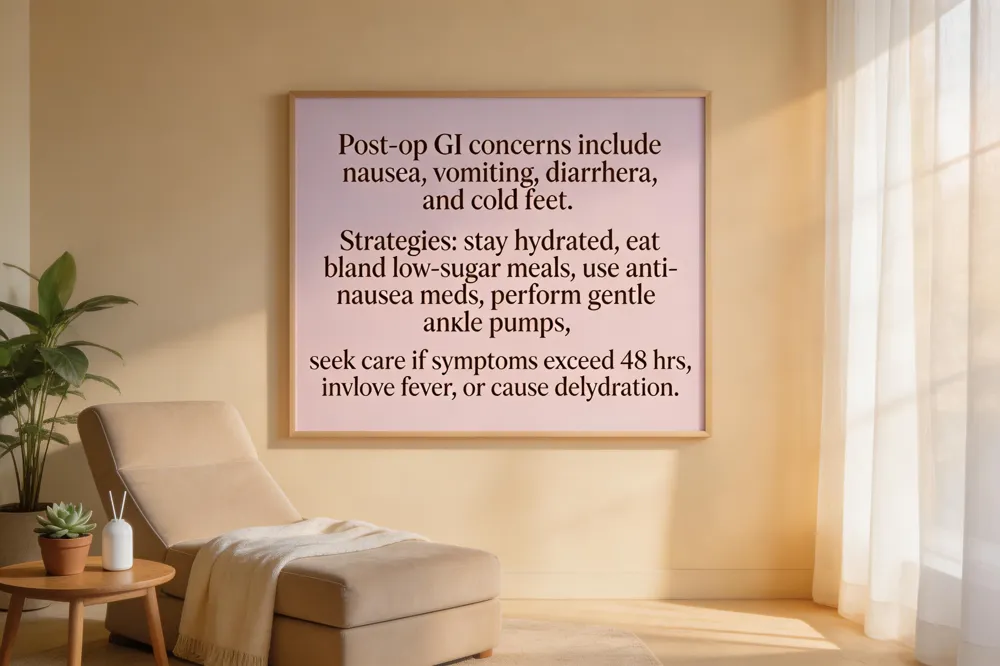
After surgery, many women experience nausea, constipation, diarrhea, or odd temperature shifts. These symptoms often stem from anesthesia, pain medications, reduced mobility, or the body’s adjustment to the healing process.
Feeling sick 4 days after surgery – Persistent nausea is usually a lingering side effect of anesthesia or opioids, but it can also signal dehydration, infection, or an adverse drug reaction. Sip clear fluids, rest, and stick to bland foods (toast, crackers, gelatin). If nausea lasts longer than 24 hours, is accompanied by vomiting, fever, severe abdominal pain, or foul‑smelling wound drainage, call your surgeon or nurse line right away.
Upset stomach weeks after surgery – This may reflect slow gastrointestinal recovery, dumping syndrome, or the lingering impact of pain meds. Eat small, low‑sugar meals, stay hydrated, and consider gentle lymphatic‑drainage massage to reduce swelling. Seek a follow‑up if symptoms worsen, involve vomiting, cramps, or dizziness.
What causes prolonged nausea after surgery – Anesthesia residues, opioid‑induced gastric irritation, postoperative inflammation, dehydration, electrolyte imbalance, or an underlying infection can all extend nausea beyond the first 48 hours. Early mobilization, anti‑nausea meds, and fluid intake are key interventions.
Cold feet after abdominal surgery – Reduced circulation and postoperative temperature shifts often make lower limbs feel chilly. Keep feet warm, stay hydrated, and perform gentle ankle pumps or short walks. Persistent coldness with numbness or discoloration warrants medical evaluation.
Feeling sick a month after surgery – Ongoing nausea a infection a month, a issue) or lingering medication side effects. Contact your surgeon promptly; in the meantime, maintain hydration, bland nutrition, and light activity as cleared. If fever, worsening pain, foul drainage, or shortness of breath develop, seek emergency care.
Infection Prevention and Care

Hand hygiene and dressing protocols
Keep your hands clean before touching the incision or changing dressings, and ask anyone who helps you to do the same. Follow the surgeon’s instructions exactly—keep the dressing dry, change it only as directed, and avoid unapproved ointments or cosmetics.
Nutrition and lifestyle factors
A diet rich in protein, vitamin C, and vitamin A supports immune function and tissue repair. Stay well‑hydrated, quit smoking, limit alcohol, and avoid strenuous activity that could increase swelling.
Lymphatic drainage benefits
Gentle lymphatic drainage massage by a qualified therapist promotes circulation, reduces fluid buildup, and can lessen swelling that otherwise impairs healing.
Early treatment steps
If infection is suspected, begin a targeted antibiotic regimen—often IV first, then oral. Drainage or abscesses may need opening, debridement, and saline irrigation, with cultures to guide therapy. Elevate the affected area and continue lymphatic massage to aid recovery.
When to seek medical help
Call your care team promptly for any red‑flag signs: fever ≥ 101 °F (38.3 °C), increasing pain, swelling, warmth, redness, foul‑smelling or pus‑colored drainage, red streaks from the wound, or incision opening. Early evaluation prevents complications such as deep‑incisional or organ/space infections and reduces the risk of sepsis or wound dehiscence.
Supporting Healing with Lymphatic and Wellness Therapies
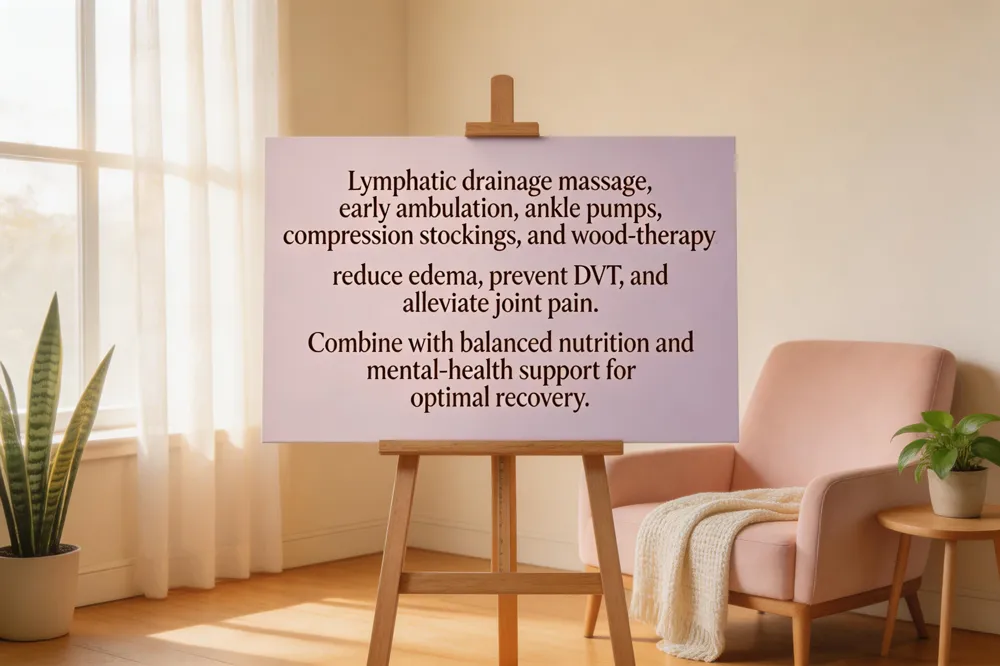
Lymphatic drainage massage gently stimulates fluid movement, reduces postoperative edema, and helps clear inflammatory mediators, which can lessen joint pain and the feeling of heavy legs. Pairing this with early ambulation—short walks, ankle pumps, and gradual core‑activating stretches—promotes circulation, prevents deep‑vein thrombosis, and supports lung expansion.
Nutrition rich in protein, vitamins A and C, and adequate hydration fuels tissue repair, while attention to mental health—recognizing the post‑op blues and seeking support—helps maintain immune function and mood.
Body‑contouring techniques such as wood‑therapy can improve alignment and relieve tension in the hips, knees, and back, complementing lymphatic work to restore a smooth tissue glide.
Practical recovery tips include elevating swollen limbs, monitoring incision temperature and drainage, and using compression stockings as advised. When moving in and out of bed, roll onto your side, use your elbows to lift, and stand slowly with feet shoulder‑width apart to avoid dizziness.
Joint pain after abdominal surgery – Often stems from inflammation, altered posture, and scar tissue. Gentle lymphatic drainage, low‑impact stretching, and wood‑therapy restore alignment and reduce strain.
Legs feel heavy after surgery – Swelling and reduced circulation create heaviness. Ankle pumps, short walks, leg elevation, and targeted quad activation, plus lymphatic massage, alleviate the sensation.
Post‑op blues – A short‑term emotional slump that can progress to depression if persistent. Fatigue, loss of appetite, and irritability are warning signs; professional support is essential.
Pleurisy after surgery – Sharp chest pain worsened by deep breaths, often from infection or fluid. Diagnosis via exam and imaging; treatment targets the cause and includes pain control, breathing exercises, and lymphatic drainage.
How to get in and out of bed after surgery – Roll to side, use elbows to lift torso, push with legs to sit, then stand slowly; to return, roll back, bring legs onto mattress, and roll onto back, pausing if dizzy.
Your Path to a Safe Recovery
After surgery, women’s bodies often show warning signals that should never be ignored. Red‑flag signs include a fever ≥ 101 °F (38.3 °C), worsening or uncontrolled pain, swelling, redness, warmth, or foul‑smelling discharge from the incision, sudden shortness of breath or chest pain (possible pulmonary embolism), calf swelling or tenderness (deep‑vein thrombosis), persistent vomiting or diarrhea, and any opening of the wound (dehiscence).
To keep these complications at bay, adopt daily habits that support healing: check your temperature twice a day for the first two weeks, ambulate as permitted to promote circulation, wear compression stockings if advised, keep the incision clean and dry, practice meticulous hand‑washing, stay well‑hydrated, and eat a protein‑rich diet with plenty of vitamins A and C.
If any red‑flag symptom appears, call Pink & Fancy’s on‑call nurse line immediately; for life‑threatening signs such as severe breathing difficulty, chest pain, or uncontrolled bleeding, dial 911.
By staying vigilant and partnering with a compassionate care team, you empower yourself to heal confidently and reclaim your wellness.