Myths Around Detox and Lymphatic Massage: What’s True?
March 23, 2026
Identifying Red Flags During Post-Surgical Healing You Should Never Ignore
March 24, 2026

Understanding the Recovery Journey
After cosmetic surgery, women often ride an emotional roller‑coaster—excitement, anxiety, low days, and eventual euphoria. These feelings are normal as the body adjusts to a new appearance and swelling peaks within the first few days. Physical healing milestones follow a predictable pattern: the first 24–48 hours focus on rest, pain control, and gentle movement; swelling and bruising gradually subside by week 2, and most visible edema resolves by six weeks, while deep‑tissue remodeling can continue for months. Comprehensive post‑operative care ties these phases together. Adequate sleep, hydration, a balanced diet, and compression garments support tissue repair, while manual lymphatic drainage or other gentle massage techniques accelerate fluid removal, reduce discomfort, and lower cortisol‑driven stress. Personalized follow‑up calls, counseling, and supportive networks empower patients to set realistic expectations, practice self‑compassion, and achieve both physical recovery and emotional well‑being.
Managing Swelling: Physical Strategies and Lymphatic Care
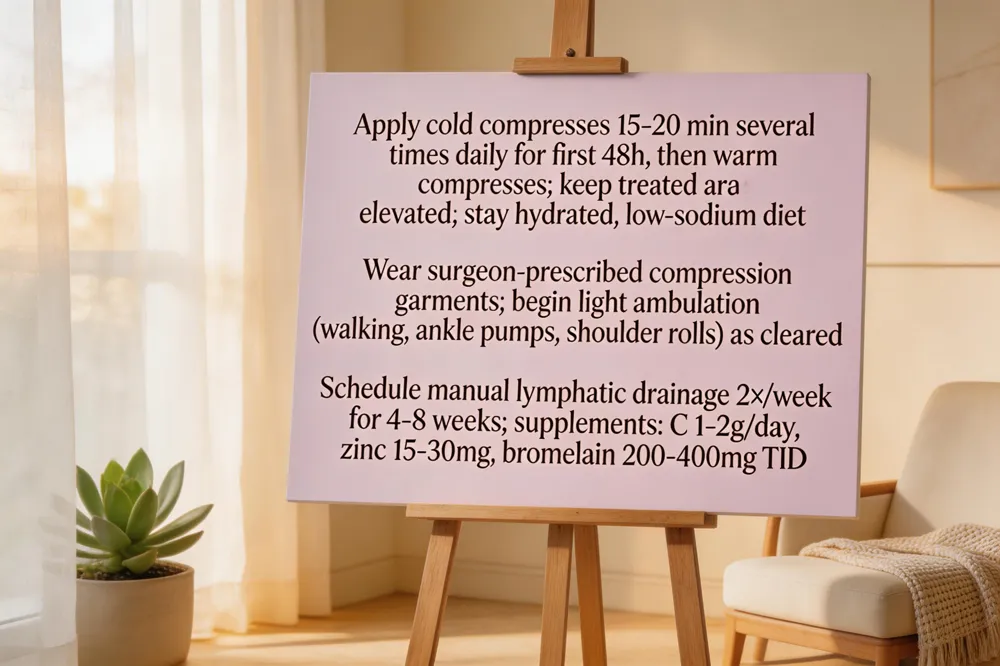
Swelling after facial and body procedures follows a predictable timeline: edema peaks in the first 2‑4 days, then gradually declines. Minor cosmetic work often clears within 1‑2 weeks, while extensive body‑contouring or breast reconstruction may take 4‑8 weeks, and deeper tissue fluid can linger for months.
Cold compresses, elevation, and hydration – Apply ice for 15‑20 minutes several times daily during the first 48 hours to trigger vasoconstriction and limit fluid accumulation. After 48‑72 hours, switch to gentle warm compresses and keep the head or treated area elevated (extra pillows or a wedge) to promote lymphatic return. Adequate hydration and a low‑sodium diet support fluid balance; avoid alcohol, smoking, and salty foods that exacerbate edema.
Compression garments and early ambulation – Compression garments provide consistent pressure that limits fluid buildup and protects incisions. Light walking, ankle pumps, and shoulder rolls, once cleared by the surgeon, stimulate circulation and lymph flow, reducing swelling and lowering the risk of blood clots.
Manual lymphatic drainage (MLD) and professional massage – MLD, begun 24‑72 hours after surgery (or as surgeon‑approved), uses gentle rhythmic strokes to move interstitial fluid toward lymph nodes. Two sessions per week for 4‑8 weeks have been shown to decrease edema by 20‑30 % and improve mood by lowering cortisol.
Vitamins, supplements, and natural remedies – Vitamin C (1‑2 g daily), zinc (15‑30 mg), and bromelain (200‑400 mg three times daily) can attenuate inflammation and bruising. Herbal teas with ginger or turmeric, and anti‑inflammatory foods (berries, leafy greens, omega‑3‑rich fish) further support healing.
Procedure‑specific guidance – For facelifts, swelling may persist 5‑8 weeks, especially around the jawline and under‑eye area; continued facial lymphatic massage, head elevation, and hydration are key. Breast reconstruction patients benefit from compression bras and targeted MLD to accelerate fluid re‑absorption, typically seeing most edema resolve by 6‑8 weeks.
If swelling suddenly worsens, becomes painful, red, or is accompanied by fever, drainage, or shortness of breath, contact your surgeon immediately. Otherwise, follow the prescribed after‑care plan, stay patient, and give your body time to complete the natural healing process.
When Swelling Signals a Problem: Red Flags and When to Seek Help
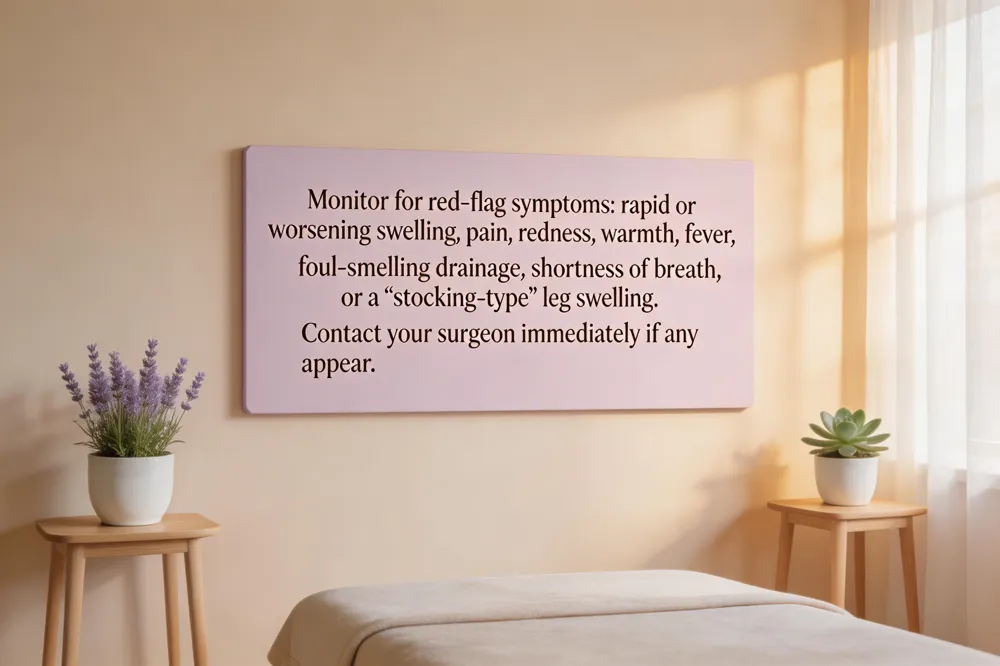
Most postoperative swelling follows a predictable pattern—peaking in the first 2‑4 days and gradually receding with elevation, compression and gentle movement. Abnormal swelling is persistent, rapidly worsening, or accompanied by pain, redness, warmth, fever, or foul‑smelling drainage. These signs may indicate infection, seroma formation, or a blood clot and require prompt evaluation.
When should I worry about swelling after surgery? Swelling is normal, but if it intensifies after the first week, becomes severe, or is linked with fever, intense pain, or a “stocking‑type” leg swelling, call your surgeon immediately.
Why is my whole body swollen after surgery? Fluid shifts, inflammatory response, IV fluids, and reduced mobility can cause generalized edema. Elevation, compression garments, light activity, and lymphatic drainage massage help mobilize fluid. Sudden, painful whole‑body swelling with shortness of breath is a medical emergency.
What helps surgical swelling go down? Apply cold packs for 15‑20 minutes several times daily, keep the treated area elevated, walk gently, stay hydrated, follow a low‑sodium anti‑inflammatory diet, wear prescribed compression, and consider professional lymphatic drainage massage.
Monitor incision color, temperature, drainage, and overall swelling daily. If any red‑flag symptom appears, contact your surgical team promptly.
Emotional Recovery: Mental Health Impacts and Support Strategies

Plastic‑surgery recovery is as much an emotional journey as a physical one. Research shows that patients often experience an early surge of excitement followed by a “roller‑coaster” of feelings—anxiety, sadness, and even temporary depression as swelling, bruising, and the new appearance settle (emotional rollercoaster with excitement, anxiety, and depression). When expectations are realistic and the procedure addresses a genuine source of distress, many patients report a short‑term boost in self‑esteem, confidence, and social interaction. However, individuals with pre‑existing mood disorders , body‑dysmorphic concerns, or perfectionistic traits are at higher risk for persistent dissatisfaction, anxiety, or new depressive symptoms.
Pre‑operative screening – Board‑certified surgeons routinely use tools such as PHQ‑9, GAD‑7, and BDD questionnaires to identify vulnerable patients and discuss motivations, helping to balance potential benefits against risks.
Post‑operative support – Structured counseling, peer‑support groups, and regular follow‑up calls provide coping mechanisms and normalize emotional swings. Lymphatic drainage massage offered by clinics like Pink & Fancy not only reduces swelling but also lowers cortisol and improves mood, reinforcing confidence during the healing phase.
Managing distress – If sadness or anxiety persists beyond a few weeks, professional help is essential. Practical steps include listening without judgment, offering meals or transportation, encouraging gentle activity, and monitoring for warning signs of depression. When results fall short of expectations, patients should schedule a frank discussion with their surgeon to explore revision options or obtain a second opinion.
Personalized Post‑Op Care: Nutrition, Vitamins, and Lifestyle
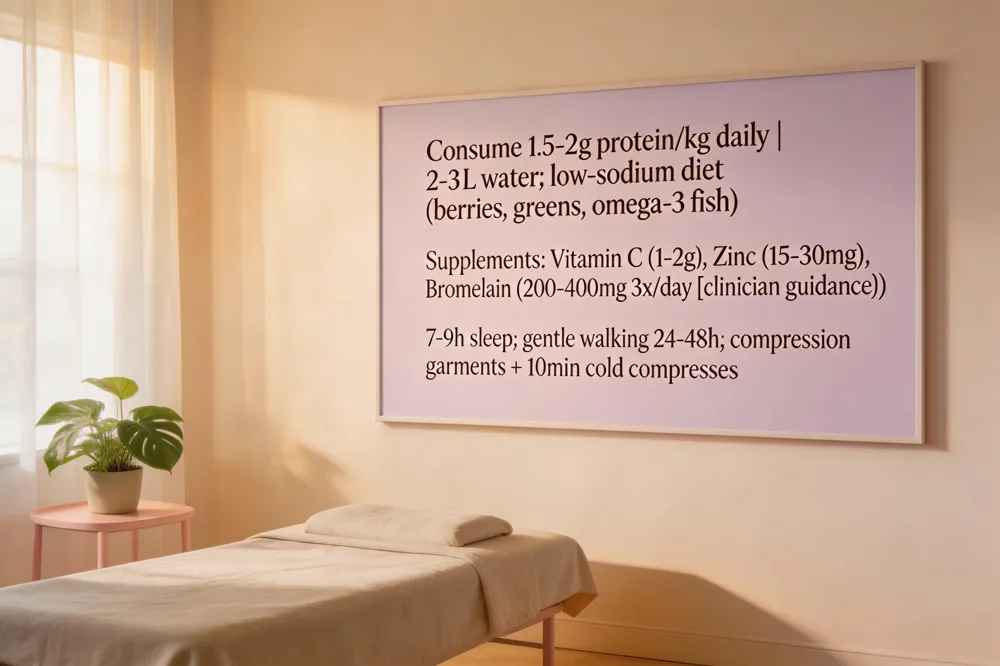
Recovering from cosmetic surgery is a holistic process that blends nutrition, rest, and movement. Adequate protein (1.5‑2 g/kg body weight) and balanced calories supply the building blocks for tissue repair, while staying well‑hydrated (2‑3 L/day) supports lymphatic flow and reduces edema. Anti‑inflammatory vitamins such as vitamin C (1‑2 g daily), vitamin A (under clinician guidance), zinc (15‑30 mg), and bromelain (200‑400 mg three times daily) can lessen swelling and bruising—always discuss supplements with your surgeon. Quality sleep, 7‑9 hours nightly, and stress‑reduction techniques (deep breathing, meditation) stabilize cortisol and aid healing. ERAS protocols encourage early mobilization; gentle walking within 24‑48 hours boosts circulation, lymph drainage, and mood. Practical daily tips: schedule short walks, use compression garments, apply cold compresses for 10‑minute intervals, keep a protein‑rich snack ready, and maintain a supportive, low‑stress home environment. These steps together promote faster physical recovery and a smoother emotional transition.
Supporting Loved Ones: Practical and Emotional Ways to Help a Recovering Woman

Create a calm home environment: keep noise low, maintain a comfortable temperature, and set up a recovery‑ to with pillows and easy‑reach supplies. Offer practical help—prepare protein‑rich meals, handle laundry, grocery shopping, and transport for appointments; organize medication and dressing changes. Provide emotional encouragement—listen without judgment, validate feelings, celebrate small milestones, and watch for prolonged sadness or anxiety. Direct her to resources such as a therapist, support groups, or counseling services. If she feels unhappy with results, schedule a follow‑up with the surgeon to discuss concerns and possible revisions. Remember, patience, compassion, and coordinated care accelerate both physical healing and emotional well‑being.
Embracing Healing with Confidence
Recovery after plastic surgery rests on two intertwined pillars: physical healing and emotional well‑being. Proper rest, nutrition, compression garments, and gentle movement reduce swelling, while counseling, support groups, and realistic expectations smooth the mental transition to a new body image. Pink & Fancy’s boutique approach blends expertise with OR‑nurse care, offering manual lymphatic drainage, wood therapy, and wellness plans that accelerate fluid removal, ease discomfort, and boost confidence. Their therapists coordinate with surgeons to ensure safe timing and tailor each session to individual needs. Women are encouraged to reach out to their surgeon, a therapist, or a community early, embracing professional guidance as a cornerstone of lasting, confident healing.