8 Proven Strategies to Optimize Your Healing Process After Cosmetic Surgery
March 25, 2026
7 Little-Known Benefits of Post-Op Lymphatic Massage for Liposuction, BBL, and Tummy Tuck
March 26, 2026

Understanding Post‑Surgical Education
Patient education is the systematic delivery of clear, personalized information before, during and after a surgical procedure. When women know what to expect, pre‑operative anxiety—experienced by 48 % of patients—drops dramatically, and satisfaction scores rise, accounting for up to 49.7 % of the variance in hospital experience ratings. Effective programs combine several components: a thorough overview of the surgery and timeline; detailed wound‑care, nutrition, hydration and activity guidelines; pain‑management strategies and safe medication use; warning‑sign alerts; and hands‑on practice of skills such as lymphatic drainage massage or device care. Reinforcement through printed handouts, videos, follow‑up visits, or digital apps ensures retention, promotes adherence, and ultimately accelerates healing and wellness for women recovering from cosmetic or reconstructive surgery.
Managing Emotions and Setting Expectations
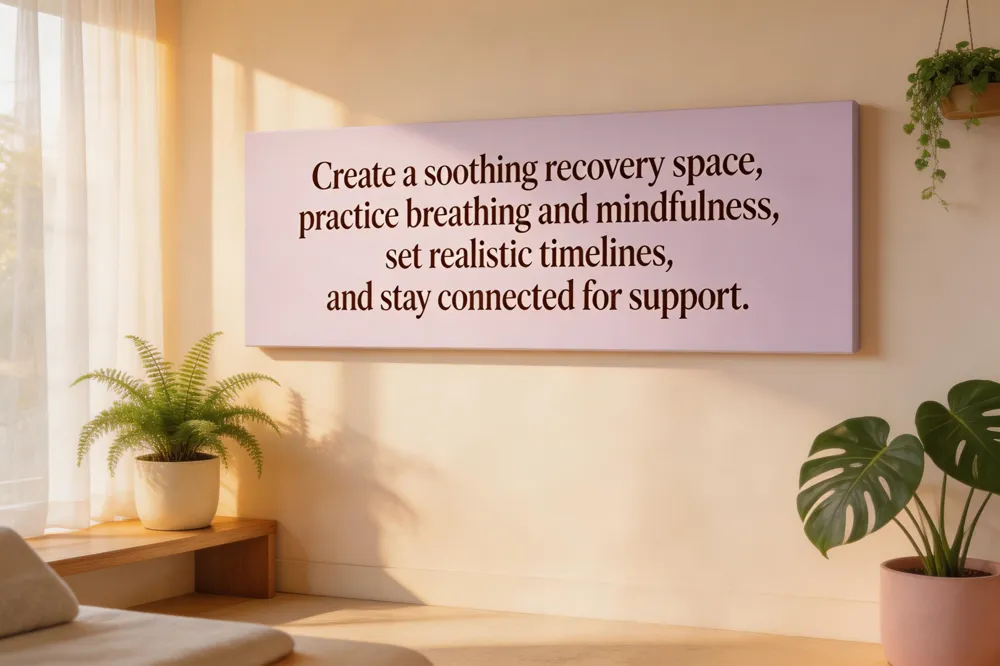
Recovering from cosmetic or reconstructive surgery can feel overwhelming, but a calm, well‑structured environment helps keep anxiety at bay. Create a soothing space with soft lighting, gentle music, and all supplies (drinks, medication, compression garments) within easy reach so you don’t scramble for items. Practice regular breathing techniques—such as the 4‑7‑8 method—and short guided mindfulness sessions to activate the parasympathetic nervous system and lower cortisol. Discuss realistic timelines and milestones with your clinician; set affirmations like “My body knows how to heal” to reinforce confidence. Stay connected to a supportive network of friends, family, or the Pink & Fancy care team, who can assist with daily tasks, monitor for warning signs, and remind you to rest, hydrate, and nourish your body with protein‑rich foods.
Patient education about pain management is vital because it reduces fear, clarifies medication schedules, and introduces non‑opioid options, heat/ice, and gentle lymphatic drainage. Knowing when to use each strategy empowers you to move early, prevent blood clots, and avoid opioid over‑use.
The primary goal of pre‑operative education is to give a clear, realistic picture of the surgery, risks, and recovery plan, thereby reducing anxiety and building confidence. Benefits of comprehensive education include higher satisfaction, fewer complications, faster healing, and better adherence to wound‑care and activity restrictions.
The first step in delivering education is a personalized assessment of your current knowledge, concerns, learning style, and health‑literacy needs. This assessment lets the educator tailor information to your unique situation, ensuring you receive the right guidance at the right time.
Core Elements of Post‑Operative Care for Women’s Cosmetic/Reconstructive Surgery

Post‑surgery recovery for women after cosmetic or reconstructive procedures is the period when tissue repairs, swelling subsides, and daily activities are re‑introduced. During this time the lymphatic system must work efficiently to clear fluid and waste, reducing bruising, pain and and complications. Pink & Fancy supports this natural healing with personalized lymphatic drainage massage, gentle foot‑leg exercises, and strategic positioning to promote circulation.
The 5 P’s of post‑operative care are:
- Pain – use prescribed analgesics, cold therapy and non‑opioid options; avoid driving or alcohol while medication is active.
- Position – elevate the surgical site, avoid pressure, and use compression or a pump if advised.
- Personal hygiene – keep the incision clean and dry, change dressings as instructed, and wash hands before any wound care.
- Periphery – light ambulation, ankle pumps, and lymphatic massage support peripheral circulation.
- Pump – apply a compression pump or garment when prescribed to aid fluid drainage.
Safe do‑and‑don’ts include keeping the wound dry, staying hydrated, resting, and moving gently as directed, while avoiding heavy lifting (>10 lb), strenuous exercise, smoking, alcohol, baths, and driving until cleared.
Practical Tools: Checklists, Resources, and Finding Care

Where can I find post‑operative care facilities near me in the United States?
Search for certified lymphatic‑drainage clinics, post‑operative wellness centers, or medical spas that specialize in recovery. Verify credentials on state licensing boards or professional directories such as the American Massage Therapy Association. Ask your surgeon or primary‑care physician for referrals to skilled‑nursing or rehabilitation facilities. Online locators—Healthgrades, Zocdoc, or your insurer’s provider‑search—let you filter by “post‑operative care”, “rehabilitation,” or “lymphedema therapy.” In California, Pink & Fancy in San Jose offers personalized lymphatic and wellness services for women.
How long can I expect to stay in the recovery room after surgery?
Most patients spend 30 minutes to 3 hours in the PACU. Short, minimally invasive procedures often allow discharge after 30‑60 minutes; larger operations may require 2‑4 hours of monitoring. The exact time depends on anesthesia type, vital‑sign stability, pain control, and safe awakening.
What items should be on a post‑surgery checklist?
Include all prescription medications with dosing schedules, follow‑up appointment dates and contacts, compression garments or lymphatic sleeves, hydration goals, easy‑to‑prepare nutrition, mobility aids, wound‑care supplies (antibacterial soap, dressings, scar‑cream), and a list of red‑flag symptoms with emergency contacts.
What are common symptoms after surgery that I should monitor?
Watch for fever > 101 °F, worsening pain, foul‑smelling wound drainage, shortness of breath, chest pain, or rapid heartbeat—signs of infection, clot, or other complications. Report any of these promptly.
What must‑haves should I have at home after surgery?
Keep medications, compression garments, a water bottle, loose clothing, and a pillow for leg elevation within reach. Set up a safe recovery area with a supportive chair, bedside table, and a bathroom equipped with non‑slip mats, grab bars, and an elevated toilet seat. Stock easy meals, grocery‑delivery options, and a list of emergency contacts.
What resources are available for post‑operative patient education?
Printed handouts, online videos, and downloadable guides from the American College of Surgeons, AHRQ, and specialty societies provide evidence‑based instructions. Pink & Fancy supplies a boutique‑specific packet covering lymphatic drainage, nutrition, and self‑care. One‑on‑one counseling during follow‑up visits ensures personalized understanding.
Nutrition, Hydration, and Lifestyle for Faster Healing

What should a post‑operative diet include to support healing?
Prioritize high‑quality protein (lean poultry, fish, eggs, tofu, beans, Greek yogurt) for tissue repair. Add vitamin C‑rich fruits and vegetables (citrus, berries, bell peppers, broccoli) and zinc sources (shellfish, nuts, whole grains) to boost collagen synthesis and immunity. Include omega‑3s (fatty fish, walnuts, flaxseed) and antioxidant‑dense produce to curb inflammation. Stay well‑hydrated with water or unsweetened teas—aim for at least eight glasses daily. Eat small, frequent meals, limiting sodium, refined sugars, processed foods, and alcohol.
How can I speed up healing after surgery naturally?
Combine the diet above with daily lymphatic drainage massage, gentle range‑of‑motion exercises, adequate sleep, and stress‑reduction techniques (deep breathing, meditation). Avoid smoking, excessive caffeine, and alcohol. Consider evidence‑based supplements such as vitamin C, zinc, magnesium, and a high‑quality multivitamin after consulting your provider.
What can I do before and after surgery to promote healing and recovery?
Before surgery, stop smoking at least six weeks early, stay active with light walking, and practice relaxation drills. On the day of surgery, follow skin‑prep instructions and set up a clutter‑free recovery space with ready‑to‑eat protein‑rich meals. After surgery, continue hydration, lymphatic drainage massage, and progressive activity while monitoring for warning signs.
How long does it typically take to recover from abdominal surgery?
Most patients begin gentle walking within 2‑4 weeks, avoid heavy lifting for 6‑8 weeks, and return to full work duties around 6‑8 weeks. Complete wound healing and full energy levels may require 3‑6 months, depending on the procedure and adherence to post‑op guidelines.
Putting It All Together: Your Path to Wellness
Educating yourself before and after surgery does more than cut anxiety—it predicts up to 50 % of satisfaction scores and lowers 30‑day mortality by 11‑13 %. Knowledge of wound care, nutrition, activity limits, and warning signs translates into higher adherence, fewer complications, and faster healing.
Actionable next steps: 1) Review the written or video discharge pack before leaving the hospital. 2) Schedule your first lymphatic drainage session within 48 hours. 3) Follow the hydration, protein‑rich diet, and gentle ambulation plan supplied by your surgeon. 4) Keep a daily log of pain, incision appearance, and any concerning symptoms, and contact your provider promptly if they arise.
Pink & Fancy personalizes this roadmap with one‑on‑one education, tailored lymphatic massage, and ongoing virtual check‑ins, ensuring women recover confidently and enjoy lasting wellness.