Post-Op Lymphatic Massage for Lipo, BBL, and Tummy Tuck: What You Must Know
March 16, 2026
Detox Lymphatic Massage: Is It Right for You?
March 16, 2026
Understanding the Unique Roles of Spa and Post-Op Lymphatic Massages
Basic Differences Between Spa Massage and Post-Op Lymphatic Massage
Spa massages, including Swedish and deep tissue techniques, primarily target muscle relaxation, stress reduction, improved flexibility, and circulation. They typically apply varied pressures and are designed to promote overall wellness and relaxation.
In contrast, post-operative lymphatic massage is a specialized therapy using gentle, rhythmic motions with light pressure aimed at stimulating the lymphatic system. Its focus is to reduce swelling, promote detoxification, support immune function, and accelerate healing after surgery.
Importance of Distinguishing Between the Two for Wellness and Recovery
Choosing the right massage depends on your health needs. Spa massages are ideal for muscle relief and stress management, while post-op lymphatic massage is critical for recovery after surgical procedures. Understanding these differences ensures you receive appropriate care tailored to promote optimal wellness or successful healing.
Professional therapists trained in manual lymphatic drainage (MLD) deliver safe, effective post-op lymphatic massage, while spa therapists offer relaxation-focused treatments. Consulting with your healthcare provider or therapist can help guide your choice toward the therapy best suited to your goals.
Post-Operative and Wellness Massage: Key Facts
- Spa massage primarily aims for relaxation and general wellness by alleviating muscular tension and reducing stress.
- Post-op lymphatic massage is designed to support recovery by reducing swelling, minimizing bruising, and promoting faster tissue healing.
- Lymphatic drainage employs gentle, rhythmic strokes that stimulate the lymphatic system without compressing delicate vessels, unlike traditional massage.
- Post-op lymphatic massage usually begins within days to a week after surgery and is recommended 3 times weekly for optimal recovery.
- Lymphatic massage plays a crucial role in reducing swelling and boosting immune support through improved lymphatic function.
- Certified lymphatic therapists, trained extensively in lymphatic anatomy and techniques, lower risks of tissue damage and ensure safe, effective treatment.
- Specialized post-surgical therapies like lymphatic drainage and wood therapy accelerate healing and reduce inflammation by facilitating toxin and fluid removal.
- Body contouring and wood therapy aid in toxin elimination, improve skin elasticity, and support post-operative reshaping.
- Schedule adherence in post-op lymphatic massage improves swelling reduction, pain management, and healing speed, unlike the flexible timing of spa massages.
- Both therapies should be provided by qualified, certified practitioners for safe, effective recovery and optimal wellness outcomes.
1. Purpose and Therapeutic Goals: Relaxation Versus Recovery

What Are the Primary Goals of Spa Massage?
Spa massage therapies, including Swedish and deep tissue massage, primarily focus on promoting relaxation and general wellness. These techniques work to alleviate muscular tension, enhance circulation, reduce stress, and improve flexibility. Many people seek spa massages to achieve mental calmness and relief from everyday muscular discomfort, contributing to an overall sense of well-being.
What Are the Primary Goals of Post-Op Lymphatic Massage?
Post-operative lymphatic massage is a specialized approach designed to support physical recovery after surgery. It uses gentle, rhythmic strokes and light pressure to stimulate the lymphatic system, facilitating the drainage of excess lymphatic fluid that accumulates due to surgical trauma. The main therapeutic objectives are to reduce swelling (edema), minimize bruising and inflammation, promote faster tissue healing, support immune function, and improve skin quality. This massage assists in preventing complications like fibrosis and seromas, ultimately enhancing both comfort and surgical outcomes. For detailed techniques and benefits, see Post-surgical lymphatic massage and Post-Surgical Lymphatic Massage.
How Does Each Align With Client Needs?
Choosing between spa massage and post-op lymphatic massage depends on individual health goals. Spa massage suits those seeking relaxation, muscle relief, or stress reduction, and serves as a restorative self-care practice for general wellness. Conversely, women recovering from surgery benefit from lymphatic drainage massage as part of a targeted recovery plan. This therapy aligns directly with post-surgical healing needs, offering benefits such as swelling reduction and detoxification crucial to recovery.
Lymphatic drainage massage is often recommended by plastic surgeons and health professionals, particularly in the United States, and is provided by certified therapists trained in manual lymphatic drainage (MLD). It complements other recovery strategies like wearing compression garments and proper hydration, thus supporting a more effective and comfortable healing journey for women after surgical procedures.
2. Technique and Pressure: Gentle Rhythmic Strokes vs. Varied Massage Intensity
Pressure differences in spa vs. lymphatic massage
Lymphatic drainage massage employs very gentle, rhythmic strokes designed to stimulate the lymphatic system without compressing the delicate lymphatic vessels. This contrasts with Traditional massage techniques, like Swedish and deep tissue massage techniques, which use varying pressure intensities, from light to firm, targeting muscle layers for tension relief.
Rhythmic, light strokes in lymphatic drainage
The hallmark of lymphatic drainage is its use of light, featherlike, rhythmic strokes that mimic the natural Lymphatic system stimulation massage pulsations of lymph movement. Practitioners focus on specific pathways and lymph nodes—such as the neck, armpits, and groin—to encourage fluid drainage and support Immune support through lymphatic massage. No oil or lotion is used, maintaining skin sensitivity while working with the lymphatic capillaries.
Traditional massage methods like Swedish or deep tissue techniques
Traditional massage techniques typically incorporate long strokes, kneading, tapping, and stretching. Swedish massage emphasizes medium pressure to enhance circulation and relaxation; deep tissue applies stronger pressure targeting muscle knots and tension. These methods prioritize muscular relief and flexibility rather than fluid detoxification.
Importance of light pressure in post-op care to avoid tissue damage
Following surgery, tissues are fragile and inflamed, making gentle technique critical. Light to medium pressure massage in post-surgical lymphatic massage avoids further trauma or increased inflammation that deeper massage could cause. Certified therapists ensure careful, localized strokes that promote Lymphatic circulation improvement, reduce swelling, and support faster healing without harming delicate tissues.
| Massage Type | Pressure Level | Primary Focus | Notes |
|---|---|---|---|
| Lymphatic Drainage | Very light, rhythmic | Promote lymph flow, reduce swelling | No oils, avoids vessel compression (Manual lymphatic drainage technique) |
| Swedish Massage | Light to medium | Muscle relaxation, circulation | Uses long strokes, moderate pressure |
| Deep Tissue Massage | Firm to deep pressure | Muscle tension relief | Targets deeper muscle layers |
| Post-Surgical Lymphatic Massage | Gentle, strategic | Swelling reduction, healing | Specialized light touch, avoids damage (Post-surgical lymphatic massage |
3. Timing and Frequency: Scheduled Recovery Vs. Flexible Wellness
When Does Post-Operative Lymphatic Massage Usually Begin?
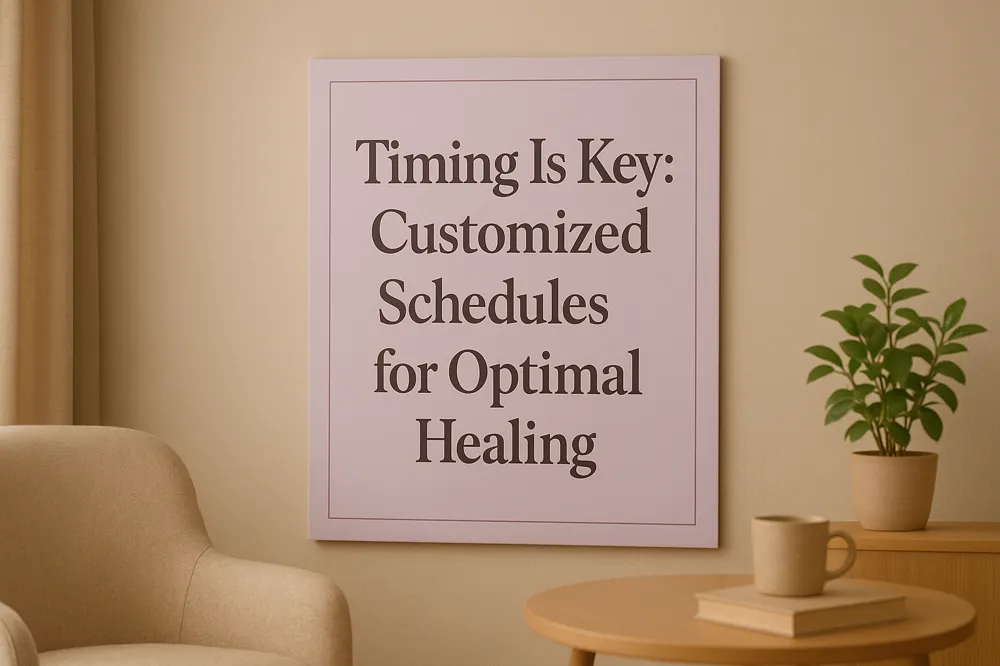
Post-surgical lymphatic massage typically starts within a few days to two weeks following surgery, depending on the procedure type. For example, lymphatic massage may begin about 2 days after liposuction or around 1 week post-abdominoplasty or facelift. This timing is carefully coordinated to align with the body’s natural healing phases, ensuring gentle stimulation supports lymph flow without disrupting delicate tissues.
How Often Are Sessions Recommended for Optimal Recovery?
To achieve the best post-surgical outcomes, initial lymphatic massage sessions are often scheduled 3 times per week for the first 2 weeks, followed by a gradual decrease in frequency. Typically, patients undergo between 5 to 10 total sessions, tailored to individual healing progress and procedure extent. Consistency and adherence to this schedule are crucial to effectively reduce swelling, prevent complications like seromas or fibrosis, and promote faster healing.
Spa Massages: Flexible Timing for Relaxation and Wellness
Unlike post-operative lymphatic therapy, traditional massage techniques such as Swedish and deep tissue massage focus on relaxation, muscle relief, and stress reduction. These treatments can be booked flexibly based on personal preference or wellness goals, without the strict timing demands linked to surgical recovery.
Why Is Sticking to the Post-Op Lymphatic Massage Schedule Important?
Following the recommended post-surgical lymphatic massage schedule supports the body’s detoxification and immune systems at a vulnerable time. Consistent sessions stimulate lymphatic circulation, helping to decrease fluid retention, reduce inflammation, and encourage tissue repair. Deviating from this schedule may prolong swelling and delay complete recovery.
By understanding the timing and frequency distinctions between post-surgical lymphatic massage and spa massages, women can better navigate personalized recovery and wellness journeys tailored to their health needs.
4. Therapeutic Focus: Swelling Reduction and Immune Support Contrasted with Muscle Relaxation
How Does Lymphatic Drainage Massage Help with Swelling and Immune Support?
Lymphatic Drainage Massage plays a vital role in managing swelling and inflammation by gently stimulating the Lymphatic System Function, which is responsible for removing waste, toxins, and excess fluid from the body’s tissues. This process supports faster healing, particularly beneficial for women recovering from surgeries such as liposuction, tummy tucks, or breast surgeries. By enhancing circulation and promoting lymph flow, the massage reduces fluid accumulation, alleviates heaviness, and prevents complications like fibrosis and seromas.
In addition to reducing swelling, Lymphatic Drainage Massage supports Immune Support Through Lymphatic Massage by promoting the transit of immune cells throughout the body, aiding in detoxification and overall wellness. This therapy also improves Improving Skin Health with Massage by decreasing puffiness and enhancing texture, contributing to a radiant appearance. The technique’s gentle, rhythmic strokes offer relaxation and Massage for Stress Relief, fostering both physical and emotional recovery.
What Benefits Does Massage Therapy for Muscle and Stress Relief Offer for Muscle and Stress Relief?
Massage Therapy for Muscle and Stress Relief, including techniques such as Swedish and Deep Tissue Massage, focuses primarily on relieving muscle tension, improving flexibility, and reducing stress. These massages use varied pressures—ranging from light to deep—to knead muscles, enhance blood flow, and alleviate chronic pain or stiffness. This type of massage is effective in reducing muscle soreness from physical activity, improving range of motion, and promoting emotional calm through the release of tension and stress hormones.
Massage Therapy for Muscle and Stress Relief also supports better circulation, which complements overall cardiovascular health and aids in relaxation. However, unlike Lymphatic Drainage Massage, spa treatments do not primarily target fluid retention or immune system stimulation but are valuable for musculoskeletal comfort and general wellness.
How Do These Therapies Differ in Addressing Physiological Systems and Client Goals?
Lymphatic Drainage Massage is a specialized therapy that targets the Lymphatic System Function, focusing on fluid balance, detoxification, and immune support. It is ideal for clients recovering from surgery or dealing with swelling and lymphatic congestion. Its benefits lie in reducing inflammation, promoting healing, and preventing post-surgical complications.
Conversely, Massage Therapy for Muscle and Stress Relief concentrates on the muscular and nervous systems, aiming to relieve physical tension, improve muscle health, and reduce stress. It suits clients seeking relaxation, muscle recovery, or relief from chronic tension.
Choosing between the two depends on individual wellness needs: Lymphatic Drainage Massage is suited for swelling reduction and immune boosting, while traditional Massage Therapy for Muscle and Stress Relief is intended for muscle relaxation and stress alleviation. Both therapies contribute to holistic health but engage distinct physiological pathways to support client-specific healing and wellness goals.
| Therapy Type | Primary Focus | Pressure Used | Key Benefits | Ideal For |
|---|---|---|---|---|
| Lymphatic Drainage Massage | Lymphatic system, swelling | Gentle, rhythmic, light | Reduces swelling, detoxifies, boosts immune function | Post-surgical recovery, edema management |
| Spa Massage (Swedish, Deep Tissue) | Muscles, circulation | Light to deep | Relieves muscle tension, reduces stress, enhances flexibility | Muscle soreness, stress relief, relaxation |
5. Practitioner Expertise and Training: Certified Post-Op Care Versus General Spa Therapy

What role does specialized training in lymphedema and lymphatic therapy play in providing personalized care?
Specialized training in lymphedema and lymphatic therapy is essential for delivering personalized massage treatment plans and safe post-operative care. Certified therapists, such as those holding LANA certification or recognized credentials as Certified Lymphedema Therapists (CLTs), gain extensive education on lymphatic anatomy, pathology, and manual lymphatic drainage technique. This training equips them to accurately assess swelling, understand lymphatic system dysfunction, and create customized treatment plans tailored to each patient’s unique post-surgical condition.
Such expertise helps prevent serious complications like cellulitis, skin damage, or mobility impairments. It also enables early detection of lymphedema signs, facilitating timely intervention and improved healing. Therapists proficient in post-surgical lymphatic massage coordinate with healthcare providers to ensure a comprehensive recovery process.
In contrast, spa massage therapists primarily focus on relaxation and general wellness, using techniques like Swedish and deep tissue massage without the required medical assessment or specialized knowledge of lymphatic system dynamics. While beneficial for massage for stress relief and muscle relief, spa massages lack the focus necessary for managing post-operative lymphatic issues.
Using unqualified practitioners for post-op lymphatic massage can risk worsening swelling, increased inflammation, or tissue damage due to inappropriate pressure and techniques. Expert care from certified lymphatic therapists offers the best outcomes by ensuring safe, gentle, and effective lymphatic drainage massage that supports recovery, reduces swelling, and enhances immune support through lymphatic massage.
Clients recovering from surgery are advised to seek out therapists with proper certification and training in lymphatic care to maximize healing benefits and avoid potential complications.
How Specialized Post-Operative Care Enhances Healing and Reduces Inflammation

Role of Lymphatic drainage massage and wood therapy in post-op recovery
Expert post-surgical care incorporates Lymphatic drainage massage, a gentle, rhythmic technique that stimulates the lymphatic system to efficiently remove toxins and excess fluids. This therapy promotes improved circulation, accelerates tissue repair, and reduces swelling, bruising, and pain common in cosmetic and reconstructive surgery recovery. Wood therapy complements these benefits by aiding lymph flow and enhancing tissue elasticity, further supporting healing and reducing inflammation.
Use of Compression garments post-surgery
Compression garments play a crucial role in managing postoperative swelling and supporting tissue healing. These specialized elastic garments apply consistent pressure to the surgical area, preventing fluid build-up and reducing pain and bruising. Worn continuously for several weeks post-surgery, they help stabilize tissues, reduce the risk of complications such as fibrosis and seromas, and prepare the body for effective Lymphatic drainage massage.
Reduction of swelling, bruising, and pain through expert methods
Combining Lymphatic drainage massage, wood therapy, and Post-surgical lymphatic massage and compression, expert post-surgical care effectively minimizes postoperative swelling, bruising, and pain. Skilled therapists use precise, gentle techniques that protect delicate tissues and optimize lymph flow, facilitating detoxification and immune system support. Alongside proper wound care and cold compresses, these interventions reduce inflammation and promote faster, more comfortable recovery.
| Aspect | Method | Benefits |
|---|---|---|
| Lymphatic drainage massage | Gentle rhythmic massage | Detoxification, reduced swelling, improved healing |
| Wood therapy | Targeted tissue stimulation | Enhanced lymph flow, reduced inflammation |
| Compression garments | Elastic pressure support | Controls swelling, supports tissues, prevents complications |
Together, these expert therapies contribute to faster healing and better aesthetic outcomes, addressing women’s wellness comprehensively after surgery.
The Role of Body Contouring and Wood Therapy in Post-Operative Wellness

How can body contouring and wood therapy aid in women’s post-operative recovery and overall wellness?
Body contouring and wood therapy offer valuable benefits in enhancing women’s recovery and wellness after surgery. By stimulating blood circulation and encouraging lymphatic drainage massage, these treatments help the body eliminate toxins, excess fluids, and cellular waste. This process supports faster reduction of post-surgical swelling and inflammation, which are common challenges during recovery.
Wood therapy employs specialized wooden instruments to target areas prone to stubborn fat and cellulite. This gentle manipulation helps break down adipose tissue and smooth the skin’s surface, aiding in reshaping and toning the body. At the same time, the therapy promotes collagen stimulation, which improves skin elasticity and firmness—key factors in achieving refreshed and healthier skin post-surgery.
Both therapies are non-invasive and provide a relaxing experience that encourages massage for stress relief and overall well-being. Their use complements traditional post-surgical care, such as post-surgical lymphatic massage and compression garments, offering holistic support that extends beyond physical healing to include improving skin health with massage.
The combined effects of improved circulation, inflammation reduction, and collagen production make body contouring and wood therapy effective tools in post-operative wellness, enabling women to recover more comfortably and regain confidence in their appearance.
Choosing the Right Massage for Women’s Health and Recovery
Comparing Spa and Post-Operative Lymphatic Massages
Spa massages commonly use moderate to deep pressure to relieve muscle tension, promote relaxation, and improve circulation. Techniques include Swedish and deep tissue massage, which focus on general well-being and muscular health.
In contrast, post-operative lymphatic massage employs very gentle, rhythmic strokes to stimulate lymph flow, reduce swelling, and aid detoxification. This specialized therapy targets recovery needs after surgery, focusing on healing and immune support without stressing fragile tissues.
Personalized Care and Professional Guidance
Choosing between these therapies depends on personal health goals. Women seeking relaxation and muscle relief may prefer traditional spa massages, while those recovering from surgery benefit most from lymphatic drainage.
Professional evaluation is critical to tailor treatment plans safely. Certified therapists trained in manual lymphatic drainage understand anatomy, surgical impacts, and the delicate nature of post-op tissues. Their expertise ensures effective therapy that supports recovery without complications.
Importance of Certified Therapists
For post-surgical care and overall lymphatic health, working with licensed, experienced professionals offers the best outcomes. Certified lymphatic therapists apply precise techniques using appropriate pressure and sequences, essential for efficient healing.
Women are encouraged to seek recommendations from healthcare providers or plastic surgeons to locate trusted practitioners. This approach safeguards health and maximizes the benefits of therapeutic massage during recovery and wellness maintenance.