8 Surprising Benefits of Post-Operative Lymphatic Massage You Didn’t Know
March 16, 2026
Compression Garments: More Than Just Support After Surgery?
March 16, 2026

Understanding the Vital Role of the Lymphatic System
The lymphatic system is a crucial network of vessels, nodes, and organs that supports the body’s immune defense, fluid balance, and detoxification.
It transports lymph, a clear fluid containing white blood cells, proteins, and fats, throughout nearly all tissues. This system filters out harmful microbes and toxins via lymph nodes, which play a key role in immune response by producing and mobilizing white blood cells.
Unlike the circulatory system, the lymphatic system relies on body movement, muscle contractions, and deep breathing to circulate lymph effectively.
Supporting lymphatic health is essential and involves daily habits such as staying well hydrated, engaging in regular physical activity, following a nutrient-rich diet, and managing stress. These lifestyle choices help maintain lymph flow, reduce inflammation, promote detoxification, and enhance overall well-being.
Key Facts on Supporting Lymphatic System Health
- Staying well-hydrated is critical for maintaining optimal lymph fluid viscosity and flow.
- Engaging in regular physical activity such as walking, yoga, rebounding, and swimming stimulates muscle contractions that propel lymph.
- An anti-inflammatory diet rich in colorful vegetables, fruits, omega-3 fats, and antioxidants reduces chronic inflammation and supports lymphatic detoxification.
- Deep diaphragmatic breathing acts as a natural pump, assisting lymph flow and waste removal from tissues.
- Dry brushing and lymphatic massage enhance superficial lymphatic circulation and detoxification.
- Wearing loose clothing prevents compression of lymph vessels and supports efficient lymphatic drainage.
- Infrared sauna therapy promotes vasodilation and circulation, aiding in lymphatic detoxification.
- Post-surgical lymphatic care, including massage and compression garments, reduces swelling and accelerates healing.
- Pink & Fancy, founded by an experienced OR nurse, offers personalized lymphatic treatments and utilizes FDA-cleared lymphatic devices.
- Lymphatic drainage massage stimulates immune function, reduces inflammation, and supports tissue repair and pain relief.
1. Stay Hydrated to Keep Lymph Flowing Smoothly

Importance of hydration for lymph fluid consistency and flow
Staying well-hydrated is essential for maintaining optimal lymphatic system health. The lymph fluid, which is about 95–96% water, requires adequate hydration to remain thin and easily circulates through lymph vessels. Proper lymph flow supports detoxification, immune defense, and fluid balance throughout the body. When hydration levels are sufficient, the lymphatic system more effectively carries waste products, toxins, and harmful microorganisms away from tissues.
Daily water intake recommendations
Experts recommend drinking approximately 8 to 10 cups (about 2 to 2.5 liters) of water daily to support importance of hydration for lymph flow. According to U.S. guidelines, women should aim for about 2.7 liters (11.5 cups) of fluids per day, primarily from water, to maintain healthy lymph fluid levels and to prevent fluid stagnation.
Effects of dehydration on lymphatic function and immune health
Dehydration thickens lymph fluid, leading to sluggish lymphatic circulation and reduced immune efficiency. This can cause toxin buildup, increased swelling, impaired waste removal, and greater susceptibility to infections. Slow lymph flow may also contribute to symptoms like fatigue, poor circulation, and slow healing (lymphatic system health).
Benefits of adding lemon to water for detoxification
Incorporating lemon or lime into water enhances lymphatic cleansing by stimulating liver and digestive functions. The natural antioxidants and vitamin C in lemon support immune health and aid in breaking down toxins. Warm lemon water also encourages gentle detoxification and can promote regular lymph movement (Top Ten Tips for Lymphatic Care).
Maintaining hydration through consistent water intake, possibly enhanced with lemon, is a simple daily habit that profoundly supports healthy lymphatic system habits, lymphatic system health, and overall wellness.
2. Engage in Regular Physical Activity to Stimulate Lymph Movement
Why is Muscle Activity Important for Lymph Circulation?
Unlike the cardiovascular system, the lymphatic system health lacks a central pump like the heart. Instead, it relies heavily on your body’s muscle movements to propel lymph fluid through vessels. Muscle contractions act as natural pumps, squeezing lymph vessels and facilitating fluid flow, which helps remove toxins and supports immune defenses.
Which Exercises Are Most Effective?
Engaging regularly in activities that stimulate muscle contraction can significantly boost lymphatic circulation. Effective exercises include:
- Walking: Simple and accessible, walking promotes leg muscle contractions that aid lymph flow.
- Yoga: Incorporates stretching and breathing techniques that enhance lymph movement.
- Rebounding: Using a mini-trampoline provides gentle up-and-down movements that stimulate lymph drainage throughout the body.
- Swimming: Low-impact and full-body, swimming safely activates many muscle groups, supporting lymph circulation.
What Are the Effects of a Sedentary Lifestyle and Obesity?
Lack of movement and obesity can impair lymphatic function. Sedentary habits reduce muscle activity, causing lymph stagnation and fluid buildup, which may lead to lymphedema causes and effects.
Obesity exacerbates this by mechanically obstructing lymph flow and increasing chronic inflammation, further hindering lymphatic vessel function.
How Does Exercise Benefit Lymphatic Health and Lymphedema?
Regular physical activity promotes efficient lymph fluid circulation, reducing swelling and supporting immune function. For individuals with lymphedema, guided exercise helps decrease limb volume, alleviate pain, and improve mobility. Combined with weight management, exercise serves as a cornerstone of Exercise as a lifeline for long-term lymphedema management.
3. Adopt an Anti-Inflammatory, Nutrient-Rich Diet to Support Lymphatic Health

Foods That Reduce Inflammation and Promote Detoxification
An anti-inflammatory diet for lymph health plays a crucial role in maintaining a healthy lymphatic system. Consuming whole foods such as colorful vegetables, fruits, legumes, nuts, and whole grains supplies antioxidants and nutrients that help reduce inflammation and support detoxification processes. Herbal teas containing ingredients like astragalus and ginger can further stimulate lymphatic function.
Importance of Omega-3 Fatty Acids from Fish and Plant Sources
Omega-3 fatty acids found in wild fish (such as salmon, sardines, and mackerel) and plant sources (including walnuts and flaxseeds) help stabilize lymphatic vessel walls and decrease inflammation. These healthy fats improve the lymphatic flow by reducing swelling and supporting vessel integrity, complementing the immune defense and lymphatic system protective activities.
Avoiding Processed Foods, Excess Sugars, and Harmful Fats
Processed foods, refined sugars, excessive omega-6 fatty acids (found in many vegetable oils), and additives contribute to chronic inflammation and impair lymphatic drainage. Limiting intake of processed meats, artificial sweeteners, and highly processed snack foods helps prevent fluid retention and lymphatic congestion.
Role of Antioxidants and Vitamins C, B6, and Zinc
Vitamin C-rich foods (oranges, strawberries, broccoli), combined with good sources of vitamin B6 (chicken, salmon, chickpeas) and zinc (pumpkin seeds, yogurt, oysters), are essential for immune cell production and function. These nutrients support lymphocyte activity and enhance the body’s ability to fight off infections, reducing the strain on lymph nodes and infection.
Diet’s Influence on Lymphatic Vessel Integrity and Immune Function
A nutrient-dense, anti-inflammatory diet strengthens the lymphatic vessels and supports immune defenses by reducing oxidative stress and promoting tissue repair. This creates a supportive environment for effective lymphatic fluid movement, prevents swelling, and sustains the system’s natural detoxification role.
Embracing these dietary principles can significantly improve lymphatic system health and overall wellness.
4. Practice Deep Breathing and Stress Management to Enhance Lymphatic Flow
How Deep Diaphragmatic Breathing Acts as a Natural Pump for Lymphatic Fluid
Deep diaphragmatic breathing is a simple yet powerful technique that promotes Exercise for lymph flow. Since the lymphatic system lacks a central pump like the heart, diaphragmatic breathing creates pressure changes in the chest cavity, helping to push lymph fluid through lymphatic vessels, especially via the Thoracic and right lymphatic ducts. This natural pumping action facilitates the drainage of waste and excess fluids from tissues, supporting detoxification and immune function.
Effects of Chronic Stress and Cortisol on Lymphatic Function
Chronic stress triggers the release of cortisol, a hormone that can disrupt stress impact on lymphatic function by suppressing immune responses and causing metabolic imbalances. Elevated cortisol levels may lead to inflammation and impaired lymphatic drainage, resulting in fluid retention and reduced efficiency in toxin elimination. This can exacerbate symptoms related to lymphatic congestion and weaken overall immune defenses.
Stress Reduction Techniques Like Meditation, Journaling, and Mindfulness
Incorporating stress management practices such as meditation, journaling, and mindfulness helps reduce cortisol levels and supports Stress management and lymphatic function. These techniques activate the parasympathetic nervous system, which promotes relaxation, enhances lymph flow, and improves immune responses. Regular engagement in these activities nurtures resilience against stress-induced lymphatic dysfunction.
Benefits of Improved Parasympathetic Activation for Immune and Lymphatic Health
When the parasympathetic nervous system is effectively engaged, the body’s natural restorative processes are enhanced. This includes improved lymphatic drainage, enhanced clearance of toxins, and better immune regulation. By fostering a calm, balanced state through deep breathing and stress reduction, women can support their Lymphatic system and immune defense and empower their recovery and overall health.
5. Incorporate Skin and Lifestyle Practices That Promote Lymphatic Drainage
What are the Benefits of Dry Brushing and Lymphatic Drainage Massage?
Dry brushing involves using a natural bristle brush to stimulate the skin and underlying lymphatic vessels, promoting lymphatic system health and detoxification. Regular dry brushing enhances superficial lymphatic circulation, supports skin health, and helps reduce swelling and congestion. Lymphatic drainage massage benefits, performed by trained therapists, gently strokes the lymph pathways toward lymph nodes, aiding in waste removal and reduction of fluid buildup. This technique can boost immune function, decrease inflammation, increase energy, and support relaxation.
Why Should Loose Clothing Be Worn?
Wearing loose-fitting clothing prevents compression of lymph vessels and lymph nodes, especially around common congested areas like the underarms and groin. Tight garments, shapewear, underwire bras, or restrictive accessories can impede lymph flow, contributing to swelling, sluggish lymph circulation, and discomfort. Choosing breathable, loose fabrics facilitates better lymphatic drainage and overall comfort.
How Does Avoiding Toxins in Foods and Skincare Products Help?
Exposing the lymphatic system to toxins through processed foods, artificial additives, pesticides, and certain skincare products increases its workload and may impair function. Prioritizing a diet rich in organic fruits, vegetables, whole foods, and low-toxin personal care products reduces inflammation and supports the Healthy lymphatic system habits.
Can Infrared Sauna and Sauna Therapy Aid Detoxification?
Infrared saunas promote vasodilation and improve circulation, enhancing lymph flow and the elimination of toxins through sweating. Regular sauna therapy supports lymphatic drainage massage benefits and can alleviate congestion and swelling. This therapy complements other lifestyle efforts to maintain lymphatic health.
Why is Limb Elevation and Avoiding Prolonged Sitting Important?
Elevating limbs above heart level leverages gravity to encourage lymph fluid return and reduce swelling, particularly helpful for individuals prone to lymphedema. Avoiding prolonged sitting or standing prevents preventing lymph stagnation and supports continuous circulation. Frequent movement breaks, stretching, and positioning limbs properly are simple ways to support lymphatic flow throughout the day.
The Importance of Lymphatic Care in Women’s Post-Surgical Recovery
What is the significance of lymphatic care in women’s post-surgical recovery?
Maintain a strong lymphatic system is vital in women’s post-surgical recovery as it enhances the body’s natural detoxification processes and reduces swelling, which are common after surgeries such as liposuction, facelifts, or body contouring. By promoting efficient lymph flow, it helps alleviate discomfort and accelerates the healing process.
How does lymphatic drainage massage benefits aid healing and control inflammation?
Lymphatic drainage massage benefits gently stimulates the lymphatic vessels and lymph nodes, encouraging the movement of lymph fluid away from the surgical site. This reduces tissue swelling and inflammation, prevents accumulation of fluids such as seromas or hematomas, and minimizes fibrosis formation. Such effects not only support faster recovery but also improve skin texture and overall surgical outcomes.
What role do compression garments play in supporting lymphatic health?
Wearing compression garments post-surgery aids in maintaining tissue stability and enhancing lymphatic drainage. These garments apply consistent pressure that helps prevent fluid retention and reduces the risk of complications like lymphedema from cancer treatment or infection. When combined with lymphatic drainage techniques, compression therapy is a powerful tool for managing postoperative swelling and improving comfort.
How does lymphatic system care support immune function during recovery?
The lymphatic system and immune defense is an essential component of the immune system. Post-surgical lymphatic care assists in maintaining immune defenses by facilitating the removal of toxins and pathogens from the tissues, thereby reducing the risk of infection. Supporting lymphatic health ensures that white blood cells and other immune factors circulate properly to protect the body during this vulnerable recovery period.
In summary, comprehensive lymphatic care in women’s post-surgical recovery involves targeted massage therapies, use of compression garments, and attention to immune health. These strategies work together to enhance fluid circulation, decrease inflammation and swelling, and promote faster, safer healing and overall wellness.
Comprehensive Wellness Support at Pink & Fancy

What services does Pink & Fancy offer to support women’s wellness and recovery?
Pink & Fancy provides a comprehensive range of wellness services specifically designed to aid women in recovery and promote overall health following cosmetic or reconstructive procedures.
Their expert lymphatic drainage massage benefits therapy is a cornerstone treatment that naturally boosts circulation and supports the reduction of swelling, bruising, and discomfort commonly experienced post-surgery.
The center utilizes cutting-edge medical-grade equipment, including the FDA-cleared BallancerPro device. This innovative technology delivers full-body, consistent lymphatic system health, which facilitates faster healing, enhances skin tone, and helps refine body contours.
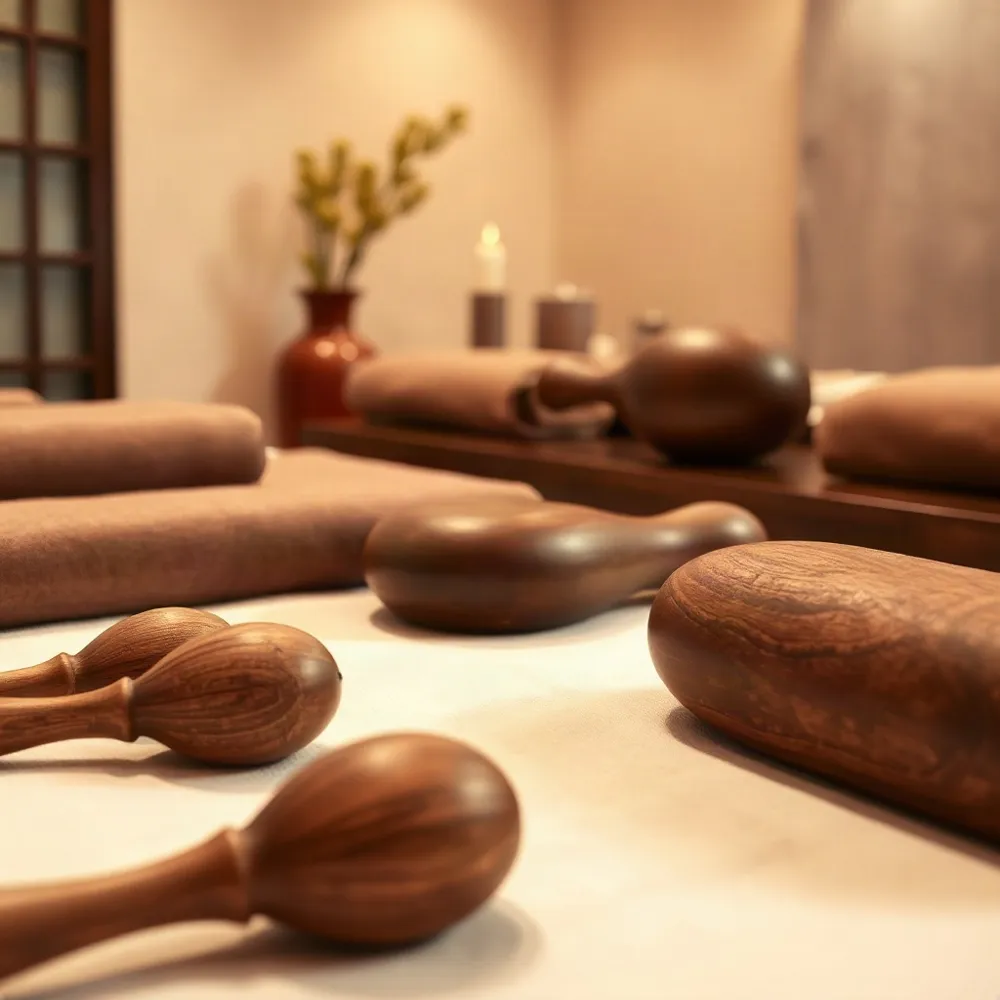
Additionally, Pink & Fancy offers specialized treatments such as post-operative care tailored to individual healing needs, body contouring services to sculpt and tone, wood therapy that aids in detoxification and tissue repair, and cellulite reduction therapies. These treatments work synergistically to minimize inflammation in obese lymphatic vessels and improve improving lymphatic circulation.
With a focus on personalized care, Pink & Fancy supports swelling and lymphatic issues management and accelerates the healing process. Their approach is designed to meet the unique challenges women face after surgery or during lymphatic dysfunction, ensuring a holistic pathway to maintain a strong lymphatic system and recovery.
Expertise Behind Pink & Fancy’s Lymphatic Care
Who founded Pink & Fancy and what expertise do they bring to the practice?
Pink & Fancy was founded by a seasoned Operating Room (OR) nurse with more than 25 years of comprehensive medical experience. This extensive clinical background is complemented by specialized training in lymphedema causes and treatments, enabling a deep understanding of the Lymphatic system overview in post-surgical recovery and women’s wellness.
The founder’s education includes studies at the prestigious Dr. Vodder School, renowned worldwide for the original Vodder method of Manual Lymph Drainage (MLD). This technique is a research-supported manual therapy that promotes Hydration and lymphatic function, reduces swelling, and supports immune function. Additional advanced training has been completed through courses affiliated with the Norton School of Lymphatic Therapy and the Foeldi Method protocols, both recognized for their high standards and evidence-based approaches.
This blend of nursing expertise and cutting-edge lymphology education allows the founder to deliver personalized, compassionate care tailored to each individual’s recovery needs. Women seeking Lymphatic system and immune defense—from those recovering after surgery to those managing chronic conditions—benefit from this expert, interdisciplinary approach. Pink & Fancy stands out as a practice grounded in clinical knowledge, therapeutic skill, and a heartfelt commitment to patient wellness.
Lymphatic Drainage Massage: A Key to Healing and Reducing Inflammation

How does lymphatic drainage massage stimulate lymph flow?
Lymphatic drainage massage benefits gently encourages the movement of lymph through the network of vessels and nodes. This specialized technique uses light, rhythmic strokes directed toward lymph nodes to enhance the natural circulation of lymph fluid. Since the lymphatic system lacks a central pump like the heart, this massage compensates by stimulating flow through muscle and skin movement, improving waste removal and fluid balance.
How does it help remove excess fluids, toxins, and inflammatory agents?
By promoting the efficient drainage of lymph, the massage aids in flushing out excess tissue fluids that can cause swelling (edema). It also facilitates the removal of toxins, cellular debris, and inflammatory substances from tissues. This cleansing effect reduces inflammation and prevents the accumulation of wastes that otherwise hinder tissue function and healing.
What role does it play in immune cell activity and tissue repair?
Enhanced lymph flow improves immune surveillance by allowing lymph nodes to filter pathogens and damaged cells effectively. The massage helps activate immune cells, including lymphocytes, shifting the balance toward anti-inflammatory responses that support tissue repair. This improved immune function fosters faster recovery and protects against infections.
What are its effects on pain and the nervous system?
Lymphatic drainage massage benefits reduces nerve pressure by relieving swelling, which can alleviate pain and discomfort. It also stimulates the parasympathetic nervous system, promoting relaxation and calming effects. This can lower stress-induced inflammation and support overall nervous system balance, creating a healing environment for the body.
Benefits of Post-Operative Care Targeting Lymphatic and Circulatory Health

What benefits can women expect from post-operative care services focusing on lymphatic and circulatory health?
Post-operative care that emphasizes lymphatic and circulatory health offers women numerous advantages that enhance their recovery journey after surgery. One of the most immediate benefits is a reduction in swelling, bruising, and pain, which not only improves physical comfort but also promotes better mobility during the healing phase.
This care supports the restoration of lymphatic flow, which often becomes disrupted during surgery. Proper lymphatic drainage facilitates the efficient removal of toxins, excess fluids, and cellular waste, accelerating tissue repair and reducing the potential for buildup of harmful substances.
Preventing fibrosis and tissue hardening is another critical benefit. Lymphatic drainage massage benefits and dedicated drainage techniques help maintain tissue softness and flexibility, which are essential for an even and aesthetically pleasing recovery.
Such interventions also lower the risk of complications including seromas and edema. By optimizing circulation and immune function, these therapies reduce fluid retention and inflammation in the surgical area.
Ultimately, integrating Lymphatic system overview into post-surgical care leads to the enhanced healing of affected tissues. This not only expedites recovery times but also improves the overall surgical outcome, facilitating smoother, healthier skin and tissues, and helping women achieve their desired aesthetic goals with greater comfort and confidence.
Empower Your Lymphatic System Through Conscious Lifestyle Choices
Supporting your lymphatic system through daily habits is essential for maintaining immunity and promoting recovery, especially for women’s wellness.
Adequate hydration keeps lymph fluid flowing smoothly, facilitating detoxification and immune defense. A nutrient-rich diet, abundant in fruits, vegetables, lean proteins, and omega-3 fatty acids, reduces inflammation and supports lymphatic vessels. Incorporating regular, gentle exercise like walking, yoga, or rebounding stimulates lymph circulation by activating muscle contractions.
Stress reduction through deep breathing, meditation, and quality sleep further enhances lymphatic function by reducing inflammation and improving overall immunity.
By consciously integrating these lifestyle choices, women can empower their lymphatic system, aiding long-term recovery, wellness, and resilience against illness.