What Really Happens to Your Body After Cosmetic Surgery?
March 16, 2026
Supporting Women Through the Emotional Rollercoaster of Cosmetic Recovery
March 23, 2026

Why the Buzz?
In recent years, “detox” programs have exploded on social media, promising rapid weight loss and toxin elimination through juice fasts, colon cleanses, or herbal supplements. Scientific reviews, however, show that the liver and kidneys handle detoxification naturally, and extreme regimens often cause fluid loss, electrolyte imbalances, or nutrient deficiencies rather than true toxin removal. At the same time, manual lymphatic drainage (MLD) has gained popularity, especially among women recovering from cosmetic or reconstructive surgery. Evidence‑based practice confirms that gentle, light‑pressure lymphatic massage can reduce postoperative swelling, improve comfort, and support immune surveillance, but it does not “flush out” heavy metals or create dramatic weight loss. Both trends illustrate a desire for quick fixes; the safest, most effective approach combines professional MLD when needed with balanced nutrition, regular exercise, and adequate hydration to support the body’s innate detox and healing systems.
Lymphatic Drops, Supplements, and What Science Says

Do lymphatic drainage drops really work? Topical drops lack credible evidence; the skin cannot “pump” lymph the a therapist can. Oral blends (e.g., echinacea, elderberry) may modestly support immunity, but results vary. The most reliable way to reduce post‑surgical swelling is manual lymphatic drainage performed by a certified therapist, complemented by a balanced diet and, if desired, a high‑quality supplement.
What does a lymphatic drainage supplement claim to do? Such supplements promise to enhance lymph movement, lower fluid retention, and act as natural detoxifiers that boost immune function. Common ingredients include ginger, dandelion, and burdock root, touted to stimulate circulation. While marketed for faster healing after cosmetic or reconstructive surgery, scientific data on measurable lymphatic benefits remain limited.
Can detox products really flush out toxins? Most detox regimens have not proven ability to remove toxins beyond the liver and kidneys. Experts from Johns Hopkins, NCCIH, and MD Anderson note these products are unregulated and may pose safety risks. Supporting the body with a whole‑food diet, adequate hydration, regular movement, and moderation of alcohol is far more effective for natural detoxification. Always consult a healthcare professional before adding any supplement to a recovery plan.
Safety First: Risks, Side Effects, and Contraindications
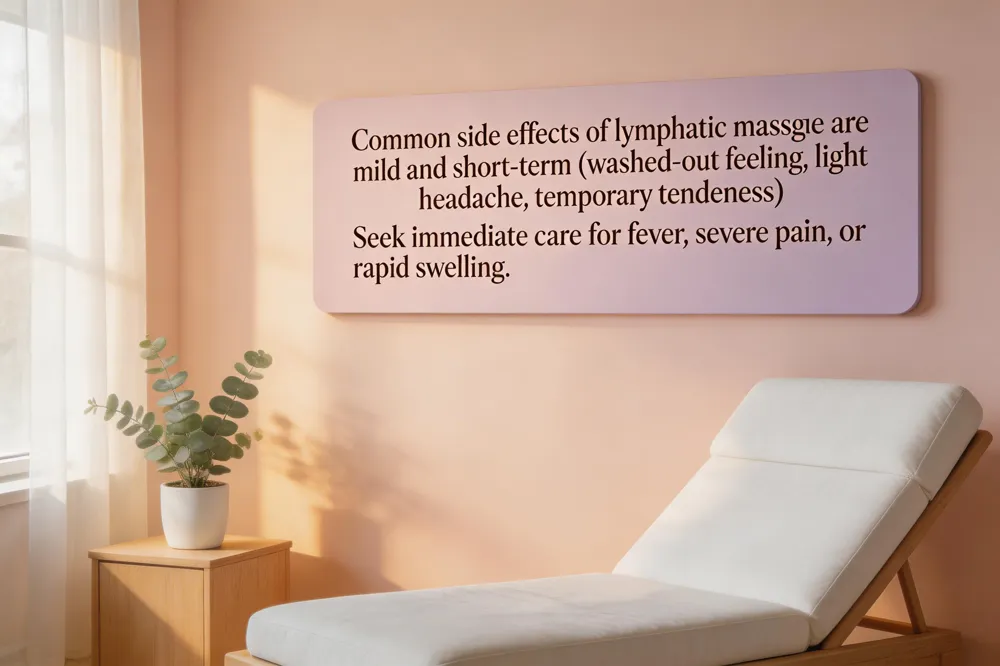
What are the side effects of lymphatic drainage massage? Most clients experience only mild, short‑term reactions: a “washed‑out” feeling, light headache, nausea, increased urination, or temporary tenderness in the treated area. A brief shift in swelling is common, and less‑common effects such as dizziness or mild skin irritation may linger 24‑48 hours. Red‑flag symptoms—fever, rapidly worsening swelling, severe pain, chest pain, or sudden shortness of breath—require immediate medical attention.
Where can I find a lymphatic massage near me? Search online for licensed therapists or wellness boutiques offering “[manual lymphatic drainage]”(https://www.uclahealth.org/news/article/lymphatic-drainage-massage-separating-fact-fiction) or “post‑operative lymphatic care.” In San Jose, Pink & Fancy specializes in women’s post‑surgical recovery. Elsewhere, use Google Maps, Yelp, or professional directories, verify credentials, and schedule a session that fits your recovery timeline.
Detox Strategies: Home Cleanses, 24‑Hour Plans, and Overnight Hacks

A gentle, evidence‑based approach to supporting the body’s natural detox pathways focuses on hydration, balanced nutrition, and light movement rather than extreme fasts or unregulated supplements. The liver and kidneys remain the primary detox organs; regular exercise, adequate water, and a diet rich in vegetables, whole grains, lean protein, and healthy fats keep them working efficiently. Lymphatic drainage massage (MLD) can complement this routine by encouraging fluid circulation and reducing post‑surgical swelling, but it does not “flush out” heavy metals or chemicals.
How can I do a full‑body detox cleanse at home? Start with 8 cups of water daily, fill two‑thirds of each plate with high‑fiber vegetables, fruits, whole grains, and legumes, add lean protein, and avoid ultra‑processed foods and sugary drinks. Include a 20‑minute walk or gentle yoga and finish with a dry‑brush self‑massage from feet upward. Follow for 5‑7 days, listening to your body.
What is the best way to detox the body in 24 hours? Begin with warm lemon water and deep‑breathing, drink 2‑3 L of filtered water (herbal teas optional), eat antioxidant‑rich vegetables and modest protein, skip processed foods, and add light activity. A brief professional LMD session, if available, can further aid fluid movement. End with a green‑smoothie and a calming stretch before sleep.
Is there an overnight detox home remedy? Yes—drink warm lemon water before bed, enjoy a light plant‑based snack (cucumber or berries), and ensure 7‑9 hours of uninterrupted sleep. A short Epsom‑salt foot‑bath can stimulate lymph flow, supporting the body’s overnight waste‑removal processes.
What are common detox drinks? Warm lemon water, cucumber‑mint infused water, and green tea provide hydration and antioxidants. A “secret” blend of apple‑cider vinegar, lemon, ginger, cinnamon, cayenne, and honey offers anti‑inflammatory benefits. Vegetable‑based smoothies or juices (e.g., cabbage‑cucumber‑lemon, pineapple‑cabbage‑ginger, celery‑pineapple‑coconut) deliver vitamins, fiber, and mild diuretic effects, while fruit‑herb teas such as hibiscus‑strawberry add vitamin C and reduce bloating.
Lymphatic Massage Benefits: Health, Kidneys, Liver, and Weight
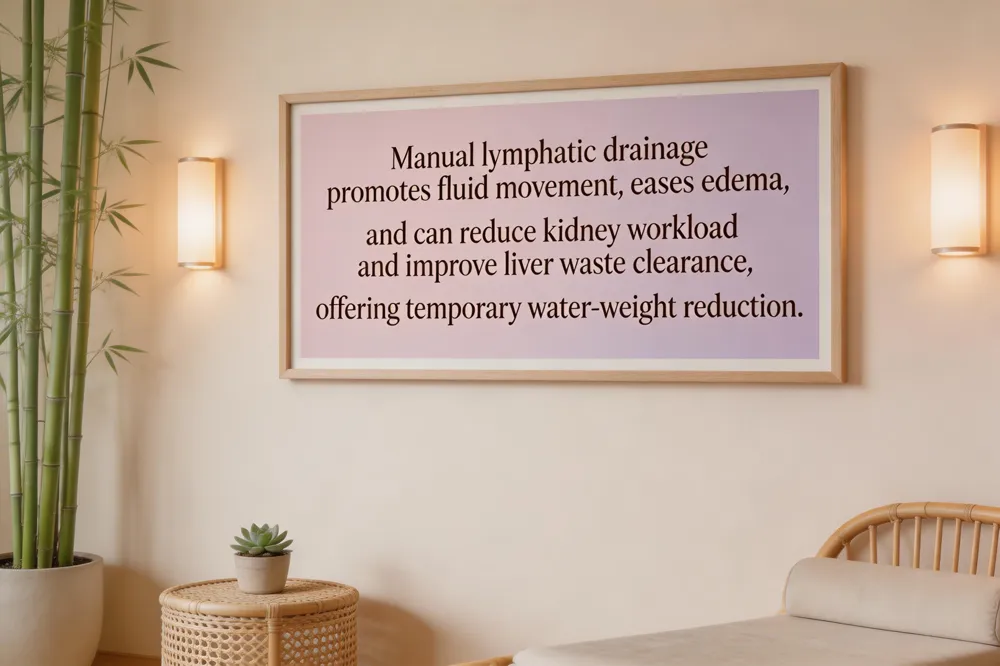
Regular manual lymphatic drainage (MLD) is a gentle, low‑pressure technique that helps move excess interstitial fluid back into the circulation, easing swelling and supporting overall wellness. By encouraging fluid movement, MLD can lower the workload on the kidneys—especially in healthy people—though it is not a treatment for chronic kidney disease and should be cleared with a physician when kidney function is impaired. The liver, which produces a large portion of the body’s lymph, also benefits: improved lymph flow may aid the removal of metabolic waste and reduce feelings of fatigue or congestion, yet it does not replace medical care for liver conditions. For weight management, MLD primarily reduces water retention, giving a temporary “lighter” look; any modest influence on appetite hormones is secondary to a balanced diet and regular exercise. In post‑surgical recovery, the therapy can speed edema reduction, enhance comfort, and promote relaxation—making it a valuable adjunct in women’s wellness plans.
Practical At‑Home Lymphatic Care: Self‑Massage and Techniques

How can I perform a self‑massage for the abdomen? Warm the area, take a few deep breaths, then use feather‑light fingertip circles on the lower‑right abdomen, moving clockwise toward the upper‑left quadrant. Sweep upward across the belly, repeat on the lower‑left side, and finish with gentle upward strokes above the navel toward the rib cage. Do 5‑10 minutes once or twice daily.
What are common lymphatic drainage techniques? Light, rhythmic “pump” motions toward nearby nodes, “cup‑stitch” strokes on the abdomen, cervical sweeps on the neck, and gentle “scooping” or “slapping” on the limbs—all performed with 10‑30 % of deep‑massage pressure to avoid collapsing vessels.
What myths surround deep‑tissue lymphatic drainage massage? It does NOT instantly flush toxins, boost immunity, or cause rapid weight loss. Deep pressure can harm delicate vessels; the therapy must stay superficial and is most effective for post‑surgical edema or lymphedema, not as a general detox cure.
What are the benefits of deep‑tissue lymphatic massage? When done correctly, it reduces chronic swelling, improves tissue elasticity, supports immune surveillance, and promotes a calming parasympathetic response, helping skin appear smoother and fluid feel less fatigued.
What toxins are released after a lymphatic massage? The massage mobilizes metabolic by‑products (lactic acid, urea, carbon dioxide) and cellular debris back into circulation, where the liver and kidneys filter them for elimination via urine or breath; they are not expelled through the skin.
Detox Myths Debunked: Products, Supplements, and Natural Toxin Removal

Do doctors recommend detoxing? Most physicians do not endorse commercial detox diets or cleansing products because they lack scientific proof and can risk electrolyte imbalance, nutrient loss, or liver injury. The body’s liver, kidneys, skin, lungs, and lymphatic system already eliminate waste when supported by a balanced diet, adequate hydration, regular exercise, and limited alcohol.
Is detox real or a marketing myth? The concept of detoxification is real—our organs continuously clear metabolic by‑products—but the rapid weight‑loss and toxin‑removal claims of many “detox” programs exceed what the body can safely achieve. Extreme fasting, juice‑only regimens, and unregulated supplements often cause more harm than benefit.
How can I naturally remove toxins? Stay well‑hydrated, eat a fiber‑rich, antioxidant‑packed diet (e.g., leafy greens, berries, cruciferous vegetables), move regularly, get 7‑9 hours of sleep, and manage stress. Gentle lymphatic drainage massage, deep breathing, and a mild sauna can further support fluid movement and waste clearance.
What comes out during a detox? The body primarily expels water, minerals, urea, carbon dioxide, and excess salts via urine, sweat, breath, and stool. Lymphatic massage helps move interstitial fluid toward the bloodstream, where liver and kidneys filter it out. No mysterious “toxins” are removed beyond routine metabolic waste.
Is there an overnight detox home remedy? A cup of warm lemon water before bed, a light plant‑based snack, 7‑9 hours of sleep, and a brief Epsom‑salt foot soak can gently promote liver, kidney, and lymphatic function without aggressive cleanses.
What are the benefits of a full‑body lymphatic massage? It reduces edema, supports immune surveillance, lowers stress, improves skin tone, and speeds recovery after cosmetic surgery—while aligning with Pink & Fancy’s evidence‑based, compassionate wellness approach.
Putting It All Together
Key takeaways
- Manual lymphatic drainage (MLD) is a gentle massage that reduces swelling, lymphedema and fluid retention. It does not “detoxify” the body, boost immunity beyond its role, or cause fat loss; any weight change is water loss.
- Liver and kidneys are the detox organs. Detox diets, juice fasts, colon cleanses and unregulated supplements can cause electrolyte imbalances and nutrient deficiencies without benefit.
- Guidance is essential. Certified therapists trained in MLD can tailor treatment, avoid contraindications such as infection or vein thrombosis, and combine compression, skin care and exercise.
Next steps for wellness
- Schedule an MLD assessment with a therapist within the first week after incision healing.
- Follow a balanced diet rich in lean protein, whole grains, fruits and vegetables; stay hydrated.
- Include gentle movement—walking, breathing or swimming—to aid lymph flow.
- Wear compression garments as directed and monitor swelling.
- Consult your physician before starting new supplement, cleanse or self‑massage.