Myths Versus Facts: What You Didn’t Know About Lymphatic Massage
May 10, 2026
Unveiling the Top Red Flags During Post-Surgical Healing You Should Never Ignore
June 5, 2026
Setting the Stage for Safe Healing
The global cosmetic surgery market reached $44.55 billion in 2020 and is projected to grow to $58.78 billion by 2028. This expansion has increased demand for specialized post‑operative care in the United States. Procedures such as liposuction, tummy tucks, breast surgeries, and Brazilian buttock lifts require attentive recovery support to manage swelling, reduce complications, and promote healing.
Why Safety Standards Are Essential
Safety in the post‑surgical period is non‑negotiable. Unsafe care can lead to harm, with complications occurring in up to 25% of inpatient operations. The World Health Organization Surgical Safety Checklist, a 19‑item tool, has been shown to reduce surgical complications by over 30% when properly implemented. Adherence to such standards, along with facility accreditation and proper staff certification, dramatically lowers the risk of post‑operative complications.
Pink & Fancy’s Mission and Expertise
Founded by an operating room nurse with more than 25 years of medical experience, Pink & Fancy integrates clinical expertise with compassionate, personalized care. Their team holds specialized certifications in lymphatic therapy and post‑operative recovery protocols. Every service—from manual lymphatic drainage to body contouring—is delivered with a focus on patient safety, evidence‑based techniques, and wellness education tailored to women recovering from surgery.
The Power of the WHO Surgical Safety Checklist
The 19‑Item Checklist and Its Impact
The World Health Organization Surgical Safety Checklist (SSC) is a 19‑item tool that has been shown to reduce surgical complications by up to 30 % and mortality by roughly 15 %. Evidence from a retrospective analysis of 40,058 surgeries in Italy found that incomplete checklists were associated with a 2‑fold higher risk of complications (unadjusted relative risk = 2.04), while non‑conformities—deviations from standard practice—increased risk by 2.35 times. Even after adjusting for patient factors, the risk remained significantly elevated (adjusted RR ≈ 1.97). These findings underscore that both completeness and conformity are critical for patient safety.
Pink & Fancy mirrors this checklist mindset in its wellness boutique. Founded by an OR nurse with over 25 years of clinical experience, the boutique applies structured pre‑ and post‑treatment protocols for every lymphatic drainage or body contouring session. Therapists verify client readiness, review medical history, and perform safety checks—akin to the SSC’s Sign‑In, Time‑Out, and Sign‑Out phases. This systematic approach ensures that each client receives consistent, evidence‑informed care, reducing the risk of complications and supporting faster recovery.
Accreditation: A Mark of Trust for Surgical Facilities

Trusted Accrediting Bodies and Their Standards
When choosing a surgical facility, accreditation by a recognized organization is a strong indicator of safety. Major accrediting bodies include The Joint Commission (JCAHO), the Accreditation Association for Ambulatory Health Care (AAAHC), and the American Association for the Accreditation of Ambulatory Surgery Facilities (AAAASF), and QUAD A. These groups require on‑site audits at least every three years, annual comprehensive reviews, and strict adherence to standards for staff qualifications, equipment maintenance, and infection control.
Accredited facilities must maintain continuous quality‑improvement programs, verify surgeon board certifications, and document emergency procedures. Non‑accredited offices often lack robust protocols, increasing the risk of postoperative complications. Choosing an accredited center significantly lowers the likelihood of medical mishaps and supports a safer recovery.
Patients can verify a facility’s accreditation by checking the accrediting body’s online directory or asking the surgeon’s office for documentation. This simple step ensures that care meets established safety standards, providing peace of mind during a vulnerable time.
Professional Safety Certifications Elevate Post‑Op Care
ASSP Certificates Build a Safety Foundation
The American Society of Safety Professionals (ASSP) offers six certificate programs that deepen expertise in safety management. The ANSI/ASSP Z16 Certificate focuses on safety metrics for continuous improvement. The Risk Management Certificate teaches proactive hazard reduction, while the Safety Management Certificate covers core safety approaches. Additional programs in Incident Investigation, Leadership, and Occupational Health and Safety Management Systems equip professionals to create safer post‑operative environments. These credentials demonstrate a commitment to evidence‑based protocols that protect recovering patients.
CPPS and CPHQ Credentials for Patient Safety
The Certified Professional in Patient Safety (CPPS) credential, awarded by the Institute for Healthcare Improvement, validates skills across four domains: culture, systems thinking, safety risks, and performance measurement. Over 7,000 professionals worldwide hold this certification, which is accredited by the National Commission for Certifying Agencies. Similarly, the Certified Professional in Healthcare Quality (CPHQ) is the industry standard for quality assurance. Both credentials signal that post‑operative staff are trained to identify risks, reduce errors, and promote faster, safer recovery for women after surgery.
Certified Post‑Anesthesia Nurses in Recovery
Certified Post Anesthesia Nurses (CPAN) specialize in caring for patients immediately after surgery. To earn the credential, RNs must have at least 1,200 hours of perianesthesia experience and pass a rigorous exam. CPANs manage ventilation, pain, and instability in recovery units, ensuring vital signs and comfort are closely monitored. Their expertise complements specialized therapies like lymphatic drainage offered at clinics such as Pink & Fancy, providing an extra layer of safety during the vulnerable healing phase.
Professional certifications in safety, quality, and perianesthesia nursing create a foundation of excellence. For women recovering from cosmetic or reconstructive surgery, these credentials mean their care team is trained to prevent complications, respond promptly to changes, and support a smooth, comfortable recovery.
Lymphatic Drainage Certification: Time, Prerequisites, and Pathways
How long does it take to get certified in lymphatic drainage?
Certification timelines vary. A basic Manual Lymph Drainage (MLD) course typically requires 40 contact hours, often completed in a five‑day intensive or a hybrid format with online study and a hands‑on workshop. Lymphedema‑focused seminars run about 31 hours, while comprehensive certification can total 135 hours. Most programs are designed for licensed healthcare professionals and include self‑paced study. Overall, expect one to three weeks of focused training to earn certification.
What are the prerequisites for becoming certified in lymphatic drainage?
You must first hold a valid state or national license in a related health field—such as physical therapy, nursing, massage therapy, or chiropractic. Then complete at least 18 hours of approved continuing education covering lymphatic anatomy, compression techniques, and both pre‑op and post‑op MLD protocols. Submit your professional license, CE certificates, and application fee. Finally, agree to the certifying body’s code of ethics and renew every two years with 12 hours of continuing education.
Different certification tracks
Three common pathways exist: basic MLD certification, lymphedema management certification, and comprehensive certification. Each builds on core lymphatic skills but targets different scopes of practice—from postoperative edema reduction to chronic lymphedema care—allowing therapists to specialize according to client needs.
How Pink & Fancy’s staff meet these standards
Pink & Fancy’s therapists hold active licenses and advanced credentials such as Certified Lymphedema Therapist (CLT). They have completed specialized post‑operative MLD training and maintain ongoing education to align with current protocols. This ensures every client receives safe, personalized care from qualified professionals, supporting faster recovery and better outcomes after cosmetic surgery.
Medical Massage Certification: From License to Board‑Certified Therapist
State License: The First Step
Becoming a certified medical massage therapist starts with a valid, state‑issued massage therapy license. In California, for example, anyone providing therapeutic massage—including lymphatic drainage for post‑surgical clients—must hold a license like the CAMTC certification. This foundational credential ensures you understand anatomy, sanitation, and professional boundaries before you specialize in medical massage.
NCBTMB‑Approved Programs and Board Certification
After obtaining your license, enroll in a medical‑massage program approved by the National Certification Board for Therapeutic Massage and Bodywork (NCBTMB). Programs such as the 18‑hour Post‑Op Manual Lymphatic Drainage certification offered by True Massage & Bodywork qualify for NCBTMB continuing education credits and cover techniques for tummy tucks, BBLs, and breast augmentation. Upon completing the required coursework and clinical hours, you can sit for the NCBTMB Medical Massage Therapist certification exam. Earning this board‑certified credential demonstrates your commitment to safe, evidence‑based care—especially valuable for women recovering from cosmetic or reconstructive surgery.
Maintaining Your Credential
Board certification must be renewed every three years, typically by retaking the exam or completing 90 contact hours of approved continuing education. Many post‑operative specialty courses, such as the 2.5‑credit “Massage Therapy for Post‑Operative Pain” from AMTA, offer CEUs that count toward renewal. Staying current with these requirements allows you to provide compassionate, personalized recovery support while reducing risks like infection or delayed healing.
Putting Safety into Practice at Pink & Fancy
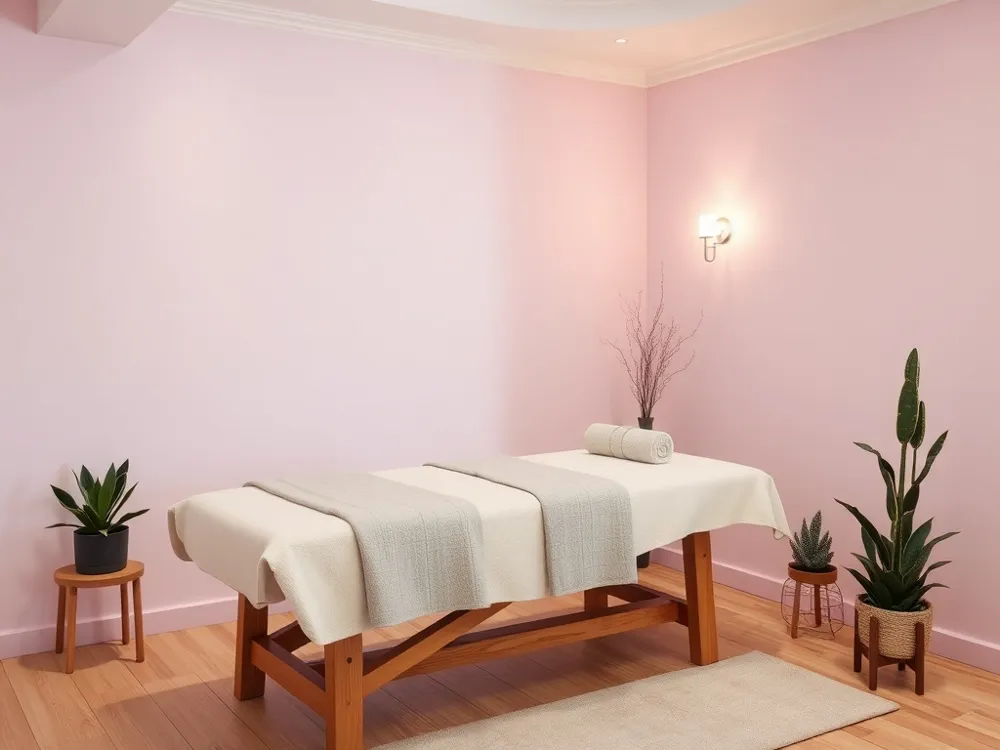
How are safety protocols from surgery centers carried into the recovery room at Pink & Fancy?
The foundation for safe recovery begins before the client ever walks through the door. Pink & Fancy adapts the principles of the World Health Organization (WHO) Surgical Safety Checklist for a post-operative care setting. Just as the WHO checklist uses verification steps before anesthesia, before incision, and before leaving the OR, the boutique integrates similar pause-and-confirm steps at intake. A woman’s surgical history, medication list, and specific post-op restrictions are verified against her discharge summary. This mirrors the checklist’s goal of preventing errors and catching missing information early. The environment also adheres to OSHA standards for bloodborne pathogens, sanitation, and ergonomic safety. A clean, well-ventilated treatment room reduces infection risk, while proper body mechanics protect both the therapist and the recovering client.
What credentials do the staff hold to ensure quality and safety?
The boutique was founded by an operating room nurse with over 25 years of medical experience, giving it a clinical foundation that most wellness facilities lack. Staff hold a combination of credentials: the Certified Post Anesthesia Nurse (CPAN) credential from ABPANC, the Certified Professional in Patient Safety (CPPS) from the Institute for Healthcare Improvement, and state Licensed Massage Therapist (LMT) credentials. Therapists specializing in lymphatic work also hold the Certified Lymphedema Therapist (CLT) credential. These certifications require ongoing clinical hours and continuing education, ensuring that the team stays current with evidence-based post-anesthesia care and patient safety standards.
Which evidence-based treatments are offered to support healing?
Manual Lymphatic Drainage (MLD) is the core treatment, and it is delivered using protocols from the Academy of Lymphatic Studies and the Norton School of Lymphatic Therapy. The therapists use light, rhythmic strokes to move fluid away from surgical sites, reducing edema and preventing seromas. Compression garments—some of which are FDA-cleared as medical devices—are fitted and assessed during sessions to support tissue reattachment and control swelling. Wood therapy (wood cupping) is used carefully on appropriate zones to break up fibrotic tissue and improve circulation, but only after the surgeon has cleared the area and no open wounds are present. These treatments align with the ACS principle that all postoperative interventions must be evidence-based and provided by qualified practitioners.
How does Pink & Fancy empower clients to take charge of their own recovery?
Patients are given a patient-driven post-operative checklist at the first consultation. This checklist, adapted from the WHO and patient-safety literature, covers key pre-operative information (medication list, dental status, health optimization steps) and post-operative plans (wound care, activity restrictions, warning signs of DVT or infection). It serves as a communication tool, prompting the client to ask questions and alert the therapist to any missing information. Education is repeated and concise. Clients are taught how to monitor their own incisions, recognize the “six Ws” of post-op fever, and understand when to call their surgeon. A specific protocol for pain medication side effects—especially constipation and respiratory depression—is reviewed, using the multimodal pain management approach recommended by the ACS.
| Safety Element | Source of Standard | Pink & Fancy Application |
|---|---|---|
| Verification of patient identity and surgical details | WHO Surgical Safety Checklist | Reviewed at each new client intake against discharge paperwork |
| Infection control and sanitation | OSHA General Industry (29 CFR 1910) | Sterile linens, hand hygiene, proper disposal of biohazard waste |
| Edema and pain management | ACS post-op care guidelines; Academy of Lymphatic Studies | Manual Lymphatic Drainage and compression garment fitting |
| Patient education and empowerment | WHO patient-driven checklist | Written checklist provided; warning signs reviewed at each session |
| Staff competence and continuing education | CPAN, CPPS, CLT, LMT state licensure | Mandated ongoing CEUs; team holds multiple patient-safety certifications |
| Use of FDA-cleared devices | FDA regulations | Compression devices and wood therapy tools are verified |
| Documentation and communication | HIPAA compliance; ACS continuity of care | All sessions documented and shared with the client’s surgeon upon request |
This structured, evidence-based approach transforms a wellness boutique into a safe, professional extension of the surgical recovery pathway. Every touchpoint—from the initial phone call to the final follow-up session—is designed to catch errors, reduce complications, and promote faster, more comfortable healing for women recovering from cosmetic or reconstructive surgery.