Your First Post-Op Lymphatic Massage Session: What to Expect
May 10, 2026
Step-by-Step Guide to Surgical Recovery Massage Protocols
May 10, 2026
What Is Lymphatic Drainage Massage and How Does It Help After Surgery?
A Gentle, Targeted Technique
Manual lymphatic drainage (MLD) is a gentle, rhythmic massage using light, wave-like strokes to stimulate the lymphatic system. Unlike deep tissue work, it redirects excess fluid from surgical sites toward lymph nodes for processing and elimination. This reduces post-surgical swelling (edema), bruising, and inflammation. MLD also accelerates removal of metabolic waste and residual anesthesia, lessening pain, improving mobility, and preventing hard, fibrous tissue (fibrosis). By enhancing immune function, it lowers infection risk and supports smoother recovery.
Recognizing a Sluggish Lymphatic System
Persistent swelling, tightness or heaviness, pitting edema (skin holds an indentation), reduced range of motion, and swelling that worsens with heat or inactivity all indicate lymphatic congestion that can be relieved with MLD.
Evidence-Backed Results
Clinical studies (NCBI, Indian Journal of Plastic Surgery) confirm that consistent MLD after liposuction and body contouring significantly decreases edema, fibrosis, and pain. Certified therapists consider it a reliable, non-invasive method that consistently improves recovery outcomes. While success depends on consistency and individual factors, it is widely endorsed for post-surgical edema.
Your First Session: What to Expect
Before Your First Session
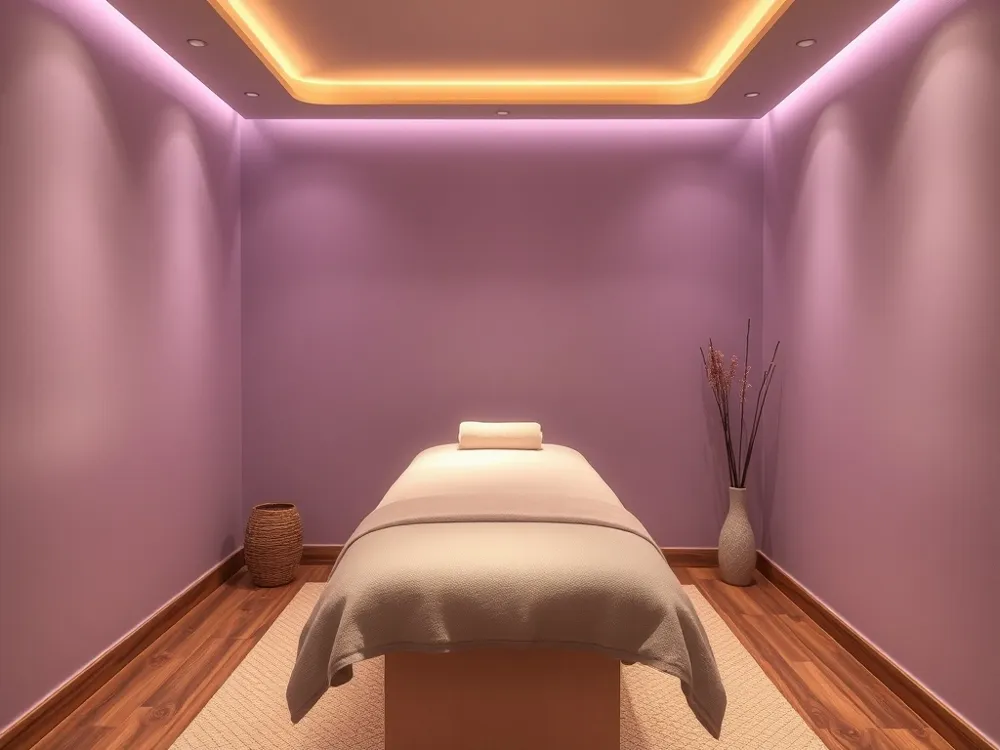
At Pink & Fancy, your care begins with a personalized consultation. Our founder, an OR nurse with over 25 years of experience, reviews your medical history, surgical procedure, and healing goals to ensure your massage supports your unique recovery path and surgeon’s instructions.
Timing and What Happens During the Session
Lymphatic massage typically starts 3–5 days after liposuction, 1 week after a tummy tuck or facelift, or 1–2 weeks post-op depending on your surgeon’s protocol and incision healing. During the 45–90 minute session, your therapist uses light, rhythmic strokes on main lymph node clusters—neck, armpits, groin—then gently works near your surgical site. The pressure is intentionally gentle, like a light stretch, not deep tissue. No oils are used, allowing direct skin contact for optimal fluid drainage. You’ll feel deeply relaxed, with mild warmth or tingling. The massage is pain-free.
What to Expect Afterward
Immediately after, you may feel lighter, less puffy, and notice increased thirst or urination as fluid moves. Mild fatigue or soreness is normal and temporary, signaling your body is actively processing. To maximize results, wear compression garments 24/7 for at least 6 weeks. Loose, comfortable clothing is ideal for your session. Costs average $100–$150 for 60 minutes or $150–$200 for 90 minutes, with package discounts available for ongoing care. Stay hydrated, rest, and trust your body’s natural healing process. This first session sets the foundation for a smoother, more comfortable recovery.
After Your Massage: Immediate Effects and Essential Aftercare
What should I expect right after my first lymphatic drainage massage?
Immediately after your first session, it is normal to experience fatigue lasting 24–48 hours. This is a sign that your lymphatic system is working harder to process waste. You may also notice increased thirst, more frequent urination, or a mild headache. Some clients report emotional shifts, such as tearfulness or a deep sense of calm, as stagnant energy moves out of the tissues. These are all positive indicators that detoxification pathways are active.
How do I feel after my first lymphatic drainage massage?
Most women feel deeply relaxed and lighter, with noticeable reductions in puffiness and bloating. Although you may feel sleepy or a little tired, the session should not be painful. The goal is to leave feeling soothed and supported. If you need to use the restroom more often or feel thirstier than usual, that is a good sign your body is responding well to the internal “cleanup.”
What should I avoid after a lymphatic drainage massage?
For at least 24–48 hours, avoid strenuous exercise, alcohol, caffeine, heavy or processed meals, and hot baths or saunas. These can cause dehydration or inflammation, undoing the session’s benefits. Also steer clear of tight clothing that can restrict lymph flow. Focus on light activities like walking and gentle stretching instead.
Are there any side effects or dangers of lymphatic drainage massage?
Side effects are rare. Some clients may experience a mild “detox flu” with low-grade fever, chills, or body aches if waste is not eliminated quickly. Mild skin reactions such as breakouts or itchiness can occur and should be reported to your therapist. Emotional release is common and can be processed with self-compassion. Lymphatic massage is not recommended for those with active infections, blood clots, deep vein thrombosis, uncontrolled heart disease, kidney failure, or cancer in the treatment area. Always consult your surgeon first.
Essential aftercare: hydration, movement, and compression
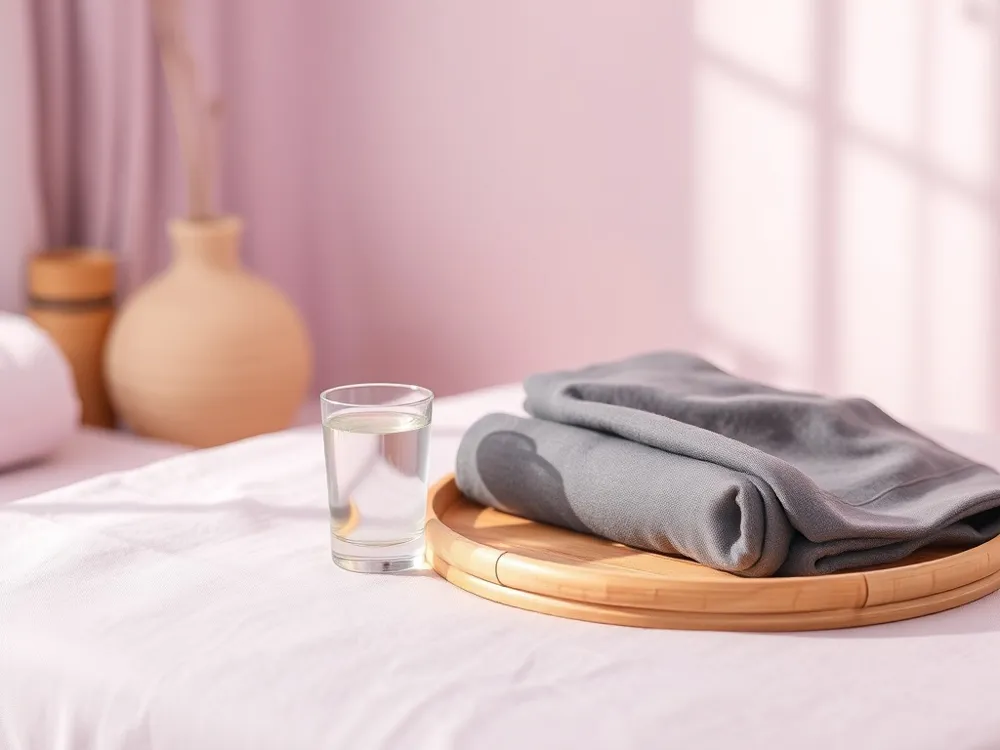
Aftercare is just as important as the session itself. Drink 1.5–2 litres of water slowly over the next 24 hours. Eat antioxidant-rich foods such as leafy greens, berries, and lean proteins. Rest and aim for 7–9 hours of sleep to support your body’s recovery. Continue wearing your compression garments as prescribed—they prevent fluid from re-accumulating and maintain the session’s results. Consistent aftercare ensures lasting benefits and a smoother recovery.
How Lymphatic Massage Helps Scar Tissue and How to Support Your Own Healing at Home
Does Lymphatic Drainage Massage Help With Scar Tissue?
Yes, manual lymphatic drainage (MLD) is a powerful tool for managing scar tissue after surgery. Regular sessions help break down dense, disorganized collagen fibers that form during healing. This softening makes scar tissue more pliable, less visible, and more comfortable. By reducing congestion around your incisions, MLD encourages smoother scar remodeling, improving both the function and the final aesthetic outcome.
How Do Compression Garments Help My Lymphatic System After Surgery?
Compression garments are essential partners to lymphatic massage. They apply gentle, consistent pressure that reduces swelling, supports lymphatic drainage, and stabilizes healing tissues. This prevents fluid from re-accumulating between sessions. You will typically wear stage-specific garments: softer versions in the first weeks, then firmer compression later. Consistent wear, often 24 hours a day for at least six weeks, is crucial for preventing complications like seromas and enhancing your surgical results.
Can I Do Lymphatic Drainage on Myself?
Yes, self-lymphatic drainage is an excellent complement to professional care. However, it is a supplement, not a replacement. After your therapist shows you the correct technique, you can practice at home. Use very light pressure — imagine stroking a cat — and always direct your strokes toward your heart to guide fluid toward major lymph nodes. Begin by opening nodes in your chest and underarms, then work on swollen areas for just five to ten minutes daily. Consistency matters far more than intensity.
Complementary Practices to Support Lymph Flow
Between professional sessions, you can support your healing with simple practices. Gentle activities like walking or restorative yoga use muscle contractions to naturally pump lymph fluid. Deep diaphragmatic breathing also stimulates lymphatic flow in your torso. Dry brushing, using gentle strokes toward your heart, can help mobilize fluid just before a shower. Contrast showers (alternating warm and cool water) encourage circulation. For 24 hours after a session, avoid strenuous exercise, alcohol, and heavy meals to let your body process the mobilized waste.
Integrating Self-Massage with Professional Care
Self-massage works best as part of a complete recovery plan. Your therapist will likely recommend 2-3 sessions per week initially, then taper the frequency as swelling decreases and scar remodeling progresses. Combining professional care with at-home techniques, proper hydration, balanced nutrition, and consistent compression garment use gives you the best chance for smooth healing and optimal results. Always check with your surgeon before starting any new complementary practice.
Finding Professional Post‑Surgical Lymphatic Care in San Jose
Where can I find professional post-surgical lymphatic care in San Jose?
In San Jose, Pink & Fancy provides expert care guided by an OR nurse with over 25 years of medical experience. This boutique offers personalized lymphatic drainage, post‑operative support, body contouring, wood therapy, and cellulite treatments, all tailored to your surgical procedure and recovery stage. Other well‑regarded options include Body Sculpture Spa for post‑op lymphatic drainage and non‑invasive body sculpting, and Revive Lymphatic Drainage, which earns high ratings on Yelp.
What are the benefits of lymphatic drainage massage after surgery?
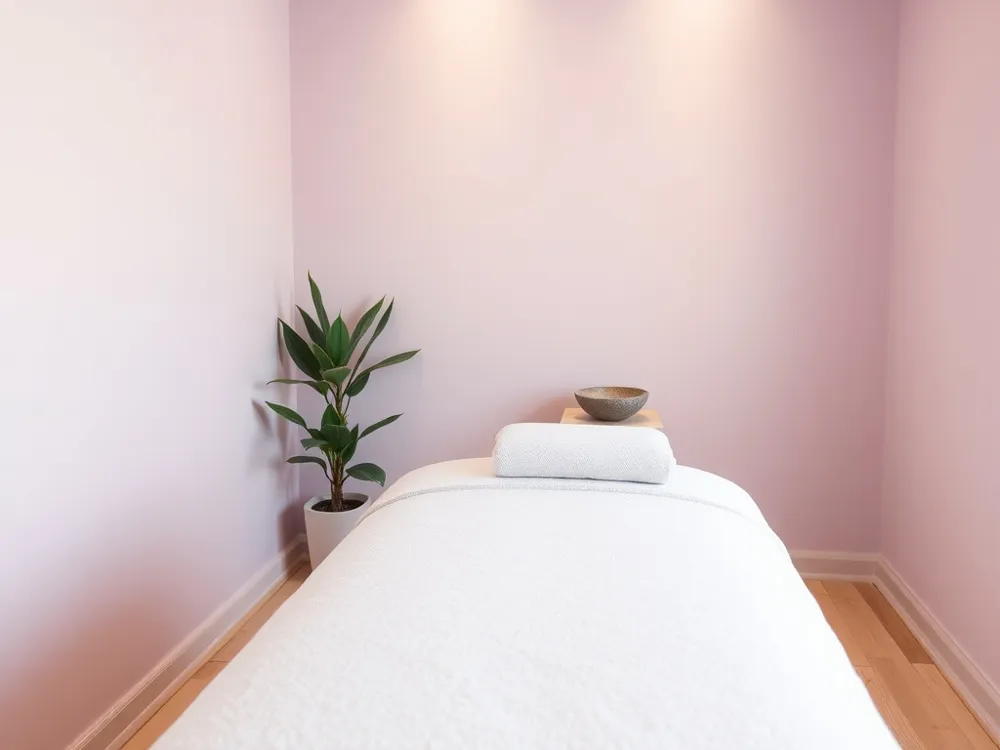
Lymphatic drainage massage reduces swelling and inflammation, eases discomfort, accelerates healing, and improves mobility. It helps soften scar tissue, supports immune function, and eliminates residual anesthesia, lowering the risk of complications like fibrosis or wound infection. Choosing a trained professional is crucial: a certified lymphatic therapist (with at least 135 hours of training) uses appropriate light pressure, respects surgical timelines, and avoids contraindications such as active infections or blood clots. A calm, personalized environment further enhances your recovery experience.
Empower Your Recovery with Expert Care
Empower Your Recovery with Expert Care
Your first post‑op lymphatic massage is a gentle yet powerful tool. It reduces swelling, speeds healing, softens scars, and supports emotional well‑being—especially when combined with proper aftercare and compression. Come prepared: hydrate well, eat nourishing foods, wear comfortable clothing, and communicate openly with your therapist. The benefits far outweigh any temporary mild side effects.
Contact Pink & Fancy to schedule your personalized post‑surgical session. Experience the difference that clinical expertise and compassionate care can make in your recovery journey.