
Effective Fibrosis Treatment Techniques After Surgery
April 5, 2026
7 Myths About Lymphatic Massage That Could Be Sabotaging Your Healing
April 5, 2026

Introduction
Compression therapy uses medical‑grade garments that apply gentle, graduated pressure to the limbs or surgical site. By enhancing venous return, reducing swelling, and supporting lymphatic drainage, these garments help limit edema, bruising, and postoperative pain while promoting faster tissue repair. For women at Pink & Fancy, who often undergo cosmetic or reconstructive procedures, personalized compression fitting provides a low‑risk, evidence‑based tool that complements lymphatic massage, scar‑management techniques, and guided mobility plans. Wearing the right compression—typically 15‑30 mmHg for the first two weeks and then transitioning to lighter support—can preserve muscle strength, reduce delayed‑onset soreness, and lower the risk of complications such as deep‑vein thrombosis. Our boutique tailors garment selection and wear schedules to each client’s procedure, body type, and recovery goals, ensuring comfort, safety, and optimal aesthetic outcomes.
How Compression Works for Healing and Recovery
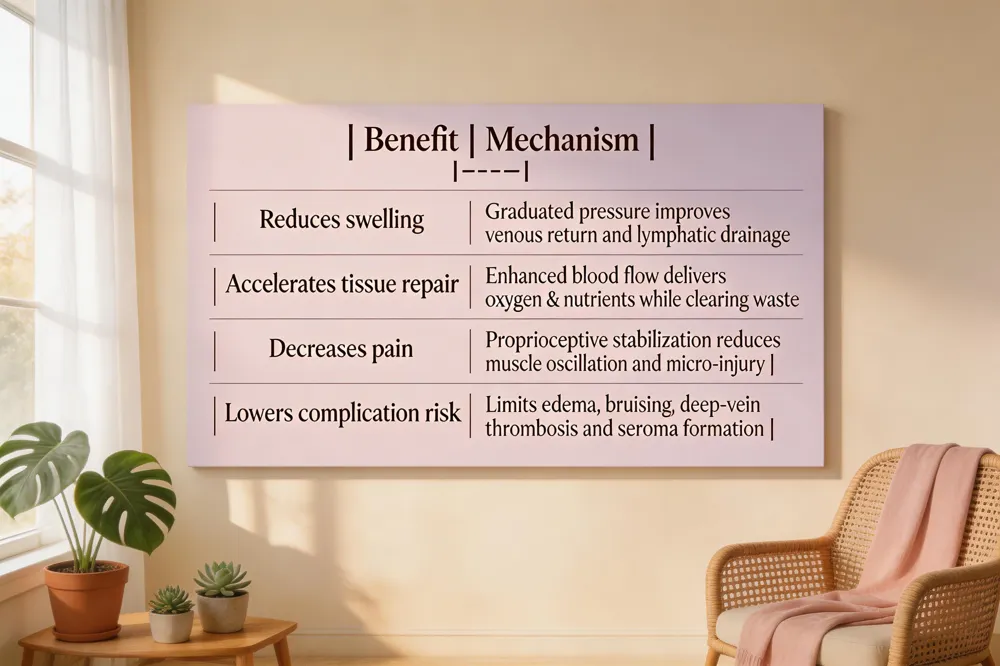
Compression garments aid healing by applying gentle, graduated pressure that venous return and lymphatic drainage, limiting fluid buildup and reducing postoperative swelling and inflammation. The pressure enhances blood flow, delivering oxygen and nutrients while clearing metabolic waste, which accelerates tissue repair and eases pain. Proprioceptive stabilization from the snug fit helps the injured or post‑surgical area move more smoothly, decreasing muscle oscillation and the risk of micro‑injury. Research shows that lower‑limb compression preserves strength and power recovery, especially within the first 24‑hours and after 72 hours of rest, and that both trained and untrained women experience measurable benefits. By flattening edema, limiting bruising, and supporting incisions, compression also lowers the incidence of complications such as deep‑vein thrombosis and seroma formation. When combined with lymphatic drainage massage and personalized post‑operative care, Compression garments provide a low‑risk, effective tool that promotes faster, more comfortable healing for women recovering from cosmetic or reconstructive surgery.
Post‑Surgical Wear Schedules and Stages
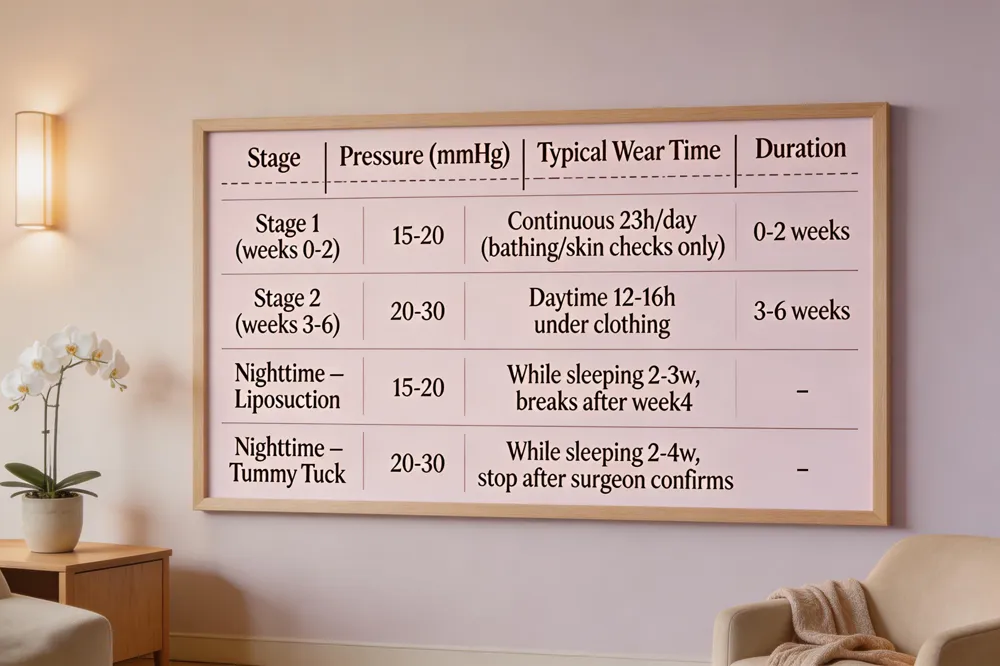
A typical post‑surgical compression plan begins with Stage 1 garments (the first 0–2 weeks). These are made from softer, highly stretchable fabric with easy‑zip or hook‑and‑eye closures and provide gentle, moderate pressure (‑15–20 mmHg) to control swelling, protect incisions and support lymphatic drainage. During this phase most surgeons recommend continuous wear – 23 hours per day, removing the piece only for bathing and skin checks.
After the initial edema subsides (around week 3–6), patients transition to Stage 2 garments. These are thicker, firmer (20–30 mmHg) and designed for longer daytime use (12–16 hours) under everyday clothing while still being breathable.
Nighttime use differs by procedure. For liposuction, many clinicians advise keeping the garment on while you sleep for the first 2–3 weeks, then allowing short, supervised breaks after week 4 once swelling has markedly reduced. After a tummy‑tuck, nighttime compression is typically continued for 2–4 weeks; discontinuation should only occur after a follow‑up confirms stable sutures and minimal edema.
In the early postoperative period, aim for 8–12 hours of wear on each day as you build tolerance, gradually increasing toward the full‑day schedule. Always follow your surgeon’s or therapist’s specific timing and pressure recommendations, and monitor for any increase in pain, bruising, or puffiness, which should prompt a return to compression and a clinician check‑in.
Procedure‑Specific Compression: Liposuction, Tummy Tuck & Facelift
Compression garments are a cornerstone of post‑surgical wellness for women, delivering graduated pressure that limits fluid buildup, improves venous and lymphatic return, and stabilizes newly‑contoured tissues. Research shows that well‑fitted lower‑limb compression reduces strength loss and power decline after fatigue (Hedges’s g ≈ ‑0.28 to ‑0.23) and that these effects are strongest when garments are worn within two hours of surgery and for at least 72 hours of rest.
Too much compression after liposuction – Excessively tight garments can restrict arterial flow, cause numbness, tingling, or skin discoloration, and may even delay healing or increase swelling. If pain persists, adjust to a larger size or lower the pressure (15‑20 mmHg) and consult your surgeon. Improper fit is essential; ill‑fitting garments can be ineffective or cause discomfort.
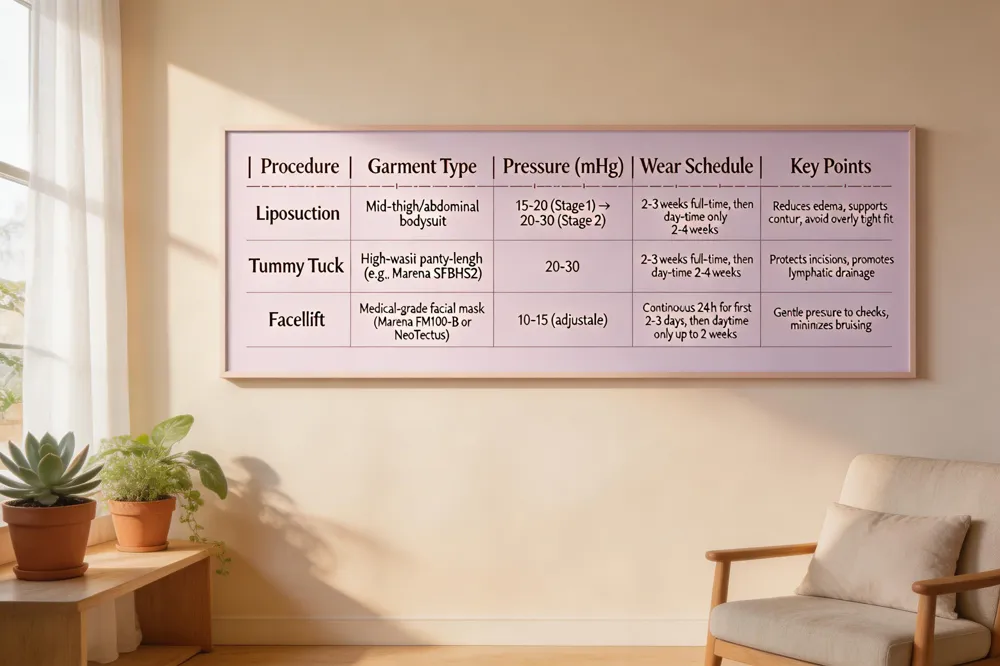
Post‑surgery compression for liposuction – A snug, breathable mid‑thigh or abdominal bodysuit should be worn continuously for the first 2‑3 weeks, then tapered over the next 4‑6 weeks. The garment supports circulation, reduces edema, and enhances the final contour.
How long to wear after Lipo 360 – Continuous wear for 2‑3 weeks, followed by a lighter “stage 2” garment for a total of 4‑6 weeks (gradually decreasing daily wear time). Two‑stage compression regimen: firm stage 1 (1–2 weeks) and less firm stage 2 (weeks 2–6).
Compression after tummy tuck and lipo – Same protocol: 2‑3 weeks full‑time, then day‑time only for another 2‑4 weeks, totaling 4‑6 weeks of support.
Stage 2 garment for tummy tuck – A high‑waist, panty‑length bodysuit (e.g., Isavela BS02/BS04 or Marena SFBHS2) with breathable, flat‑seamed fabric provides firm abdominal support while allowing movement.
Best facelift compression garment – Full‑face, medical‑grade masks such as the Marena FM100‑B or NeoTectus Post‑Facelift Garment give gentle, adjustable pressure to the cheeks, jaw, and neck, promoting lymphatic drainage and minimizing bruising.
Consistent, properly fitted compression, combined with professional lymphatic drainage massage, accelerates healing, reduces swelling, and helps women at Pink & Fancy achieve smoother, lasting results.
Marena Recovery: Brand Integration into Pink & Fancy Care
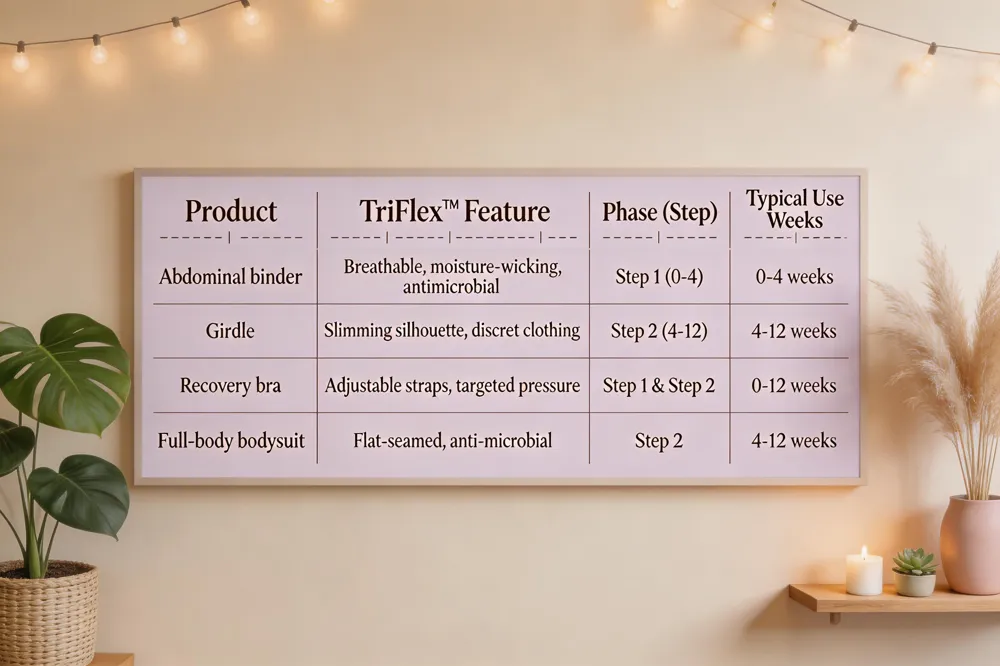
Marena Recovery’s medical‑grade post‑surgical line is built around its proprietary TriFlex™ fabric, a breathable, moisture‑wicking, antimicrobial material that stays comfortable for long wear while delivering the graduated pressure needed to reduce edema and support circulation. The collection includes abdominal binders, girdles, bodysuits, and recovery bras that are organized into two recovery phases: Step 1 (weeks 0‑4) offers gentle, sleep‑friendly support, and Step 2 (weeks 4‑12) provides a slimmer silhouette that fits discreetly under clothing. Each piece is engineered for fast healing, improved mobility, and enhanced overall wellness for women after cosmetic or reconstructive procedures.
Clients of Pink & Fancy in San Jose can have Marena garments ordered directly through the brand’s website (marena.com or via selected medical‑supply retailers; the boutique also offers in‑house fittings to ensure the correct size, pressure level, and style. For those seeking medical compression locally, Pink & Fancy stocks a variety of post‑operative sleeves, stockings, and wraps, and can coordinate with surgeons or physical therapists to match the optimal compression regimen.
By integrating Marena’s TriFlex™ technology into Pink & Fancy’s personalized recovery protocols, women receive a seamless, evidence‑based solution that minimizes swelling, bruising, and discomfort while supporting a smoother, faster return to daily activities.
Cellulite, Varicose Veins, and Burn Management
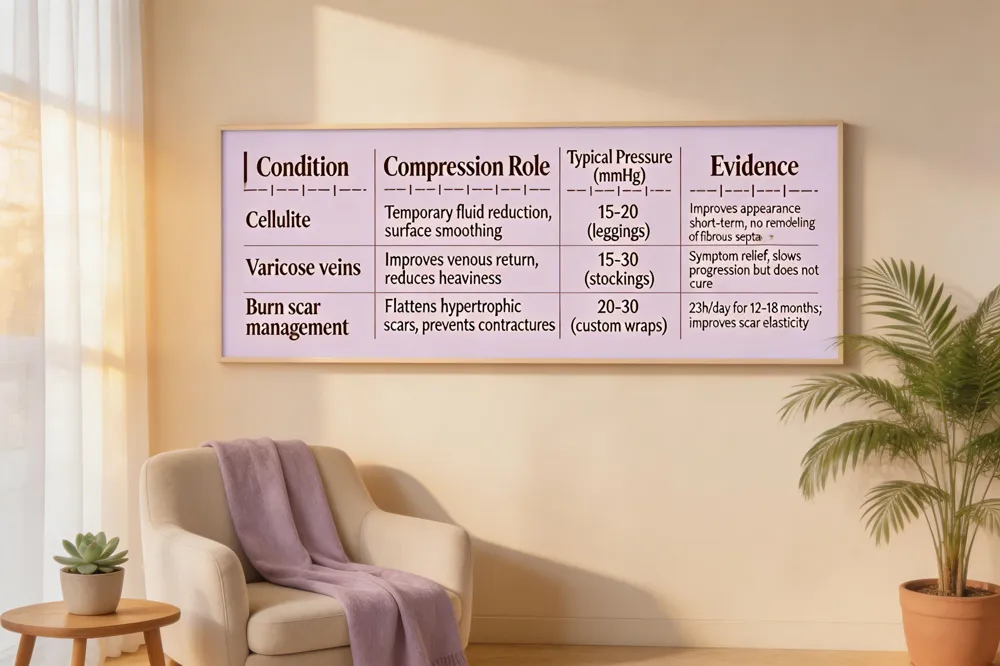
Compression therapy is a component of wellness, applying pressure reducing edema and supporting tissue remodeling.
Do compression leggings work for cellulite? Tight leggings may “smooth” the surface by holding fluid, but they do not remodel the fibrous septae that cause dimpling. Research on compression for recovery shows reduced swelling and better circulation, yet there is no strong evidence that sustained wear reshapes sub‑cutaneous fat or collagen. For lasting improvement, combine lymphatic drainage massage, radio‑frequency or cell‑tightening protocols with a lifestyle.
Do compression tights work for varicose veins? Yes. Stockings (15‑30 mm Hg) apply high pressure at the ankle and taper upward, promoting blood flow and decreasing heaviness. They relieve symptoms and may slow progression, though they do not cure underlying vein damage.
Compression garments for burns are made of fabric worn 23 hours daily for 12‑18 months. They flatten hypertrophic scars, prevent contractures, and support skin remodeling. Proper fit and re‑measurement are essential for safety and efficacy.
Weight Management, Performance, and Supplemental Benefits
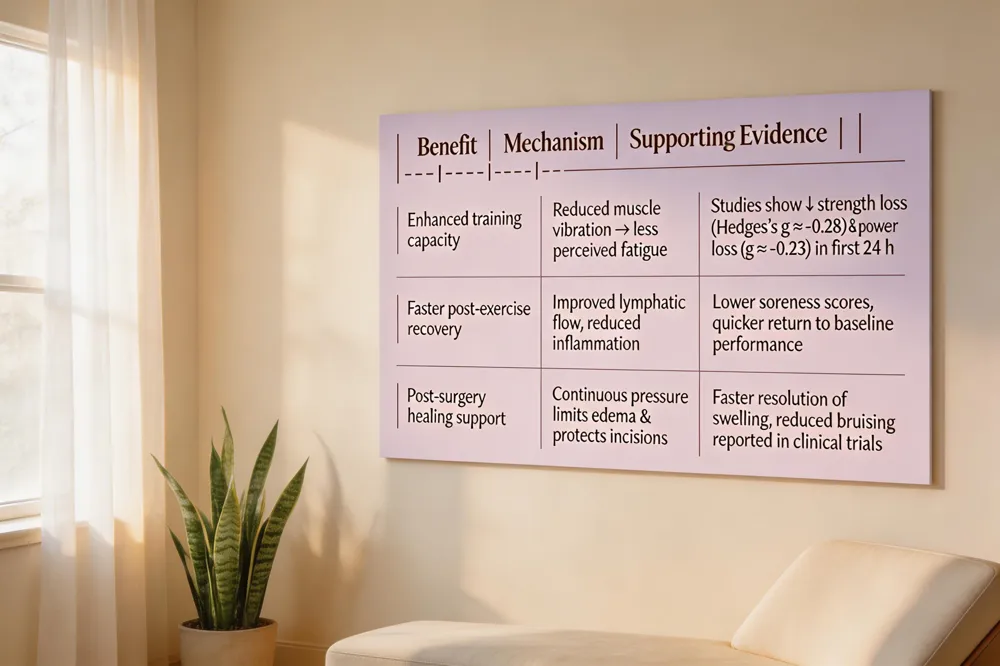
Compression garments do not directly burn fat or produce weight loss on their own, yet they can help women achieve a calorie‑deficit more efficiently. By enhancing venous return and reducing muscle vibration, they lessen perceived soreness and delay fatigue, allowing longer, higher‑intensity training sessions and quicker recovery between workouts. This extra training volume can translate into additional calories burned over time, supporting weight‑loss goals when combined with proper nutrition.
Recovery benefits are well documented. The steady pressure limits swelling, improves lymphatic flow, and supplies oxygen‑rich blood to healing tissues, which speeds muscle‑strength restoration after exercise‑induced fatigue and promotes smoother wound healing after cosmetic surgery. Studies show significant reductions in post‑exercise strength loss (Hedges’s g ≈ ‑0.28) and power loss (g ≈ ‑0.23, especially in the first 24 hours. When paired with personalized lymphatic massage and professional after‑surgical care, compression wear is a safe, effective tool for accelerating recovery and supporting overall wellness.
Risks, Downsides, and Injury Considerations
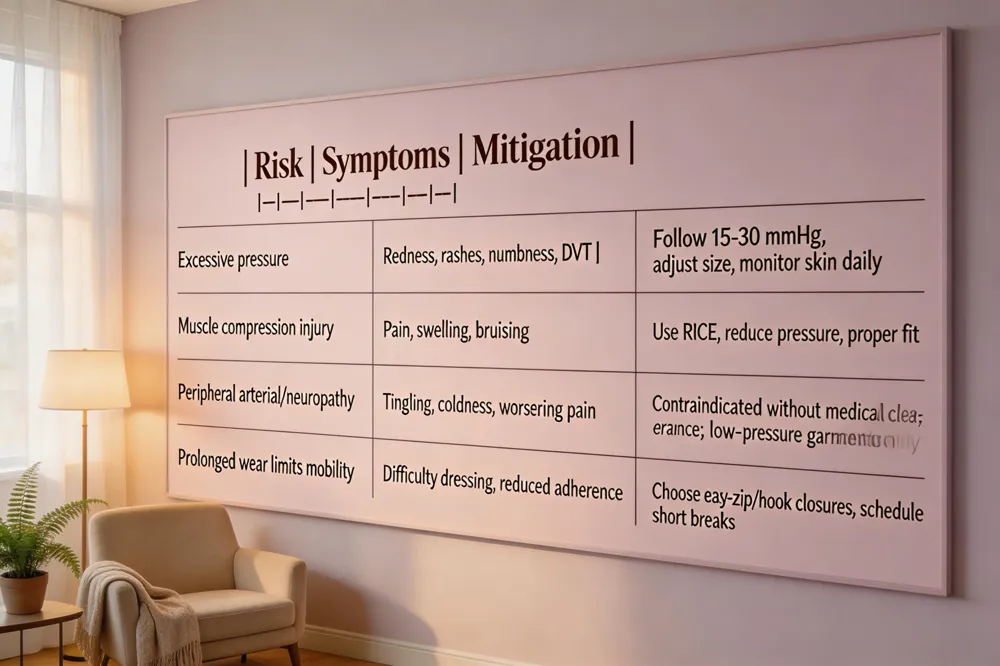
Compression garments are valuable allies in post‑surgical recovery, but they must be used wisely. Can you have too much compression after surgery? Yes. Excessively tight garments or prolonged wear can irritate skin, cause redness, rashes, or incision breakdown, and even restrict venous and lymphatic flow, raising the risk of swelling, numbness, tingling, or deep‑vein thrombosis. Follow your surgeon’s pressure prescription (often 15‑30 mm Hg) and adjust as swelling subsides. Are there any downsides of compression garments? Discomfort or pain may arise if the fit is incorrect, leading to skin irritation, itching, dry patches, or minor bruising. Individuals with peripheral arterial disease, severe diabetic neuropathy, or active skin infections should avoid high‑compression pieces without medical clearance. Limited mobility can make donning the apparel challenging, potentially reducing adherence. Muscle compression injury occurs when external pressure damages muscle fibers, causing pain, swelling, and bruising. Treat with RICE (rest, ice, gentle compression, elevation) and consider lymphatic drainage massage; seek professional evaluation if pain worsens or numbness appears. Leg compression machine side effects include mild discomfort, skin redness, bruising, or tingling if pressure is set too high. Improper use can exacerbate swelling or increase clot risk. Always start at low pressure, monitor skin and nerve response, and follow clinician guidance. Proper fit, appropriate pressure, and vigilant monitoring ensure compression supports healing rather than hindering it.
Chest Compression, Full‑Body Suits, and Long‑Term Wear
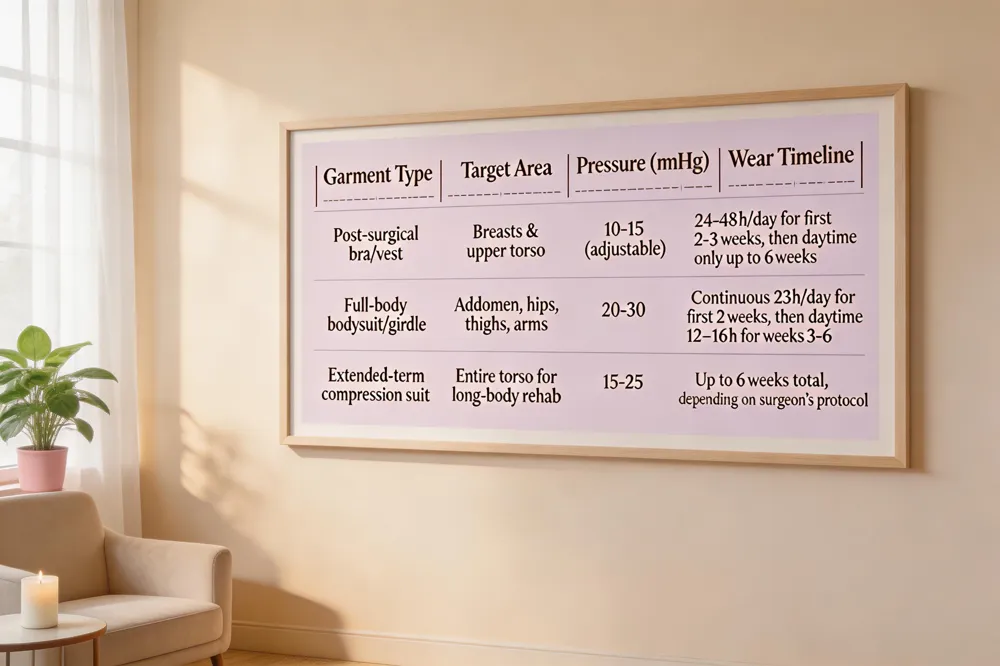
After breast‑related or full‑body cosmetic procedures, properly fitted compression garments are a cornerstone of Pink & Fancy’s personalized recovery plan. Compression garments for the chest – targeted vests or post‑surgical bras apply gentle, graduated pressure to the breast and upper‑torso, limiting fluid buildup, protecting incisions, and encouraging lymphatic drainage. Breathable, moisture‑wicking fabrics with adjustable straps keep the garment snug yet comfortable, allowing patients to wear it 24‑48 hours per day during the first weeks of healing. Full‑body compression garments – bodysuits and girdles extend this support to the abdomen, hips, thighs, and sometimes arms, reducing edema, improving venous return, and stabilizing newly sculpted contours. Uniform pressure across the torso helps maintain posture and accelerates tissue remodeling. Extended wear timelines – most surgeons recommend continuous wear for four to six weeks, with the first two weeks at near‑continuous (23‑24 hours) use, followed by daytime wear only. Minor procedures may require as little as two weeks. Consistent, correctly fitted compression not only minimizes swelling and bruising but also contributes to smoother scar formation and faster return to daily activities, supporting the long‑term aesthetic goals of women recovering from plastic surgery.
Conclusion
Key takeaways for Pink & Fancy clients:
- Compression garments reliably lessen post‑exercise and post‑surgical loss of muscle strength and power (Hedges’s g ≈ –0.25 to –0.30) and markedly reduce swelling, bruising, and pain.
- Lower‑limb tights or shorts provide the strongest strength‑recovery benefit, especially when worn within two hours after a procedure and continued for at least 72 hours of rest.
- Both trained and untrained women see improvements, but trained clients experience a slightly larger effect on strength.
Integrating compression into personalized recovery plans:
- Fit assessment – a board‑certified surgeon or certified lymphatic therapist measures limb circumference and selects a medical‑grade garment delivering 15‑20 mmHg (general recovery) or 20‑30 mmHg (post‑operative edema).
- Wear schedule – start immediately post‑procedure, wear 23 hours/day for weeks 1‑2, then daytime wear (12‑16 hours) for weeks 3‑6, tapering as healing progresses.
- Combine with lymphatic drainage massage, gentle range‑of‑motion exercises, and proper hydration to amplify venous return and tissue repair.
- Monitoring – clients track swelling, pain, and functional milestones; any skin irritation or excessive tightness prompts adjustment.
By embedding correctly fitted compression garments into each client’s individualized protocol, Pink & Fancy can accelerate swelling resolution, preserve muscle function, and support a smoother, faster return to daily activities and aesthetic goals.