
Pain or Pressure? Mastering the Art of Proper Lymphatic Massage
April 18, 2026
How Does the Lymphatic System Work—and Why Should You Care?
April 22, 2026

Setting the Stage for Recovery
A structured post‑operative plan is the backbone of a safe, swift healing journey. By outlining clear milestones—pain control, wound care, early ambulation, nutrition, and follow‑up visits—it reduces uncertainty, prevents common pitfalls such as deep‑vein thrombosis or wound infection, and empowers patients to recognize red‑flag symptoms early. For women, personalized care takes this framework a step further. Hormonal fluctuations, body‑contouring procedures, and cosmetic or reconstruct surgeries each require tailored weight‑lifting limits, compression‑garment recommendations, and lymphatic drainage strategies. A customized schedule that integrates gentle breathing exercises, protein‑rich meals, and targeted lymphatic massage respects individual anatomy and lifestyle, fostering confidence and reducing anxiety. When clinicians, therapists, and boutique wellness services collaborate, the recovery plan becomes a compassionate partnership that accelerates tissue repair, minimizes swelling, and supports the holistic well‑being of each woman.
Building a Solid Recovery Framework
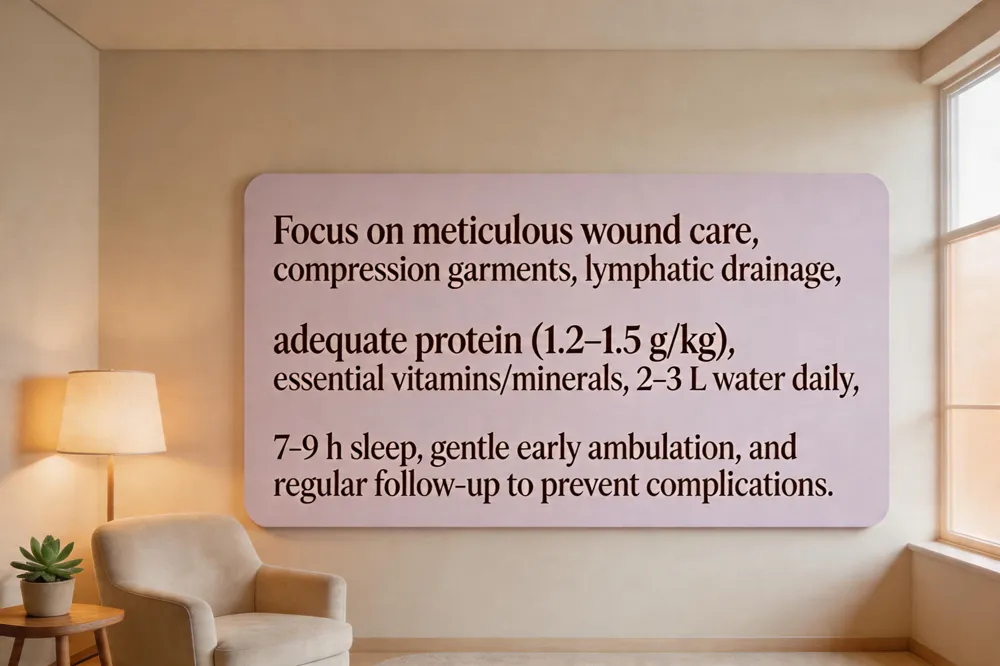
A comprehensive post‑surgical recovery plan for women begins with meticulous wound care and the prescribed use of compression garments. Keeping the incision clean and dry, applying ice packs for 15‑20 minutes several times a day, and elevating the operated limb reduce swelling and lower infection risk. Gentle Lymphatic drainage massage performed by a certified therapist further clears excess fluid and accelerates healing.
Balanced nutrition and hydration are the next pillars. Aim for 1.2‑1.5 g of protein per kilogram of body weight each day from lean meats, fish, eggs, legumes, nuts, and seeds. Vitamin C, zinc, magnesium, vitamin A, omega‑3 fatty acids, and iron support collagen synthesis, immune function, tissue remodeling, and oxygen delivery. Hydrate with at least 2‑3 L of water daily to sustain lymphatic flow and prevent constipation.
Rest, sleep, and Gradual activity complete the framework. Prioritize 7‑9 hours of sleep, use pillows to keep the incision elevated while resting, and start short walks or ankle pumps within 24‑48 hours as tolerated. Progressively increase activity while respecting weight‑lifting limits (usually ≤10 lb) and surgeon clearance.
Finally, schedule and attend follow‑up appointments. Regular monitoring allows early detection of complications such as infection, fever, or increased swelling, ensuring the recovery stays on track and the patient receives personalized support throughout the healing journey.
The Power of Lymphatic Drainage and Complementary Therapies

Lymphatic drainage massage is a cornerstone of post‑operative care for women who have undergone cosmetic or reconstructive surgery. By gently mobilizing excess interstitial fluid and directing it toward functional lymph vessels, the technique reduces postoperative swelling, bruising, and inflammation. This fluid clearance eases pressure on incisions, accelerates the removal of metabolic waste, and creates a cleaner environment for cellular repair, ultimately shortening recovery time and lowering infection risk.
Wood therapy complements lymphatic drainage through the use of specially shaped wooden tools that apply rhythmic, gentle pressure. The pressure enhances both blood and lymph flow, breaking down early adhesions and scar tissue that can impede drainage. This synergy allows manual lymphatic techniques to work deeper and faster, further decreasing edema, improving skin elasticity, and supporting collagen production for smoother, more resilient contours.
Timing and frequency are critical. Most surgeons and therapists recommend initiating gentle lymphatic drainage within 24–48 hours after wound closure, followed by 2–3 sessions per week for the first 1–2 weeks. Wood therapy can be introduced once swelling is under control—typically after the initial 48‑hour window—to amplify fluid movement and support tissue remodeling. Consistent, individualized sessions, combined with proper hydration, protein‑rich nutrition, and light ambulation, empower women to achieve faster, healthier healing and optimal aesthetic outcomes.
Eating Right: Foods to Embrace and Avoid

A balanced, nutrient‑rich diet is a cornerstone of post‑surgical wellness, especially for women recovering from cosmetic or reconstructive procedures where swelling and tissue repair are paramount.
Foods that sabotage healing – High‑fat fried items, greasy sauces, and processed snacks are best avoided; they slow digestion, increase systemic inflammation, and can worsen postoperative edema. Refined sugars and sugary drinks further provoke inflammation and impede nutrient absorption. Carbonated beverages, alcohol, and excess caffeine dehydrate the body and may irritate the gastrointestinal lining, reducing the effectiveness of pain medication. Gas‑producing foods such as beans, lentils, and cruciferous vegetables can cause bloating and exert pressure on fresh incisions, while overly salty or acidic foods may increase fluid retention and discomfort.
Key nutrients for tissue repair – Protein is the building block of new collagen; aim for 1.2–1.5 g kg⁻¹ day⁻¹ from lean meats, poultry, fish, tofu, legumes, and dairy. Vitamin C (citrus, berries, peppers) supports collagen synthesis, while zinc (red meat, nuts, seeds) bolsters immune defense and wound closure. Iron, vitamin A, and omega‑3 fatty acids further aid healing and reduce bruising. Incorporating antioxidant‑rich leafy greens and whole grains supplies B‑vitamins and fiber, helping maintain gut motility and prevent constipation.
Hydration strategies – Adequate fluid intake sustains blood volume, promotes optimal circulation, and fuels lymphatic drainage, which together reduce swelling and accelerate waste removal. Target 8–10 glasses (≈2–2.5 L) of water daily, spacing intake throughout the day to avoid gastric overload. Include hydrating foods such as watermelon, cucumber, and soups, and consider electrolyte‑rich drinks if advised by your surgeon, especially when sweating from early ambulation or physical therapy. Proper hydration also lowers the risk of deep‑vein thrombosis, urinary‑tract infection, and postoperative constipation, all of which can delay recovery.
By steering clear of inflammatory foods, prioritizing protein, vitamin C, zinc, and iron, and staying consistently hydrated, women can create an internal environment that supports rapid tissue repair, minimizes edema, and enhances overall postoperative well‑being.
Safe Movement and Activity in the First Week
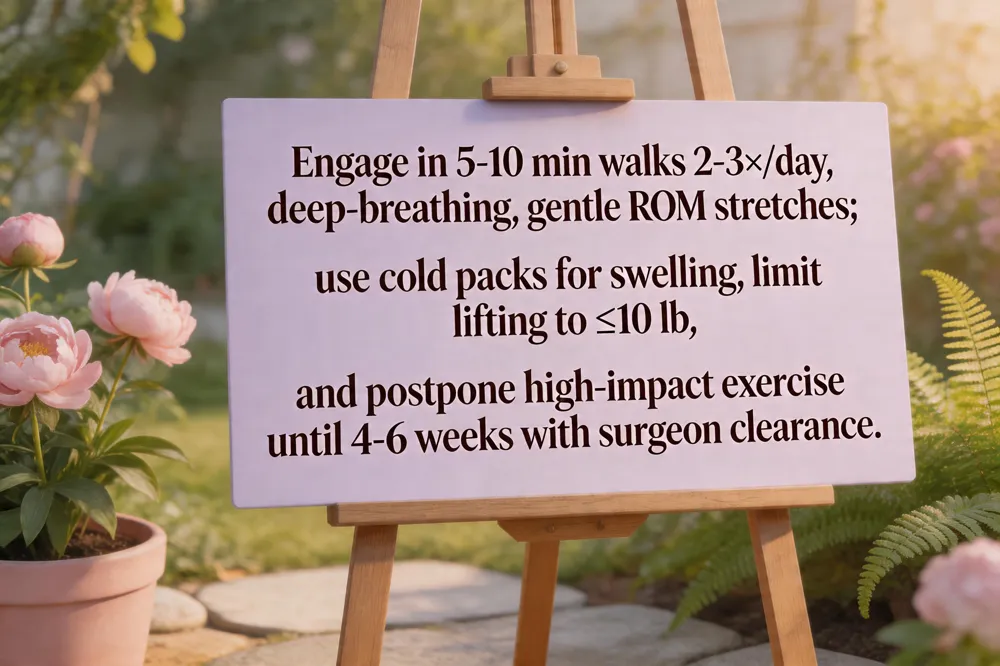
Gentle walking and breathing exercises – In the first seven days after surgery, prioritize low‑impact movement. Short, easy walks around the house or garden (5‑10 minutes, 2‑3 times daily) keep circulation flowing and reduce the risk of blood clots. Pair each walk with deep‑breathing or diaphragmatic exercises; these expand the lungs, improve oxygen delivery, and stimulate lymphatic drainage. Simple range‑of‑motion stretches for the neck, shoulders, and ankles, done while seated upright, are also safe if approved by your surgeon.
Managing swelling and pain peaks – Swelling typically peaks between days 2‑4 and then gradually subsides. Targeted Lymphatic drainage massage as prescribed can accelerate fluid removal. Pain most often intensifies on day 3 as the anesthetic wears off; take prescribed analgesics on schedule and use cold packs (15‑20 minutes, every 2‑3 hours) to control inflammation. Avoid heavy lifting, high‑intensity cardio, and prolonged sitting without breaks.
Timeline for returning to normal exercise – Light activity is encouraged immediately, but full‑body or high‑impact exercise should be postponed until 4‑6 weeks post‑operation and only after surgeon clearance. Throughout the first week, focus on walking, gentle stretching, and breathing; listen to your body and stop if pain, dizziness, or swelling increase.
Red Flags, the 4 P’s of Surgery, and Stress Management

Warning signs that need immediate attention – Sudden, uncontrolled pain, swelling, redness or warmth at the incision, fever ≥ 100.4 °F (38 °C), chills, foul‑smelling drainage, shortness of breath, chest pain, bluish lips, or new calf pain and swelling may signal infection, pulmonary embolism, or deep‑vein thrombosis. Call your surgeon or go to the emergency department right away.
Understanding the 4 P’s – The 4 P’s (Place, Procedure, Personnel, Patient) shape recovery. A clean, well‑equipped surgical setting (Place) and a minimally invasive technique (Procedure) reduce tissue trauma. Skilled surgeons, nurses and therapists (Personnel) ensure safe, compassionate care. Finally, the Patient’s health, mindset and adherence to post‑op instructions—such as nutrition, hydration, lymphatic drainage and activity plans—drive healing speed and comfort.
Practical ways to lower stress at home – Practice daily deep‑breathing, guided imagery or gentle yoga; listen to calming music or mindfulness recordings. Stay connected with supportive friends, family or virtual groups. Follow a simple routine with short walks, light stretching and scheduled lymphatic massage. Set realistic goals and keep a gratitude journal to promote a positive mindset and steady progress.
Putting It All Together
A successful recovery begins with a personalized post‑op roadmap that translates the surgeon’s specific instructions into a day‑by‑day plan for the patient. First, the roadmap outlines safe mobility milestones—early ambulation, short walks, and gentle ankle‑pump exercises—to prevent blood clots and promote circulation. Next, it integrates a nutrition schedule rich in lean protein, vitamin C, zinc, and omega‑3s, while limiting high‑sodium drinks and refined sugars to curb inflammation. Medication timing, wound‑care protocols, and hydration goals are listed clearly, and red‑flag symptoms (fever, increasing pain, drainage) are highlighted for prompt reporting.
Pink & Fancy brings this roadmap to life with boutique‑level support. Certified lymphatic therapists provide gentle drainage massage within 48‑72 hours to reduce edema, while trained staff coach patients on breathing, incentive spirometry, and safe range‑of‑motion drills. Compression garments, soothing wood‑therapy sessions, and a dedicated recovery concierge ensure each step— from short walks dry follow‑up visits— is personalized, monitored, and adjusted, fostering faster healing and lasting wellness for women.