How to Transition Into Long-Term Post-Surgical Maintenance
September 1, 2026
Supporting Your Lymphatic System Through Movement and Hydration
September 2, 2026

The Vital Role of the Lymphatic System in Total Body Wellness
The lymphatic system serves as an essential immune powerhouse, working silently to protect your body against infection and disease. This intricate network of vessels, nodes, and organs is responsible for filtering toxins, waste products, and abnormal cells from your tissues. By transporting fluid back into the bloodstream, the system maintains critical fluid balance and supports overall metabolic health.
When the lymphatic system functions optimally, your body can effectively manage inflammation and facilitate tissue healing. However, surgical trauma or chronic health conditions can disrupt this flow, leading to persistent swelling and discomfort. At pinkandfancy.com, we prioritize a compassionate, evidence-based approach to restore this balance. Unlike generic wellness providers, our practice is led by an OR nurse with over 25 years of medical experience, ensuring that every lymphatic drainage massage is grounded in clinical expertise rather than just cosmetic trends.
Your recovery is deeply personal. By combining specialized techniques like manual lymphatic drainage with personalized recovery support, we help you manage post-surgical inflammation while empowering your long-term health. Prioritizing lymphatic care is not just about reducing swelling, but about restoring your body’s ability to heal, detoxify, and thrive.
Primary Functions of the Lymphatic System

The lymphatic system serves as an essential immune powerhouse that keeps your body in balance. Its primary responsibility involves the collection of excess fluid from tissues and returning it to the bloodstream, which is critical for maintaining healthy volume and preventing chronic congestion.
Beyond fluid management, this complex network functions as your body’s primary defense system. Within lymph nodes, lymphocytes and other immune cells filter out bacteria, viruses, and cellular waste. This filtration process traps harmful invaders before they can enter the circulation, which is why swollen nodes often serve as a signal that your immune system is actively fighting an infection.
The system also plays a silent yet vital role in digestive health. It is responsible for absorbing fats and fat-soluble vitamins from the intestines, transporting these nutrients into the blood when they are too large to pass through typical capillaries. For those focused on recovery or wellness, supporting these pathways through techniques like manual lymphatic drainage helps optimize this natural detox process.
| Function | Action | Benefit |
|---|---|---|
| Fluid Balance | Drainage | Prevents swelling |
| Immune Defense | Filtration | Removes toxins |
| Nutrient Flow | Absorption | Transports fats |
Identifying Signs of Lymphatic Congestion

A sluggish or congested lymphatic system often manifests as persistent swelling, medically referred to as edema, and a noticeable feeling of heaviness or tightness in the limbs, chest, or abdomen. Because this system lacks a central pump, it relies on physical movement and muscle contraction to circulate lymph fluid throughout the body.
Beyond physical swelling, you may experience systemic indicators such as chronic fatigue, lethargy, brain fog, and generalized body aches as your system struggles to maintain its immune function. When the body’s ability to remove toxins is impaired, you might notice recurring infections, lingering inflammation, or delayed healing following injury or surgery. At pinkandfancy.com, we emphasize that recognizing these early warning signs is essential, as proactive support can help restore healthy flow.
Visible changes to the skin, such as persistent puffiness in the ankles or hands, can also suggest that fluid is not circulating effectively, a condition that may progress to lymphedema if left unmanaged. While some spas offer non-medical routines, manual lymphatic drainage should be approached as a clinical tool to move excess fluid toward functioning nodes. Consistent care, including proper hydration and gentle movement, remains the most effective way to support your body’s natural detoxification and prevent long-term tissue complications.
Distinguishing Between General Edema and Chronic Lymphedema
Understanding why your body holds onto fluid is the first step toward effective recovery. While general edema is a common, often temporary response to minor injury or prolonged inactivity, it differs significantly from the more persistent nature of lymphedema. Edema typically resolves as the body regulates its internal balance, whereas lymphedema is a chronic medical condition rooted in a structural failure of the lymphatic system to drain protein-rich fluid.
What is the difference between general edema and lymphedema?
Edema is a general term for swelling caused by an accumulation of fluid in body tissues, which is often temporary and can result from factors like prolonged standing or minor injury. In contrast, lymphedema is a chronic condition specifically caused by a blockage, damage, or dysfunction within the lymphatic system, preventing the proper drainage of protein-rich lymph fluid. While general edema typically resolves on its own, lymphedema is a persistent issue that often requires specialized therapeutic management to prevent progression. Understanding this distinction is vital, as lymphedema can lead to long-term tissue changes and an increased risk of infection if left unaddressed. If you are experiencing swelling that persists beyond three months, it is essential to consult with a professional to determine if you are dealing with a chronic lymphatic issue that requires personalized care.
At pinkandfancy.com, we emphasize that early detection is the most effective tool against progression. Risk factors including obesity, advanced age, and genetic predispositions can place additional strain on your nodes and vessels. Unlike generic swelling that fades with rest, chronic lymphatic failure requires a clinical strategy. Our team leverages over 25 years of medical experience to help differentiate between standard post-surgical recovery and the early warning signs of a compromised system.
| Feature | General Edema | Chronic Lymphedema |
|---|---|---|
| Persistence | Short-term | Chronic |
| Primary Cause | Injury or Activity | System Damage |
| Care Path | Rest/Elevation | Professional Therapy |
Post-Surgical Support and Manual Lymphatic Drainage
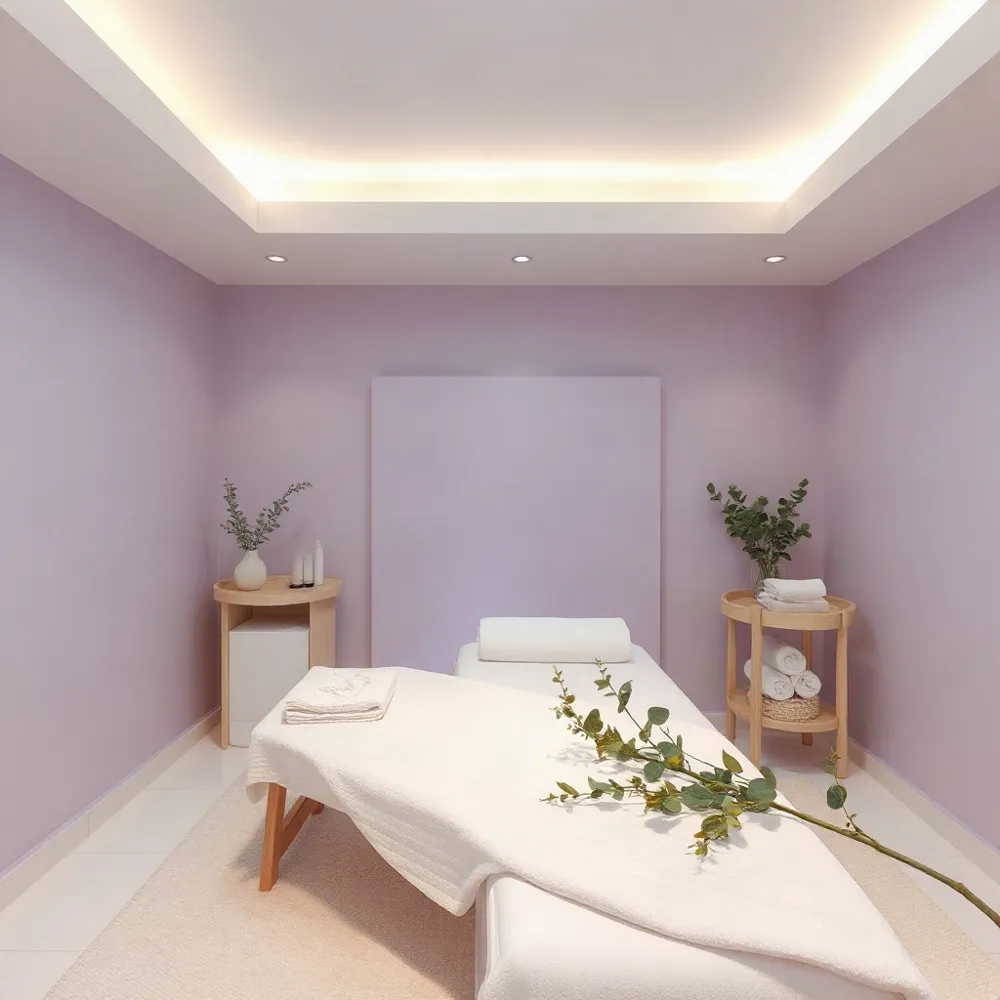
When surgical trauma disrupts lymphatic channels, the body often struggles to process the sudden influx of fluid, leading to persistent swelling, discomfort, and tissue firmness. Manual lymphatic drainage (MLD) serves as a vital restorative technique by using gentle, rhythmic pressure to stimulate these pathways and accelerate the clearance of waste products and toxins from damaged tissues. At pinkandfancy.com, our approach combines this clinical expertise with compassionate care to help reduce post-surgical inflammation and support your healing journey.
What is the role of lymphatic drainage massage in post-surgical recovery?
Lymphatic drainage massage acts as a specialized catalyst for recovery by manually redirecting excess fluid toward functioning lymph nodes. Unlike more vigorous massage styles, MLD utilizes light, strategic pressure to avoid damaging delicate tissues while effectively minimizing postoperative swelling. This process prevents the accumulation of protein-rich fluid that can otherwise lead to fibrosis, or tissue hardening, which complicates cosmetic results. By fostering improved circulation, this therapy helps your body stabilize after surgery and promotes a more efficient return to your daily activities.
When is it appropriate to begin lymphatic drainage massage following a surgical procedure?
Initiating MLD requires precision timing tailored to your specific surgery and individual healing rate. While some procedures may allow for gentle sessions as early as 48 hours post-operation, others necessitate a longer waiting period to ensure surgical sites have sufficiently stabilized. Because surgeons have specific protocols for each procedure, we prioritize coordination with your medical team to determine the safest and most effective window to begin. Always rely on a trained professional to guide your session frequency, as consistent application is necessary to provide the compression support and fluid management needed for optimal outcomes.
Are there circumstances where lymphatic drainage massage should be avoided?
While beneficial for many, lymphatic therapy is not universally appropriate and carries specific contraindications for your safety. Active cellulitis, blood clots such as deep vein thrombosis, congestive heart failure, or active fever are conditions where manual massage may be harmful. Our founder, an experienced OR nurse, ensures that every client undergoes a thorough assessment before beginning treatment at our San Jose boutique. We mandate clinical clearance from your surgeon or physician to ensure that our specialized lymphatic therapy remains a safe and effective component of your comprehensive recovery plan.
Lifestyle Strategies for Long-Term Lymphatic Support
Supporting healthy lymphatic flow requires consistent, proactive habits that encourage the natural movement of fluid through your tissues. Staying well-hydrated is essential, as adequate water intake ensures that lymph fluid remains thin and mobile, allowing it to filter waste effectively.
How can lifestyle choices help support healthy lymphatic flow?
Engaging in regular physical activity, such as walking or cycling, uses muscle contractions to act as a pump for the lymphatic system, which lacks its own central heart per NHS guidance. You can further promote drainage through deep, rhythmic diaphragmatic breathing, which creates internal pressure changes that assist in moving fluid toward the bloodstream. At Pink & Fancy, we emphasize that these movements are most effective when paired with consistent compression garment usage, which provides the counterforce necessary to prevent fluid re-accumulation in the tissues.
Dietary habits also play a vital role in long-term management. Focusing on a diet rich in whole foods, such as vegetables and fruits, while reducing salt intake helps prevent excess fluid retention. Our team at Pink & Fancy develops personalized routines that account for your specific surgical recovery history, ensuring that your lifestyle strategy is both safe and sustainable for your individual anatomy.
Empowering Your Journey Toward Lasting Lymphatic Wellness
Achieving long-term health requires a proactive approach to maintaining the delicate balance of your lymphatic system. By prioritizing consistent self-care, such as regular gentle movement and diaphragmatic breathing, you can effectively support your body’s natural detoxification processes.
Professional support remains a cornerstone of successful recovery, especially following surgical intervention. At Pink & Fancy, our clinical expertise ensures that your lymphatic drainage massage is tailored to your unique healing response. Unlike generic spa techniques, our personalized care helps reduce inflammation and prevent tissue hardening.
Your wellness journey is a personal commitment to your body’s vitality. Whether you are managing post-surgical swelling or seeking to enhance overall circulation, integrating expert therapeutic care with mindful daily habits empowers you to thrive. We invite you to experience the specialized support at our San Jose boutique as you move toward lasting comfort and restoration.