Risks You Face When Skipping Lymphatic Massage After Surgery
March 16, 2026
Why Post-Op Massage Should Only Be Done by Trained Professionals
March 16, 2026

Understanding the Vital Role of Your Lymphatic System in Healing
Overview of the lymphatic system and its importance in immune function
The lymphatic system is a complex network of vessels, nodes, and organs that plays a crucial role in maintaining your body’s immune defense. It includes lymph nodes, lymph channels, the spleen, thymus, adenoids, and tonsils. These components work together to produce and transport lymph fluid that contains white blood cells, crucial for fighting infections and disease.
How the lymphatic system supports fluid balance and toxin removal
Unlike the circulatory system, the lymphatic system lacks a central pump like the heart, relying instead on muscle movement, deep breathing, and hydration to circulate lymph fluid effectively. The lymph fluid carries fats, proteins, waste, and toxins away from tissues, ensuring these harmful substances are filtered and removed from the body. This system maintains fluid balance by returning excess tissue fluid back into the bloodstream, helping to prevent swelling and promote healing, especially after surgery.
The importance of lymph nodes and lymph fluid in recovery
Lymph nodes act as vital filters that trap bacteria, viruses, and cancer cells. During recovery or immune response, these nodes swell due to increased white blood cell activity, which is an important sign of the body fighting infection. Maintaining healthy lymphatic flow through the movement of lymph fluid supports faster toxin clearance, reduces swelling, and enhances healing. This is particularly significant after surgical procedures where lymph nodes may be affected, requiring specialized care such as lymphatic massage and compression therapy to aid recovery.
Lymphatic Therapy: A Cornerstone for Post-Surgical Recovery

What is lymphatic therapy and how does it support post-surgical recovery?
Lymphatic therapy, mainly manual lymphatic drainage (MLD) benefits, is a gentle massage technique aimed at stimulating the lymphatic system to boost lymph flow. This specialized massage promotes the removal of excess fluid, toxins, and cellular debris from the body, which is vital following surgery (Post-surgical swelling management, Post-Surgery Lymphatic Drainage).
How does MLD reduce swelling and inflammation after surgery?
After surgical procedures such as liposuction, facelifts, or breast surgeries, tissue trauma causes fluid accumulation and inflammation, leading to swelling and discomfort. MLD enhances lymphatic circulation by encouraging lymph fluid to move toward lymph nodes, facilitating quicker clearance of waste and reducing edema. This process diminishes inflammation, eases pain, and supports tissue repair (Manual lymph drainage benefits, Lymphatic massage post-op benefits, Manual Lymphatic Drainage (MLD) benefits).
How does lymphatic therapy prevent post-surgical complications like lymphedema and seromas?
Surgical disruption or removal of lymph nodes can impair lymph drainage, increasing the risk of complications like lymphedema (chronic swelling) and seromas (fluid-filled pockets). Lymphatic therapy supports optimal lymph flow, decreasing fluid buildup and lowering the chance of these complications developing. Early and consistent therapy accelerates healing and minimizes long-term risks (Lymphedema causes and risk factors, Post-surgical swelling management, Manual lymph drainage exercises).
What is the role of compression garments and post-operative care in synergy with lymphatic therapy?
Compression garments provide consistent, gentle pressure that complements lymphatic therapy by supporting lymphatic vessels, preventing fluid stagnation, and controlling swelling. Wearing these garments 24/7 for the initial postoperative period, typically at least six weeks, enhances the benefits of MLD. Combined with proper hydration, light exercise, and guided lymphatic care, this comprehensive approach ensures faster recovery, improved comfort, and better aesthetic outcomes (Importance of Compression Garments After Surgery, Hydration and lymphatic system, support your lymphatic system at home, Post-surgical swelling management).
Through this coordinated care, patients experience reduced swelling, less discomfort, and quicker returns to daily activities. Lymphatic therapy thus stands as a fundamental pillar in post-surgical recovery, promoting wellness and supporting lasting results (Lymphatic system benefits, Lymphatic system and immune support).
Lymphatic Drainage Massage: Essential Aid for Women Post-Cosmetic and Reconstructive Surgery

How can lymphatic drainage massage help women recover after cosmetic or reconstructive surgery?
Lymphatic drainage massage is a vital therapy for women recovering from cosmetic or reconstructive surgery. This gentle technique stimulates the lymphatic system to efficiently remove excess fluids, toxins, and waste products that accumulate after surgery. By promoting lymphatic system health, it significantly reduces swelling and bruising—common post-operative symptoms that can delay healing.
The massage also enhances circulation, which increases nutrient delivery and oxygen supply to recovery tissues. This improvement supports faster healing of skin and underlying tissues, helping to reduce inflammation and discomfort. Patients often experience decreased pain and quicker resolution of Post-surgical swelling management, contributing to more comfortable, effective recovery.
Typically, lymphatic drainage massage begins around the second week following surgery and is administered regularly for several weeks. This consistent treatment helps repair disrupted lymphatic channels caused by surgical trauma, facilitating the natural drainage process. The end result is improved aesthetic outcomes and reduced risk of complications such as prolonged swelling or fibrosis.
Boosting skin healing and nutrient delivery through improved circulation
The enhanced lymph flow from massage increases the transportation of vital nutrients and immune cells to the surgical site. This circulation supports skin regeneration and overall tissue repair, promoting a healthier, more vibrant appearance during healing. Additionally, by reducing fluid congestion, the massage helps prevent scar tissue buildup and maintains skin elasticity.
Timing and regularity of massage post-surgery to repair lymphatic channels
Starting lymphatic drainage massage at the appropriate time—usually about 1 to 2 weeks post-operation—is essential. Early intervention encourages proper channel repair before fluid buildup becomes chronic. Performing sessions two to three times weekly for at least three to four weeks is commonly recommended by specialists. This frequency ensures consistent stimulation of lymph flow, accelerating recovery and minimizing discomfort.
Safety and clinical endorsements of lymphatic drainage massage
Lymphatic drainage massage is generally safe when conducted by trained, certified therapists familiar with post-surgical protocols. It is widely endorsed by plastic surgeons and healthcare professionals for its benefits in managing swelling and expediting healing. However, massage should be avoided in cases of infections, blood clots, or cardiovascular complications. Patients should always consult their surgical team prior to starting therapy.
This technique is an integral part of comprehensive post-operative care, often combined with Compression Garments for Swelling Reduction and Hydration and Lymphatic Health, to provide women the best possible support on their road to recovery.
Personalized Post-Surgical Care: Tailoring Recovery for Optimal Wellness
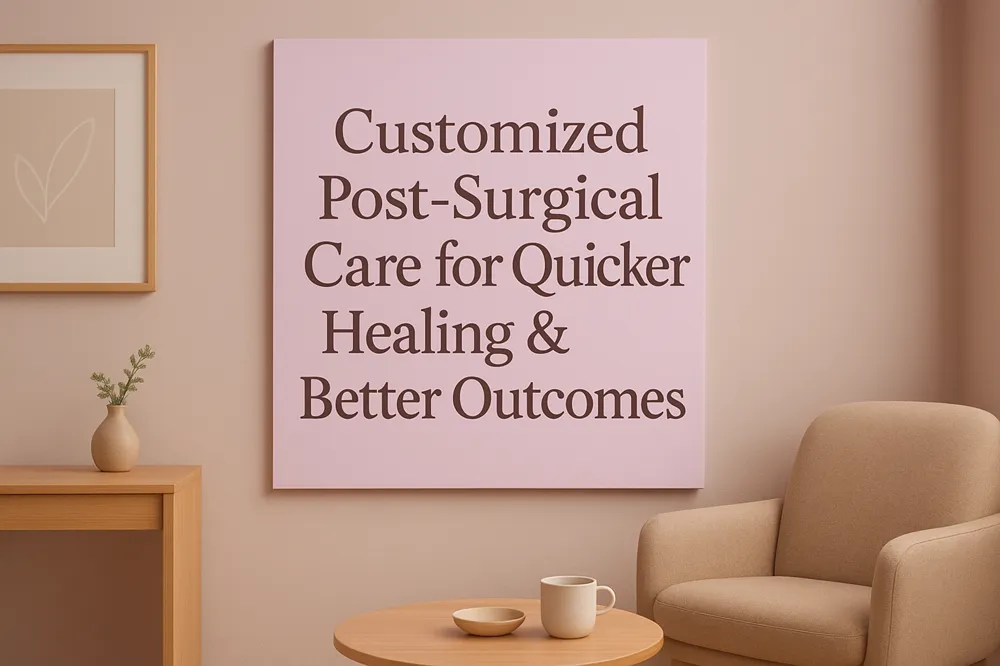
What are the key benefits of personalized post-surgical care compared to general treatments?
Personalized post-surgical care tailors treatment protocols to the specific type of surgical procedure and the patient’s individual health profile. This approach improves recovery by addressing unique needs, which general treatments may overlook.
Customized therapies can reduce swelling and promote efficient Lymphatic drainage massage benefits, helping to minimize scar tissue and prevent complications such as Lymphedema diagnosis. Personalized medication management ensures that pain and infection risks are properly controlled, while guided rehabilitation programs focus on safely restoring mobility and strength according to each patient’s capacity.
Emotional and psychological support is also an integral component. Addressing mental well-being reduces anxiety and helps patients cope with the stresses of recovery, improving overall outcomes.
Home care and specialized nursing enhance comfort and provide continuous monitoring, allowing for timely interventions when needed. This supportive environment reduces hospital stays and fosters a sense of independence, which is crucial for long-term wellness.
By combining these elements, personalized post-operative care leads to quicker healing, less discomfort, and a more seamless return to daily life, maximizing both physical and emotional health during recovery.
Enhancing Recovery with Body Contouring and Wood Therapy

How do body contouring and wood therapy contribute to wellness and recovery?
Body contouring is instrumental in reshaping and toning specific areas of the body after surgery, helping improve overall aesthetics and boost patient confidence. It promotes tissue tightening and firmness, aiding in the restoration of a more sculpted physique following procedures that may cause swelling or tissue irregularities.
Wood therapy complements this by using specialized wooden tools to gently massage the skin and underlying tissue. This technique effectively stimulates wood therapy, aiding in the reduction of post-surgical swelling and accelerating the removal of toxins. Additionally, wood therapy helps break down scar tissue and fibrosis, promoting smoother skin texture and enhancing recovery.
Together, these therapies create a synergistic effect: improving circulation, facilitating detoxification, and supporting the body’s natural healing processes. This combination not only speeds up healing but also improves the final surgical outcomes.
Most patients can safely begin body contouring and wood therapy treatments within 1 to 2 weeks after surgery. A series of sessions is typically recommended to maximize benefits, always adhering to post-op care recommendations to ensure optimal and safe recovery.
Taking Charge at Home: Practical Ways to Support Your Lymphatic Health

Why is hydration crucial for lymphatic health?
Proper hydration keeps hydration and lymphatic system thin and flowing smoothly, which is essential for toxin removal and immune support. Since lymph fluid primarily consists of water, dehydration can cause it to become thick and sluggish, hindering the body’s cleansing processes and potentially increasing swelling. Drinking plenty of water helps maintain fluid balance, reduces inflammation, and supports the efficient transport of white blood cells (Power of Hydration).
What gentle exercises help stimulate lymph circulation?
Low-impact activities like walking, yoga, swimming, stretching, and Pilates gently contract muscles, encouraging lymph fluid movement through the vessels. Regular practice of these exercises supports exercises for lymphatic system, especially in individuals recovering from surgery or managing lymphatic conditions (Exercises for lymphedema.
How can deep diaphragmatic breathing and self-massage improve lymphatic function?
Deep diaphragmatic breathing moves the diaphragm, which promotes the circulation of lymph fluid through the thoracic duct into the bloodstream, enhancing detoxification and immune response (deep diaphragmatic breathing benefits). Additionally, self-massage and dry brushing techniques such as dry brushing and gentle Lymphatic Drainage Massage stimulate lymph flow, relieve swelling, and promote relaxation. These practices aid in removing waste materials and supporting skin health (Lymphatic Drainage Massage Benefits).
What nutritional approaches support a healthy lymphatic system?
A diet rich in whole, unprocessed foods provides essential vitamins, antioxidants, and anti-inflammatory compounds vital for lymphatic vessel health. Reducing salt intake helps minimize water retention, while incorporating healthy fats like olive oil and omega-3 rich foods (salmon, walnuts, flaxseeds) offers anti-inflammatory benefits. Consuming anti-inflammatory foods such as turmeric, garlic, avocado, and chia seeds further supports lymphatic function and reduces swelling (dietary recommendations for lymphatic health).
By integrating these home care strategies—hydration for lymphatic function, gentle movement, mindful breathing, self-massage and dry brushing techniques, and diet for lymphatic health—individuals can play an active role in supporting their lymphatic system at home and enhancing recovery, especially following surgical procedures.
Empowering Your Recovery Through Lymphatic Wellness
Understanding the Crucial Role of Your Lymphatic System
The lymphatic system is vital in supporting your body’s immune defenses and managing fluid balance, particularly after surgery. It helps clear toxins, reduce swelling by moving lymph fluid through lymph nodes, and promotes healing.
Combining Professional Care with Self-Care
Post-surgical recovery is best supported by professional lymphatic drainage therapies alongside self-care practices. Techniques like manual lymphatic drainage performed by certified therapists can significantly reduce swelling and discomfort. Complement this with gentle exercises, deep breathing, staying well-hydrated, and wearing compression garments to further facilitate lymph flow and minimize fluid buildup.
Long-Term Benefits for Wellness and Vitality
Consistently caring for your lymphatic system not only speeds recovery but enhances overall wellbeing. Regular lymphatic stimulation supports immune resilience, detoxification, skin health, and energy levels. Embracing these practices fosters lasting vitality and helps maintain your body’s natural healing abilities well beyond surgery.