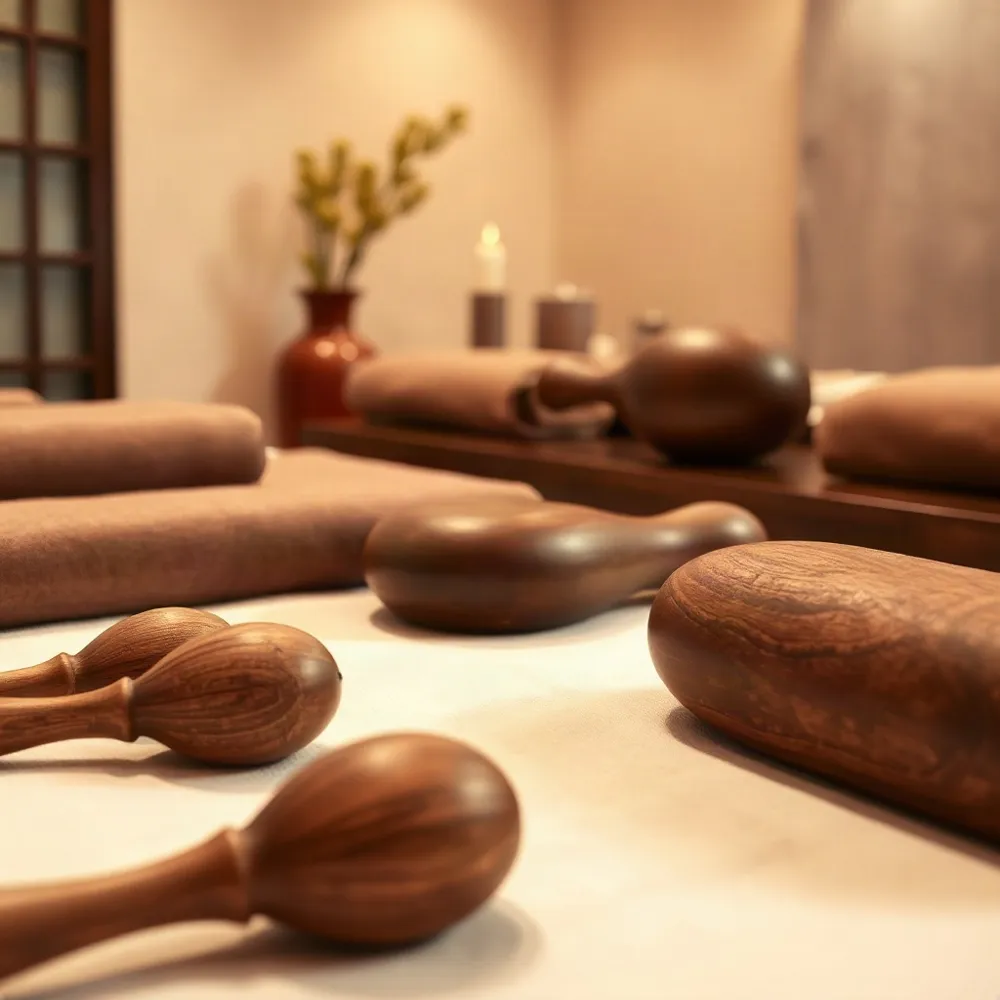
Body Contour Massage vs Machine-Based Treatments: What Works Best?
March 16, 2026
Essential Post-Surgery Education for a Successful Recovery
March 16, 2026

Understanding Fluid Retention and Its Impact on Women’s Health
What is Fluid Retention (Edema)?
Fluid retention, medically known as edema, is the build-up of excess fluid within the body’s tissues. This condition often causes noticeable swelling, commonly affecting the feet, ankles, hands, and legs. Symptoms can include puffiness, aching, stiff joints, and even rapid weight gain. Skin in swollen areas may show indentations when pressed (pitting edema) or may feel tight and stretched.
Common Causes and Lifestyle Contributors
Edema can arise from various factors ranging from lifestyle habits to serious medical conditions. Lifestyle-related causes include prolonged standing or sitting, high salt intake from processed foods, hormonal fluctuations related to menstruation and pregnancy, and physical inactivity. Medical causes encompass kidney disease, heart failure, liver disease, thyroid disorders, autoimmune diseases, allergic reactions, certain medications, and obesity. Women, especially during pregnancy and menstrual cycles, may experience fluid retention due to hormonal changes.
The Lymphatic System’s Crucial Role
The lymphatic system plays a vital role in regulating fluid balance by removing excess fluid and waste products from tissues through lymphatic vessels and nodes. Unlike the circulatory system, it does not have a central pump and relies on muscle contractions and body movements to propel lymph fluid. When the lymphatic system is impaired—due to surgery, infection, or blockage—fluid accumulates, leading to localized swelling known as lymphedema. This can affect recovery after surgery and contribute to discomfort and tissue changes.
Understanding fluid retention and the lymphatic system highlights the importance of personalized care in women’s health. Managing lifestyle factors, recognizing symptoms, and supporting lymphatic function are essential for wellness and recovery.
The Science Behind Fluid Retention: Causes and Symptoms

What is the difference between generalized and localized edema?
Fluid retention, also called edema, occurs when excess fluid accumulates in the body’s tissues. This condition appears in two main forms: generalized oedema, which involves swelling throughout the entire body, and localized oedema, affecting particular areas such as the feet, ankles, or hands. Localized edema is often linked to specific causes like injury or surgery in a limb, whereas generalized edema may indicate a systemic issue.
How does excess fluid buildup affect the body?
When extra fluid builds up, it can cause noticeable swelling, which may lead to discomfort, a sensation of heaviness, and restricted movement. People might also experience aching or stiffness in the swollen areas, and in some cases, a rapid increase in weight due to the retained fluid. The skin may show indentations when pressed, known as pitting oedema.
What medical conditions contribute to fluid retention?
Several serious medical concerns can underlie persistent fluid retention. These include kidney disease and oedema, where impaired filtration causes buildup; heart failure and oedema, where inefficient pumping leads to fluid in tissues; and liver disease and oedema affecting fluid regulation. Hormonal changes, such as those occurring during pregnancy or menstrual cycles, also influence fluid balance. Additionally, dysfunction in the lymphatic system and lymphedema disrupts fluid drainage and can result in lymphedema.
How do diet and lifestyle factors impact fluid retention?
Diet plays a significant role. High sodium intake guidelines, especially from processed foods and sodium, can cause the body to hold onto extra water. Physical inactivity reduces muscle contractions that help move fluid through the lymphatic and circulatory systems, increasing swelling risk. Certain medications, including some for blood pressure and inflammation, may also promote water retention. Preventative strategies emphasize reducing salt intake, staying physically active, hydration recommendations, and consuming nutrients like Potassium for water loss and Magnesium and fluid regulation that help regulate fluid balance.
What is lymphatic drainage massage and how does it support women’s wellness?
Lymphatic drainage massage is a gentle, specialized technique that stimulates the lymphatic system to promote the movement of lymph fluid. It effectively reduces swelling from post-surgical lymphedema, injury, or chronic conditions and aids women in recovery and overall health. By improving circulation, facilitating detoxification, and reducing inflammation, it can accelerate healing and support immune function. Facial lymphatic massage also enhances skin by decreasing puffiness and promoting a radiant complexion. This holistic therapy complements lifestyle strategies to maintain lymphatic health and manage fluid retention effectively.
Diet and Lifestyle Adjustments to Prevent and Reduce Water Retention
Reducing Sodium Intake Aligned with U.S. Dietary Guidelines
Limiting sodium intake is crucial in managing Water retention. The U.S. Dietary Guidelines recommend consuming less than 2,300 milligrams of sodium daily. Since most sodium comes from Processed foods and sodium rather than table salt, reducing processed and salty food consumption can significantly help reduce fluid buildup.
Importance of Potassium and Magnesium Rich Foods in Fluid Balance
Potassium for water loss is essential for balancing sodium levels and promoting healthy fluid regulation. Foods like leafy greens, bananas, avocados, and tomatoes provide abundant potassium that aids in reducing water retention. Magnesium and fluid regulation, found in nuts, whole grains, and leafy vegetables, supports fluid balance and encourages urine production, further helping to eliminate excess fluids.
Role of Protein Intake in Preventing Tissue Fluid Leakage
Consuming adequate Protein’s role in fluid balance, approximately one gram per kilogram of body weight, helps maintain fluid within the bloodstream and prevents leakage into body tissues. Protein supports vascular health and can reduce swelling associated with water retention.
Limiting Refined Carbohydrates to Decrease Insulin Spikes and Sodium Retention
Refined carbohydrates such as white bread and pasta can cause rapid increases in blood sugar and insulin levels. Elevated insulin promotes sodium retention and glycogen storage, each of which can increase Water weight loss methods. Substituting refined carbs with fiber-rich whole grains helps prevent these spikes and supports fluid balance.
Benefits of Hydration for Flushing Excess Fluid
Staying well-hydrated encourages the kidneys to flush out excess sodium and water. Drinking about 25 to 50 percent of your body weight in ounces of water daily helps reduce bloating and supports overall Detoxification to Promote Health.
Lifestyle Habits Including Regular Exercise and Avoiding Processed Foods
Regular physical activity stimulates muscle contractions vital for moving Lymphatic Weight Reduction, preventing stagnation and swelling. Additionally, avoiding processed foods that are high in sodium and unhealthy fats can reduce inflammation and fluid retention. Incorporating these habits supports Lymphatic Weight Reduction effectively.
Post-Surgical Fluid Retention: Specialized Care and Recovery Strategies
Typical duration and causes of post-surgical edema
Post-surgical edema, or fluid retention, is a natural part of the healing process triggered by tissue trauma, inflammation, and hormonal changes affecting kidney function. Swelling generally peaks around 72 hours after surgery and can last up to six weeks. Common areas affected include the legs, feet, and abdomen depending on the surgery type. This swelling is often accompanied by discomfort, soreness, and temporary weight gain of up to 5-10 pounds.
Techniques to manage swelling such as limb elevation, compression garments, and gentle exercise
Elevation of the swollen limb above heart level several times a day is effective in promoting fluid recirculation and reducing swelling. Compression garments, including stockings or sleeves, support circulation and help prevent fluid buildup, particularly in the early recovery phase. Gentle, controlled movement and exercises prescribed by healthcare providers stimulate the lymphatic system and promote healing while avoiding stiffness or further fluid retention. These therapies should be personalized to each patient’s condition. For more information on Managing edema after surgery and Elevating legs on the wall.
Role of lymphatic drainage massage and manual lymphatic therapies in recovery
Manual lymphatic drainage (MLD) is a specialized, gentle massage technique designed to encourage lymph fluid movement back toward lymph nodes for reabsorption and detoxification. It is especially useful for women recovering from breast cancer surgery and other post-surgical edema cases. MLD can reduce swelling, enhance immune support, and improve circulation, accelerating recovery. Typically performed by trained therapists, this therapy may require several sessions and should complement compression and physical activity. Also see more on Lymphatic drainage massage benefits.
Importance of monitoring for infection and other complications
Post-surgical fluid collections such as seromas or hematomas can sometimes become infected, leading to redness, tenderness, warmth, or fever. Close monitoring for these warning signs is essential, as early diagnosis and intervention with antibiotics or drainage may be necessary. Patients should contact healthcare providers if swelling worsens or other symptoms develop to ensure safe healing.
The beneficial impact of specialized post-surgical care including body contouring and personalized guidance
Specialized care after surgery integrates treatments like body contouring and lymphatic therapies with educational support on nutrition, hydration, rest, and activity management. This holistic approach addresses fluid retention proactively, promotes tissue repair, and minimizes discomfort. Personalized guidance enables women to participate actively in their recovery, enhancing physical and emotional well-being. Skilled post-surgical management ensures better outcomes, reduces complications, and supports a smoother transition back to daily life. Additional resources on Post-surgical edema timeline and treatment and Post-Op Swelling Relief.
The Power of Lymphatic Drainage Massage in Detoxification and Wellness

What is Lymphatic Drainage Massage and How Does It Work?
Lymphatic Drainage Massage is a gentle, rhythmic technique pioneered in the 1930s by Emil and Estrid Vodder. It is designed to stimulate the body’s lymphatic system, which plays a critical role in detoxification, immune support, and fluid balance. Unlike the circulatory system, the lymphatic system lacks a central pump and depends entirely on muscle movement and external stimulation to move lymph fluid. This massage uses delicate manual manipulation to encourage the movement of lymph from swollen tissues toward lymph nodes for filtration and reabsorption.
Therapeutic Uses and Benefits
This massage technique is especially beneficial for managing conditions that cause lymphatic congestion. For women recovering from breast cancer surgery, which often involves lymph node removal, lymphatic drainage can relieve lymphedema by reducing swelling and promoting lymph flow. It is also effective for hormonal bloating, chronic venous insufficiency, fibromyalgia, lipedema, and rheumatoid arthritis.
Cosmetic Advantages
Beyond medical uses, lymphatic drainage massage offers cosmetic benefits. By enhancing blood circulation and encouraging the removal of excess fluid and toxins, it helps diminish puffiness—particularly facial swelling—and improves overall skin tone and radiance. Regular sessions can leave the skin with a natural glow and a refreshed appearance.
Safety Considerations and Best Practices
While generally safe, lymphatic drainage massage should be avoided in individuals with active infections, blood clots, severe heart or kidney disease, or deep vein thrombosis. Side effects are typically mild but can include temporary fatigue and headaches. For optimal outcomes, professional guidance is recommended, especially post-surgery. Combining massage with compression garments and a healthy lifestyle—including hydration, movement, and a balanced diet—supports sustained lymphatic health.
In conclusion, lymphatic drainage massage is a compassionate and effective approach to supporting detoxification and wellness, with tailored applications for women’s health and recovery needs.
Innovative Treatments Enhancing Lymphatic Health and Body Contouring
How do treatments like wood therapy and cellulite treatments contribute to overall wellness and body contouring?
Wood therapy and cellulite treatments play a vital role in enhancing Lymphatic Weight Reduction and promoting body contouring through targeted stimulation of circulation and lymphatic flow. Wood therapy utilizes specialized wooden tools to massage and manipulate areas with stubborn fat and cellulite. This not only encourages detoxification by facilitating Lymphatic Drainage Massage but also breaks down fibrous tissue, improving the skin’s elasticity and texture.
These treatments stimulate collagen production, which helps tighten and firm the skin, reducing the appearance of cellulite dimpling and increasing skin smoothness. By promoting better fluid movement, they aid in reducing Fluid retention, which often causes puffiness and swelling. Because these therapies are non-invasive, they require minimal downtime and integrate well with other wellness strategies.
Incorporating wood therapy and cellulite treatments into a holistic approach that includes massage, physical activity, hydration, and a balanced diet supports natural detoxification processes. This combination not only refines body contours but also improves overall Healthy lymphatic system and wellbeing. Over time, consistent use of these modalities results in enhanced body shape, improved skin tone, and greater feelings of lightness and health.
The Role of Expert Care: Combining Clinical Knowledge with Compassionate Attention
What unique expertise does a registered operating room nurse with extensive experience bring to a women’s wellness boutique?
A registered operating room (OR) nurse with over 25 years of experience offers an unmatched blend of surgical expertise and holistic nursing care, uniquely positioning them to support women’s wellness post-surgery. Their deep clinical knowledge ensures that treatments align with safe recovery protocols, reducing risks and promoting efficient healing after surgical procedures. They are skilled in recognizing the subtle physiological and emotional challenges that arise during post-surgical recovery, allowing them to design personalized treatment plans that address more than just physical symptoms.
How does a holistic approach enhance healing?
By integrating physical, emotional, and psychological care, an experienced OR nurse supports comprehensive healing. This means addressing pain management, managing swelling or edema, alleviating anxiety, and promoting mental well-being. Their holistic insight fosters a nurturing environment that contributes to immune system strengthening, optimized skin health, and overall resilience.
Why are personalized treatment plans important?
Individualized care acknowledges that each woman’s body and healing journey is unique. The nurse’s extensive background allows them to tailor therapies—such as lymphatic drainage massage or managing edema after surgery—not only to the specific surgical procedure but also to the patient’s lifestyle and emotional needs. This customization improves treatment adherence and builds patient trust.
How does compassionate care influence health outcomes?
Compassionate attention cultivates a trusting nurse-client relationship, reducing stress and enhancing cooperation with treatment regimens. This positive interaction has been shown to improve recovery speed, reduce complications, and elevate satisfaction, empowering women throughout their wellness journey.
Supporting wellness beyond physical recovery
Expert nursing care extends to bolstering immune health and skin integrity, vital components often challenged in post-surgical phases. Through education, therapeutic interventions, and lifestyle guidance, the OR nurse helps sustain long-term wellness, ensuring that recovery is not just about healing wounds but restoring vitality.
Combining Lifestyle, Diet, and Therapeutic Practices for Lasting Fluid Management
Importance of regular movement and muscle activity to support lymph flow
Movement is essential for maintaining healthy lymphatic function because, unlike the circulatory system, the lymphatic system depends entirely on muscle contractions and body motions to move lymph fluid. Gentle exercises like walking, yoga, and stretching promote lymph flow, reduce fluid retention, and help alleviate swelling after surgery or in conditions involving edema. Physical activity also supports venous circulation, further preventing fluid from pooling in the limbs.
Benefits of hydration, sauna use, and natural diuretics like dandelion
Staying well-hydrated aids the body in flushing excess fluids and toxins through urine and sweat. Using saunas or steam rooms encourages sweating, dilates blood vessels, and enhances circulation, which together facilitate the removal of fluids that contribute to edema. Natural diuretics such as dandelion have traditionally been used to increase urine production and reduce water retention, although scientific support is limited. Combining these hydration and natural detox strategies can be a complementary approach to managing fluid buildup.
Use of compression garments and elevation techniques
Compression garments, including stockings and sleeves, provide external support to limbs by promoting lymphatic and venous return. They counteract the effects of gravity and muscular inactivity, preventing fluid accumulation in tissues. Elevating swollen limbs above heart level multiple times daily uses gravity to encourage drainage and reduce swelling. These physical methods are cornerstone treatments for both post-surgical edema and lymphedema (management of edema after surgery).
Natural supplements and herbs with potential supportive effects
Certain vitamins and minerals such as magnesium and potassium play important roles in regulating fluid balance and may reduce water retention. Vitamin B6 supplements have shown benefits in managing fluid buildup related to hormonal changes. Herbs like parsley, horsetail, hibiscus, and fennel are traditionally used as mild diuretics, though their efficacy varies and professional consultation is advised (natural diuretics for water retention). Incorporating these supplements within a well-balanced diet rich in leafy greens, nuts, and fruit supports overall fluid regulation.
Integrating detox programs emphasizing organic nutrition, body work, and relaxation
Holistic detoxification programs that focus on organic, nutrient-dense foods, ample hydration, and body therapies like lymphatic drainage massage help support the body’s natural waste removal systems (Detoxification to Promote Health). Activities such as dry brushing, acupuncture, and self-reflective practices like meditation contribute to reducing inflammation and improving lymphatic function. Such comprehensive care addresses physical, emotional, and social wellness facets, facilitating a more thorough and sustained recovery and fluid balance.
What are the key benefits of combining clinical knowledge with compassionate, personalized attention in wellness services?
Combining clinical knowledge with compassionate, personalized attention enhances wellness services by tailoring treatments to individual needs, which improves outcomes and patient satisfaction. This integrative approach builds trust and encourages adherence to care plans. Personalized strategies help manage post-surgical fluid retention and lymphatic health more effectively, especially in diverse populations. Educating patients clearly about their condition and therapies fosters empowerment and promotes long-term wellbeing, reducing unnecessary healthcare interventions.
| Aspect | Practice | Benefit |
|---|---|---|
| Movement | Walking, yoga, stretching | Enhances lymph flow and reduces swelling |
| Hydration & Sauna | Drinking water, sauna sessions | Promotes toxin elimination and fluid balance (hydration recommendations) |
| Compression & Elevation | Stockings, limb elevation | Facilitates fluid drainage, minimizes edema (compression garments for edema, elevation technique for edema |
| Supplements & Herbs | Magnesium, potassium, B6, dandelion | Supports natural diuresis and electrolyte balance (Magnesium and water retention |
| Detox & Bodywork | Organic diets, lymphatic massage, meditation | Holistic support of detox pathways and overall wellness (Detoxification to Promote Health |
Embracing A Comprehensive Approach to Managing Fluid Retention and Enhancing Detoxification
Effective Strategies for Managing Fluid Retention
Managing fluid retention requires a balanced and personalized approach. Dietary adjustments such as reducing sodium intake, increasing consumption of potassium- and magnesium-rich foods like leafy greens and nuts, and limiting refined carbohydrates can help regulate fluid balance naturally. Regular physical activity promotes lymphatic flow and prevents fluid buildup, while manual lymphatic drainage massage and wearing compression garments support lymph movement and swelling reduction.
Expert Guidance and Personalized Care
Women experiencing fluid retention, especially post-surgery or related to hormonal changes, benefit greatly from tailored care. Consulting healthcare providers ensures proper diagnosis and access to therapies such as pneumatic devices, specialized massages, and nutritional plans. Early intervention can prevent complications like lymphedema and improve recovery outcomes.
Consistent Self-Care for Lymphatic Health
Sustained attention to self-care, including staying well-hydrated, practicing gentle exercises, elevating limbs, and skin care to prevent infections, fosters lymphatic wellness. Complementary habits like dry brushing, herbal support, and mindful detoxification routines enhance overall vitality and reduce symptoms of bloating and swelling.
By integrating these strategies, women can effectively manage fluid retention, support detoxification, and promote long-term wellness tailored to their unique health needs.