Emotional Recovery After Cosmetic Surgery: What No One Tells You
March 16, 2026
Wood Therapy for Cellulite: Fact or Fiction?
March 16, 2026

Why Post-Operative Lymphatic Massage Matters Beyond Luxury
Understanding the Lymphatic System’s Healing Role
The lymphatic system is an essential part of the body’s immune and detoxification network. It transports lymph, a fluid containing white blood cells, which removes waste, toxins, and excess fluids from tissues. After surgery, this system helps regulate inflammation and supports tissue repair by clearing metabolic byproducts and reducing swelling.
Lymphatic Drainage Massage: A Medical Recovery Tool
Lymphatic drainage massage is a specialized, gentle technique designed to stimulate lymph flow and aid post-surgical healing. Unlike traditional massages focusing on muscles, it uses rhythmic, light strokes targeting lymphatic pathways to accelerate waste removal and reduce common post-operative symptoms like swelling, bruising, and discomfort. This therapy is often recommended soon after surgery to prevent complications such as fibrosis and seromas, and to promote better aesthetic outcomes.
Dispelling the Luxury Myth
Though sometimes perceived as a pampering service, lymphatic massage is a crucial medical intervention in post-operative care. It supports faster recovery, decreases pain and inflammation, and enhances immune function. Its benefits extend well beyond relaxation, addressing physiological processes vital for healing. Certified therapists tailor treatments to individual needs, ensuring safety and effectiveness as part of comprehensive surgical recovery plans.
Key Facts About Post-Surgical Lymphatic Massage and Its Benefits
- Lymphatic massage accelerates healing by reducing swelling and fluid retention after surgery.
- It helps prevent complications like infection, fibrosis, and seromas by promoting effective lymphatic drainage.
- Lymphatic massage enhances immune response by increasing lymphocyte production and aiding toxins removal.
- It minimizes pain and discomfort by relieving tissue pressure and improving circulation.
- Lymphatic massage limits scar tissue formation and supports tissue remodeling for smoother healing.
- It supports detoxification and removal of anesthetic residues, improving overall wellness.
- Lymphatic massage improves circulation and skin health, reducing post-op puffiness and enhancing skin tone.
- The recommended frequency starts with 2-3 sessions weekly in early recovery, tapered based on healing progress.
- It should be performed by certified therapists and is often combined with compression garments and light exercise.
- Due to specialized training and health benefits, lymphatic massage costs more than general massages, reflecting its medical significance.
1. Accelerates Healing by Reducing Swelling and Fluid Retention

How surgery disrupts lymphatic flow causing swelling
Surgical procedures such as liposuction, tummy tucks, and breast surgeries often disrupt the lymphatic system’s normal flow. This disruption leads to an accumulation of Post-surgical swelling causes and waste products in tissues, causing swelling or edema. The trauma and inflammatory response from surgery temporarily overwhelm the lymphatic vessels, resulting in fluid build-up, discomfort, and prolonged healing.
Mechanisms of lymphatic massage to improve lymph drainage
Lymphatic Drainage Massage employs gentle, rhythmic strokes designed to stimulate the lymphatic system, encouraging fluid movement towards functioning lymph nodes for reabsorption. Techniques focus on opening and closing lymphatic channels to drain excess fluids after surgery. This manual stimulation reduces swelling, prevents scar tissue build-up, and promotes better fluid balance.
Impact on recovery times from liposuction, tummy tucks, and breast surgery
By enhancing lymph flow and reducing fluid retention, lymphatic massage significantly accelerates wound healing and reduces complications such as seromas and fibrosis. Patients recovering from liposuction may require 10 to 20 sessions, while those undergoing facelifts might benefit from fewer. Regular treatments help decrease pain and bruising, improve skin appearance, and shorten recovery periods. Clinically, this translates to more comfortable postoperative experiences and improved surgical outcomes.
Is lymphatic drainage massage beneficial after surgery?
Yes, Benefits of lymphatic massage after plastic surgery as it reduces swelling, hematomas, and overall discomfort. Initiation of therapy often begins within one to two days post-operation under professional supervision. Continuous sessions support post-op lymphatic massage benefits, optimized skin texture, and lower postoperative complications, ultimately enhancing patient comfort and aesthetic results.
2. Prevents Complications Such as Infection, Fibrosis, and Seromas

Why are lymphatic massages important after surgery?
Lymphatic massages, or Manual Lymphatic Drainage (MLD), play a crucial role in post-surgical recovery by stimulating the lymphatic system to efficiently remove excess fluid, toxins, and cellular waste. This gentle stimulation enhances lymph flow, preventing the accumulation of fluids that can cause swelling, pain, and discomfort following surgery.
Lymphatic massage’s role in preventing fluid accumulation and fibrosis
Post-surgical fluid buildup can lead to complications such as seromas—pockets of trapped fluid—and fibrosis, which is the hardening or thickening of scar tissue. MLD promotes the drainage of these fluids by directing them towards functioning lymph nodes, which helps to reduce swelling and minimize tissue congestion. This process also prevents dense scar tissue formation, supporting smoother, more flexible skin and improved tissue healing.
How improved lymph flow reduces the risk of infections and seromas
By encouraging proper lymphatic drainage, lymphatic massage lowers the risk of infections commonly caused by stagnant fluid in surgical areas. Efficient waste removal, immune cell transport, and toxin clearance optimize the body’s natural defenses during recovery. Additionally, reducing localized fluid buildup prevents seroma formation, which can otherwise require medical intervention and delay healing.
Clinical recommendations for integrating lymphatic massage post-surgery
Medical professionals typically recommend initiating lymphatic massage within 3 to 7 days after surgery, depending on the specific procedure and individual healing progress. Sessions often occur multiple times per week for several weeks, tailored to patient needs. Certified therapists trained in post-surgical care should perform lymphatic massages to ensure safety and effectiveness. The combination of MLD with compression garments is essential, as the garments provide consistent pressure to support fluid control and tissue stabilization. Patients are advised to maintain hydration and follow all post-massage care instructions, including gentle movement, to enhance benefits.
Integrating lymphatic massage into post-operative care protocols is a clinically supported approach that assists in preventing complications such as infections, seromas, and fibrosis, thereby promoting faster, safer, and more comfortable recovery.
3. Enhances Immune Function to Support Recovery

How lymphatic massage stimulates immune responses
Lymphatic Massage for Immune Support gently stimulates the lymphatic system, encouraging the flow of lymph fluid through vessels and lymph nodes. This increases lymphocyte production, the white blood cells responsible for fighting infections, and promotes the filtration of harmful pathogens. By enhancing lymph circulation, the massage supports the body’s natural immune defense mechanisms, making it more efficient during the critical recovery phase after surgery.
Role of lymphatic flow in toxin and waste removal
The lymphatic system acts as the body’s sewer system, removing excess fluid, cellular debris, toxins, and metabolic waste from tissues. After surgery, tissue trauma can disrupt normal lymph flow, leading to swelling and accumulation of waste products. Post-op lymphatic massage benefits facilitates the drainage of these substances toward lymph nodes for processing and elimination, reducing inflammation and creating a healthier environment for tissue repair.
Benefits to surgical patients including reduced infection risk and better systemic health
Benefits of post surgical lymphatic massage reduces swelling, bruising, and pain by accelerating lymph drainage. This decreases the risk of complications such as seromas and infections by preventing fluid stagnation and supporting immune surveillance. Improved lymphatic function also enhances nutrient delivery and toxin clearance, which contributes to overall systemic health and speeds up the healing process. Patients often experience less discomfort, reduced fatigue, and an increased sense of well-being during recovery.
What is lymphatic drainage massage good for?
Lymphatic Drainage Massage is highly effective in managing post-surgical swelling and fluid retention. It promotes detoxification through lymphatic stimulation, helps accelerate healing, and supports immune function. This therapy not only improves physical recovery but also enhances relaxation and overall wellness, making it an essential part of postoperative care.
4. Minimizes Pain and Discomfort by Relieving Tissue Pressure
How fluid buildup causes pain and tightness after surgery
Post-surgical swelling results from Post-surgical swelling explanation. Excess lymphatic fluid exerts pressure on surrounding nerves and tissues, leading to sensations of pain, tightness, and discomfort. This buildup can restrict movement and delay healing if untreated.
Mechanisms by which lymphatic massage reduces inflammation and nerve compression
Lymphatic Drainage Massage utilizes gentle, rhythmic strokes that encourage the removal of benefits of post surgical lymphatic massage from the surgical area. By enhancing lymph flow, the massage reduces tissue inflammation and alleviates pressure on compressed nerves. This decongestion effectively diminishes pain and swelling, easing tension and promoting tissue flexibility.
The role of enhanced circulation in pain management and tissue healing
Improved microcirculation from Lymphatic massage benefits after plastic surgery delivers oxygen and essential nutrients to the healing tissues. This supports cellular repair and accelerates regeneration, which further alleviates soreness. Additionally, increased blood and lymph flow helps clear metabolic byproducts, boost immune function with lymphatic massage. Together, these effects result in reduced pain, improved comfort, and enhanced mobility during post-operative healing.
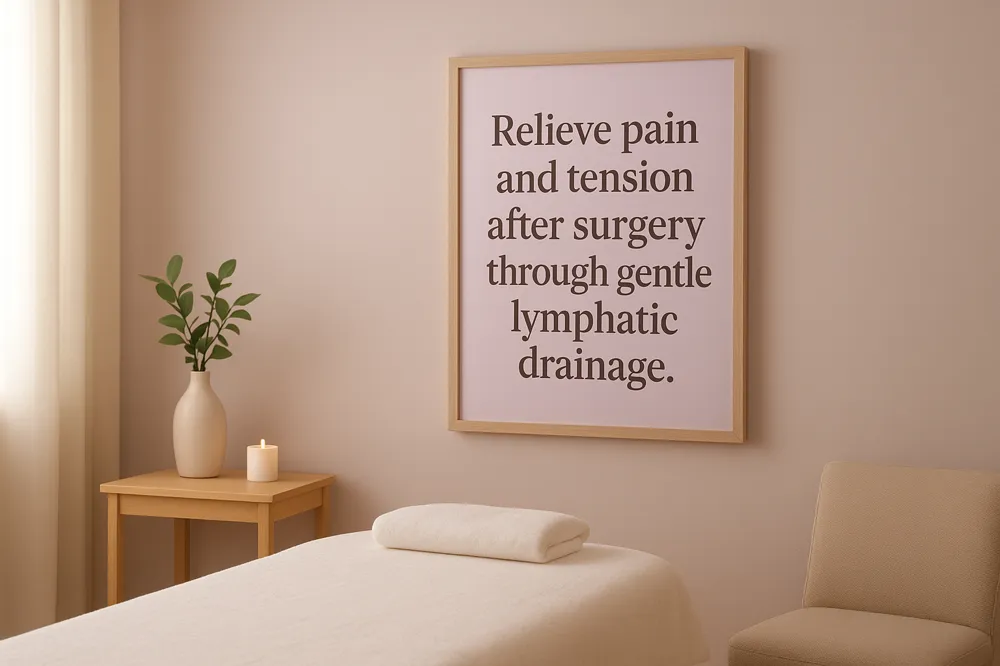
How does lymphatic drainage massage relieve pain and tension after surgery?
Lymphatic Drainage Massage alleviates pain and tension after surgery by promoting the removal of benefits of post surgical lymphatic massage in the affected area. This process helps reduce inflammation, which often causes discomfort and restricts mobility, leading to a feeling of lightness and decreased tension. Additionally, improved microcirculation from Lymphatic massage benefits after plastic surgery delivers essential nutrients and oxygen to tissues, facilitating faster healing and reducing soreness. By easing swelling and relieving pressure on nerves and tissues, the massage can also lessen pain and improve overall comfort. Overall, lymphatic drainage supports a smoother recovery by Lymphatic massage benefits after plastic surgery.
5. Prevents and Reduces Scar Tissue for Smoother Healing
How lymphatic massage limits fibrosis and scar formation
Lymphatic massage, particularly Manual Lymphatic Drainage (MLD), plays a vital role in reducing scar tissue formation after surgery. By stimulating lymphatic flow, the massage encourages the removal of excess fluids, toxins, and inflammatory byproducts from the surgical area. This reduction in inflammation helps limit fibrosis, the hardening or thickening of scar tissue, which can otherwise restrict movement and cause discomfort. The gentle, rhythmic strokes used in lymphatic massage open and close the lymphatic vessels, promoting efficient drainage and preventing fluid buildup that contributes to scar tissue development.
Techniques to promote tissue remodeling and improve skin tone
Specialized lymphatic massage techniques involve light pressure and specific hand movements targeting lymph nodes and affected tissues. These techniques help remodel tissues by breaking down excess fibrous tissue and supporting proper collagen alignment during the healing process. Improved circulation resulting from lymphatic massage enhances the delivery of oxygen and nutrients to the skin, which promotes healthier and more radiant skin tone. Therapists often employ approaches such as Vodder or Leduc methods, customizing treatment to each patient’s needs to optimize tissue flexibility and skin appearance.
Post-surgical aesthetic improvements associated with reduced scar tissue
By limiting fibrosis and promoting better tissue quality, lymphatic massage contributes to smoother, less noticeable scars and a more refined surgical outcome. Patients frequently report reduced swelling and bruising alongside improved skin texture and contour definition. These benefits not only enhance physical comfort but also support emotional wellbeing by improving aesthetic results. Regular lymphatic massage benefits after tummy tuck sessions following procedures like tummy tucks, liposuction, and breast surgeries foster faster healing, minimize swelling, and ensure the best possible post-surgical appearance.
6. Supports Detoxification and Removal of Anesthetic Residue

Role of the lymphatic system in filtering toxins and metabolic waste
The lymphatic system acts as the body’s natural filtration and drainage network, essential for removing toxins, metabolic waste, and excess fluids from tissues. Post-surgery, this system encourages the elimination of cellular debris and waste products that accumulate during the healing process, maintaining tissue health and reducing inflammation. Learn more about the Lymphatic Massage.
How massage accelerates clearance of anesthetic remnants post-surgery
Lymphatic Drainage Massage gently stimulates lymph vessels and nodes, enhancing lymph flow, which speeds up the body’s ability to clear anesthetic particles and other surgical residues. By promoting efficient circulation and fluid movement, the massage aids in detoxification, helping patients experience reduced puffiness and decreased sluggishness following anesthesia exposure. For more on drain excess fluids after surgery, see here.
Benefits for overall patient wellness and decreased post-op sluggishness
Following lymphatic massage for faster recovery, patients typically feel a sense of lightness and rejuvenation due to enhanced detoxification. This process can lead to improved energy levels and diminished fatigue commonly associated with post-operative recovery. Staying hydrated and following post-massage hydration and movement care recommendations further supports the lymphatic system’s cleansing actions and promotes Lymphatic drainage massage benefits.
Answer to common question
What happens to your body after lymphatic drainage massage? After the massage, the body’s lymphatic flow improves, efficiently lymphatic system waste removal. This can produce feelings of increased circulation and lightness. Some may experience mild discomfort if swelling was present. Consistent multiple sessions for optimal healing aid in detoxification, inflammation reduction, and overall health. Hydration and gentle activity afterward optimize these benefits. For detailed guidance, see Manual Lymphatic Drainage (MLD) benefits.
7. Promotes Improved Circulation and Skin Health
How lymphatic massage enhances blood flow and oxygen delivery
Lymphatic massage uses gentle, rhythmic strokes to stimulate lymphatic vessels, facilitating the movement of fluid and reducing congestion in tissues. This stimulation indirectly improves blood circulation by clearing lymphatic pathways, allowing for better oxygen and nutrient delivery through the bloodstream to surgical areas.
Enhanced circulation supports tissue regeneration and metabolic functions essential for healing. By promoting efficient fluid exchange, lymphatic massage helps reduce inflammation and alleviates vascular pressure, contributing to more comfortable recovery.
Impacts on skin tone, texture, and reduction of post-op puffiness
Post-surgical swelling often causes puffiness and uneven skin texture around the treated area. Regular lymphatic drainage massage effectively drains excess fluids after surgery and toxins that accumulate after invasive procedures. This reduction in fluid retention diminishes puffiness, fosters a more natural skin contour, and smooths unevenness caused by swelling or fluid buildup.
In addition to decreasing swelling, lymphatic massage enhances the skin’s tone and texture by increasing oxygen-rich blood flow. Patients commonly experience healthier, more radiant skin as the procedure promotes removal of metabolic waste and supports the skin’s natural repair mechanisms.
Benefits for skin recuperation following invasive procedures
Following surgeries such as liposuction, tummy tucks, or facelifts, lymphatic massage benefits after plastic surgery aids skin recovery by reducing inflammation and facilitating prevent scar tissue buildup. Improved lymphatic flow encourages the breakdown of excess scar tissue, resulting in smoother and less visible scars.
The massage also supports boost immune function with lymphatic massage, lowering the risk of infection and encouraging faster skin regeneration. With enhanced circulation, skin cells receive vital nutrients necessary for restoration, promoting quicker healing and better aesthetic outcomes.
Patients are often advised to combine lymphatic massage with other recovery strategies, such as use of compression garments after surgery and proper hydration, to maximize skin health benefits and accelerate their return to normal activities.
8. Facilitates Faster Return to Daily Activities with Tailored Care
How often should lymphatic drainage massage be done after surgery?
The frequency of lymphatic drainage massage after surgery is personalized based on the individual’s healing pace and the surgery complexity. Typically, patients start with an initial series of 6 to 10 treatments, concentrated in the early recovery phase. In the first postoperative week, 2 to 3 sessions are often recommended to jumpstart lymph flow and swelling reduction.
During the second week, treatments generally continue twice weekly. As swelling decreases and mobility improves, the number of sessions tapers to 1 to 2 per week for weeks 3 and 4, then to weekly sessions during weeks 5 through 8. Your therapist, trained in post-surgical lymphatic care, will adjust timing and frequency based on ongoing assessment to ensure optimal healing and comfort.
Combining lymphatic massage with compression garments and light exercise
To maximize recovery, lymphatic drainage massage is most effective when paired with wearing prescribed compression garments and engaging in gentle physical activity. Compression garments support tissues, prevent fluid buildup, and shape surgical contours, typically worn continuously for at least six weeks post-op.
Light exercise such as walking or stretching, approved by your surgeon, encourages natural lymph flow and maintains circulation. Post-massage hydration and movement further assist detoxification and fluid drainage, creating a synergistic effect that accelerates healing and improves aesthetic outcomes.
Personalized treatment plans by certified therapists for safe recovery
Certified lymphatic therapists with specialized training in manual lymphatic drainage ensure each treatment targets specific surgical sites while safeguarding delicate tissues and incisions. Their expertise allows treatment customization, balancing pressure and stroke techniques appropriate to the patient’s condition and tolerance.
This individualized attention supports faster reduction in swelling and pain, reduces scar tissue formation, and promotes efficient waste removal through the lymphatic system. Ultimately, a personalized approach with professional guidance not only enhances recovery but also empowers patients to return to their daily activities with confidence and well-being.
Understanding the Importance and Safety of Post-Op Lymphatic Massage
Do doctors recommend lymphatic drainage massage?
Yes, many doctors endorse Lymphatic Drainage Massage, especially for patients recovering from surgeries that affect the lymphatic system, such as breast cancer procedures involving lymph node removal. This gentle massage technique helps to reduce swelling, improve lymphatic circulation, and support immune function. It’s a valuable complementary therapy for managing conditions like lymphedema, chronic venous insufficiency, and recovering from cosmetic or reconstructive surgeries.
What are contraindications and conditions requiring medical consultation?
While Lymphatic Drainage Massage is generally safe, it is not suitable for everyone. Contraindications include active infections, blood clots (deep vein thrombosis), cellulitis, heart disease, kidney failure, fever, or other serious medical conditions. Patients with these conditions should avoid lymphatic massage until cleared by their healthcare provider. Persistent swelling, worsening symptoms, or signs of infection after surgery should prompt medical evaluation before or during lymphatic treatment.
What professional training and certification ensure safe treatment?
Because lymphatic massage requires specialized knowledge of lymphatic anatomy and gentle techniques, it should be performed by certified and trained professionals. Certifications such as Complete Decongestive Therapy (CDT) or certification as a Certified Lymphedema Therapist (CLT) indicate expertise in lymphatic drainage methods. Licensed therapists with specific post-surgical care training help maximize benefits and minimize risks. Professional guidance ensures safe use of lymphatic massage as an adjunct to other treatments, including compression garments and medical monitoring.
Adhering to medical advice and choosing experienced therapists makes post-operative lymphatic massage a safe, supportive component of recovery and overall wellness management.
Managing Post-Surgical Lymphatic Fluid Accumulation Effectively
How can lymphatic fluid accumulation be managed after surgery?
Managing Post-surgical swelling explanation requires a proactive, multi-pronged approach to support healing and prevent complications. Manual Lymphatic Drainage (MLD) is a gentle, specialized technique performed by Trained therapists for lymphatic drainage that stimulates lymph flow, aiding the removal of excess fluid and toxins from tissues. This therapy is often started within days after surgery to reduce swelling and bruising while promoting recovery.
Compression therapy plays a vital role in controlling fluid retention. Patients are advised to wear Importance of compression garments such as sleeves or bandages consistently, often for at least six weeks, depending on the extent of surgery. These garments provide even pressure that supports tissue, prevents fluid pooling, and minimizes scar tissue formation.
Elevation of the affected limb above heart level helps utilize gravity to assist lymph drainage and lessen fluid buildup. Complementary to these measures, light exercise including walking and gentle stretching enhances circulation and promotes lymphatic flow.
Maintaining proper skin hygiene and hydration lowers the risk of infections like cellulitis, which can worsen swelling. A balanced, low-sodium diet further supports fluid balance. When conservative treatments are insufficient, surgical interventions such as lymphaticovenous anastomosis or lymph node transfer may be explored with a specialist to restore lymphatic pathways.
Close coordination with healthcare providers ensures personalized care plans tailored to the patient’s unique recovery needs, enabling effective Lymphatic Drainage Massage and fostering smooth post-surgical healing.
Why Specialized Training Makes Lymphatic Massage More Costly
Why is lymphatic massage sometimes more expensive than other massages?
Lymphatic massage stands apart from general massage therapies due to the Manual lymphatic drainage benefits required to perform it effectively. Therapists who provide lymphatic drainage have typically undergone extensive education focused on the anatomy and function of the lymphatic system. This training covers unique techniques such as the Vodder, Foldi, or Chickly methods, which involve gentle, rhythmic, and precise movements aimed specifically at stimulating lymphatic flow.
Unlike standard muscle-relaxing massages, lymphatic massage demands expertise in identifying lymphatic pathways and applying delicate pressure that avoids harm while encouraging detoxification and fluid drainage. This skill set ensures safe treatment, especially for patients recovering post-surgery or dealing with medical conditions like lymphedema.
Additionally, lymphatic massage sessions can be more time-intensive and require ongoing professional certification and adherence to strict protocols. The therapy’s significant health benefits—in benefits of post surgical lymphatic massage—position it as a specialized healthcare service rather than a typical spa treatment.
Therefore, the higher costs reflect the advanced skills, comprehensive knowledge, dedicated training, and the critical role lymphatic drainage plays in promoting wellness and recovery, particularly for women’s post-surgical care.
Table: Comparison of Lymphatic Massage with General Massage
| Aspect | Lymphatic Massage | General Massage | Reason for Cost Difference |
|---|---|---|---|
| Therapist Training | Specialized certification in lymphatic system and techniques | Basic massage training | Advanced education increases expertise and cost |
| Technique | Gentle, rhythmic, precise lymphatic drainage movements | Muscle relaxation techniques | Requires precision and care for safety |
| Session Time | Often longer, with focused treatment on lymph pathways | Varies, often shorter | More time-intensive sessions |
| Health Benefits Focus | Detoxification, swelling reduction, immune support | Relaxation, muscle relief | Medical focus and health outcomes justify costs |
This specialized approach makes lymphatic massage a valuable and often necessary component of the importance of post-operative care with manual lymphatic drainage, validating its higher price point compared to general massage offerings.
Embracing Post-Op Lymphatic Massage as an Essential Recovery Tool
Therapeutic Benefits of Post-Op Lymphatic Massage
Lymphatic massage is a gentle, specialized technique essential for post-surgical recovery. This therapy accelerates healing by promoting efficient lymphatic flow, which aids in removing excess fluids, toxins, and metabolic waste from tissues, significantly reducing swelling and bruising.
It also prevents scar tissue buildup and supports smoother, less noticeable scars. By enhancing circulation, lymphatic drainage promotes healthy skin tone and boosts immune function, helping the body fight infection during critical healing phases.
Patients often experience reduced pain and discomfort due to decreased inflammation, alongside improved mobility and overall well-being.
Why Consider Lymphatic Massage for Healing?
Given its multiple benefits, lymphatic massage should be viewed as a vital component in post-operative care rather than a luxury. It supports faster, more comfortable recovery and optimizes surgical results, especially after procedures like liposuction, tummy tucks, or breast surgeries.
Taking the Next Step
Consulting with qualified, trained lymphatic therapists ensures safe and effective treatment tailored to individual needs. Surgeons and healthcare providers can guide patients to incorporate lymphatic massage within comprehensive recovery plans.
Empower your healing journey by discussing lymphatic massage early with your care team to enhance your recovery, minimize complications, and achieve the best aesthetic and health outcomes.