8 Reasons Why Post-Op Lymphatic Massage Is Not Just a Luxury
March 16, 2026
Long-Term Benefits of Lymphatic Massage Beyond Your Surgery
March 16, 2026
Introduction to Wood Therapy and Cellulite: Setting the Stage
Understanding Wood Therapy
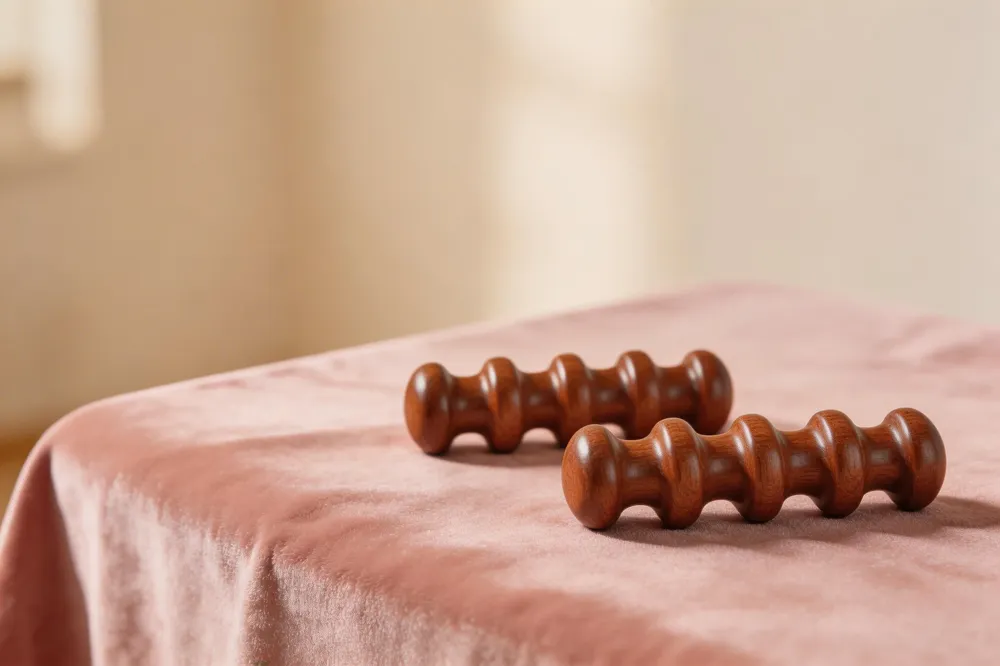
Wood therapy, also known as maderotherapy, is a massage technique utilizing specialized hand-held wooden tools to stimulate the body. It has gained popularity as a non-invasive method aimed at sculpting the body, improving circulation, and reducing cellulite.
Popularity and Claims
Advocates of wood therapy claim it can break down fat deposits and cellulite, promote lymphatic drainage, enhance skin tone and elasticity, and relieve muscle tension and stress. These claims have helped it become a favored complementary option for those seeking to contour their bodies without surgery.
What is Cellulite?
Cellulite is a common skin condition, affecting approximately 80-90% of adult women, characterized by dimpled or puckered skin usually on the thighs, buttocks, and abdomen. It results from fibrous bands tightening beneath the skin, causing the fatty tissue to bulge.
Purpose and Skepticism
While wood therapy is marketed as a solution to reduce the appearance of cellulite, scientific research has not confirmed its effectiveness. This skepticism invites consumers to critically evaluate claims and consider evidence-based treatments when addressing cellulite concerns.
What is Wood Therapy and How is It Used in Body Contouring?

What Is Wood Therapy (Maderotherapy)?
Wood therapy, also known as maderotherapy, is a non-invasive massage technique that uses specially designed wooden tools to target and massage specific body areas. Originating from traditional practices, this therapy has gained popularity in the United States as a holistic method to enhance body shape and skin appearance.
Tools and Massage Technique
Practitioners employ various hand-held wooden instruments made from natural materials, applying rhythmic and targeted pressure on regions such as the thighs, abdomen, arms, and buttocks. Sessions typically last between 30 to 60 minutes and involve repetitive motions that aim to stimulate circulation and lymphatic flow.
Claims Made About Wood Therapy
The therapy is claimed to:
- Break down fat deposits and cellulite by mechanically influencing the tissue
- Stimulate lymphatic drainage, aiding in detoxification and fluid elimination
- Improve blood circulation to nourish the skin and muscles
- Promote collagen production to tighten and smooth the skin
- Provide relaxation and reduce muscle tension
Many users report immediate sensations of skin tightening and improved texture, with continued sessions potentially enhancing these effects.
Holistic and Non-Invasive Appeal
Wood therapy is celebrated for being a natural and low-risk alternative that requires minimal downtime compared to invasive body contouring procedures. It fits well within a wellness-focused lifestyle, emphasizing detoxification, relaxation, and skin health.
Celebrity Endorsements and Popularity in the U.S.
The treatment has attracted attention from celebrities and wellness advocates seeking natural ways to maintain a youthful appearance. This growing popularity in the U.S. reflects a broader trend toward holistic body sculpting therapies that complement more traditional medical treatments.
How Does Wood Therapy Assist in Body Contouring and Cellulite Reduction?
Wood therapy aims to improve blood and lymph circulation through massage with wooden tools. While it is believed to help break down fat deposits and stimulate lymphatic drainage, thereby reducing cellulite appearance and enhancing skin firmness, scientific support for these claims is limited. Most current data come from anecdotal evidence and user experiences rather than rigorous clinical studies. Therefore, it serves primarily as a supportive, complementary therapy rather than a definitive cellulite cure. For lasting and clinically proven results, medical treatments such as laser therapy or mechanical procedures are typically recommended.
Scientific Evidence: The Reality Behind Wood Therapy Claims

What Does Research Say About Wood Therapy?
Currently, there is a notable lack of rigorous scientific research on wood therapy validating the claims made about wood therapy, also known as maderotherapy. Despite its popularity as a massage technique using wooden tools to reduce cellulite, improve blood circulation, and enhance skin tone, these benefits remain unproven in clinical studies.
Are Vibrational Device Studies Relevant?
A 2020 study examining vibrational devices—which are not wooden tools—showed some reduction in cellulite appearance and skin firmness. However, these findings cannot be directly attributed to wood therapy, as the technique and mechanisms differ significantly. This highlights the need for more specific research investigating wooden tools themselves.
How Does Wood Therapy Compare to Proven Treatments?
Unlike manual lymphatic drainage massage, which has documented benefits in promoting lymph flow and waste elimination, wood therapy’s effects on the lymphatic system have not been scientifically confirmed. Established treatments such as laser therapy, radiofrequency, ultrasound, and mechanical procedures like Cellfina have undergone clinical trials showing varying degrees of temporary cellulite reduction.
Why Might People Experience Benefits?
Some anecdotal improvements with wood therapy may stem from increased blood flow and mild inflammation caused by massage pressure, creating a temporary smoothing effect. Additionally, the tactile experience and touching wood may promote relaxation and comfort, as supported by studies showing people feel more relaxed when touching wooden materials.
What Are The Risks and Safety Considerations?
Wood therapy sessions can sometimes cause bruising, soreness, or discomfort, particularly during early treatments due to the vigorous pressure applied with wooden instruments. To minimize risks such as nerve injury or skin bruising, it is essential to choose qualified and licensed therapists who understand proper technique and client health conditions.
In summary, while wood therapy may offer some subjective benefits related to relaxation and temporary skin appearance, the current scientific evidence does not substantiate its claims for fat or cellulite reduction. More rigorous, targeted studies are necessary to clarify its efficacy and safety for women seeking cellulite treatments.
Understanding Cellulite: Causes, Prevalence, and Challenges of Treatment

What Is Cellulite and How Does It Form?
Cellulite is a common skin condition characterized by a puckered or dimpled appearance, often described as “orange peel” skin. It results from fat deposits pushing through fibrous connective bands that tighten under the skin. These fibrous bands pull the skin inward while the fat pushes outward, creating an uneven texture. For more details, see Cellulite explanation.
How Common Is Cellulite Among Women in the US?
Cellulite affects approximately 85% to 90% of adult women in the United States. Despite its widespread prevalence, cellulite is not harmful but remains a cosmetic concern for many. More information can be found at Cellulite prevalence in women.
The Role of Fibrous Bands, Fat Deposits, and Skin Elasticity
The interplay of stubborn fat deposits beneath the skin and the fibrous bands that connect skin to muscle causes the characteristic dimpling. Additionally, reduced skin elasticity due to aging or other factors contributes to cellulite’s visibility, explained further in Causes of cellulite.
Why Is Cellulite Difficult to Eliminate Permanently?
Cellulite’s complex underlying structure makes it challenging to eradicate completely. Treatments often focus on reducing its appearance rather than permanent removal because fat cells and fibrous bands are difficult to alter permanently. More on this is available in Limitations of wood therapy.
Medically Supported Treatments in the US
Several FDA-approved treatments target cellulite’s appearance, including:
- Laser Therapy (e.g., Cellulaze): Breaks down fibrous bands and stimulates collagen.
- Radiofrequency and Ultrasound Devices: Smooth the skin by tightening collagen.
- Mechanical Treatments (e.g., Cellfina Subcision): Sever fibrous bands to reduce dimpling.
These methods vary in effectiveness and duration, with some offering improvements lasting up to two or three years. For an in-depth look, consult Treatments for cellulite and Cellfina mechanical cellulite treatment.
Limitations of Home Remedies and Lifestyle Approaches
Home remedies like apple cider vinegar, dry brushing, and caffeine-based creams lack credible scientific evidence for reducing cellulite. While lifestyle choices can improve skin health, they do not guarantee visible cellulite reduction. For evidence-based insight, see Home remedies for cellulite, Effectiveness of apple cider vinegar, and Caffeine topical products.
How Exercise and Topical Treatments Impact Cellulite Appearance
Exercise helps by building muscle beneath the skin, which can smooth out the skin’s surface and make cellulite less noticeable. Topical retinol may thicken the skin over time, softening cellulite’s appearance, and caffeine-containing products may temporarily reduce skin swelling by dehydrating cells. However, these effects are generally temporary and require consistent use. More about this can be found at Exercise impact on cellulite and Retinol and cellulite.
Understanding the nature of cellulite and recognizing its treatment limitations is essential for managing expectations and choosing appropriate therapies tailored to individual needs.
Wood Therapy vs. Medical Treatments: What Are the Alternatives?

What Are the Established Medical Treatments for Cellulite?
Several medical therapies for cellulite reduction are FDA-approved and commonly available in the United States. These include laser therapies like Cellulaze, radiofrequency and ultrasound treatments, and mechanical interventions such as Cellfina, VelaShape, and Venus Freeze. These procedures aim to improve skin firmness, stimulate collagen production, and disrupt fibrous bands causing cellulite’s dimpled appearance.
What Are the Advantages and Limitations of Medical Treatments?
Medical treatments generally offer more predictable and scientifically supported results compared to wood therapy. However, results tend to be temporary, lasting from several months up to a few years. Treatment response varies by individual, and some methods may be invasive or semi-invasive, potentially involving downtime and risks like bruising or soreness.
How Do Recovery Times and Invasiveness Compare to Wood Therapy?
Wood therapy is non-invasive with minimal to no recovery time, making it an appealing option for those seeking low-risk treatments. In contrast, medical procedures like Cellfina may require several days of recovery due to the invasive nature of tissue release techniques. Less invasive methods such as radiofrequency typically have shorter or no downtime but may require multiple sessions.
What Role Does Post-Operative and Lymphatic Care Have in Cellulite Management?
Effective recovery and sustained cellulite improvement often depend on post-operative care, which includes lymphatic drainage massage and other therapies that promote circulation and waste removal. While manual lymphatic drainage has scientific support, wood therapy impact on lymph flow remains unconfirmed.
Are There Complementary Therapies for Maintaining Results?
Maintaining cellulite reduction often involves lifestyle measures such as exercise impact on cellulite and topical applications like retinol and cellulite or caffeine topical products, which can temporarily improve skin texture. Combining these with medical treatments and complementary therapies supports longer-lasting results.
Although wood therapy offers a natural, low-risk alternative, medical treatments currently provide more evidence-based options for those seeking significant and lasting improvements in cellulite appearance.
Lymphatic Therapy and Post-Operative Care: Essential Supports for Women’s Wellness
What is lymphatic therapy and how does it benefit women’s wellness after surgery?
Lymphatic therapy involves gentle, rhythmic massage techniques aimed at stimulating the lymphatic system to enhance waste removal, reduce swelling, and improve circulation. This is especially important for women recovering from surgeries such as liposuction, tummy tucks, or breast reconstruction. By helping to decrease post-operative inflammation, lymphatic therapy supports the body’s natural healing processes. It can also reduce fibrosis, improve skin texture, and ease discomfort caused by fluid retention and swelling. Advanced tools like the FDA-cleared Ballancer® Pro system provide consistent, wave-like treatments that further promote effective lymphatic therapy impact on lymph flow.
How can post-operative care contribute to faster healing and reduced inflammation for women recovering from cosmetic or reconstructive surgery?
Post-operative care is essential for accelerating healing and minimizing inflammation after surgery. Key elements include rest, proper hydration, and strict adherence to surgeon guidelines about dressings, drains, and medications to avoid complications. Incorporating post-operative care protocols for cosmetic surgery recovery such as lymphatic drainage massage and body contouring can actively reduce swelling, enhance blood flow, and prevent scar tissue buildup, supporting a quicker recovery. Additional measures such as cold compresses and regulated physical activity also help control inflammation and discomfort, contributing to smoother and more successful healing.
What types of services are available to support women managing swelling and enhancing circulation during recovery?
There are several specialized therapies available to assist women in managing swelling and promoting circulation during recovery. Manual lymphatic drainage massage encourages lymph flow, reducing fluid buildup, inflammation, and aiding detoxification. Body contouring and cellulite treatments can improve tissue firmness and circulation while addressing swelling. Whole body vibration therapy is another effective option, stimulating lymphatic movement, muscle activation, and blood flow. These therapies are especially valuable for women recovering from surgery or encountering hormonal changes such as menstruation or menopause, offering support for hormonal balance, pain relief, and relaxation. Personalized treatment plans from licensed professionals ensure safe and effective results tailored to individual needs.
What makes a women’s wellness boutique focused on post-surgical and lymphatic care distinct in its approach to personalized treatment?
Women’s wellness boutiques dedicated to post-surgical and lymphatic care combine clinical expertise with compassionate, individualized treatment. They utilize evidence-based practices like manual lymphatic drainage designed to eliminate excess fluids, diminish swelling, alleviate pain, and support tissue healing while reducing fibrosis risks. Treatment plans are customized to each client’s specific healing journey, often integrating compression garments, hydration guidance, and gentle exercise to optimize recovery. Emphasizing gentle rhythmic techniques that safely stimulate the lymphatic system, these boutiques offer a holistic approach to toxin removal and immune support. This dedication to personalized, research-backed care facilitates comfortable recovery and promotes long-lasting wellness for women.
Safety, Expectations, and Combining Wood Therapy with Healthy Lifestyle Choices

Safety Considerations and Minor Risks of Wood Therapy
Wood therapy is generally considered a safe, non-invasive treatment popular for body contouring and cellulite reduction. However, it may cause minor side effects such as bruising and discomfort, especially during initial sessions when the skin can be sensitive to the deep pressure applied by wooden tools in therapy. Individuals with medical conditions like osteoporosis, blood clotting disorders, or skin infections should consult healthcare providers before beginning treatment.
Importance of Choosing Licensed, Qualified Therapists
Ensuring your wood therapy sessions are led by licensed, experienced therapists is crucial for safety and optimal results. Licensed practitioners understand proper wood therapy massage techniques and pressure modulation, minimizing risks such as muscle soreness, bruising, or nerve irritation.
Realistic Expectations for Cellulite Reduction and Body Contouring
While many clients observe improvements in skin texture and reduction in cellulite appearance, wood therapy and cellulite reduction is not a cure-all. Results often begin within a few weeks, typically after multiple sessions (around 6 to 12), and can last several months with maintenance. The therapy primarily improves lymphatic drainage with wood therapy, blood flow, and collagen production leading to smoother skin and modest body shaping.
Combining Wood Therapy with Healthy Lifestyle Choices
For the best outcomes, wood therapy should be integrated into a holistic wellness routine. Staying well-hydrated before and after sessions supports lymphatic drainage and wood therapy. Regular exercise builds muscle tone, indirectly reducing cellulite visibility. Balanced nutrition assists in metabolism and skin health. Maintenance sessions help sustain benefits over time.
Non-invasive Treatment Supporting Long-term Wellness
As a natural alternative to surgical procedures, wood therapy offers a low-risk method to enhance blood circulation with wood therapy, reduce fluid retention, and promote relaxation. When combined with healthy lifestyle habits, it can be a valuable part of a comprehensive body contouring wood therapy and wellness strategy tailored to individual needs.
Conclusion: Separating Fact from Fiction in Wood Therapy for Cellulite
Understanding Wood Therapy’s Role in Cellulite Management
Wood therapy offers several anecdotal benefits, such as promoting blood circulation, enhancing lymphatic drainage, and improving skin texture. Many women report immediate sensations of skin tightness and relaxation after sessions, pointing to its potential as a soothing, non-invasive wellness option.
Scientific Evidence and Limitations
Despite these positive claims, wood therapy lacks solid scientific evidence to confirm its effectiveness in permanently reducing cellulite or breaking down fat deposits. Current research highlights that any improvements in cellulite appearance are typically temporary and require repeated sessions.
Proven Alternatives and Lymphatic Care
Women seeking more reliable cellulite treatments can consider medically supported options prevalent in the US, including laser therapy, radiofrequency, ultrasound, and mechanical methods like Cellfina. Manual lymphatic drainage, a scientifically validated treatment, also plays a significant role in promoting toxin elimination and reducing fluid retention.
Practical Recommendations
For those interested in wood therapy, it should be approached as a complementary therapy rather than a standalone solution. Consulting with licensed practitioners and maintaining realistic expectations are essential to ensure safety and satisfaction.
Empowering Informed Choices
In the dynamic US wellness market, understanding the balance between promising alternative therapies and medically endorsed treatments empowers women to make informed decisions tailored to their health and aesthetic goals. Ultimately, wood therapy may provide relaxation and temporary skin improvements but should be integrated thoughtfully within a comprehensive cellulite management plan.