What to Expect After Cosmetic Surgery: Insider Insights
March 16, 2026
When Should You Really Seek Professional Help During Your Recovery?
March 16, 2026

Understanding the Essentials
Core Differences in Techniques and Goals
Post-operative massage focuses on delicate, light motions to support lymphatic flow, reducing swelling and promoting recovery without stressing surgical sites. These sessions use specialized techniques like Manual Lymphatic Drainage (MLD) to stimulate fluid removal, targeting lymph nodes and vessels. In contrast, standard massages, such as Swedish or deep tissue, address general muscle relaxation using deeper pressure to ease tension, enhance circulation, and improve overall well-being but lack the precision needed for post-surgical healing.
Matching Massage Types to Wellness Objectives
A post-surgical massage is designed to complement recovery plans, offering targeted relief from fluid retention, tissue stiffness, and pain. It aligns with medical guidance to enhance postoperative outcomes. On the other hand, standard massages are ideal for stress reduction, muscle recovery, and mental relaxation. They do not provide the focused lymphatic support critical for surgical recovery.
Practical Considerations for Post-Operative Clients
Choosing the right massage is vital for post-surgical wellness. Post-op clients should prioritize therapies with MLD-certified professionals who understand recovery timelines and surgical restrictions. This ensures safety and effectiveness. Standard massage is less suitable immediately after surgery, as it could inadvertently exacerbate inflammation if applied to sensitive, healing tissues. Consulting healthcare providers and understanding each technique’s purpose helps in making informed decisions.
Key Facts: Post-Operative Massage vs. Traditional Massage
- Post-operative massage prioritizes clinical recovery, while traditional massage focuses on relaxation.
- Manual Lymphatic Drainage (MLD) reduces swelling and promotes fluid drainage after surgery.
- Post-op massage uses gentle, rhythmic strokes, while traditional massage often applies deeper pressure.
- Lymphatic massage is preferred post-surgery to avoid inflammation and tissue irritation.
- Spa massage lacks medical assessment and is not integrated into recovery plans
- Post-op massage requires professional certification and medical collaboration for safe application.
- Traditional massage uses techniques like Swedish or deep tissue for muscle relaxation, not lymphatic support.
- Post-op therapy is often prescribed by doctors, while spa services are self-directed wellness choices.
- MLD massage is essential after procedures like liposuction to reduce seroma formation.
- Post-op massage integrates with clinical care, whereas spa treatments are general wellness-focused with fewer restrictions.
1. Targeted Intent vs. General Relaxation

Comprehensive Post-Op Care for Optimal Recovery
Post-operative massage, particularly manual lymphatic drainage (MLD), plays a vital role in promoting healing and reducing complications after surgery. Unlike regular massages, post-op care focuses on clinical outcomes rather than general relaxation. Techniques like MLD help decrease swelling, flush excess fluids, and support the body’s natural recovery processes. This form of therapy is crucial for women recovering from procedures such as liposuction or tummy tucks, where reducing seroma formation is essential.
The Benefits of Post-Operative Massage
Post-op massage offers significant advantages by targeting specific needs: it reduces inflammation, encourages tissue regeneration, and aids in scar healing. Additionally, it supports emotional well-being, aiding in stress reduction and enhancing mood during recovery. These benefits contribute to a holistic recovery experience tailored to women’s wellness needs, combining physical healing with emotional support.
Key Safety Considerations
A critical component of post-operative care is understanding contraindications and risks. Clients must consult their healthcare providers before starting any post-op massage therapy to ensure it is safe and appropriate given their surgical status and medical history. Trained therapists evaluate individual needs, considering factors like healing progress and the type of surgery, to deliver customized effective treatment plans. By prioritizing safety and personalized care, post-op massage becomes an essential partner in the recovery journey, aligning with a broader commitment to women’s health and well-being.
2. Execution and Technique Contrasts
What sets post-operative and traditional massages apart in their techniques?
Post-operative massages, including medical and lymphatic drainage, focus on gentle, rhythmic strokes that do not penetrate deeply into the muscle layers. Instead of aiming for muscle relaxation, medical massage techniques like manual lymphatic drainage (MLD) prioritize reducing swelling and aiding the lymphatic system by directing fluid from areas of buildup toward functioning lymph nodes. These light, deliberate movements help support healing processes, reduce inflammation, and promote detoxification without overtaxing fragile post-surgical tissues.
Traditional massage, such as Swedish or deep tissue work, typically uses more pressure to break down muscle knots and release chronic tension. These strokes target deeper muscle layers, aiming to improve flexibility and reduce physical and mental stress. Unlike post-operative techniques, traditional massages do not prioritize lymphatic system engagement and are more suited to overall wellness or stress management rather than specific recovery.
Technically, post-operative massage follows a precise sequence, such as beginning with the neck and progressing systematically to aid the body’s natural flow of lymph. Traditional massage, by contrast, is often generalized and adapts to the client’s preference for touch.
What is the best type of massage after surgery?
Lymphatic drainage is often the most beneficial for post-surgical recovery, as it uses soft, non-invasive strokes to encourage fluid movement and reduce swelling, aligning with delicate tissue needs. Techniques like deep tissue or trigger point massage may increase inflammation and discomfort in recently operated areas. Medical spas such as Pink & Fancy lymphatic therapy benefits provide certified MLD therapists trained in MLD to tailor sessions for post-operative patients, ensuring a compassionate post-surgery MLD techniques supportive of surgical healing and recovery.
What specific strokes and directional focus define lymphatic and post-op massage?
Lymphatic drainage, particularly as used in post-op care, employs rhythmic, wave-like motions that apply and release gentle pressure along the path of the lymphatic system. Starting at the neck and progressing systematically, these directional strokes help stimulate the body to filter excess fluid and reduce edema. For example, in the days following cosmetic surgery, these techniques support a smoother recovery by aiding the body’s natural response to fluid retention.
By contrast, traditional massage utilizes a diverse range of strokes, from long effleurage movements to deeper petrissage (kneading). These techniques vary in pressure and sequence based on the client’s needs and focus are designed primarily for relaxation and muscle tension relief, without a directional focus on lymph flow.
The key difference lies in the targeted outcome: lymphatic drainage seeks to enhance the body’s internal processes, while traditional massage offers generalized external benefits. In post-operative settings, the former’s light touch and directional focus are crucial, providing tailored care that supports both physical healing and emotional well-being.
3. Medical Integration vs. Wellness-Centered Approach
Post-operative lymphatic massage as a clinical strategy
Post-operative lymphatic massage is a medically guided therapy often integrated into broader treatment plans for surgical recovery with post-operative care as a key focus. It focuses on the lymphatic system, using light, rhythmic strokes to enhance fluid drainage and reduce swelling. Performed 1–2 weeks after surgery, it complements medical protocols by minimizing complications like lymphedema and improving mobility. Therapists typically work in coordination with surgeons and other healthcare professionals, following precise timing and techniques to avoid disrupting healing tissues. This therapy is frequently recommended for conditions such as post-mastectomy recovery, liposuction, or tummy tuck procedures, where fluid buildup is a known concern.
Spa massage as a wellness practice
Spa massage offers a self-directed approach to relaxation, often incorporated into personal wellness routines. It uses techniques like Swedish or deep tissue massage to alleviate stress, relieve muscle tension, and boost circulation. Unlike medical massage, it doesn’t involve a detailed health assessment or integration into clinical care. Clients can choose sessions based on preference without requiring physician referrals. These services are typically offered in environments designed for comfort and rest, emphasizing aromatherapy, soothing music, and ambient lighting. However, this independence means spa massage rarely plays a direct role in medical recovery plans.
Insurance and healthcare system integration
Post-operative lymphatic massage can be part of a medical plan covered by insurance, especially when prescribed by a physician and accompanied by CPT codes. Some plans may also allow reimbursement through FSA or HSA funds, depending on documentation and provider approval. In contrast, standard spa massage is most often out-of-pocket, though some wellness-focused employers may offer limited coverage. The distinction between clinical necessity and general well-being significantly affects how each service is recognized and funded within the healthcare system.
4. Personalization and Professional Standards
Post-op Massage: Tailored for Individual Recovery
Post-surgical lymphatic massage is highly individualized, focusing on the client’s unique healing needs. Certified MLD therapists begin with a detailed medical intake to understand the specifics of the surgery, the patient’s current health status, and any contraindications such as blood clots or infections. Techniques like Manual Lymphatic Drainage (MLD) are adapted using light, rhythmic strokes that follow the natural pathways of the lymphatic system, ensuring gentle pressure that doesn’t compromise healing tissues. For instance, after reconstructive or cosmetic procedures, MLD helps reduce swelling, prevent seromas (fluid buildup), and promote skin reabsorption, while also addressing the client’s comfort and recovery timeline. This level of customization is essential for sensitive recovery stages, where professional guidance can significantly enhance outcomes and minimize complications.
Spa Massage: Standardized for General Relaxation
Unlike the personalized approach of medical massage, traditional spa massage typically follows standardized routines. These sessions are designed for relaxation and general wellness, using methods like Swedish massage and deep tissue techniques that prioritize stress relief and muscle relaxation. While spa treatments can include some level of customization—such as adjusting pressure or selecting specific areas to focus on—their structure remains more uniform and less medically focused. For individuals without specific health concerns, this approach is effective and enjoyable. However, it lacks the detailed planning and therapeutic adjustments that are critical in post-surgical recovery settings. Spa massage may even contraindicate certain conditions and is generally not suited for clients with acute or post-operative medical needs.
Customization vs. Standardization in Sensitive Recovery Stages
In post-operative care, the personalized approach of medical massage is paramount. Therapists trained in MLD consider the client’s healing phase, surgical site, and overall medical profile to deliver a safe, effective session. Techniques are modified based on the client’s feedback and the recommendations of their surgical team. For example, post-liposuction patients may benefit from a tailored MLD sequence that stimulates lymph nodes in a specific order, avoiding any pressure on incision sites. In contrast, spa massages are not designed to accommodate medical limitations or post-surgery restrictions. Their focus on relaxation means they do not adapt to the unique physiological demands of recovery, which could lead to unintended irritation or swelling if applied too soon after surgery. Thus, professional standards in post-op massage emphasize the need for specialized, one-on-one treatment planning, ensuring that clients receive care aligned with their recovery goals and medical safety. This distinction highlights the importance of choosing the appropriate massage type depending on individual health needs post-surgery.
5. Setting and Protocol Differences
Different contexts and protocols for post-op and spa massages
Post-operative and spa massages differ significantly in their environments and therapeutic protocols. While both aim to support wellness, the settings and processes reflect their distinct goals. Post-op massage, particularly Manual Lymphatic Drainage (MLD) post-surgery, often takes place in clinical or home settings under medical guidance. These sessions adhere to strict protocols designed to ensure safe and effective post-surgical recovery, including prescribed pressure techniques, specific sequences for lymph node stimulation, and adherence to medical limitations outlined by the patient’s healthcare team.
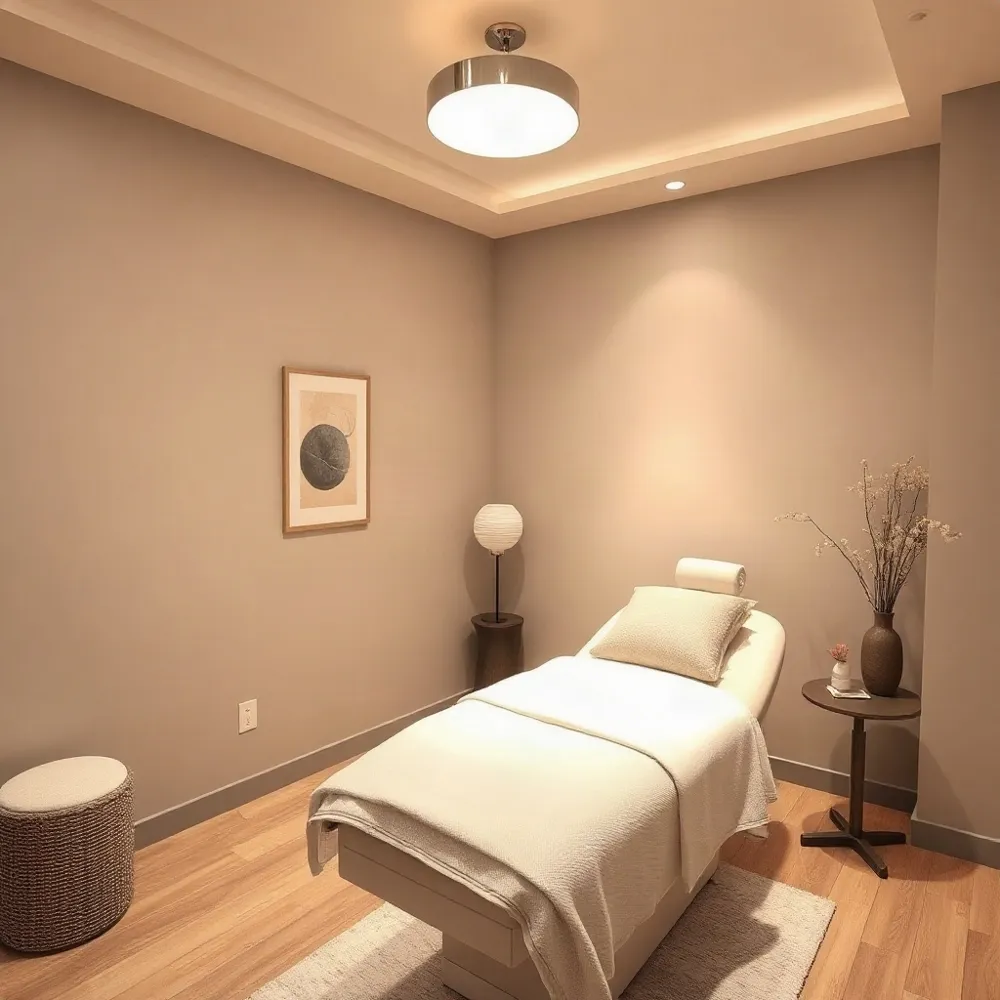
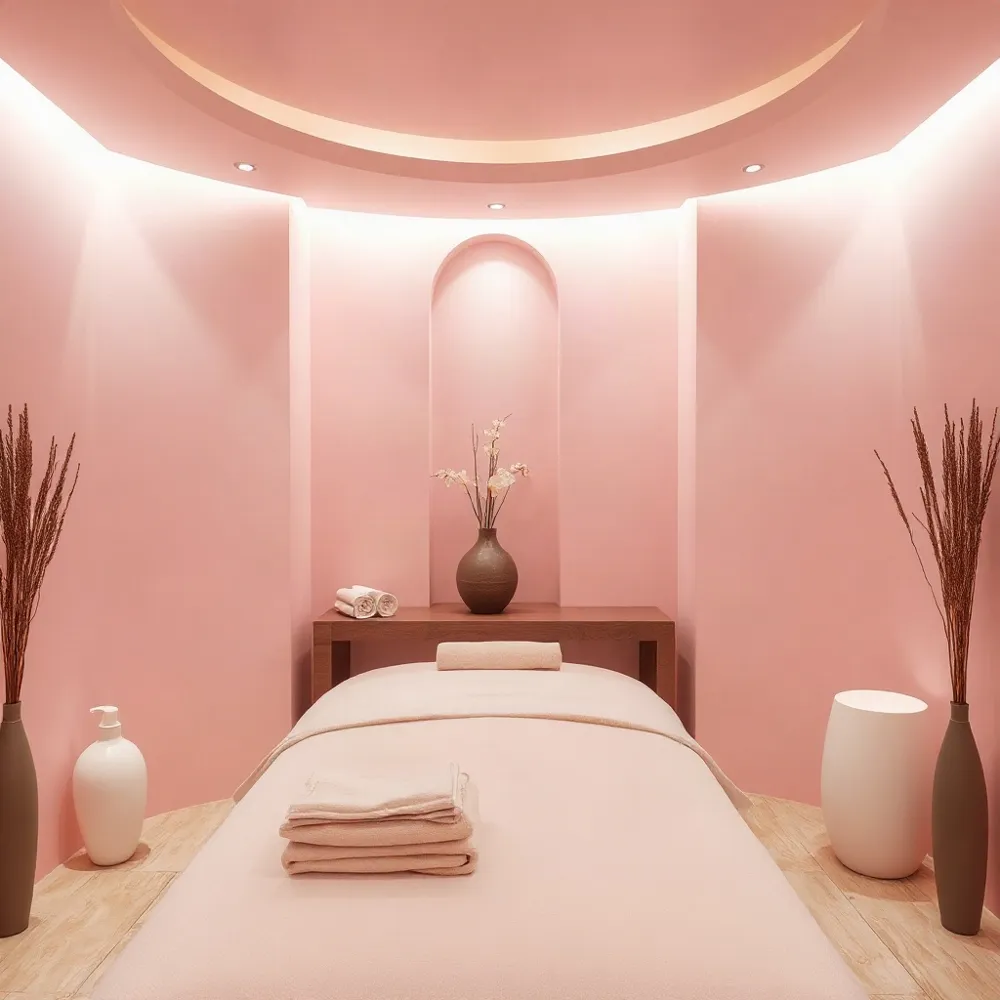
On the other hand, spa massage for relaxation and general wellness are conducted in serene, luxurious environments designed for relaxation. These sessions typically follow general wellness norms and are less focused on individual medical requirements. They use standard techniques such as Swedish or deep tissue massage, which prioritize muscle relaxation and stress relief rather than lymphatic system engagement. While spa massages may not address post-surgical or lymphatic needs as precisely as clinical treatments, they are highly effective for overall wellness and stress reduction.
Post-surgery care is typically clinical or home-based and follows prescribed protocols
For post-surgery clients, the setting and protocol for massages are intentionally structured to align with clinical best practices. Manual Lymphatic Drainage (MLD) post-surgery sessions, for example, must start with the neck and progress in a specific order to stimulate lymph nodes effectively. Therapists trained in MLD avoid using oils or lotions to ensure accurate stroke execution and prevent disruptions in lymphatic flow. Furthermore, post-op clients need to receive medical massage and healthcare provider collaboration before undergoing MLD and are often advised to wait until the surgical area is sufficiently healed. This medical compliance ensures that lymphatic drainage is performed safely and contributes to a smoother recovery.
Spa sessions are in dedicated relaxation environments following general wellness norms
Spa environments are intentionally designed to create a sense of calm and indulgence. These facilities offer amenities like aromatherapy, calming music, and heated rooms, all aimed at enhancing relaxation. The protocols here are less structured and centered on the client’s preferences for comfort and stress relief. Therapists follow standard routines that may include Swedish or hot stone massage, which focus on general muscle relaxation and circulation. Although these sessions may incidentally improve lymphatic flow through mild pressure techniques, they are not tailored or prescribed to address lymphatic stagnation or post-surgical concerns.
| Setting | Clinical/Post-Op Environment | Spa Environment |
|---|---|---|
| Focus | Lymphatic system, medical needs, prescribed outcomes | General relaxation, stress relief, wellness |
| Environment | Clinical or home-based | Luxurious and serene |
| Techniques | MLD, light, rhythmic strokes, no oils | Swedish, deep tissue, hot stone, aromatherapy |
| Pressure | Light, specific to lymph flow | Medium to deep (client preference-based) |
| Protocol | Medical compliance, physician clearance, sequence-based | General wellness norms, client preferences |
| Oils/Lotations | Not used for precise technique execution | Commonly used for smooth application |
Addressing Key Queries About Post-Op and Traditional Massage Safety and Effectiveness
What is the safest form of massage after surgery?
Post-surgical recovery benefits most from Manual Lymphatic Drainage (MLD). Traditional massages, especially deep tissue or Swedish styles, can exacerbate swelling and inflammation by applying intense pressure on healing tissues. MLD uses gentle, wave-like motions to stimulate fluid movement along the lymphatic system, reducing edema and preventing complications like seromas or fibrosis. This technique supports the body’s natural detoxification processes while respecting post-operative fragility, making it the preferred option for procedures like liposuction, tummy tucks, or mastectomy reconstructions. Always consult with a certified therapist and your surgeon to determine the best timing post-op.
How does post-op lymphatic massage support recovery and why is it preferred over traditional techniques?
Post-op lymphatic massage accelerates recovery by reducing post-surgical inflammation, swelling, and scar adhesion. Its gentle rhythm mimics the lymphatic system’s natural pulsations, enhancing fluid clearance from surgical sites. Unlike traditional massage, which focuses on muscle relaxation and deeper stimulation, MLD avoids deep pressure and instead promotes safe, targeted healing. It’s particularly vital for cosmetic procedures where fluid retention can delay results or cause uneven swelling. By facilitating lymph fluid redirection and immune support, MLD reduces healing time and improves long-term tissue pliability after surgical interventions.
What are the specific contraindications and safety protocols for post-op lymphatic massage?
MLD has strict contraindications to ensure safety, including conditions like malignant tumors, deep vein thrombosis (DVT), acute infections, active cancers, major heart issues, and renal failure. Therapists must review patients’ medical histories and sometimes consult physicians before starting the therapy. During sessions, certified therapists avoid the surgical site in its earliest stages and follow a sequence starting from the neck to stimulate systemic drainage. No oils or lotions are used to maintain precise control over movement. Sessions are scheduled based on surgical progress, ensuring they complement, not interfere, with healing protocols.
What are the differences in outcomes between post-op and traditional massage for managing stress and cortisol levels?
Post-op lymphatic massage indirectly supports stress reduction by creating a relaxed physiological state through lymphatic stimulation and inflammation reduction. Traditional massages—especially Swedish or hot stone—focus on lowering cortisol and promoting relaxation through direct muscle engagement and pressure release. While both benefit overall well-being, post-op massage’s primary goal is healing over relaxation. Traditional massage excels in immediate stress relief through endorphin release and tactile reassurance. Post-op sessions, however, require strict adherence to contraindications to ensure safety and recovery.
What are the benefits of lymphatic drainage for swelling reduction and detoxification in post-surgical care?
Lymphatic drainage massage significantly reduces swelling by encouraging excess lymph fluid to drain back into the circulatory system, particularly after surgery where fluid retention is common. This technique supports detoxification by enhancing the removal of metabolic waste and inflammatory substances, thus preventing infections and aiding tissue regeneration. Studies show that lymphatic massage, when incorporated early post-op, reduces post-surgical edema without straining healing tissues, offering a non-invasive option to support immune function and expedite recovery timelines.
Additional Aspects of Post-Op Massage and Its Unique Role in Wellness
What distinguishes post-operative lymphatic massage from traditional massage techniques?
Lymphatic drainage massage (MLD) uses light, rhythmic strokes to stimulate the lymphatic system, reduce swelling, and support the body’s natural detoxification process. In contrast, traditional massage techniques like Swedish or deep tissue massage often apply deeper pressure to target muscle tissue and relieve tension. MLD is particularly effective post-surgery for managing fluid retention and lymphatic fluid movement without causing tissue damage. Traditional massages can risk exacerbating injury sites and swelling, making them unsuitable for early post-operative recovery.
How does professional training shape the effectiveness of post-op massage?
Certified therapists trained in MLD must understand the body’s lymphatic pathways, anatomical considerations, and specific contraindications, such as active infections or blood clots. Their training allows them to adapt treatment to surgical sites and individual medical conditions, ensuring safe and effective therapy. A lack of proper certification can lead to improper pressure application or unsafe techniques, delaying healing and potentially causing new injuries.
Can traditional spa massages support post-operative recovery?
Traditional spa massages are designed for relaxation and generalized muscle relief rather than addressing medical needs. For individuals recovering from surgery, spa massages are often unsuitable because they may include deep techniques that disrupt healing processes and increase inflammation. Unless specifically modified for post-op care by a trained professional, traditional spa massages should be avoided during critical recovery periods.
Comparative Insights and Practical Considerations for Clients
Compare how each massage setting and protocol suits different client needs and stages in healing.
Traditional massage, ideal for general relaxation and stress relief, is best suited for individuals in non-critical recovery phases or those without specific medical conditions. It works well for individuals seeking muscle tension relief, improved circulation, and temporary relaxation. In contrast, post-operative or medical massage, including specialized techniques like Manual Lymphatic Drainage (MLD), is designed for clients in active recovery from surgery or managing chronic conditions. It prioritizes gentle techniques to support tissues healing, reduce swelling, and stimulate lymphatic function without causing strain. Clinical settings and individualized plans differentiate post-op services from traditional spa environments, making them essential when addressing surgical recovery or medical concerns.
Explain how client preferences might influence the choice between post-op and traditional massages.
Client preferences play a significant role in selecting between post-op and relaxation-focused massages. Clients with recreational needs who enjoy luxury environments, aromatherapy, or standard full-body relaxation may prefer traditional massage. On the other hand, individuals who value a structured, goal-oriented recovery—such as those managing post-surgical challenges, chronic pain, or conditions like lymphedema—may lean toward post-op massage. These clients also prioritize a therapist with formal medical training, follow-up documentation, and treatment plans that align with their personal or physician-recommended health goals.
Clarify when it’s appropriate to seek out post-op care versus general relaxation services.
Post-operative care is best sought when medical professionals recommend massage as part of a recovery or treatment plan, especially after surgery like liposuction, tummy tucks, or reconstructive procedures. Clients managing chronic swelling, lymphatic issues, or specific conditions like fibromyalgia should also prioritize this service. General relaxation services, on the other hand, are ideal for stress relief, wellness maintenance, or for those without specific medical needs. Choosing the right service aligns with a client’s health history and needs, ensuring optimal outcomes whether the goal is recovery support or simple relaxation.
Making an Informed Decision
Understanding Key Differences:
Choosing between traditional and medical massage depends on your health goals. Traditional massage focuses on relaxation, reducing stress, and muscle tension through generalized techniques. Medical massage, such as Manual Lymphatic Drainage (MLD), targets lymphatic function, swelling reduction, and post-operative care with tailored, gentle stimulation. This distinction is vital for women in recovery from procedures like breast surgery, where lymphatic support is essential for healing without strain.
Tailored Post-Operative Care at Pink & Fancy:
Pink & Fancy emphasizes personalized, medically informed care for women needing post-surgical support and lymphatic health. Therapists with specialized MLD training understand the unique needs of post-op clients, adapting techniques for individual recovery timelines and conditions. By integrating clinical expertise with compassionate service, they ensure safe, effective treatments that align with your wellness journey and surgical goals.
Consult Healthcare Providers for Best Results:
Before beginning post-op massage, women should discuss their recovery plan with their healthcare team. Proper guidance ensures that therapies like MLD are introduced at the right time and applied safely. This collaboration helps optimize healing, reduce complications, and support long-term lymphatic and post-surgical wellness.