How to Manage Seroma and Reduce Swelling Effectively
March 16, 2026
7 Common Mistakes After Cosmetic Surgery – surgery recovery tips
March 16, 2026

Unlocking Restful Recovery Through Proper Sleep
Adequate and comfortable sleep is a cornerstone of a successful recovery after plastic surgery. Proper sleep not only enhances healing by promoting tissue regeneration and reducing inflammation but also supports pain management and an overall sense of well-being during the vulnerable post-operative period. This article distills expert advice and evidence-based strategies to help patients sleep comfortably and safely after undergoing plastic surgery, ensuring they support their body’s natural repair processes effectively.
The Crucial Role of Sleep Positioning in Post-Surgical Healing
What are the best sleeping positions after plastic surgery?
Sleeping on your back with your head and upper body elevated at a 30 to 45-degree angle is the preferred position after surgeries such as facelifts, breast augmentation, rhinoplasty, and tummy tucks. This posture helps reduce swelling by promoting lymphatic drainage and prevents fluid buildup. It also protects incisions from pressure and friction which may interfere with proper healing. To maintain this ideal position, many patients use supportive devices like wedge pillows or body pillows. Adjustable or reclining beds can further assist in finding a comfortable and safe angle, enhancing both rest and recovery.
Why is elevating the head important after surgery?
Elevating the head during sleep greatly benefits healing by facilitating adequate blood flow and lymphatic drainage around the surgical site. This reduces postoperative swelling and bruising, minimizing discomfort and speeding up recovery. For facial and breast surgeries especially, head elevation helps protect delicate tissues by preventing fluid accumulation and pressure on healing incisions. Surgeons typically recommend maintaining this elevated position for up to several weeks, with the first week being critical as swelling tends to peak then (source, source).
Why should sleeping on the stomach be avoided after surgery?
Sleeping on the stomach is generally discouraged post-surgery because it applies direct pressure to operated areas, which can disrupt sutures or implants. This increases the risk of delayed healing or wound reopening. After procedures like breast surgery, tummy tucks, or facial cosmetic surgery, stomach sleeping often causes friction and tension on incisions. Avoiding this position helps protect surgical results and prevents complications related to swelling and tissue damage (source, source, source).
Use of pillows and adjustable beds for post-surgical support
Pillows are essential recovery tools; wedge pillows, body pillows, and neck pillows help maintain proper alignment and support sensitive areas. Adjustable or reclining beds provide customizable comfort by enabling patients to rest at appropriate angles while reducing strain. These aids not only enhance sleep quality but also ensure that patients maintain safe postures critical to optimal healing.
Creating an Optimal Sleep Environment for Recovery

How can creating a restful sleep environment improve recovery?
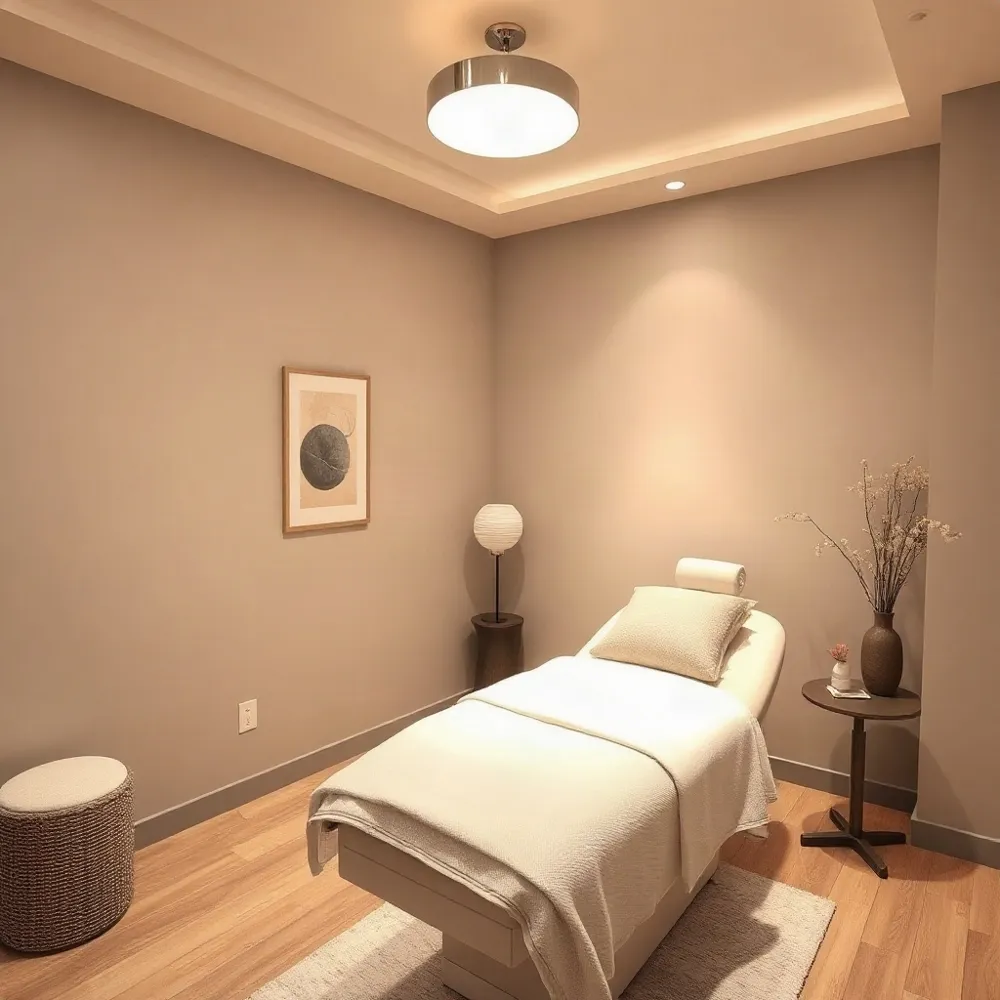
Creating a restful sleep environment plays a crucial role in enhancing recovery after surgery. A cool, dark, and quiet room minimizes disruptions that tend to fragment sleep, helping maintain uninterrupted, restorative rest. Such quality sleep supports tissue repair, reduces inflammation, and promotes overall healing.
Managing Noise, Light, and Temperature
Environmental factors like noise, light, and temperature significantly affect sleep quality. Using earplugs and sleep masks can block out disturbing sounds and bright light, especially in hospital settings or busy households. Keeping the room cool helps maintain comfort and prevents wakefulness due to overheating. These environmental modifications are key in improving postoperative sleep.
Use of Sleep Aids like White Noise
White noise machines or soothing sounds provide a steady background that can mask sudden noises, promoting deeper, less fragmented sleep. Implementing these aids is especially beneficial in recovery phases when environmental noise can trigger awakenings. For tips on creating such an environment, see sleeping comfortably after cosmetic surgery.
Bedroom Setup Tips
To optimize sleep, arrange the bedroom with supportive pillows or wedge cushions to assist with proper sleep positioning. Limit exposure to screens and avoid caffeine or heavy meals before bedtime to encourage natural sleep cycles. Establishing a calming pre-sleep routine helps signal the body that it’s time to rest, supporting better sleep quality during recovery. More detailed advice on creating a restful sleep environment can be found here.
Effective Pain and Swelling Management to Enhance Sleep Quality

What causes sleep disturbances after surgery and how can pain be managed?
Pain is the primary cause of sleep disruption following surgery, often intensified by inflammation and side effects from medications. These factors interfere with the body’s ability to rest, making recovery more challenging. For more details, see Postoperative insomnia causes and pain-related sleep disruptions.
Using prescribed medications and cold packs
Effective management of pain before bedtime is essential. Patients are advised to use prescribed pain relief medications as directed by their surgeons. These medications help minimize discomfort, enabling longer and more restful sleep periods. Additionally, applying cold packs or ice to the surgical area before sleeping can reduce swelling and numb the pain. Learn more about Post-operative pain management and use of ice packs.
Timing and dosage guidance
Following the surgeon’s exact instructions regarding when and how much medication to take is critical. Appropriate dosing prevents under-treatment of pain while avoiding the risks of overmedication. Avoiding non-prescribed sleep aids is important unless specifically recommended by healthcare professionals to prevent dependency or adverse interactions. For recommendations, see Pain management before bed and medication guidelines.
Importance of following surgeon instructions
Adhering strictly to postoperative pain management plans supports better sleep quality, which in turn promotes faster healing. Pain control reduces the risk of sleep fragmentation and insomnia, enhancing both physical recovery and emotional well-being after surgery. More information is available at Importance of following surgeon’s post-surgery sleep and pain instructions and Managing post-operative insomnia and improving sleep quality.
Proper pain and swelling control are vital for ensuring patients can rest comfortably during the crucial post-surgical period, ultimately improving outcomes and patient satisfaction.
Nutrition, Hydration, and Lifestyle Practices Supporting Restful Sleep

How do hydration, diet, and lifestyle affect sleep after surgery?
Proper hydration and a balanced, nutrient-rich diet are fundamental for healing after surgery. Consuming foods rich in proteins, vitamins, antioxidants, and minerals supports tissue repair and boosts the immune system, which in turn helps reduce inflammation and discomfort. This physiological improvement positively affects sleep quality, allowing for more restorative rest (Hydration and Diet for Healing, Healthy diet to improve sleep quality, Importance of Hydration, Nutritional Guidelines After Surgery).
Avoiding substances that can disrupt sleep is equally important. Caffeine, alcohol, and excess sugar, especially when consumed near bedtime, can interfere with sleep onset and continuity. Patients recovering from surgery are advised to limit these to promote uninterrupted and deeper sleep cycles (Avoiding caffeine, alcohol, and screens for sleep recovery, Tips for sleeping well after breast augmentation).
Engaging in light physical activity such as gentle walking shortly after surgery enhances blood circulation. Improved circulation helps reduce swelling and accelerates healing, which can alleviate post-operative discomfort that might otherwise interrupt sleep (Importance of walking after surgery, Early Mobilization Post-Surgery, Short walks for circulation after surgery).
Smoking cessation is critical during recovery. Nicotine causes blood vessel constriction that impairs oxygen delivery to tissues, delays healing, and contributes to poorer sleep patterns. Avoiding smoking, including secondhand exposure, helps ensure optimal healing conditions and better sleep quality (Smoking and its impact on healing, Avoiding smoking after plastic surgery, Nicotine impact on recovery).
In summary, maintaining good hydration and nutrition, avoiding sleep disruptors, incorporating light activity, and stopping smoking are lifestyle practices that collectively support restful sleep and a smoother postoperative recovery.
Post-Operative Care Essentials to Facilitate Safe and Comfortable Sleep

Why is adherence to post-operative instructions important for sleep comfort and recovery?
Strict compliance with individualized post-operative instructions is crucial for proper healing and preventing complications that could disrupt sleep. Following your surgeon’s specific guidelines helps reduce the risk of infection and supports a smooth recovery process. For detailed guidance, see Postoperative Care and Postoperative care after plastic surgery.
Incision Care and Infection Prevention
Keeping the incision areas clean and dry as advised prevents infections. Dressings should be managed according to your surgeon’s instructions, and any drain output recorded diligently. Avoid bathing or soaking the wound until your surgeon permits it to lower infection chances. Learn more about caring for incisions after plastic surgery and Postoperative Care.
Use of Compression Garments and Dressings
Wearing compression garments as prescribed aids in reducing swelling and provides necessary support. Properly maintained dressings protect the surgical site, minimize discomfort, and help maintain optimal positioning for healing during sleep. Additional tips can be found in Postoperative Care Guidelines and Compression garment use after facelift.
Importance of Follow-up Visits and Monitoring Healing Progress
Regular postoperative appointments enable your healthcare provider to monitor incision healing, detect signs of complications, and adjust treatment plans. These visits contribute to effective pain management and reassure you that your sleep environment supports safe recovery. For more on this topic, see The importance of follow-up care after plastic surgery.
By closely following these care essentials, you promote healing, reduce swelling and discomfort, and create favorable conditions for more restful and comfortable sleep during recovery. For comprehensive tips on improving sleep during recovery, visit Tips for Sleeping Comfortably After Cosmetic Surgery and Finding Rest After Surgery.
Practical Tips and Preparations for a Smooth Sleeping Experience Post-Surgery

What practical steps can patients take to sleep comfortably after surgery?
Creating a comfortable sleep environment before surgery is essential. Patients should prepare their bedroom with supportive pillows such as wedge pillows, body pillows, or neck pillows. These pillows help maintain proper body positioning during sleep and prevent accidental rolling onto sensitive or operated areas. Using an adjustable or reclining bed, if available, can also enhance comfort and promote healing.
Clothing choices matter for ease and comfort after surgery. Wearing loose-fitting, front-buttoned shirts—such as button-front tops for breast surgery—avoids unnecessary arm movement and reduces irritation around incision sites. Clothing that does not go past the collarbone is advisable after procedures like eyelid surgery to facilitate easier dressing changes.
Keeping essential items close by, including prescribed medications, water, and a phone, allows patients to address needs promptly without unnecessary strain or movement during the night. Having these supplies within easy reach supports safety and convenience.
Finally, having a trusted caregiver present during the first 48 to 72 hours after surgery is highly beneficial. A caregiver can assist with medication schedules, personal hygiene, and act quickly in emergencies. This assistance provides emotional support and helps reduce patient stress, contributing to a more restful and effective recovery process.
Achieving Restful Sleep for Optimal Plastic Surgery Recovery
Sleeping comfortably after plastic surgery is an integral component of a successful recovery. By diligently following your surgeon’s guidance on sleeping positions, pain management, and wound care, and by fostering a restful sleep environment supported by proper nutrition and hydration, you can significantly enhance your healing process. Practical preparations—from arranging supportive pillows to enlisting caregiver assistance—further ensure safety and comfort during the vulnerable early stages. Prioritizing sleep also helps control swelling, reduce pain, and maintain surgical results, paving the way for a smoother, healthier recovery journey.