
Risks You Take When Skipping Lymphatic Massage After Surgery
March 16, 2026
How to Sleep Comfortably After Plastic Surgery – sleeping after surgery tips
March 16, 2026

Navigating the Healing Journey: Understanding Seroma and Swelling
Embracing the Path to Recovery
After surgery, your body begins a remarkable process of repair. This often includes some swelling, and in some cases, the development of a seroma—a collection of clear, pale-yellow fluid under the skin near the surgical site. These responses are particularly common following procedures like mastectomies, tummy tucks (abdominoplasty), hernia repairs, and various reconstructive or plastic surgeries. While they can be a source of discomfort or concern, it’s important to remember that both are often a normal part of the healing journey. With attentive care and the right strategies, you can effectively manage these conditions, support your body’s recovery, and move forward with greater comfort.
What Exactly Is a Seroma?
A seroma is a soft, fluid-filled pocket that forms in the empty space left behind after tissue is moved or removed during surgery. The fluid inside is called serous fluid, a mixture of blood plasma and lymphatic fluid that seeps from tiny vessels as part of the healing response. Think of it as your body’s natural attempt to cushion and protect the healing area. Seromas typically become noticeable about seven to ten days after your procedure, often appearing as a soft, squishy, or puffy lump.
Recognizing Post-Surgical Swelling and Seromas
Distinguishing between general swelling (edema) and a seroma is an important step. General post-surgical swelling is widespread and is the body’s initial inflammatory response to deliver healing cells to the area. A seroma is more localized and feels like a distinct, fluid-filled collection. Common signs of a seroma include:
- A soft, balloon-like swelling near the incision.
- A sensation of fluid movement when you gently press on the area.
- Mild to moderate discomfort, pressure, or soreness.
- Possible clear or straw-colored fluid leaking if the incision opens slightly.
General swelling, on the other hand, may make an entire limb or area feel full, heavy, or tight. Both can cause temporary difficulty with movement.
Key Factors Influencing Fluid Buildup
Understanding what contributes to seroma formation and prolonged swelling can help you and your care team take proactive steps. Several factors can increase risk:
| Risk Factor Category | Specific Considerations | Impact on Healing & Fluid Management |
|---|---|---|
| Surgical Factors | Extensive tissue dissection, lymph node removal, large incision size, use of surgical mesh. | Creates more ‘dead space’ for fluid to collect; can disrupt lymphatic drainage pathways. |
| Post-Operative Care | Early removal of surgical drains, not using compression garments, excessive rest or over-activity. | Prevents proper fluid evacuation; can either slow circulation or strain healing tissues. |
| Personal Health Factors | Age over 65, higher body mass index (BMI), history of heart conditions, low protein intake, smoking. | Can affect circulation, tissue integrity, and the body’s overall healing and fluid processing capacity. |
A Proactive Guide to Management and Relief
Effective management focuses on supporting your body’s natural ability to reabsorb fluid and promoting healthy circulation. Here is a multi-faceted approach you can discuss with your healthcare provider.
Foundational Supportive Techniques
These core strategies are often the first line of defense and can be highly effective.
- Gentle, Early Movement: Contrary to prolonged rest, safe and controlled activity is crucial. Ankle pumps, gentle range-of-motion exercises, and short walks as approved by your surgeon stimulate circulation and lymphatic flow, encouraging fluid drainage.
- Strategic Elevation: When resting, keep the affected area elevated above the level of your heart. Use pillows for support. This simple technique uses gravity to help drain excess fluid away from the surgical site.
- Professional Compression: Wearing a properly fitted compression garment or sleeve applies gentle, consistent pressure. This supports blood and lymph flow, limits new fluid buildup, and can help skin adhere to underlying tissue.
- Targeted Cold Therapy: Applying ice packs (wrapped in a thin cloth) to the area for 15-20 minutes at a time can help reduce initial inflammation and provide pain relief, especially in the first 72 hours after surgery.
Specialized Therapeutic Interventions
For persistent swelling or seromas, these clinical and therapeutic modalities can be integrated into your care plan.
- Manual Lymphatic Drainage (MLD): This is a gentle, massage-like technique performed by a trained therapist. It uses light, rhythmic strokes to manually encourage the movement of stagnant lymph fluid from swollen tissues back into your functional lymphatic system. MLD is a cornerstone of managing lymphedema and can be very beneficial for post-surgical swelling and seroma reduction.
- Complete Decongestive Therapy (CDT): This is a comprehensive program often used for lymphedema that can be adapted. It combines MLD, compression bandaging, specific therapeutic exercises, and meticulous skin care into a personalized treatment plan.
- Medical Procedures: For larger or symptomatic seromas, your doctor may perform needle aspiration. This quick, in-office procedure uses a fine needle to drain the fluid, providing immediate relief from pressure. In some persistent cases, a temporary drain may be reinserted.
When to Seek Guidance from Your Care Team
While self-care is powerful, professional medical guidance is essential. Contact your surgeon or healthcare provider if you experience:
- A sudden increase in swelling or pain.
- Signs of infection: redness, warmth, thick or discolored drainage, or fever.
- The seroma continues to grow or does not improve after several weeks.
- You have difficulty breathing or chest pain (seek emergency care).
Integrating Wellness into Your Recovery
Your daily choices play a significant role in managing fluid buildup. Staying well-hydrated by drinking plenty of water helps your body flush out excess fluids and toxins. Following an anti-inflammatory diet rich in vitamins C and K, and lower in sodium, can support healing and minimize water retention. Most importantly, adhere closely to the personalized post-operative instructions provided by your surgical and therapeutic teams.
| Management Strategy | Primary Action | Key Benefit for Fluid Reduction |
|---|---|---|
| Early Movement | Ankle pumps, gentle walks. | Promotes circulation & lymphatic flow. |
| Proper Elevation | Limb above heart level when resting. | Uses gravity to drain fluid. |
| Compression Garments | Worn as directed post-surgery. | Limits new fluid accumulation. |
| Manual Lymphatic Drainage | Gentle, directional massage by a therapist. | Manually moves stagnant lymph fluid. |
| Medical Aspiration | Needle drainage by a doctor. | Removes large fluid collections for relief. |
| Hydration & Nutrition | Drinking water, eating anti-inflammatory foods. | Supports systemic fluid balance & healing. |
Understanding Seroma: More Than Just a Bump
What is a Seroma?
A seroma is a collection of clear, pale-yellow fluid called serous fluid that forms in a pocket beneath the skin. This fluid is a mixture of blood plasma and lymphatic fluid that seeps from tiny vessels disrupted during an operation. It accumulates in the ‘dead space’—the empty cavity left between tissue layers after surgical removal or manipulation. Think of it as the body’s natural healing response creating a fluid-filled cushion in an area that needs to mend.
When Does a Seroma Typically Appear?
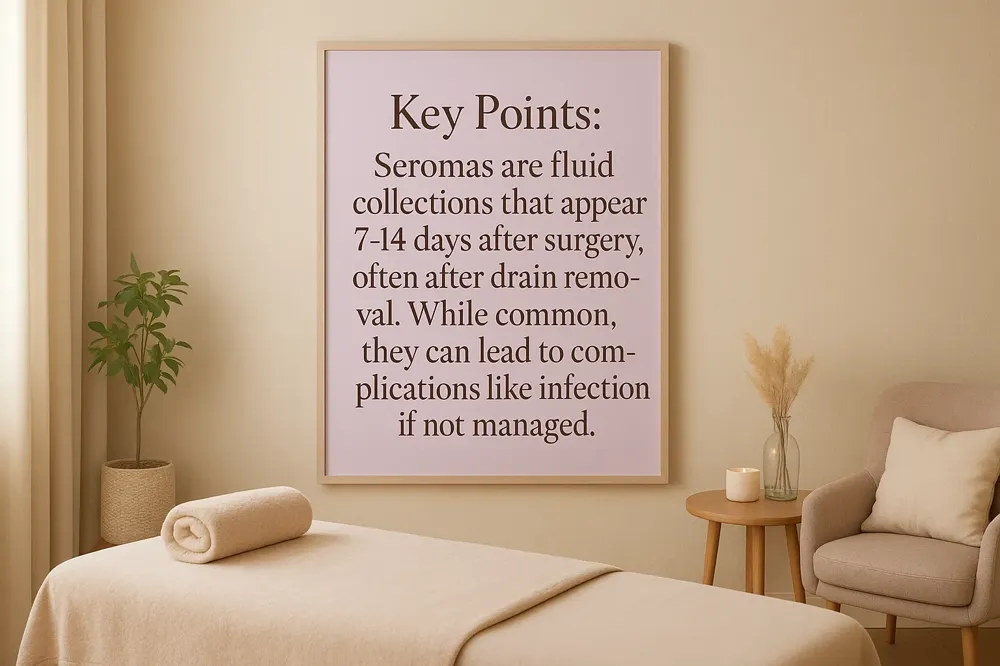
Seromas do not form immediately after surgery. They usually become noticeable between 7 to 14 days post-procedure. This timing often coincides with the removal of surgical drains, as the body continues to produce fluid that now has no clear exit. The volume of fluid typically peaks within this one- to two-week window.
Common Surgical Procedures Linked to Seroma
While a seroma can form after many types of surgery, it is most frequently associated with procedures that involve significant tissue removal or dissection, creating larger dead spaces.
- Breast surgeries: Mastectomy, lumpectomy, and breast reconstruction.
- Body contouring and plastic surgery: Abdominoplasty (tummy tuck), liposuction, and other lifts.
- Hernia repair: Both open and laparoscopic procedures.
- Other procedures: Spinal fusion and surgeries involving lymph node removal in areas like the armpit, neck, or groin.
Recognizing the Symptoms
Identifying a seroma early can help in managing it effectively. Key signs to watch for include:
- A soft, squishy, or fluid-filled bump or swelling near the surgical site.
- Tenderness, soreness, or a feeling of pressure.
- A sensation of fluid moving or sloshing when you press on the area.
- Possible clear or straw-colored fluid draining from the incision.
- Difficulty moving the affected area comfortably.
Who is at Higher Risk?
Certain factors can increase the likelihood of developing a seroma. Understanding these can help you and your care team take preventative steps.
| Risk Factor Category | Specific Examples |
|---|---|
| Surgical Factors | Extensive tissue removal, long operation time, use of electrocautery. |
| Patient Health | Age over 65, higher body mass index (BMI), diabetes, hypertension. |
| Treatment History | Previous chemotherapy, use of blood-thinning medications. |
| Recovery Factors | Early or excessive movement, early drain removal, smoking. |
Potential Complications if Left Unmanaged
While many seromas are harmless and resolve, they can lead to more serious issues that delay healing and require additional treatment.
- Infection: The fluid can become infected, leading to an abscess, which requires antibiotics and drainage.
- Wound Dehiscence: The pressure from the fluid collection can cause the edges of the surgical wound to pull apart.
- Flap Necrosis: In surgeries that create tissue flaps (like some breast reconstructions), a seroma can reduce blood flow, causing tissue death.
- Chronic Seroma: If a seroma persists for weeks or months, it can form a thick, fibrous capsule around itself, making it harder to treat.
Standard Medical Treatment Pathways
Treatment is tailored to the seroma’s size, symptoms, and persistence. A stepwise approach is common.
- Observation: Small, asymptomatic seromas are often monitored, as the body may reabsorb the fluid over several weeks.
- Needle Aspiration: This is the most common intervention. A healthcare provider uses a needle and syringe to drain the fluid. This procedure may need to be repeated multiple times over weeks if the seroma refills.
- Drain Re-insertion: For seromas that quickly re-accumulate, a temporary surgical drain may be placed to provide continuous fluid removal.
- Sclerotherapy: A sclerosing agent (like an antibiotic) can be injected into the cavity to irritate the walls, causing them to stick together and close the space.
- Surgical Revision: For persistent, chronic seromas that do not respond to other treatments, a minor operation may be necessary to remove the fluid sac and scar tissue.
Supporting Your Recovery with Professional Therapies
In addition to medical interventions, supportive therapies can play a crucial role in your recovery and may help reduce the risk of seroma recurrence. Professional manual lymphatic drainage (MLD) is a gentle, hands-on technique performed by trained therapists. It stimulates the lymphatic system—your body’s natural drainage network—to help process and move excess fluid more efficiently. By encouraging healthy circulation and reducing fluid stagnation, MLD can be a valuable part of a comprehensive post-surgical care plan, working in harmony with your surgeon’s instructions to support optimal healing.
A Summary of Seroma Characteristics and Care
| Aspect | Key Details |
|---|---|
| Definition | Pocket of serous fluid (plasma + lymph) under the skin. |
| Common Timeline | Appears 7-14 days after surgery or drain removal. |
| Frequent Causes | Breast surgery, abdominoplasty, hernia repair. |
| Primary Symptoms | Soft lump, tenderness, fluid movement sensation. |
| Main Risk Factors | Extensive surgery, older age, higher BMI, chemo history. |
| Serious Complications | Infection, wound opening, tissue death, chronic capsule. |
| First-Line Treatment | Needle aspiration, often requiring multiple sessions. |
| Supportive Care | Professional lymphatic drainage to aid fluid processing. |
Your Toolkit for Managing Post-Surgical Swelling

Understanding Swelling and Seromas After Surgery
Swelling, known medically as edema, is a universal and normal part of the natural healing process after surgery. Your body increases circulation to deliver immune cells and nutrients for tissue repair. A seroma, a specific type of swelling, is a pocket of fluid under the skin after surgery containing serous fluid or clear, pale-yellow liquid from blood plasma and lymphatic fluid that can form under the skin in the empty space left after tissue is removed or manipulated during surgery. It’s a common post-operative complication, especially after procedures like breast surgery, hernia repair, abdominoplasty, and other forms of plastic surgery. While most seromas are harmless and resolve naturally as the body absorbs seroma fluid, effective management is key to comfort and optimal healing.
Effective Ways to Reduce Swelling After Surgery
A multi-faceted approach is most effective for managing post-surgical swelling. The goal is to support your body’s natural processes, not eliminate swelling entirely.
Elevation is Fundamental
Whenever you are resting, position the affected limb or area above the level of your heart. This uses gravity to help drain excess fluid away from the surgical site and prevent pooling. For leg surgeries, use pillows for support; for facial procedures, sleep propped up. Avoid using a standard recliner for leg elevation, as it often doesn’t position the limb high enough for proper drainage.
Compression Provides Support
Compression garments, sleeves, or bandages apply gentle, consistent pressure. This helps manage fluid buildup after surgery, supports healing tissues, and can improve circulation. They are often prescribed to be worn day and night initially. Ensure any compression is properly fitted—it should feel snug but not cause tingling, numbness, or cut off circulation.
Movement Promotes Circulation
Contrary to prolonged rest, safe and gentle movement is crucial. Prolonged inactivity can slow recovery, contributing to stiffness and fluid retention. Short walks (when cleared by your surgeon), ankle pumps, and gentle range-of-motion exercises promote blood flow and encourage your lymphatic system to reabsorb excess fluid. Always follow your specific activity guidelines.
Professional Therapies Offer Targeted Relief
Manual lymphatic drainage (MLD), a manual lymphatic drainage MLD technique post-surgical care, is a gentle, hands-on massage technique performed by trained therapists. It strategically moves stagnant fluid from swollen tissues toward working lymph nodes, significantly reducing edema and seroma volume. For persistent swelling, other modalities like low-level laser therapy or specialized pneumatic compression devices may also be recommended as part of a comprehensive care plan.
How to Help a Seroma Reabsorb Naturally at Home
Many small seromas will resolve on their own as your body absorbs the fluid over several weeks. You can support this process at home with these doctor-approved strategies.
Apply Gentle Warmth
After the initial post-surgical phase (typically the first 72 hours), applying a warm compress to the area for 15-20 minutes several times a day can soothe discomfort and may encourage fluid drainage. Always use a warm, not hot, temperature to avoid skin damage.
Maintain Compression and Care
Continue wearing your compression garment as directed. Meticulous wound care is also essential; keep the incision clean and dry to prevent infection, which is a serious complication of seroma. Avoid scrubbing the area or applying lotions or powders unless instructed by your care team.
Prioritize Rest and Monitor Closely
Avoid strenuous activities that could increase swelling or pressure on the area. Monitor the seroma for changes. While it’s normal for a seroma to feel soft, squishy and fluid-filled, you should contact your healthcare provider immediately if you notice signs of infection such as increased pain, redness, warmth, fever, or if the drainage becomes thick, cloudy, or foul-smelling.
Nutritional and Lifestyle Support for Healing
Your daily habits play a significant supporting role in managing swelling and promoting recovery.
Stay Hydrated and Mind Your Diet
Drinking plenty of water helps your body flush out excess fluids and supports overall healing. Focus on an anti-inflammatory diet rich in vitamins C (citrus, bell peppers) and K (leafy greens), which aid tissue repair. Limit your sodium (salt) intake, as high sodium levels contribute to water retention and can worsen swelling.
Consider Supportive Supplements
Some patients find supplements like Bromelain (an enzyme from pineapple) and Arnica Montana helpful for reducing swelling and bruising. However, you must consult your surgeon before taking any supplements, as they can interact with medications or affect bleeding.
Avoid Heat and Harmful Substances
Steer clear of hot baths, saunas, and direct sun exposure on the healing area for the first few weeks, as heat can increase swelling. If you smoke, stopping is one of the most impactful things you can do for healing, as smoking constricts blood vessels and severely impairs circulation and tissue repair.
Recognizing When to Seek Medical Help
While swelling is expected, certain signs indicate a need for prompt medical evaluation. Contact your surgeon or healthcare provider if you experience sudden or severe swelling; increasing pain, redness, or warmth at the site; signs of infection (fever, pus); shortness of breath or chest pain (which could signal a blood clot); or if the swelling continues to worsen instead of slowly improving over time.
A Summary of Post-Surgical Swelling Management Strategies
| Management Pillar | Key Actions | Primary Benefit |
|---|---|---|
| Elevation | Prop limb above heart level when resting. | Uses gravity to drain fluid and reduce pooling. |
| Compression | Wear fitted garments or bandages as directed. | Manages fluid buildup and supports healing tissues. |
| Movement | Perform gentle, approved exercises and short walks. | Promotes circulation and lymphatic drainage. |
| Professional Care | Receive manual lymphatic drainage or guided therapy. | Targets and reduces stubborn fluid accumulation. |
| Home Support | Apply warm compresses, maintain wound hygiene, rest. | Supports natural reabsorption and prevents complications. |
| Lifestyle | Stay hydrated, eat a low-sodium diet, avoid heat/smoking. | Creates an internal environment conducive to healing. |
From Awareness to Action: Your Guide to Post-Surgical Recovery
Understanding Your Body’s Healing Process
Swelling and seroma are normal, expected parts of your body’s healing journey after surgery. They are signs your immune system is hard at work, sending fluids, nutrients, and repair cells to the surgical site. This process can last for several weeks, with swelling often peaking in the first few days and gradually improving over the following month. By the six-week mark, a significant reduction is typical. Recognizing this as a natural phase can ease anxiety and shift your focus toward effective, supportive management.
Actionable Strategies for Managing Swelling at Home
You can actively support your recovery with safe, gentle practices at home. These strategies work in harmony with your body’s own healing mechanisms.
Prioritize Gentle Movement: Prolonged rest can slow recovery. Instead, incorporate prescribed, gentle movements.
- Ankle Pumps: Flex and point your toes to promote circulation.
- Range-of-Motion Exercises: Gently move nearby joints as approved by your care team.
- Short Walks: Light walking encourages fluid movement and prevents stiffness.
Master the Art of Elevation: Consistently elevate the affected area above the level of your heart when resting. This uses gravity to help drain excess fluid and prevent pooling. For legs, use pillows for support; for facial procedures, sleep propped up.
Use Compression Wisely: If prescribed, wear your compression garment consistently. It provides gentle pressure to support circulation and limit excessive fluid buildup. Ensure it fits correctly—snug but not restrictive.
Stay Hydrated and Mind Your Diet: Drinking plenty of water helps your body flush out excess fluids. Support healing by focusing on an anti-inflammatory diet rich in vitamins C and K (found in citrus fruits and leafy greens) and by limiting sodium intake, which can contribute to fluid retention.
Apply Cold Compresses Correctly: Ice can help manage pain and initial inflammation in the first 24-72 hours. Apply a wrapped ice pack for 15-20 minutes at a time, with breaks in between to protect your skin. Remember, it aids comfort but does not directly remove fluid long-term.
Recognizing When to Seek Professional Care
While most swelling resolves, it’s vital to monitor for signs that require a healthcare provider’s attention. Contact your surgeon or doctor if you notice any of the following:
- A soft, squishy lump or significant swelling that appears 7-10 days after surgery.
- Sudden or severe increase in swelling.
- Signs of infection: redness, warmth, severe pain, fever, or pus/discolored drainage.
- Shortness of breath or chest pain (potential signs of a blood clot).
- The incision opening up or leaking clear fluid.
The Role of Professional Therapeutic Support
This is where specialized wellness care can beautifully complement your medical recovery. Professional therapies offered at boutiques like Pink & Fancy are designed to support your body’s natural drainage processes and enhance comfort.
Manual Lymphatic Drainage (MLD): This gentle, light-touch massage technique is performed by trained therapists. It strategically stimulates the lymphatic system to encourage the movement of excess fluid away from swollen tissues and back into your body’s natural circulation. It can be particularly soothing and effective for managing post-surgical swelling.
Guided Rehabilitation: A structured recovery plan from a physical therapist or wellness specialist can include manual therapy, progressive mobility exercises, and strength-building activities tailored to your specific procedure and recovery stage. This personalized approach ensures you rebuild strength safely and efficiently.
Navigating Seroma: A Common Bump on the Road
A seroma—a pocket of clear fluid under the skin—is a frequent post-surgical occurrence, especially after procedures like tummy tucks, breast surgeries, or hernia repairs. Think of it as fluid collecting in the ’empty space’ created during healing.
What to Expect: Seromas often feel like a soft, movable bump and may cause mild discomfort or a feeling of pressure. Small seromas frequently reabsorb on their own over several weeks.
Professional Management: For larger or persistent seromas, your medical team may perform a simple needle aspiration (drainage) in the office. In some cases, therapeutic MLD can also support the body’s reabsorption of this fluid. It is crucial to never attempt to drain a seroma yourself, due to the high risk of infection.
Your Recovery Partnership: Medical Care and Wellness Support
Your post-surgical journey is a partnership. Your surgeon provides essential medical oversight, diagnosis, and intervention. Concurrently, boutique wellness services offer supportive, therapeutic care focused on your comfort, mobility, and holistic recovery. This integrated approach ensures you feel supported on every level—medically, physically, and emotionally.
You Are Not Alone on This Journey
Remember, experiencing swelling or a seroma is common and manageable. It does not mean your recovery is off track. By understanding what to expect, implementing gentle home-care strategies, and knowing when to seek professional help—both medical and therapeutic—you are taking powerful, informed action for your well-being.
At Pink & Fancy in San Jose, we specialize in providing compassionate, personalized wellness support tailored to women’s post-surgical needs. Our expert lymphatic care and therapeutic treatments are here to help you navigate this phase with greater ease and confidence. Reach out for a personalized consultation; let us be a part of your supportive recovery team.
| Recovery Phase | Key Focus | Supportive Actions |
|---|---|---|
| Early (Days 1-3) | Manage Inflammation & Pain | Elevation, cold compresses, gentle ankle pumps, rest. |
| Mid (Week 1-2) | Encourage Fluid Movement | Continue elevation, start light walks, wear compression, consider professional MLD. |
| Ongoing (Weeks 3-6+) | Rebuild Strength & Mobility | Follow guided exercise plan, maintain hydration, monitor for persistent swelling. |
| If Seroma Occurs | Professional Monitoring | Report to surgeon, avoid self-drainage, follow care instructions, therapeutic support. |