Rebuilding Body Confidence After Surgery: Tips You Haven’t Tried
March 27, 2026
Wood Therapy Explained: The Secret to Smoother Skin and Contours
April 5, 2026

Why Detox and Edema Matter for Post‑Surgical Healing
After surgical procedures, women notice swelling in the legs, feet, or face. This fluid retention, or edema, occurs when lymphatic vessels and veins cannot return excess interstitial fluid to heart, a response amplified by surgical inflammation and immobility. The body already detoxifies through liver, kidneys, lungs, skin, and especially the lymphatic system, which transports waste toward lymph nodes. Lifestyle choices—drinking 2‑3 L of water daily, limiting sodium to under 1,500 mg, eating potassium‑rich foods such as bananas and avocados, and moving gently with walks or ankle pumps—support these pathways and lessen swelling. Pairing these habits with lymphatic drainage massage and compression garments offers care for faster recovery.
Lymphatic Drainage: What It Is, Who Benefits, and How to Use It Safely

Lymphatic drainage massage (LDM) is a gentle, rhythmic manual therapy that stimulates the body’s lymphatic vessels and nodes, encouraging excess interstitial fluid, metabolic waste, and toxins to return to the circulation for elimination.
Pre‑ and post‑operative applications – Before surgery, LDM can reduce localized swelling and improve tissue pliability, making incisions smoother. After cosmetic or reconstructive procedures, it accelerates fluid removal, diminishes bruising, and supports faster healing.
Benefits for men and women – Women recovering from facial or abdominal surgery experience reduced puffiness and tighter silhouettes; men gain quicker recovery from sports injuries, intense workouts, or surgeries, with less muscle soreness and improved immune clearance.
Potential contraindications and risks – Active infection, deep‑vein thrombosis, uncontrolled heart or kidney disease, recent cancer‑related node removal, or severe hypertension are red flags. Improper pressure can cause bruising, dizziness from rapid fluid shifts, or worsen edema in compromised vessels. Always disclose medical history and seek a certified therapist.
Specialized techniques – Face: Light, upward strokes from the cheeks to the neck lessen dark circles and give a natural facelift. Stomach: Gentle pumping of abdominal lymph nodes eases bloating and supports gut detox. Machine: Pneumatic compression devices (e.g., Ballancer® Pro) provide 360° pressure, complementing manual LDM for post‑op lymphedema and lipedema.
Frequently asked questions –
- Lymphatic drainage before and after: A single session moves stagnant fluid, reducing swelling and giving a softer, more lifted feel; repeated sessions continue to accelerate healing.
- Benefits for men: Reduces fluid retention, speeds recovery from injuries, supports immune waste, and lowers stress hormones.
- Dangers: May worsen swelling in infections, clots, or uncontrolled disease; over‑aggressive pressure can cause bruising or dizziness.
- Why it’s good: Clears congestion, supports immunity, improves circulation, and promotes brighter skin and overall vitality.
- Face: Gentle hand movements drain facial lymph, decreasing puffiness and enhancing skin tone.
- Stomach: Stimulates abdominal nodes to reduce bloating and aid digestion.
- Machine: Uses rhythmic pressure to move fluid, ideal for post‑surgical edema when combined with manual LDM.
- Massage: Light strokes redirect lymph, decreasing swelling and supporting post‑op recovery.
- Exercises: Deep breathing, shoulder rolls, ankle pumps, and gentle stretches performed twice daily boost lymph flow when paired with compression garments.
Dietary Choices and Natural Remedies to Combat Water Retention
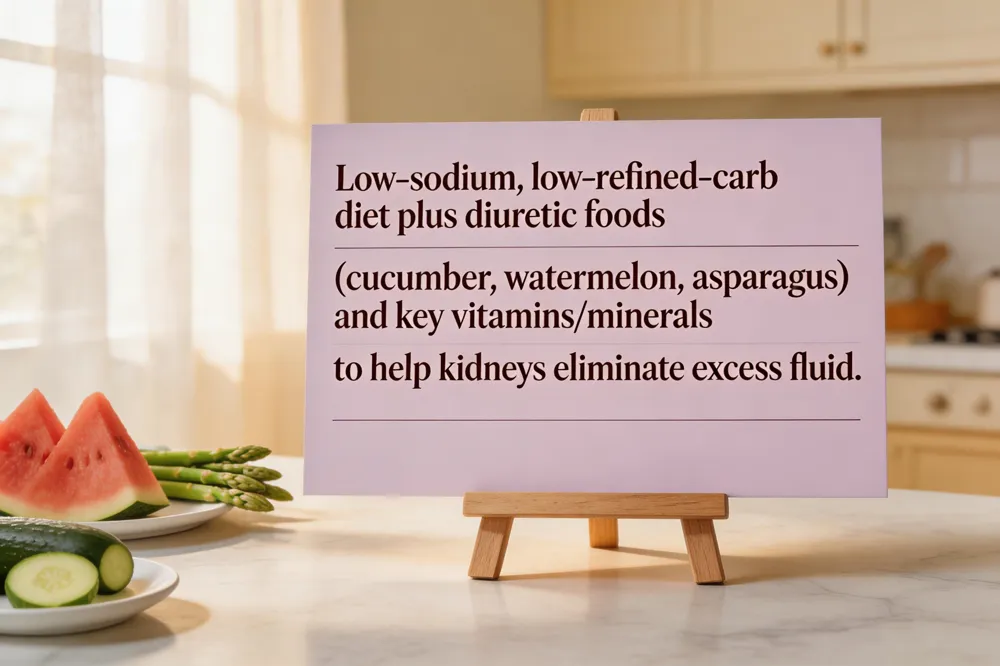
High‑sodium and refined‑carb foods—salty snacks, processed meats, canned soups, white bread, pasta, sugary drinks—drive edema by binding water and raising insulin‑mediated sodium reabsorption. Hidden salt lurks in restaurant sauces, fast‑food meals, and deli cuts, while refined carbs spike glycogen‑linked fluid storage. Natural diuretic allies include cucumber, watermelon, asparagus, leafy greens, dandelion leaf tea, parsley, ginger, and modest magnesium or vitamin B6 supplementation, which help kidneys excrete excess sodium. Vitamins C, E, A, D and zinc support collagen repair, antioxidant defense, and immune balance, reducing postoperative swelling. Quick‑fix overnight strategies: low‑salt dinner, hydrate with 8‑10 oz water per hour, elevate limbs 15‑20 minutes, take a gentle lymphatic drainage massage, and wear breathable compression socks. For rapid relief, limit caffeine/alcohol, sip dandelion tea, and move with a short walk or ankle pumps to stimulate lymph flow.
Targeted Strategies for Lower‑Body Edema
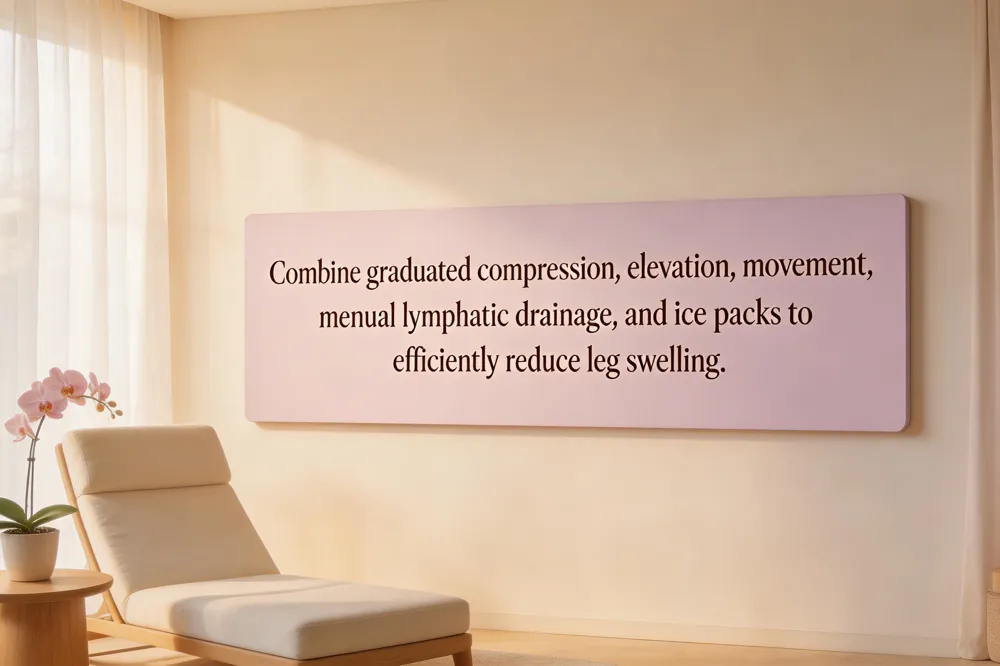
Leg edema is best managed with a combined approach. Compression and elevation are foundational: wear graduated compression stockings or sleeves that apply steady pressure, and raise the limbs above heart level for 10‑20 minutes several times daily—lying with pillows or a “leg‑up‑the‑wall” pose. Movement that stimulates the muscle‑pump, such as walking, ankle circles, calf raises, or gentle yoga, promotes venous and lymphatic return, helping fluid travel toward the torso. Manual lymphatic drainage (MLD) performed by a certified therapist uses light, rhythmic strokes to direct excess lymph toward central nodes; regular sessions at Pink & Fancy have been shown to reduce postoperative swelling by up to 30 % within a few weeks. Quick‑relief home remedies include intermittent ice packs (15 minutes on, 1 hour off) for the first 48 hours, staying well‑hydrated, limiting sodium, and avoiding tight clothing that restricts circulation. If swelling persists, is painful, or is accompanied by skin changes, seek professional care promptly, as underlying conditions such as heart, kidney, or venous insufficiency may require medical evaluation and, in some cases, diuretic therapy.
When Swelling Signals a Problem: Red Flags After Surgery

After surgery, some swelling is expected as blood vessels leak fluid into tissues and the lymphatic system clears it. Normal post‑op edema usually eases within a week of elevation, gentle movement and ice; it stays localized and does not cause severe pain or redness. Complications arise when swelling spreads, worsens suddenly, or is accompanied by other symptoms.
Ankle‑specific concerns – Sudden, intense swelling of the ankle, warmth, throbbing pain, or spreading to the calf can signal infection or a deep‑vein thrombosis (DVT). Whole‑body swelling often reflects fluid overload from anesthesia, reduced mobility, and systemic inflammation; it should diminish as you walk, hydrate and use compression.
Red‑flag signs include increasing pain, redness, fever, shortness of breath, chest pain, or a “stocking‑pattern” in both legs. If swelling persists beyond the expected recovery period, seek medical evaluation.
Home care – Elevate the limb, apply cold packs for 15‑20 minutes, stay hydrated, limit sodium, and perform ankle pumps. Gentle lymphatic drainage massage by a qualified therapist can accelerate fluid removal.
When to call – Any sudden, severe, or worsening swelling, especially with infection or clot symptoms, requires prompt contact with your surgeon or emergency services.
Medical Options and Lifestyle Synergy for Fluid Balance

Prescription diuretics (e.g., furosemide, hydrochlorothiazide) are the cornerstone of fluid‑retention medication, helping kidneys excrete excess sodium and water; they must be monitored for electrolyte shifts and dehydration. Complementary nutrition—adequate water, potassium‑rich foods (bananas, avocados), magnesium (nuts, leafy greens), and vitamin B6—supports fluid balance and reduces post‑operative swelling. Vitamins C, E, A, D and zinc further curb inflammation and aid tissue repair, but high doses should be coordinated with any anticoagulant therapy. Integrating professional lymphatic drainage massage, as offered by Pink & Fancy, accelerates lymph flow, especially when paired with daily habits: gentle walking, ankle pumps, limb elevation, and compression garments. Tailored protocols for women recovering from cosmetic surgery combine these medical options, targeted supplements, hydration, and personalized lymphatic sessions to minimize edema, enhance detoxification, and promote a smoother, safer healing journey.
Putting It All Together for a Healthier, Swell‑Free Life
Combining evidence‑based detox principles with nutrition, gentle movement, and lymphatic therapy creates a powerful strategy for reducing post‑surgical swelling and supporting overall wellness. A low‑sodium, potassium‑rich diet that includes magnesium and vitamin B6 foods, together with herbal diuretics such as dandelion, helps the kidneys eliminate excess fluid. Light activities—walking, ankle pumps, and diaphragmatic breathing—stimulate the muscle pump and lymph flow, while regular hydration keeps the renal system efficient. At Pink & Fancy each woman receives a personalized recovery plan that blends manual lymphatic drainage, compression garments, and tailored exercise. Maintaining these habits long‑term—meals, adequate water, movement, and periodic professional massage—preserves fluid balance and promotes a healthier, swelling‑free life.