Emotional Recovery After Cosmetic Surgery: Tips for Healing Your Mind
March 16, 2026
Surgical Recovery Massage Protocols: A Step-by-Step Guide
March 16, 2026
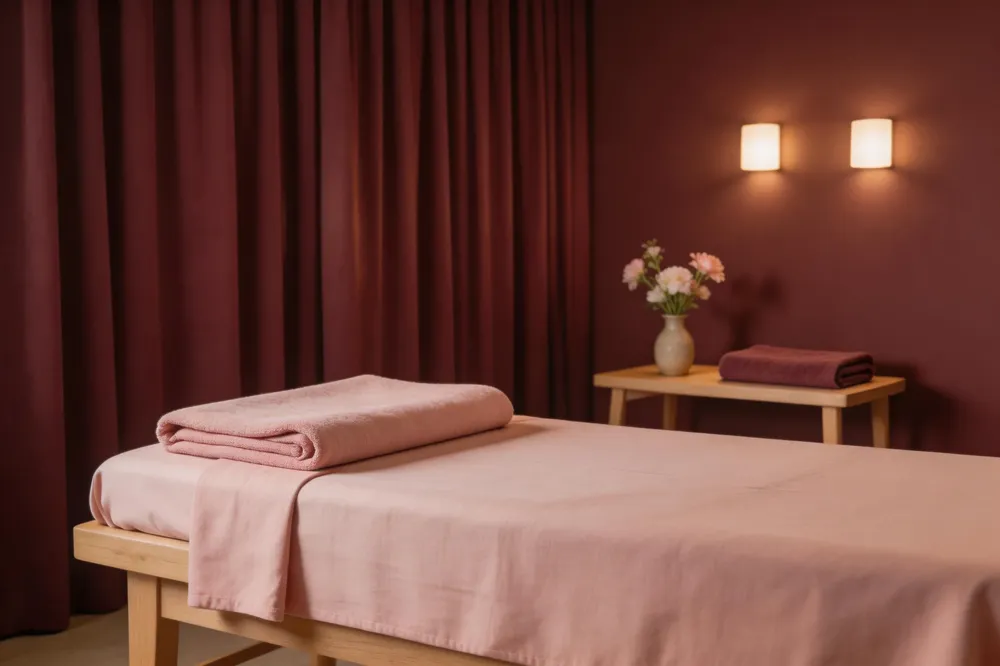
Overview: What Are Maintenance Lymphatic Treatments?
Definition of maintenance lymphatic treatments
Maintenance lymphatic treatments are ongoing therapies aimed at supporting the lymphatic system after the initial recovery phase, especially following surgery or in chronic conditions like lymphedema. These treatments often include manual lymphatic drainage (MLD), specialized massage techniques, compression therapy, and prescribed exercises designed to promote the continuous flow of lymphatic fluid and prevent fluid buildup.
Role in supporting lymphatic system function
The lymphatic system plays a crucial role in fluid balance, immune defense, and toxin removal. Maintenance lymphatic treatments help sustain optimal lymph flow by encouraging drainage of excess fluid, reducing swelling, and minimizing the risk of infections or tissue fibrosis. These therapies support immune health, ease discomfort, and improve skin texture and overall wellness.
Difference from initial post-surgical lymphatic care
Unlike the intensive lymphatic care immediately after surgery—which focuses on managing acute swelling and healing—maintenance treatments are performed over the longer term to sustain lymphatic health. While initial post-surgical therapy is typically more frequent and closely supervised, maintenance care may be less intensive, personalized to individual needs, and focused on preventing recurrence of swelling or complications.
The Science Behind Lymphatic Drainage Massage and Post-Surgical Healing
What is lymphatic drainage massage and how can it benefit post-surgical healing?
Lymphatic drainage massage, also called manual lymphatic drainage (MLD), is a specialized, gentle technique that involves rhythmic, light-pressure massage to stimulate the lymphatic system. This massage promotes the flow of lymph fluid by guiding excess fluid from swollen tissues toward lymph nodes for processing and reabsorption. This method is particularly effective after surgeries that disrupt lymphatic flow, such as breast cancer surgery where lymph nodes are removed.
Explanation of lymphatic drainage massage (MLD) techniques
MLD employs various methods—such as the Vodder, Foldi, Casley-Smith, and Leduc techniques—all utilizing delicate, patterned strokes starting at central lymph node regions in the neck, armpits, and groin. These sequences help clear lymphatic congestion and facilitate fluid relocation.
Mechanisms by which MLD reduces swelling and promotes healing
By accelerating lymph flow, MLD reduces edema, easing swelling and discomfort. It also supports the immune system by enhancing toxin removal and promoting waste clearance from tissues. This minimizes inflammation, decreases fibrosis risk, improves microcirculation, and alleviates pain, ultimately speeding up recovery. Combined with compression garments, which provide gentle, consistent pressure to maintain fluid mobility and tissue stability, MLD enhances healing quality and comfort.
Importance of timing and session frequency for post-operative care
Typically, lymphatic drainage begins a few days to a week after surgery, depending on the procedure and individual healing progress. Sessions often occur 2 to 3 times weekly initially, adjusting based on response and swelling levels, with length and frequency tailored by trained therapists. Early intervention is key to preventing complications like infections or chronic swelling. Regular follow-up ensures optimal lymphatic function and supports restoration of mobility and aesthetics.
Mastering and integrating MLD into post-surgical care emphasizes personalized, professional treatment to enhance outcomes and patient well-being during recovery.
How Post-Operative Lymphatic Care Enhances Recovery and Reduces Complications

How does post-operative lymphatic care support recovery after cosmetic or reconstructive surgery?
Post-operative lymphatic care is essential for managing swelling, pain, and tissue fibrosis following surgery. It works by gently stimulating the lymphatic system through rhythmic, light-pressure Lymphatic Drainage Massage that help move excess lymph fluid from tissues toward lymph nodes. This process reduces fluid retention and inflammation, which accelerates healing and alleviates discomfort.
Lymphatic drainage massage complements the use of compression garments for post-surgical care, which apply consistent, skin-sensitive pressure to prevent fluid buildup and support tissue stabilization. Hydration also plays a critical role by enhancing lymph flow and facilitating toxin removal, amplifying recovery benefits.
Together, these therapies help minimize common post-surgical complications such as seromas (fluid pockets), hematomas (bruising), and tissue fibrosis (excess scar tissue). By reducing edema and promoting improved circulation, lymphatic care supports softer tissues, decreases pain, and enhances skin tone—resulting in faster healing and greater comfort.
Early initiation of post-operative lymphatic drainage, typically within the first week or two after surgery, combined with adherence to compression and hydration protocols, has been shown to optimize recovery outcomes across cosmetic procedures like liposuction, tummy tucks, and breast surgeries. Regular sessions guided by trained professionals provide the best results, making lymphatic care a valuable part of post-operative management.
Specialized Training: Ensuring Safe and Effective Lymphatic Therapy

What specialized training is required for professionals providing lymphatic therapy in women’s wellness?
Professionals offering lymphatic therapy, especially focused on women’s wellness, undergo specialized education that thoroughly covers lymphatic anatomy, physiology, and related pathology. This training is crucial for managing conditions such as lymphedema, which frequently affects women post-surgery, including breast cancer treatments.
Typically, the educational path involves completing intensive certification programs, such as those by the Academy of Lymphatic Studies (ALS) or the Lymphology Association of North America (LANA®). These programs often consist of approximately 135 hours of combined home study and hands-on classroom instruction tailored for healthcare providers including registered nurses, physical therapists, medical doctors, and licensed massage therapists.
The curriculum emphasizes practical skill development in Manual Lymph Drainage (MLD) and Complete Decongestive Therapy (CDT), alongside patient evaluation techniques and safety protocols. A deep understanding of lymphatic system function and dysfunction is central, enabling therapists to identify contraindications and adjust treatment accordingly.
Safety awareness is paramount; therapists are trained to recognize conditions such as blood clots, infections, heart disease, and other health issues that may preclude lymphatic therapy. By adhering to strict safety standards and mastering lymphatic techniques, certified therapists ensure treatments that are both effective and safe for women recovering from surgery or managing chronic lymphatic disorders.
This specialized training fosters confident, compassionate care tailored to individual patient needs in women’s health and recovery contexts.
| Training Aspect | Description | Importance in Women’s Wellness |
|---|---|---|
| Education & Certification | 135+ hours in MLD and CDT with hands-on practice | Ensures knowledge and skill in lymphatic care |
| Anatomy & Pathology Understanding | In-depth study of lymphatic system and disorders | Crucial for treating breast cancer-related lymphedema |
| Safety Protocols & Contraindications | Training on identifying health risks and modifying care | Protects patients with comorbidities |
Comprehensive Services Offered at Women’s Wellness Boutiques Focused on Lymphatic Care

What types of services can women expect from a wellness boutique focused on post-surgical and lymphatic care?
Women seeking care at wellness boutiques specializing in post-surgical lymphedema management and lymphatic health can anticipate a broad range of therapeutic and aesthetic services meticulously designed to support recovery and enhance wellness. Core offerings typically include manual lymphatic drainage massage, a gentle and targeted technique that stimulates lymph flow to reduce swelling, alleviate post-operative discomfort, and promote faster healing.
Beyond lymphatic drainage, these boutiques often integrate complementary therapies such as body contouring to sculpt and tone, wood therapy to improve circulation and reduce cellulite, and specialized cellulite treatments aimed at refining skin texture and appearance. These modalities collectively assist in minimizing inflammation, accelerating fluid elimination, and improving skin radiance.
Personalized care is a hallmark of these boutique services. Drawing inspiration from clinical experience and respected cancer institutes like the Winship Cancer Institute, practitioners customize treatment plans based on individual needs, treatment history, and healing progress. This individualized approach ensures that therapies not only support physical restoration but also promote emotional well-being and confidence during recovery.
By combining expert lymphatic drainage massage techniques with ancillary wellness therapies, women’s wellness boutiques offer a comprehensive, compassionate, and clinically informed path to post-surgical recovery and long-term lymphatic health.
Wood Therapy and Its Role in Body Contouring and Cellulite Reduction

Overview of wood therapy techniques
Wood therapy, also called maderotherapy, is a natural, non-invasive treatment that utilizes specially crafted wooden tools to perform massage techniques on specific body areas such as the thighs, abdomen, and arms. The massage typically involves rhythmic, circular movements designed to stimulate underlying tissues and break down fatty deposits. This hands-on approach is aimed at enhancing the body’s natural detoxification through lymphatic drainageLymphatic drainage massage benefits and contouring processes.
How wood therapy stimulates lymphatic drainage and circulation
The wooden instruments used in wood therapy target key zones where lymph nodes are concentrated, encouraging movement of excess lymphatic fluid. This stimulation aids lymphatic drainage massage, which helps reduce fluid retention and promotes the elimination of toxins. Additionally, the increased blood flow encouraged by the massage improves circulation, delivering more oxygen and nutrients to the skin and muscle layers. This combined effect supports the reduction of cellulite and fluid buildup.
Reported benefits on skin texture and body contour
Clients often report noticeable improvements in skin firmness, elasticity, and overall texture following wood therapy sessions. By targeting fatty tissue and encouraging lymphatic flow, the therapy can diminish the dimpled appearance characteristic of cellulite. Enhanced blood circulation also contributes to a healthier skin glow and may result in a more sculpted and toned body contour. While some tightening effects may be experienced immediately post-treatment, sustained benefits typically require consistent sessions over time.
Wood therapy presents a safe and holistic alternative for individuals seeking to improve body contour and reduce cellulite without invasive procedures. Although scientific studies are still limited, anecdotal evidence from practitioners and users highlights its value in supporting post-surgical lymphatic drainage recovery and general wellness through lymphatic stimulation and tissue remodeling.
Evaluating the Longevity and Worth of Maintenance Lymphatic Treatments

What Are the Temporary and Lasting Effects of Maintenance Lymphatic Care?
Maintenance lymphatic drainage massage treatments offer both immediate and ongoing benefits. Immediately following sessions, individuals often notice reduced swelling, less puffiness, and a feeling of lightness as excess lymph fluid is gently moved toward lymph nodes for reabsorption. Facial lymphatic drainage benefits can lead to a temporarily brighter complexion and decreased under-eye puffiness. However, most benefits, such as improved skin appearance and reduced fluid retention, require regular and repeated treatments to sustain and deepen their effects.
Long-term benefits include better management of fluid buildup, improved immune support, and enhanced skin health. For chronic conditions like lymphedema treatment, maintenance care helps control swelling and prevents complications. However, lymphatic drainage does not cure underlying lymphatic damage but instead aids in symptom management.
How Does Maintenance Care Help Manage Chronic Swelling and Lymphedema?
Maintenance lymphatic treatments are integral in managing chronic lymphatic conditions such as lymphedema management exercises, where protein-rich fluid accumulates due to lymphatic disruption often caused by surgery or radiation. Regular manual lymphatic drainage technique, often combined with compression garments for swelling and prescribed exercises, helps facilitate fluid movement, reduce limb heaviness, and prevent tissue fibrosis.
Studies highlight the importance of continuing maintenance therapy to keep symptoms in remission, with some protocols recommending frequent sessions over extended periods to maintain limb size and comfort. Proper maintenance reduces inflammation, prevents skin infections, and supports overall quality of life.
Why Is Professional Guidance and Self-Care Critical to Sustain Treatment Benefits?
The success and safety of maintenance lymphatic care rely heavily on trained professionals who understand lymphatic anatomy and appropriate techniques. Certified therapists deliver treatments tailored to individual needs, ensuring optimal lymph flow without exacerbating conditions.
Self-care practices complement professional care and include education on self-massage techniques for lymphatic drainage, wearing compression garments after surgery, exercising, staying well-hydrated, and skin care to prevent infections. These daily habits are essential to sustain lymphatic drainage benefits and prevent the worsening of symptoms.
Incorrect self-massage or unsupervised treatments may worsen fluid buildup. Therefore, professional supervision and clear guidance are crucial for safe and effective maintenance care.
| Aspect | Details | Notes |
|---|---|---|
| Immediate Effects | Reduced swelling, improved skin appearance | Temporary; multiple sessions needed |
| Long-Term Benefits | Swelling control, immune support | Supports chronic condition management |
| Chronic Condition Role | Manages lymphedema, prevents fibrosis | Essential part of ongoing care |
| Professional Role | Ensures safe, effective technique | Certified therapists recommended |
| Self-Care Importance | Includes exercise, compression, hydration | Enhances and prolongs treatment outcomes |
Are Maintenance Lymphatic Treatments Worth the Investment?
Benefits and Limitations of Maintenance Lymphatic Treatments
Maintenance lymphatic therapies, such as manual lymphatic drainage (MLD), offer enduring benefits including reduced swelling, improved immune function, and enhanced skin appearance. Regular treatments assist in managing chronic conditions like lymphedema, post-surgical recovery, and inflammatory ailments by promoting fluid balance and toxin elimination. However, these benefits are often gradual and require multiple sessions to be noticeable. They do not replace structural treatments for underlying diseases and should be part of a comprehensive care plan.
Seeking Professional Guidance and Personalized Care
To maximize outcomes, it is crucial to consult trained, certified therapists who tailor lymphatic care to individual needs and health profiles. Personalized plans consider the type of health condition, stage of recovery, and lifestyle, enhancing safety and effectiveness while minimizing risks associated with underlying medical concerns.
Integrating Lymphatic Care into Wellness Routines
Incorporating lymphatic treatments alongside compression garments, exercise, and healthy hydration supports long-term wellness, especially for women recovering from surgeries or managing chronic lymphatic conditions. Maintenance lymphatic care is a valuable adjunct to promote healing, prevent complications, and foster overall vitality when approached thoughtfully and professionally.