
Drain Management and Recovery Support: A Patient’s Guide
March 16, 2026
Post-Surgery Education: What Your Doctor Might Not Tell You
March 16, 2026

Understanding Post-Surgery Recovery: The Foundation of Healing
What Is Post-Surgery Recovery?
Post-surgery recovery refers to the period after an operation when the body heals and regains strength. It involves physical restoration from tissue trauma and a return to normal function.
Essential Components of Recovery
Effective recovery balances several crucial factors:
- Pain Management: Proper control of pain with medications and therapies aids comfort and reduces risks like blood clots and pneumonia.
- Wound Care: Following medical instructions on dressing changes and monitoring for infection helps prevent complications and speeds healing.
Healing Stages After Surgery
The healing process typically unfolds in phases:
- Inflammatory Phase: Immediately after surgery, the body responds to tissue injury with swelling and immune activity.
- Proliferative Phase: New tissue forms to repair wounds.
- Maturation Phase: Tissue remodeling strengthens and refines healing sites over weeks to months.
Understanding these phases and adhering to post-operative guidelines are fundamental for a smooth, successful recovery.
Nourish to Flourish: The Science of Nutrition in Accelerated Healing

What vitamins and supplements help you heal faster after surgery?
After surgery, your body needs a boost of nutrients to repair tissues and fight off infections. Essential vitamins such as A and C support collagen production, which is crucial for wound closure and skin regeneration. Zinc and iron further enhance immune function and oxygen transport to damaged tissues. Protein intake is especially important; lean meats, eggs, fish, and plant-based sources like beans provide amino acids that rebuild muscles and skin. Probiotics found in yogurt and fermented foods maintain gut health and strengthen immune defenses. Proper hydration flushes out toxins, supports kidney and liver function, and keeps skin healthy for faster healing. When diet alone isn’t sufficient, supplements may be recommended by healthcare providers to maintain optimal nutrient levels. For more detailed info, check Optimize recovery post-surgery.
How can I speed up healing of a surgical wound naturally?
Naturally accelerating surgical wound healing involves prioritizing a balanced diet rich in nutrient-dense foods. Focus on colorful fruits and vegetables like berries, citrus, and dark leafy greens for antioxidants and vitamins that reduce inflammation and promote tissue repair. Include nuts and seeds for healthy fats and minerals. Avoid processed foods, sugary drinks, and alcohol since they can increase swelling and impair immunity. Drinking at least 9 to 13 cups of water daily helps prevent dehydration and supports organ detoxification. Alongside nutrition, gentle physical activity such as short walks enhances blood circulation, delivering oxygen and nutrients to the wound site. Adhering to your doctor’s instructions and attending follow-up care allows timely management of any complications, ensuring a smoother recovery journey.
Foods to include and avoid post-surgery to optimize recovery and reduce inflammation
| Include Foods | Benefits | Avoid Foods | Reasons to Avoid |
|---|---|---|---|
| Lean proteins (chicken, fish, eggs) | Tissue repair and muscle maintenance | Sugary beverages and snacks | Cause swelling and blood sugar spikes |
| Fruits high in vitamin C (citrus, berries) | Collagen formation and wound healing | Processed, salty, and fatty foods | Increase inflammation delay healing |
| Vegetables (broccoli, bell peppers) | Vitamins A, C, K support immune health | Alcohol | Dehydrates, weakens immune system |
| Probiotic-rich foods (yogurt, kefir) | Restore gut flora and immunity |
For comprehensive guidance, see Top 10 Foods to Eat After Surgery and Optimizing nutrition for orthopedic surgery recovery.
Hydration and its crucial role in flushing toxins and supporting organ functions
Staying well-hydrated is essential during recovery because water:
- Flushes anesthesia and metabolic waste from the body
- Supports liver and kidney functions critical for detoxification
- Maintains skin elasticity and hydration to promote effective wound healing
- Helps thicken mucus and prevent respiratory complications like pneumonia
Aim to drink clear fluids regularly throughout the day, adjusting based on your doctor’s advice. Water-rich fruits and vegetables can also contribute to your hydration needs. Avoid sugary drinks and sports beverages to prevent water retention and blood sugar fluctuations. Read more on importance of hydration after surgery.
Following these nutrition and hydration strategies supports your body’s natural healing process, reduces post-surgical complications, and empowers your path toward wellness.
Move Early, Heal Faster: The Critical Role of Physical Activity

Why is early movement important after surgery?
Early mobilization after surgery plays a vital role in accelerating healing and preventing complications. Gentle activity, such as short walks, boosts blood circulation, delivering oxygen and nutrients essential for tissue repair. This improved circulation also reduces the risk of preventing blood clots, deep vein thrombosis (DVT), and pneumonia, which are significant concerns in the post-operative period. See more about Benefits of Early Physical Activity.
How does gradual movement support lymphatic drainage?
Movement stimulates the lymphatic system, which helps remove excess fluid and waste from tissues. Post-surgical swelling causes is often caused by lymphatic disruption. Gentle, progressive activity aids lymphatic drainage, reducing swelling and inflammation. This supports faster recovery, decreases discomfort, and prevents complications like Seromas formation after surgery. Learn about Lymphatic drainage for breast cancer recovery and Post-Surgery Lymphatic Drainage.
What are the recommended guidelines for increasing activity after surgery?
Typically, patients can begin very gentle movements and short walks as soon as they are medically cleared, often within the first day after surgery. Activity levels should then increase gradually over 1 to 3 weeks, avoiding strenuous or heavy lifting for 4 to 6 weeks depending on the procedure. Listening to your body and following your healthcare provider’s advice ensures a safe progression without setbacks. Refer to Gradual activity increase post-surgery and Timeline for increasing physical activity after surgery.
How do you balance activity with rest for optimal healing?
While early activity is key, adequate rest remains essential for tissue repair and immune function. Balance includes breaking up rest with light movement to prevent stiffness and complications. Sleep supports protein production necessary for healing, whereas stress reduction techniques enhance immune response. Individualized plans often include periods of gentle exercise interspersed with rest, tailored to the patient’s condition and surgery type. For more on Importance of sleep for healing and Stress reduction during recovery.
Expert advice for speeding and optimizing recovery
To speed up healing and optimize recovery, following post-surgical instructions precisely, prioritize early but gentle movement, maintain a nutrient-rich diet with adequate hydration, and avoid smoking or alcohol. Lymphatic drainage massage benefits can be an effective complement to physical activity by further promoting fluid removal and comfort. Engaging with healthcare providers and therapy specialists ensures personalized support for your healing journey. Additional insights on Optimizing nutrition for orthopedic surgery recovery, Post-surgery rehabilitation tips, and Effective pain management after surgery are also beneficial.
Unlocking the Power of Lymphatic Drainage in Post-Surgical Care

What is lymphatic drainage massage and how does it work?
Lymphatic drainage massage is a gentle, rhythmic technique designed to stimulate the lymphatic system. This system plays a critical role in immune function and waste removal by collecting excess fluid, toxins, and waste from tissues and transporting them to lymph nodes for elimination. After surgery, tissues can become swollen due to fluid buildup, and the lymphatic system may be temporarily impaired. The massage carefully manipulates specific areas like the neck, armpits, and groin to enhance lymph flow, helping to clear this excess fluid and promote a balanced healing environment.
What benefits does lymphatic drainage provide after surgery?
This therapy offers multiple benefits for post-surgical recovery:
- Reduced swelling and edema: By facilitating fluid removal, it helps decrease inflammation and discomfort.
- Improved immune support: Enhances the body’s ability to clear toxins and fight infection.
- Pain relief and relaxation: The massage stimulates the parasympathetic nervous system, reducing stress and promoting calmness.
- Enhanced circulation: Encourages oxygen and nutrient delivery to healing tissues.
- Support for skin health: Can improve the appearance of scars and help prevent postoperative fibrosis or adhesions.
How does lymphatic massage help with scar tissue?
Lymphatic drainage massage supports scar healing by improving tissue oxygenation and encouraging collagen remodeling. While it may not fully remove established scars, it softens scar tissue, making it less firm and more flexible over time. The gentle stimulation helps break up adhesions and fibrosis that can occur after surgery, reducing tightness and promoting smoother skin texture.
How do compression garments complement lymphatic therapy?
Compression garments , such as abdominal binders, bras, or sleeves, provide consistent pressure that supports tissue healing, controls swelling, and reduces pain. When used alongside lymphatic drainage massage, these garments help maintain the benefits by preventing fluid buildup and supporting proper scar formation. Patients are often advised to wear them continuously for six weeks or more, depending on the surgery type.
Are there safety considerations or contraindications?
Lymphatic drainage massage is generally safe but should be avoided or used cautiously with certain conditions including active blood clots, infections like cellulitis, deep vein thrombosis, fever, heart disease, kidney failure, or stroke. Always consult with your healthcare provider before starting this therapy to ensure it fits your individual medical context.
By integrating lymphatic drainage massage and compression garments into post-surgical care, patients—especially women recovering from procedures like breast surgery—can experience reduced swelling, faster healing, improved comfort, and enhanced long-term wellness.
Mastering Comprehensive Post-Operative Care: The 5 P’s and Beyond
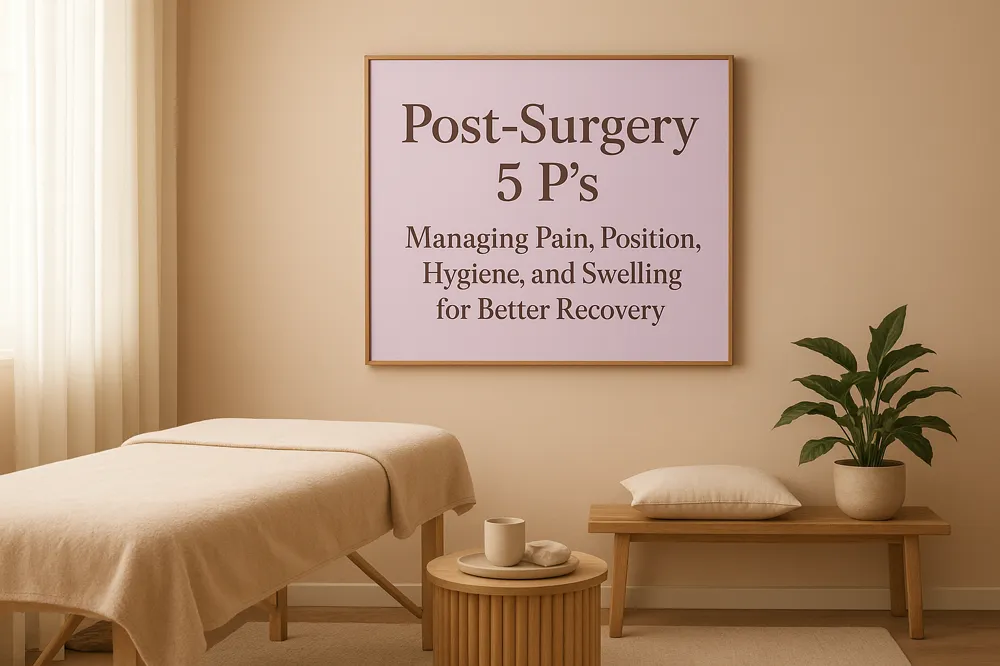
What are the 5 P’s of post-operative care?
The 5 P’s of post-operative care include Pain, Position, Personal Hygiene, Periphery, and Pump. This framework helps guide recovery by addressing critical aspects that support healing and prevent complications.
-
Pain: Effective pain management after surgery is essential to provide comfort and enable early movement. Combining medications with non-pharmacologic methods like cold therapy and gentle activity can optimize relief.
-
Position: Proper positioning reduces swelling, promotes circulation, and protects surgical sites. Adjusting posture and limb placement supports optimal healing.
-
Personal Hygiene: Maintaining cleanliness prevents wound infections. Proper wound care, timely dressing changes, and hand hygiene are vital.
-
Periphery: Monitoring peripheral signs such as skin color, temperature, and sensation helps detect early issues like circulation problems or inflammation.
-
Pump: Using compression devices or pumps encourages lymphatic drainage and prevents fluid buildup, reducing swelling and discomfort.
Effective pain management strategies
Managing pain not only aids comfort but also minimizes risks such as preventing blood clots or pneumonia that can arise from limited mobility. Medication regimens tailored by healthcare providers, paired with cold packs, relaxation techniques, and light movement, support a balanced approach. See Managing post-surgery pain for more information.
Importance of wound care
Attentive wound care prevents infections and promotes faster, cleaner healing. Patients should following doctor’s instructions after surgery meticulously, monitor for signs like redness or discharge, and attend all importance of follow-up appointments for professional assessment.
Use of compression devices and pumps for swelling control
Compression garments and pumps support natural lymphatic flow, reducing post-operative swelling and risk of complications such as Seromas formation after surgery. Consistent use, especially during the first weeks after surgery, can help ensure smoother recovery and improved scar outcomes.
Stress reduction and quality sleep as integral parts of recovery
Adequate rest and stress management are equally vital. Sleep enhances tissue repair and immune function, while stress reduction through deep breathing, music, or laughter lowers inflammation and may reduce pain medication needs. At Pink & Fancy, we emphasize these elements to encourage holistic well-being during post-surgical healing.
Preparing Your Recovery Sanctuary: Home Strategies for Healing Success
Creating a Safe and Comfortable Home Environment
Post-surgical recovery begins the moment you return home, making a secure and serene environment essential for healing. To reduce fall risks, declutter living spaces, secure rugs with non-slip pads, and install nightlights to ease nighttime navigation. Consider adjusting furniture heights for more accessible seating and arrange a dedicated recovery area on the main floor to minimize unnecessary movement. Bathrooms benefit greatly from grab bars and non-slip mats to enhance safety and independence during recovery. For a comprehensive post-surgery recovery home prep checklist and tips on ensuring home safety after surgery, consult trusted resources.
Stockpiling Nutritious, Easy-to-Access Meals and Hydration
Nutrition plays a pivotal role in healing. Preparing and stocking nutritious, easy-to-reheat meals ahead of surgery can reduce stress and ensure consistent nourishment. Hydration supports the body’s detoxification and aids medication absorption, so keeping water and hydrating foods readily available is crucial. Planning for quick access to balanced meals rich in protein, vitamins, and minerals will support tissue repair and boost immune function. Learn more about proper nutrition for surgery recovery and nutrition and hydration in surgery recovery to optimize your healing process.
Arranging Medical Equipment and Essentials Within Reach
Ensuring all recovery essentials—such as medications, water, medical supplies, and entertainment—are within arm’s reach minimizes physical strain and encourages rest. Organizing these items thoughtfully prevents unnecessary movement that could delay healing. For extended recovery needs, setting up medical equipment like hospital beds or mobility aids in accessible locations enhances comfort and support. For guidance on your post-surgery recovery home prep checklist, including medical equipment planning, see expert recommendations.
Planning for Home Health Support and Therapy Services
Professional support can significantly enhance recovery outcomes. Engaging home health services provides tailored nursing care, physical or occupational therapy, and assistance with daily activities. Early coordination with healthcare providers ensures timely therapy referrals, enabling personalized rehabilitation plans that address individual needs for strength and mobility restoration. Explore post-surgery rehabilitation tips and the benefits of physical therapy post-surgery for more information.
Organizing Living Space and Ensuring Proper Rest to Minimize Stress
A well-organized living space fosters relaxation and reduces stress, which positively impacts immune function and healing. Creating clear pathways, decluttering, and selecting comfortable resting areas promotes mental calmness. Prioritizing quality sleep by managing light, noise, and temperature supports the body’s natural repair processes, making rest an integral component of recovery success. Understand the importance of sleep for healing and discover stress reduction techniques to further improve recovery outcomes.
Integrating Secrets for Optimal Post-Surgical Healing
Recap of Effective Healing Strategies
Optimal post-surgical recovery relies on a holistic approach combining several vital elements.
Nutrition
A balanced diet rich in protein, vitamin C, B12, iron, fibers, and probiotics supports tissue repair, immune function, and energy. Avoid processed and sugary foods to reduce inflammation and promote healing.
Movement
Gentle, early mobilization such as short walks improves circulation, prevents blood clots, and enhances oxygen delivery to tissues, reducing complications.
Lymphatic Care
Incorporating manual lymphatic drainage helps reduce swelling, bruising, and pain by stimulating the lymphatic system to remove excess fluids and toxins. Compression garments complement this therapy.
Post-Operative Management
Following doctor’s instructions meticulously, attending follow-ups, managing pain effectively, and quitting smoking optimize recovery outcomes.
Personalized Care and Patience
Seeking individualized treatment plans—including therapies like lymphatic drainage offered by dedicated centers such as Pink & Fancy—supports wellness.
Recovery is a gradual process requiring patience and attentive self-care. Embrace the journey with confidence and professional support.