Women’s Wellness and Cosmetic Surgery: Holistic Recovery Approaches
March 16, 2026
Rebuilding Body Confidence and Healing After Surgery
March 16, 2026

Introduction: Embracing the Path to Recovery After Cosmetic Surgery
Understanding the Recovery Journey
Recovering from cosmetic surgery is a multifaceted process that extends beyond physical healing to include emotional well-being. Patients often experience a mix of fatigue, uncertainty, restlessness, and ultimately confidence as they progress through recovery.
The Need for Holistic Healing
Successful recovery integrates not only tissue repair and swelling management but also emotional support. Leaning on loved ones, journaling personal motivations, and maintaining open communication with healthcare providers strengthens emotional resilience.
Specialized Post-Operative Care
Personalized care plans that include gentle activity guidelines, lymphatic massage, compression therapy, and pain management optimize healing outcomes. These approaches minimize complications, enhance comfort, and support a smoother, safer return to daily life.
Embracing this comprehensive recovery path empowers women to achieve lasting health and wellness after cosmetic procedures.
Lymphatic Therapy: A Cornerstone of Post-Surgical Recovery
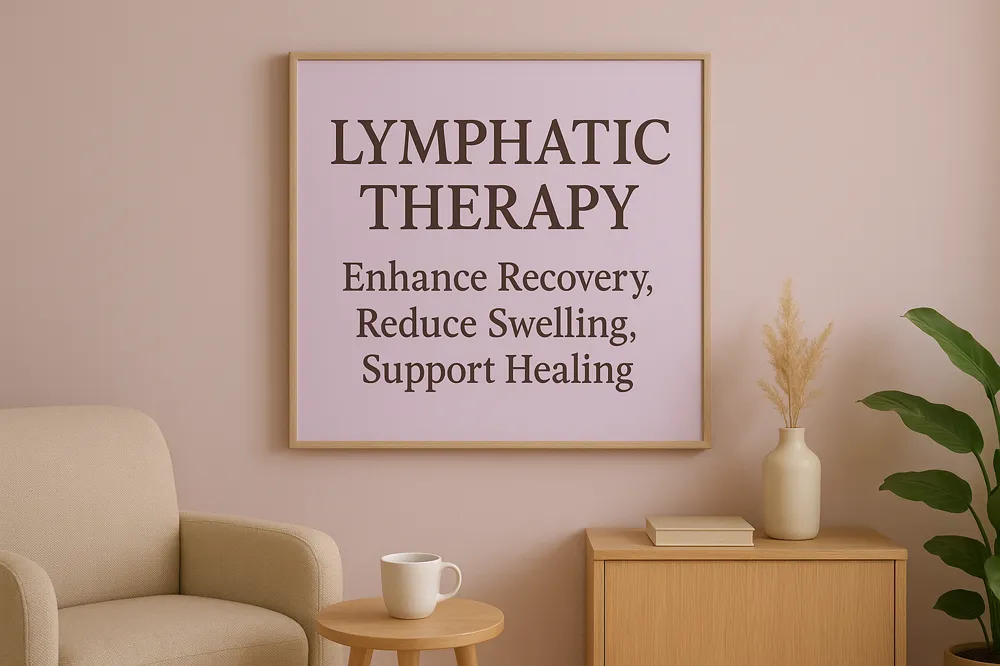
What is lymphatic therapy, and how does it benefit post-surgical recovery?
Lymphatic therapy, often referred to as Lymphatic drainage massage, is a gentle, specialized technique designed to stimulate the lymphatic system. This therapy encourages better fluid circulation and assists the body in detoxification by moving excess lymph fluid through lymphatic channels toward functioning lymph nodes.
Post-surgical recovery commonly involves swelling, fluid buildup, and inflammation due to tissue trauma. Lymphatic therapy helps reduce these symptoms by promoting lymph flow, supporting the immune system, and accelerating healing. This facilitates improved comfort, faster recovery, and reduces the risk of complications such as infection or seroma formation. It works best when integrated with other postoperative care practices like compression garments and gentle mobilization as described in Post-Surgical Swelling.
How can lymphatic drainage massage aid in managing swelling and inflammation after surgery?
Lymphatic drainage massage helps manage post-surgical swelling and inflammation by gently encouraging the movement of lymph away from congested areas of the body. By applying soft, rhythmic hand movements along lymphatic pathways, it enhances fluid removal and reduces tissue pressure caused by excess lymphatic fluid.
This therapy is especially useful after surgeries like liposuction, tummy tucks, breast augmentations, and facial procedures, where lymphatic disruption and swelling are common. It supports the removal of inflammatory waste products and lessens pain and fibrosis. Combined with the use of compression garments, this massage technique effectively smooths body contours, decreases post-operative discomfort, and promotes faster tissue repair as detailed in Post-Op Lymphatic Massage.
Safety and expertise required for optimal lymphatic care
Lymphatic therapy should be performed by trained and certified lymphedema therapists experienced in manual lymphatic drainage (MLD) techniques. The massage uses very light pressure to avoid tissue damage and is tailored to individual needs depending on the specific surgical procedure and patient condition.
It is contraindicated in individuals with active infections, blood clots, uncontrolled medical issues such as heart or kidney disease, or inflammation caused by untreated cancer. Patients should consult healthcare providers to ensure lymphatic therapy is appropriate and safe for their recovery stage. Learn more about Lymphatic massage after cosmetic surgery.
Through guided lymphatic care, patients experience reduced swelling, enhanced immune support, decreased fibrosis, and overall acceleration of healing, making lymphatic therapy a vital component of post-surgical recovery programs, especially for women undergoing cosmetic procedures as discussed in Emotional recovery after body contouring surgery.
| Topic | Description | Impact on Recovery |
|---|---|---|
| Lymphatic Therapy Definition | Gentle stimulation of lymph flow | Reduces swelling, promotes detoxification |
| Mechanisms of Drainage Massage | Light, rhythmic hand movements | Enhances fluid clearance, prevents fluid buildup |
| Benefits | Decreased inflammation and pain | Faster healing, less discomfort |
| Safety and Expertise | Performed by certified therapists | Ensures safe, effective treatment |
Comprehensive Post-Operative Care Enhancing Women’s Recovery
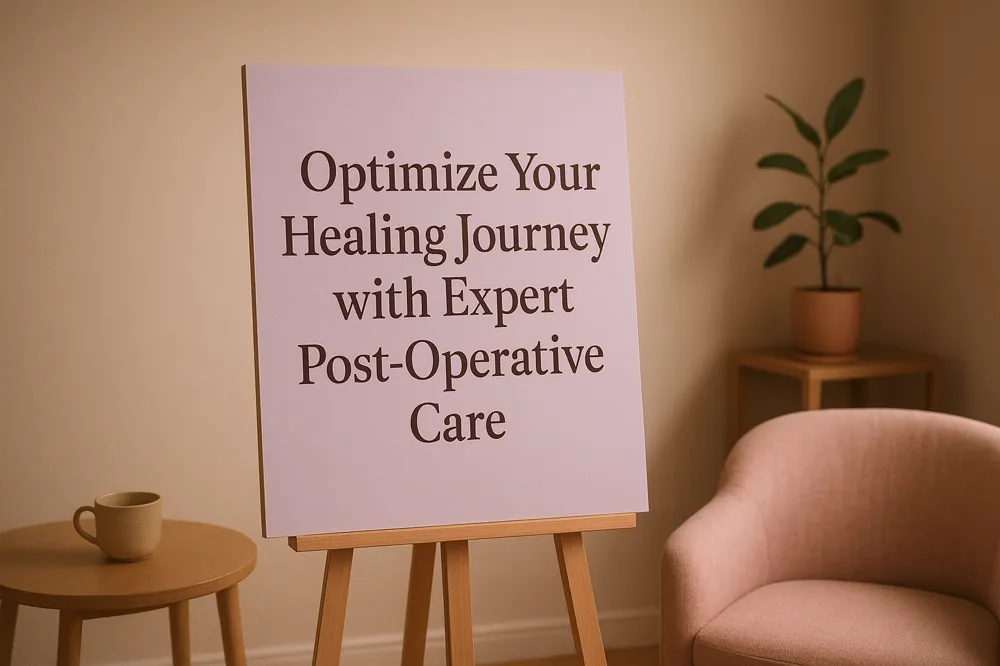
What types of post-operative care services are beneficial for women recovering from cosmetic or reconstructive surgery?
Post-operative care for women involves a combination of therapies and guidance to facilitate recovery and improve surgical outcomes. Vital services include:
-
Lymphatic drainage massage (Manual Lymphatic Drainage, MLD): Performed by certified therapists, this gentle technique reduces post-surgical swelling by encouraging lymph flow, assisting tissue repair, and easing pain. It is especially effective after surgeries such as liposuction, breast reconstruction, and facelifts.
-
Body contouring and wood therapy in lymphatic health: These treatments complement swelling reduction by improving blood circulation and accelerating tissue healing, which can refine surgical results and comfort.
-
Pain management and wound care: Following surgeon instructions on medication use (often non-opioid analgesics like acetaminophen and ibuprofen) along with proper dressing changes prevents infection and promotes healing.
Integration of lymphatic drainage, body contouring, wood therapy, and cellulite treatments
Combining lymphatic massage with body contouring and wood therapy provides a multi-modal approach. Lymphatic drainage targets fluid buildup and inflammation, while body contouring techniques support skin tightening and shape refinement. Wood therapy enhances lymphatic flow and reduces fibrosis or tissue tension. This integrated approach enhances mobility, reduces discomfort, and promotes a smoother, more aesthetically pleasing recovery.
See also cellulite treatments and lymphatic drainage for additional related therapies.
Pain management, wound care, and activity guidelines
Pain relief is optimized by adhering to prescribed non-narcotic medications and using cold compresses. Wound care includes adhering to dressing instructions and monitoring for signs of infection such as redness or unusual discharge. Patients are encouraged to start gentle activities like short, frequent walks soon after surgery to boost circulation, prevent blood clots, and reduce nausea.
Heavy lifting should be avoided, especially on the surgical side, for about four weeks. Performing prescribed range-of-motion and breathing exercises helps maintain mobility and eases anxiety during recovery.
For detailed Post-Operative Activity Guidelines including walking and exercise recommendations, refer to this resource.
Home preparation and support systems for optimal healing
Preparing the home environment before surgery is essential. This includes removing tripping hazards, installing safety features such as grab bars, and organizing spaces for comfortable rest and easy access to necessities.
Women are encouraged to stock nutritious meals and hydration options to support tissue repair and maintain energy. Having a caregiver for at least the first 48 to 72 hours post-surgery aids in medication management, hygiene, and emergency recognition.
For guidance on Post-Surgery Home Preparation, see this comprehensive checklist.
Emotional support from loved ones, journaling motivations, and maintaining open communication with the surgical team help manage the psychological aspects of recovery.
Learn more about Emotional recovery after body contouring surgery to understand the importance of mental well-being during recovery.
By combining professional treatments with diligent home care and emotional support, women enhance their healing journey, reduce complications, and sustain improved long-term wellness after cosmetic or reconstructive surgery.
Specialized Training and Personalized Care: Pillars of Effective Recovery Support
What specialized training is required to provide expert lymphatic care?
Providing expert lymphatic care demands advanced education and certification focused on the lymphatic system’s anatomy and physiology. Practitioners must complete specialized training in manual lymphatic drainage (MLD) benefits, mastering hands-on techniques that stimulate lymph flow and improve circulation. This training also covers treatment protocols tailored for conditions such as Lymphedema causes and treatment, post-surgical swelling, and detoxification. Understanding contraindications and safety is crucial to ensure patient well-being during therapy. Continuous education and practical experience refine skills necessary for delivering safe, effective lymphatic care.
How does combining clinical knowledge with personalized attention enhance wellness outcomes for women undergoing post-surgical recovery?
Integrating clinical expertise with personalized care plans profoundly improves recovery outcomes for women after surgery. Personalized plans consider each patient’s medical history, surgery type, and individual healing pace, allowing precise interventions that promote optimal physical and emotional healing. This approach fosters patient engagement, encouraging adherence to recovery protocols and supporting emotional adjustment through compassionate communication.
Moreover, personalized care often involves a multidisciplinary team—surgeons, therapists, nurses, and mental health professionals—who collaborate to address physical symptoms and psychological well-being. This comprehensive support reduces anxiety, manages pain effectively, and motivates patients to maintain healthy habits. Such attentiveness accelerates tissue repair, reduces complications, and enhances confidence and comfort during recovery.
Emotional and psychological support during recovery
Emotional recovery after body contouring surgery is as important as physical healing. Support from loved ones, counseling, and journaling surgical motivations can help patients navigate feelings of fatigue and uncertainty post-surgery and restlessness. Personalized care teams recognize these needs and integrate strategies to bolster mental health, crucial for sustaining motivation and a positive outlook.
Multidisciplinary approach and patient engagement for enhanced outcomes
A collaborative, multidisciplinary team offers comprehensive care tailored to each patient. Constant communication and follow-up enable timely adjustments based on the patient’s progress. Educating patients about their recovery empowers them with the knowledge to actively participate in their healing journey, improving satisfaction and long-term wellness.
| Aspect | Details | Benefit |
|---|---|---|
| Advanced Lymphatic Training | Certification in MLD, anatomy knowledge | Safe, effective lymphatic therapy (see MLD safety and certification) |
| Personalized Care Plans | Tailored to individual recovery needs | Faster, holistic healing |
| Emotional Support | Counseling, family involvement, journaling | Reduced stress and improved mental health (Emotional recovery) |
| Multidisciplinary Approach | Collaboration among surgeons, therapists, nurses | Comprehensive recovery management |
Specialized training combined with personalized, compassionate care forms the foundation for successful post-surgical recovery, especially for women seeking Cosmetic surgery considerations for women in the US wellness support that addresses both body and mind.
Supporting Emotional and Physical Recovery: Guidance for Women
What Are Common Emotional Responses After Cosmetic Surgery?
Women undergoing cosmetic surgery may experience a range of feelings during emotional recovery after body contouring surgery. It’s normal to feel fatigue, restlessness, uncertainty, and eventually growing confidence as healing progresses. These emotions often reflect the adjustment not just to physical changes but also to new self-image and recovery challenges. Understanding this emotional journey helps women prepare mentally alongside their physical healing.
What Strategies Help Support Emotional Well-Being and Motivation?
Emotional support is vital for a smooth recovery. Leaning on friends and family provides comfort and practical help, which relates to support from loved ones during recovery. Journaling motivations and progress can maintain a positive outlook, similar to journaling surgical motivations. For those hesitant about surgery, exploring nonsurgical options for body contouring ensures informed choices. Selecting a trustworthy surgical team fosters confidence in care and outcomes, reducing anxiety.
How Should Physical Activity Be Managed After Surgery?
Gentle activity supports both supporting physical and emotional recovery. Walking for a few minutes two to three times daily aligns with walking after surgery helps prevent blood clots, reduces fatigue, combats nausea, and minimizes muscle loss. Diaphragmatic breathing exercises, performed at least five times daily, aid relaxation, ease pain, and reduce chest and back tightness. Avoid heavy lifting on the surgical side for about four weeks, and follow your surgeon’s instructions on gradually resuming movements (avoiding heavy lifting after surgery).
Why Are Pain and Stress Management Important for Healing?
Proper pain management reduces discomfort and stress, which can otherwise prolong the healing process. Non-narcotic options like acetaminophen and ibuprofen are recommended to minimize opioid use risks (pain management with acetaminophen and ibuprofen, non-opioid pain management). Cold compresses and elevation assist in controlling swelling and discomfort (icing to reduce swelling, arm elevation to reduce swelling. Open communication with your healthcare provider about pain levels ensures safe, effective management (communicating with your surgeon.
How Can Caregiver Support and Home Preparation Enhance Recovery?
Having a caregiver present for the initial 48 to 72 hours post-surgery supports medication management, hygiene, and emergency response (caregiver assistance after surgery, when to contact healthcare providers). Preparing the home environment with clear pathways, secured rugs, good lighting, and safety features like grab bars reduces fall risks (post-surgery home preparation, bathroom safety features, grab bars installation, non-slip mats and shower chairs). Stocking up on nutritious foods and hydration drinks ensures easy access to essentials (hydration drinks for post-op, meal planning for recovery. These measures create a comfortable, secure space that encourages rest and healing.
Maintaining a compassionate outlook and following these comprehensive guidelines helps women navigate the emotional adjustment after liposuction and tummy tuck challenges with confidence and care.
Lymphatic Health Enhancements: Wood Therapy, Cellulite Treatments, and Detoxification Benefits

What are the benefits of wood therapy and cellulite treatments in supporting lymphatic health and healing?
Wood therapy and cellulite treatments utilize specialized wooden tools to gently stimulate circulation and encourage lymphatic drainage. This stimulation aids the body’s natural detoxification by promoting the removal of toxins and excess fluids. These treatments can break up the fascia, which may reduce the appearance of cellulite, leading to smoother and firmer skin texture.
By improving lymph flow, wood therapy diminishes inflammation and swelling, which supports faster recovery after surgery or injury. This not only contributes to physical wellness but also enhances skin rejuvenation. Therefore, these therapies serve as valuable additions to Swelling Management After Surgery, encouraging better circulation and boosting overall healing.
How does improved lymphatic drainage support overall detoxification and circulation in the body?
Enhanced lymphatic drainage plays a crucial role in detoxification and circulation by efficiently clearing waste products, excess fluids, and toxins. The gentle, rhythmic movements used in lymphatic drainage help stimulate lymph vessels and nodes, preventing blockages that can cause swelling or discomfort.
This improved lymph flow supports immune function and reduces inflammation, leading to decreased symptoms like puffiness and fatigue. Better circulation ensures tissues receive adequate oxygen and nutrients important for healing and maintenance. Consequently, maintaining healthy lymphatic drainage fosters a vibrant appearance and supports the body’s natural detox processes.
Through these effects, wood therapy, cellulite treatments, and lymphatic drainage collectively promote wellness, accelerate recovery, and restore skin vitality after surgical procedures or other conditions affecting lymphatic function. For more on this, see Post-Surgical Swelling and Lymphatic Massage Benefits.
Conclusion: Holistic Care Fosters Empowered, Resilient Recovery
Embracing a comprehensive approach is vital for effective post-surgical recovery.
Physical care strategies such as gentle early mobilization, pain management, and scar massage contribute directly to healing.
Emotional support, including leaning on loved ones and journaling, eases adjustment and encourages confidence during recovery.
Specialized therapies like lymphatic massage reduce swelling and promote tissue repair, enhancing both comfort and outcomes.
Integrating these facets empowers women to face recovery with resilience and control.
We encourage patients to seek personalized resources and maintain open communication with healthcare providers to optimize wellness throughout the healing journey.