Why Post-Op Massage Is a Completely Different Experience From Spa Treatments
March 16, 2026
Finding Body Confidence and Healing After Cosmetic Surgery
March 16, 2026

Understanding Lymphatic Therapy and Its Critical Role After Surgery
Definition of lymphatic therapy
Lymphatic therapy, often referred to as manual lymphatic drainage (MLD), is a gentle, specialized massage technique aimed at stimulating the lymphatic system. This system is a vital network responsible for transporting lymph—a fluid containing white blood cells, nutrients, and waste products—throughout the body. By applying rhythmic, light pressure to specific areas, lymphatic therapy encourages the natural flow of lymph fluid towards lymph nodes where toxins and excess fluids are filtered and eliminated.
How it supports healing post-surgery
After surgery, the lymphatic system may become sluggish due to tissue trauma, incisions, and swelling. Lymphatic therapy helps boost lymph flow, accelerating the removal of excess fluid and cellular debris. This reduction in swelling and inflammation supports faster tissue repair, decreases discomfort, and helps prevent complications such as fluid retention or fibrosis. Patients typically begin sessions within a few days to a week after surgery, depending on individual recovery, with multiple treatments recommended over several weeks for optimal healing outcomes.
Role in toxin removal and swelling reduction
The lymphatic system plays a crucial role in detoxifying the body by collecting and removing waste, excess fluids, and toxins. Surgery can impair lymphatic drainage, leading to fluid accumulation, visible swelling (edema), and bruising. Lymphatic massage assists in mobilizing this fluid, minimizing swelling and promoting the removal of toxins and inflammatory substances. This results in reduced postoperative discomfort and supports the immune system’s natural response to injury.
Importance in cosmetic and reconstructive surgery recovery
In cosmetic and reconstructive surgeries—such as liposuction, tummy tucks, Brazilian butt lifts, and facelifts—lymphatic therapy is especially important. These procedures often involve significant tissue manipulation that disrupts lymphatic vessels. Regular post-surgical lymphatic drainage can enhance aesthetic outcomes by reducing edema, preventing fibrosis, improving scar appearance, and promoting smoother, more even skin contours. Additionally, patients often experience quicker recoveries, less bruising, and improved comfort during the healing process.
Through personalized lymphatic therapy, patients receive targeted support to improve lymph flow, reduce swelling, and promote detoxification—key factors that collectively foster a healthier, speedier recovery after surgery.
How Lymphatic Drainage Massage Enhances Post-Surgical Healing
Mechanism of lymphatic drainage massage
Lymphatic drainage massage employs gentle, rhythmic strokes that stimulate the lymphatic system. By using specific hand movements to encourage lymph fluid to flow naturally toward lymph nodes—typically located in the neck, armpits, and groin—this massage supports the body’s ability to clear excess fluids, toxins, and cellular debris. Especially after surgery, when lymphatic pathways may be disrupted, this technique helps reactivate lymph circulation and encourages the formation of new channels, thereby aiding the body’s self-healing functions.
Reduction of swelling and inflammation
Post-surgical swelling is an inflammatory response functioning to protect tissues; however, it can cause discomfort and slow recovery. Lymphatic drainage massage effectively reduces this swelling by clearing fluid buildup, decreasing tissue congestion, and limiting inflammation. This relief not only lessens pain and puffiness but also reduces the risk of complications such as infections or seromas, facilitating a smoother and swifter recovery process.
Improved circulation and toxin removal
The stimulation of the lymphatic system during massage enhances the removal of metabolic waste and toxins from surgical areas. By promoting lymph flow, this therapy increases nutrient and oxygen delivery to damaged tissues, supporting cellular regeneration and immune defense. Additionally, better circulation contributes to reduced bruising and accelerates the clearance of anesthesia residues and medications, which may linger post-surgery.
Prevention of fibrosis and scar complications
Without proper lymphatic drainage, accumulated fluids and inflammation can lead to excessive scar tissue formation, or fibrosis, resulting in hard, lumpy areas and prolonged healing. Regular lymphatic massage minimizes these risks by preventing fluid stagnation and promoting even tissue repair. This effect supports better skin texture and less visible scarring, contributing to optimal aesthetic outcomes after procedures such as liposuction, tummy tucks, or facelifts.
Integration with compression garment use
Lymphatic drainage massage is most effective when combined with the consistent use of compression garments. These elastic garments apply controlled pressure, supporting lymph flow and stabilizing tissue layers during the healing phase. Wearing compression garments for the recommended duration—often at least six weeks post-surgery—complements the massage by maintaining reduced swelling and providing structural support. Together, these therapies enhance comfort and recovery quality, helping patients regain mobility and return to daily activities sooner.
Specialized Training and Expertise in Post-Surgical Lymphatic Care
What specialized training is important for practitioners offering post-surgical and lymphatic care?
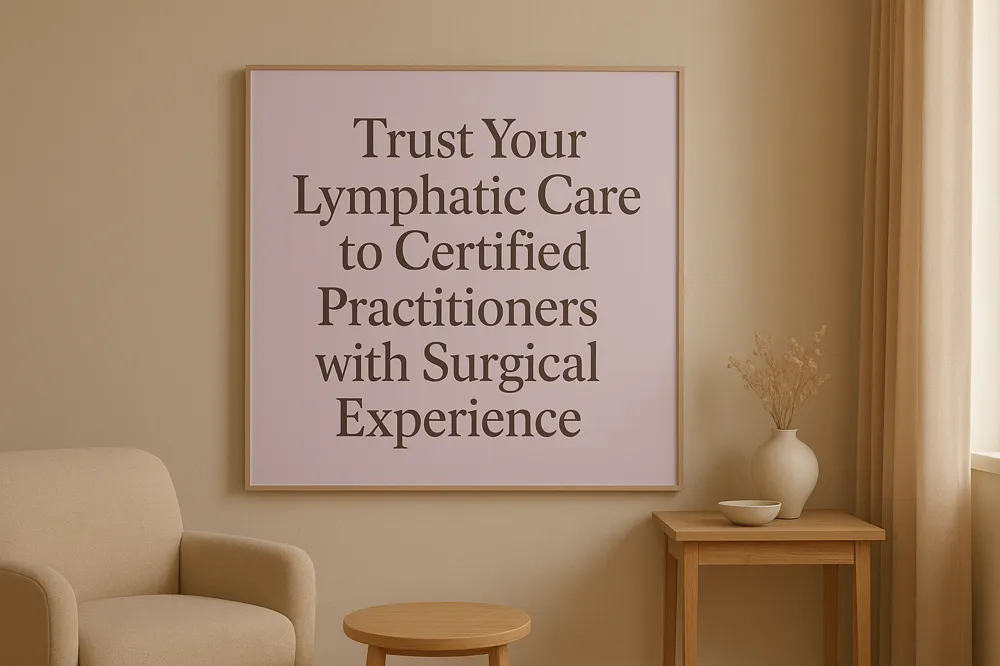
Practitioners who provide post-surgical lymphatic care typically have comprehensive medical training that includes coursework or certifications in lymphatic drainage massage, manual lymphatic drainage, and lymphedema management. This specialized training equips them to understand the lymphatic system’s critical role in healing, facilitating detoxification, and controlling fluid balance post-surgery.
Clinical experience, particularly in hospital recovery units or surgical settings, is vital. It allows therapists to recognize patient-specific needs and potential complications such as infection risks, fibrosis, and swelling management. Working closely with surgeons and medical teams helps these practitioners tailor interventions that promote optimal lymphatic flow and tissue regeneration.
An in-depth knowledge of anatomy, physiology, and how different surgeries impact lymphatic vessels supports safe, effective treatment. Therapists must also follow strict safety protocols—which include patient assessment for conditions like heart or kidney disease and blood clots—to avoid adverse effects during care.
Personalized treatment planning is a cornerstone of post-surgical lymphatic massage. Skilled therapists customize the frequency, duration, and techniques of massage based on individual recovery progress, procedure type, and patient tolerance, ensuring enhanced healing and comfort.
Continuing education is essential; practitioners maintain certifications and stay updated on emerging techniques and research to deliver evidence-based, patient-centered care.
| Training Aspect | Importance | Details |
|---|---|---|
| Certifications | Validates expertise | Manual lymphatic drainage, lymphedema management, post-op care courses |
| Clinical Experience | Enhances patient assessment and safety | Exposure to surgical recovery environments, collaboration with healthcare teams |
| Anatomy and Surgery Knowledge | Supports effective, safe treatments | Understanding lymphatic pathways and surgical impacts on tissues |
| Safety Protocols | Protects patient health | Screening for contraindications like blood clots or organ conditions |
| Personalized Care Plans | Maximizes recovery outcomes | Tailored massage techniques, session timing, and monitoring |
The Importance of Personalized Attention in Lymphatic Recovery

What role does personalized attention play in enhancing post-surgical recovery and lymphatic health?
Personalized attention is crucial for effective post-surgical lymphatic massage benefits. Each patient’s surgical history and healing trajectory differ, requiring customized therapy protocols to optimize outcomes. By assessing the extent of surgery, swelling, and lymphatic disruption, therapists can adapt manual lymphatic drainage (MLD) techniques and session frequency for maximum benefit.
Customization of therapy protocols
Therapists tailor lymphatic massage sessions, beginning treatments within days to weeks post-operation based on individual needs. This includes adjusting the pressure, duration, and target areas to safely and efficiently reduce swelling, prevent fibrosis in post-surgical healing , and encourage scar tissue softening.
Assessment based on surgical history and healing progress
Regular evaluation of healing allows adjustments that help reduce complications such as persistent edema or lymphedema. Patients with complex surgeries like tummy tucks, liposuction, or facial procedures particularly benefit from this individualized approach (Lymphatic massage after tummy tuck).
Emotional support and patient confidence
Beyond the physical benefits, personalized care provides emotional reassurance. Knowing that treatment plans consider their unique circumstances fosters patient confidence, reduces stress, and promotes a positive healing environment (stress reduction from lymphatic massage).
Use of advanced technologies like Ballancer Pro
Innovative devices such as the FDA-cleared Ballancer Pro complement manual techniques by delivering gentle wave-like pressure to stimulate lymph flow, targeting congested areas with sensor-guided adjustment. This technology helps reduce swelling, accelerate toxin removal, and boost immune function.
Optimizing lymphatic flow and wellness outcomes
Combining expert manual therapy with advanced technology and personalized protocols ensures optimal lymphatic drainage. Such comprehensive care not only shortens recovery times but also supports long-term lymphatic health and overall wellness.
This holistic, patient-centered approach to lymphatic therapy exemplifies how tailored interventions enhance healing, comfort, and aesthetic outcomes after surgery (importance of lymphatic massage after plastic surgery.
Consequences of Neglecting Post-Surgical Lymphatic Massage

Delayed Healing and Prolonged Swelling
Skipping post-surgical lymphatic massage can significantly prolong healing times. The lymphatic system, essential for removing toxins and excess fluids, often slows down after surgery, leading to extended swelling (Edema after surgery) and discomfort. Without targeted massage to stimulate the lymphatic system, patients may experience persistent fluid retention and bruising, delaying the recovery process.
Increased Inflammation and Discomfort
Failure to perform Lymphatic massage can lead to heightened Lymphatic massage and inflammation reduction. This increased inflammation not only causes more pain and swelling but can also impede proper tissue repair, making recovery more uncomfortable and prolonged.
Higher Risk of Fibrosis and Scar Tissue Complications
Lymphatic massage benefits promotes the softening and even formation of scar tissue. Neglecting this therapy can result in increased fibrosis in post-surgical healing—where hardened lumps and thickened scar tissue develop—leading to less elastic, more prominent scarring that may be difficult to resolve later.
Potential for Lymphedema and Infections
Poor Lymphatic drainage massage post-surgery raises the risk of Potential consequences of neglecting manual lymphatic drainage, a chronic and sometimes debilitating swelling due to fluid buildup. Additionally, accumulated fluids can create pockets susceptible to infection, complicating recovery and necessitating further medical intervention.
Negative Impact on Skin Quality and Aesthetic Results
Without regular post surgical lymphatic massage benefits, toxins and excess fluids can impair skin quality, causing puffiness, uneven texture, and more noticeable scarring. This compromises final Lymphatic massage post-op benefits, with possible lumpy or irregular skin contours after cosmetic procedures like liposuction.
In summary, Potential Consequences of Neglecting Manual Lymphatic Drainage can lead to slower recovery, more discomfort, lasting swelling, scar complications, and less satisfactory cosmetic results. Following recommended Importance of lymphatic massage after surgery enhances healing and supports healthier, smoother postoperative outcomes.
Complementary Therapies: Wood Therapy and Cellulite Treatments
How can services like wood therapy and cellulite treatments contribute to overall women’s wellness post-surgery?
Services such as wood therapy benefits post-surgery and cellulite treatments and lymphatic flow play a valuable role in supporting women’s wellness following surgery by actively stimulating lymphatic massage and inflammation reduction. This stimulation helps reduce Post-surgical swelling, common challenges in the post-operative phase, which in turn accelerates healing and eases discomfort.
By promoting enhanced circulation, these therapies ensure that oxygen and vital nutrients reach damaged tissues more efficiently. This boost supports tissue repair and regeneration, helping the body recover more effectively from surgical trauma.
Furthermore, these treatments assist in breaking down stagnant fat deposits and improve skin elasticity. This contributes directly to better Lymphatic massage for smooth skin, which enhances the overall body shape and aesthetic outcomes after procedures such as Lymphatic massage after tummy tuck.
Complementing their physical benefits, wood therapy and cellulite treatments aid Lymphatic Drainage Massage Detoxification. This detox effect supports immune function and fosters an overall balanced state of health.
In summary, integrating these complementary therapies into post-surgical care offers comprehensive benefits: faster recovery times, improved tissue quality, refined body contour, reduced discomfort, and sustained wellness. They provide a holistic approach to healing that supports women on their journey to optimal health and beauty.
| Therapy Type | Effects on Lymphatic Flow | Benefits to Skin and Tissue | Contribution to Wellness |
|---|---|---|---|
| Wood Therapy | Stimulates lymph drainage via massage with wooden tools (Manual lymphatic drainage techniques) | Enhances skin elasticity and tissue regeneration (Lymphatic massage for smooth skin) | Reduces swelling, supports detoxification (Lymphatic massage and inflammation reduction |
| Cellulite Treatments | Improves lymph circulation and breaks down fat deposits (Benefits of lymphatic massage) | Smooths skin texture, minimizes dimpling (Post-surgery lymphatic drainage benefits) | Decreases inflammation, promotes comfort (Reducing swelling after liposuction) |
Integrating Lymphatic Massage into a Comprehensive Post-Surgical Wellness Plan

How Does Lymphatic Massage Work Together with Compression Garments and Exercise?
Lymphatic massage complements the use of compression garments by stimulating lymph flow while garments provide consistent external pressure to reduce swelling and support tissue healing. Together, these therapies promote effective fluid drainage and help prevent complications like seromas and fibrosis in post-surgical healing. Incorporating approved gentle exercise, such as walking or stretching when cleared by your surgeon, further enhances lymphatic circulation and tissue recovery.
When Should Lymphatic Massage Start and How Often Should It Be Performed?
Post surgical lymphatic massage benefits typically begins within 2 to 7 days after surgery, depending on the procedure and individual recovery. Patients often start with 2 to 3 sessions per week, and many benefit from a course of 12 or more sessions spread over several weeks. This approach ensures consistent reduction in swelling and supports gradual tissue remodeling.
Why Are Hydration and Nutrition Important After Surgery?
Proper hydration aids lymph fluid movement and toxin elimination, while a balanced diet supports immune function and tissue repair. Staying well-hydrated and consuming nutrient-rich foods enhances the effects of lymphatic massage and compression therapy by maintaining fluid balance and providing the building blocks for healing.
How Does Lymphatic Massage Support Immune Function and Detoxification?
The lymphatic system plays a crucial role in immunity by transporting white blood cells and removing waste products. Lymphatic massage stimulates this system, facilitating toxin clearance and boosting immune response. This support helps reduce inflammation, decreases infection risk, and promotes overall recovery.
What Are the Long-Term Benefits of Integrating Lymphatic Massage Into Recovery?
Regular lymphatic massage post-surgery can improve skin quality, reduce visible scarring, and prevent complications such as fibrosis and persistent swelling. Patients often report reduced stress and enhanced comfort throughout recovery, contributing to better aesthetic outcomes and overall wellness.
| Aspect | Role in Post-Surgical Care | Benefit for Recovery |
|---|---|---|
| Lymphatic Massage | Stimulates lymph flow, reduces swelling | Faster healing, less discomfort |
| Compression Garments | Provide pressure to control edema | Supports tissue stability, reduces pain |
| Exercise | Enhances circulation and lymphatic drainage | Improves fluid movement, speeds recovery |
| Hydration & Nutrition | Maintains fluid balance and tissue repair | Supports detoxification, immune health |
| Immune Support | Boosted by lymphatic stimulation | Decreases infection risk, inflammation |
| Long-Term Benefits | Scar reduction, skin quality, fibrosis prevention | Better aesthetic and wellness outcomes |
Prioritizing Lymphatic Care: A Key to Safe and Faster Healing
Understanding the Risks of Skipping Post-Surgical Lymphatic Massage
Neglecting lymphatic massage after surgery can result in increased swelling, prolonged discomfort, delayed healing, and more prominent scarring. Without proper lymphatic drainage, fluid retention may lead to complications like fibrosis, infection, and lumpy skin texture, ultimately slowing recovery and affecting results.
The Benefits of Personalized Lymphatic Therapy
Tailored lymphatic massage sessions support efficient toxin removal, reduce inflammation, and promote smoother scar formation. Patients often experience enhanced comfort, decreased stress, and improved skin quality, which together facilitate a safer, faster recovery.
Integrating Lymphatic Care into Recovery Plans
Including lymphatic therapy alongside compression garments, light exercise, and healthy hydration optimizes outcomes. Typically, professional lymphatic drainage begins within days post-surgery, with multiple sessions recommended to support healing holistically.
The Importance of Professional Guidance
Seeking care from certified therapists ensures safe, effective treatment, especially for individuals with conditions such as heart or kidney issues. Complementary treatments guided by healthcare professionals personalize recovery and maximize benefits, underscoring the value of expert oversight.