Fibrosis Therapy Explained: How to Prevent Scarring Post-Surgery
March 16, 2026
Choosing the Right Post-Surgical Recovery Provider: What to Look For
March 16, 2026

Introduction to Post-Surgical Lymphatic Massage and Its Benefits
Understanding the Lymphatic System and Its Vital Role
The lymphatic system, a crucial component of the immune system, consists of vessels, lymph nodes, and organs that help maintain fluid balance, remove waste, toxins, and abnormal cells from the body. By circulating lymph—a fluid rich in white blood cells—it supports tissue healing and protects against infection.
What is Post-Surgical Lymphatic Massage?
Post-surgical lymphatic massage, also known as manual lymphatic drainage, is a gentle, specialized technique using light, rhythmic strokes that stimulate lymph flow. This therapy promotes fluid movement away from swollen or congested areas, helping to reduce post-operative swelling, inflammation, and discomfort.
The Importance of Lymphatic Care in Women’s Wellness Boutiques
In women’s wellness boutiques, lymphatic massage is valued as an essential part of holistic post-operative care. Tailored to support individual healing journeys, this therapy aids in detoxification, encourages tissue recovery, and enhances overall well-being.
Supporting Detoxification and Immune Function
Lymphatic massage accelerates the removal of cellular waste and toxins accumulated after surgery. By activating the lymphatic system, it helps boost immune defenses at a time when the body is vulnerable, facilitating quicker, smoother recoveries.
In summary, post-surgical lymphatic massage plays a pivotal role in women’s recovery by supporting natural healing processes, reducing swelling, and enhancing immune function through careful, personalized care.
Understanding Lymphatic Care and Its Impact on Women’s Post-Surgical Recovery
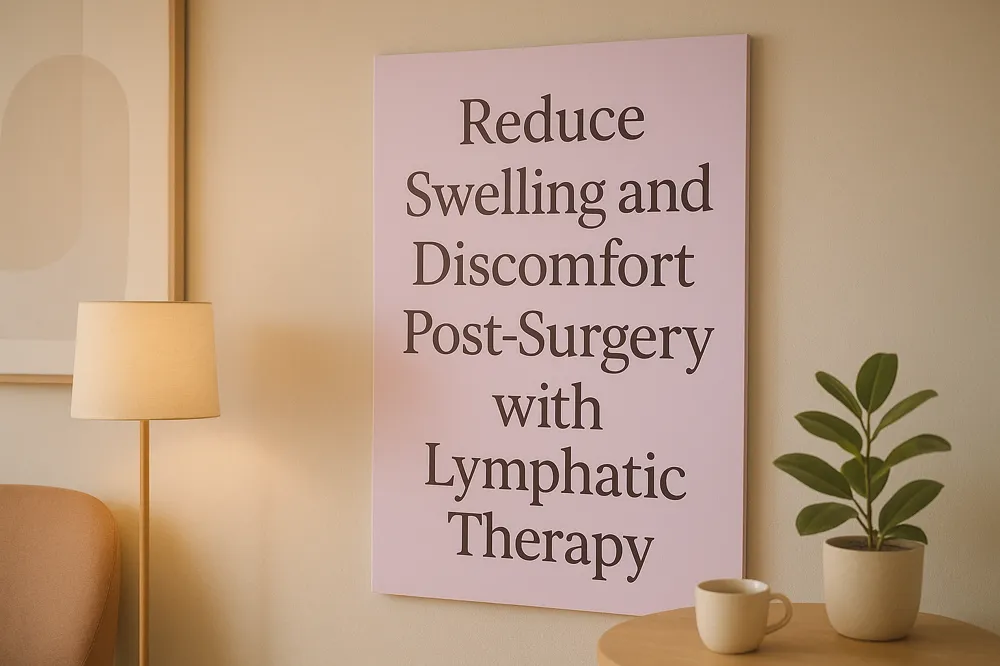
What is lymphatic care and how does it benefit women’s post-surgical recovery?
Lymphatic care includes specialized therapies like lymphatic drainage massage that gently activate the lymphatic system, crucial for moving excess fluid and toxins from tissues to lymph nodes. This process reduces swelling, relieves discomfort, and supports immune function, which is vital after surgeries such as liposuction, tummy tucks, and breast procedures.
Benefits of lymphatic care for women after cosmetic and reconstructive surgery
Women recovering from cosmetic or reconstructive surgeries benefit from Benefits of post-surgical lymphatic massage, faster tissue healing, and improved skin tone. The therapy also minimizes inflammation and prevents complications like Fibrosis in post-surgical recovery, and seromas, enhancing aesthetic outcomes and comfort during recovery.
How lymphatic therapy reduces swelling and accelerates healing
Lymphatic therapy promotes the drainage of fluid buildup caused by surgical trauma, reducing edema through gentle, rhythmic massage techniques. Stimulating lymph flow accelerates toxin removal and improves blood circulation, which delivers nutrients and oxygen essential for regenerating tissues and faster healing.
Importance of professional lymphatic massage by trained providers
For safe and effective lymphatic care, it’s essential to engage licensed, trained therapists or healthcare professionals experienced in manual lymphatic drainage. They tailor treatments to individual recovery needs, preventing risks linked to improper technique, and ensuring maximal therapeutic benefits. This professional approach supports faster, smoother recovery and long-term wellness after surgery.
The Science Behind Lymphatic Drainage Massage: Healing and Inflammation Control
How does lymphatic drainage massage support healing and reduce inflammation after cosmetic or reconstructive surgery?
Lymphatic drainage massage is a specialized, gentle technique that stimulates the lymphatic vessels to accelerate the removal of excess fluid, proteins, and cellular waste from the tissue spaces. After surgery, the body experiences trauma that leads to fluid retention and inflammation; this massage aids the lymphatic system in efficiently clearing those toxins and inflammatory byproducts.
The massage works by increasing lymph vessel contractions and opening up accessory lymphatic pathways, thereby improving overall lymph flow. This enhanced circulation reduces swelling (edema) and inflammation, which are common contributors to discomfort after surgery.
What physiological effects does lymphatic drainage have on the lymphatic vessels and circulation?
By applying rhythmic, light pressure, lymphatic drainage massage promotes the contraction of lymphatic vessels and facilitates the rerouting of lymph fluid around damaged or blocked channels. This helps maintain fluid balance, decreases tissue congestion, and supports the immune system by removing waste and toxins from the body.
Additionally, the technique improves venous return, enhancing blood circulation and oxygen delivery to healing tissues, which is crucial for tissue regeneration and recovery. This aspect is highlighted well in Lymphatic drainage massage benefits focusing on circulation improvement and detoxification.
How does lymphatic drainage massage help prevent post-surgical complications?
One of the critical roles of lymphatic massage post-surgery is the prevention of fibrosis, which is the formation of dense scar tissue that can hinder mobility and aesthetic outcomes. By reducing fluid retention and promoting even lymphatic flow, the massage helps prevent seromas (fluid collections) and minimizes the risk of hard, irregular scar tissue development. This not only supports a smoother physical recovery but also better surgical results.
These benefits align with the practices described in Post-Op Lymphatic Massage Benefits and Pre-Post Operative Care, which emphasize scar tissue reduction and prevention of complications after surgery.
What are the benefits regarding pain relief and skin appearance?
Lymphatic massage reduces pressure and inflammation in affected areas, which helps alleviate pain without reliance on medications. The technique also promotes the release of endorphins and reduces muscle tension caused by surgical trauma.
Improved circulation and detoxification from lymphatic drainage contribute to enhanced skin tone and reduce puffiness, bruising, and swelling. Patients often notice faster healing bruises and a more vibrant, smoother skin appearance during recovery, as detailed in Benefits of Lymphatic Massage Post-Surgery and How Post-Surgical Lymphatic Massage Differs.
In summary, lymphatic drainage massage represents a vital therapeutic intervention that supports natural healing processes, controls inflammation, prevents complications, relieves pain, and enhances skin quality after cosmetic and reconstructive surgeries. When administered by trained professionals as part of a comprehensive post-surgical care plan, it significantly optimizes patient outcomes.
Professional Standards: Specialized Training for Lymphatic Therapy Providers

What specialized training is important for practitioners providing lymphatic therapy?
Practitioners delivering lymphatic therapy must have specialized credentials that confirm their expertise beyond general medical or massage training. A critical qualification is certification by the Lymphology Association of North America (LANA). To become a Certified Lymphedema Therapist (CLT-LANA), therapists must complete an accredited 135-hour training program that covers comprehensive lymphatic system anatomy, physiology, and manual lymphatic drainage.
Certification requires successful completion of a detailed exam and adherence to continuing education standards. This ensures therapists remain up-to-date with advances in lymphatic care and maintain high treatment quality.
Expert training significantly impacts both the safety and effectiveness of lymphatic therapy. It equips providers to identify contraindications, tailor sessions to individual needs, and maximize recovery outcomes while minimizing risks. See choosing qualified lymphatic therapists for more information.
Distinguishing lymphatic therapy from general massage practices
Unlike general massages which may focus on muscle relaxation and circulation through various pressure levels, Lymphatic Massage After Surgery is a gentle, specialized treatment method targeting the lymphatic system using precise, rhythmic, and light strokes. This approach demands detailed knowledge of lymph pathways and drainage techniques, emphasizing immaculately controlled pressure to avoid harm and optimize lymph flow.
Employing a certified lymphatic drainage professional ensures patients receive skilled care that supports immune function, reduces swelling after surgery, accelerates healing, and improves overall lymphatic health. This professional standard confirms an elevated level of care distinct from usual massage therapies, providing safer and more effective recovery support tailored to individual health and surgical needs.
Comprehensive Post-Surgical Care: Services Offered in Women’s Wellness Boutiques
What types of services are commonly offered in a women’s wellness boutique focused on post-surgical and lymphatic care?
Women’s wellness boutiques dedicated to post-surgical and lymphatic care provide an array of specialized treatments designed to support recovery and enhance overall health. Core services include lymphatic drainage massage, using gentle, rhythmic strokes with techniques such as Vodder-based manual lymphatic drainage to reduce swelling, support immune function, and accelerate healing after surgeries like liposuction, tummy tucks, breast surgeries, and facelifts.
In addition, these boutiques often incorporate scar tissue management therapies. These focus on reducing fibrosis and improving tissue mobility through skilled massage that prevents hardening and supports healthier scar formation.
Additional complementary therapies such as acupuncture are frequently offered to promote relaxation, improve circulation, and reduce discomfort associated with post-operative recovery. This holistic approach helps manage pain and stress, which are common in healing phases.
Compression garments play an essential role in post-surgical recovery; boutiques assist with fitting and tailoring compression apparel to individual needs. Properly worn compression garments enhance the effectiveness of lymphatic massage by preventing excessive fluid buildup and supporting body contouring.
Some centers enhance lymphatic care through synergy with body contouring techniques and wood therapy for body contouring. Wood therapy, involving the use of specialized wooden instruments, aids in breaking down cellulite and fibrous tissue, complementing lymphatic massage to improve skin texture and promote even body contours.
Customized recovery programs adapt these treatments for diverse surgical patients, including those recovering from mastectomies, cesarean sections, or cosmetic procedures such as Brazilian butt lifts. Personalized care plans often include in-home services for convenience and consistent support during the critical healing period.
These comprehensive services prioritize gentle, effective care that reduces inflammation, detoxifies tissues, improves circulation, and supports immune health—crucial elements for a smooth and healthy recovery tailored specifically to women’s needs.
Integrating Body Contouring and Wood Therapy to Enhance Lymphatic Treatment Outcomes

How Can Body Contouring and Wood Therapy Complement Lymphatic Treatments for Better Wellness Outcomes?
Body contouring and wood therapy for body contouring synergize with lymphatic drainage massage benefits to enhance healing and wellness. These treatments improve circulation and support the lymphatic system’s natural function of removing toxins and excess fluids.
Wood therapy employs specialized wooden tools to break down fat deposits and stimulate collagen production. This not only sculpts and tones the body but also smooths and firms the skin, complementing lymphatic massage for body contouring’s role in reducing swelling.
By targeting muscle tension and tight knots, wood therapy promotes relaxation and naturally relieves pain, contributing to improved mental well-being during recovery. When combined with lymphatic drainage massage benefits, it accelerates detoxification and reduces fluid retention more effectively than either therapy alone.
Together, these therapies support a comprehensive recovery process, offering faster reduction of post-surgical swelling, enhanced skin tone, and improved body contours. This integrative approach revitalizes the body’s natural processes for a healthier, more refreshed physique.
Inflammation Control and Circulation Enhancement: Keys to Speedy Post-Op Healing

What role do inflammation reduction and enhanced circulation play in post-operative healing?
Inflammation reduction and improved circulation are vital for optimal post-operative healing as they manage the immune response to surgical trauma. After surgery, tissue injury triggers an inflammatory response that helps begin the healing process but can cause swelling, pain, and delayed recovery if excessive.
Controlling inflammation ensures that the immune system works in a balanced way, promoting tissue regeneration without causing prolonged damage. Enhanced blood flow delivers essential oxygen, nutrients, and immune cells to injured tissues, which accelerates repair and reduces the risk of infection and other complications.
Lymphatic massage and related therapies support these processes by gently stimulating the lymphatic system. This encourages removal of excess fluid, toxins, and cellular waste while improving circulation, helping to decrease swelling and inflammation. The stimulation of lymph flow also supports immune function, further aiding recovery.
If inflammation becomes dysregulated—either too intense or insufficient—it can lead to complications such as increased pain, infection, and poor surgical outcomes. Therefore, carefully modulating inflammation and enhancing circulation are imperative for a smooth, speedy post-operative recovery.
Integrating lymphatic drainage massage with proper use of compression garments and professional care provides a comprehensive approach to controlling inflammation and boosting circulation. This combination reduces pain, minimizes infection risk, and supports better healing, contouring, and overall surgical results.
Conclusion: Embracing Lymphatic Massage for Enhanced Post-Surgical Wellness
Summarizing the Benefits of Lymphatic Massage
Lymphatic massage, a gentle technique designed to stimulate the lymphatic system, plays a vital role in post-surgical recovery. It effectively reduces swelling and bruising, accelerates the healing process, and alleviates discomfort and pain caused by fluid retention. By promoting lymph flow, this therapy supports immune function, enhances circulation, and facilitates the removal of toxins and cellular waste. These combined effects lead to improved surgical outcomes and a smoother recovery journey.
Prioritizing Qualified Care
To ensure safety and optimal results, it is essential to seek treatment from certified and licensed lymphatic therapists or healthcare professionals. Qualified practitioners tailor lymphatic massage sessions according to individual recovery needs and coordinate care within the broader surgical aftercare plan.
Integration into Comprehensive Recovery
Lymphatic massage works best when combined with other recovery strategies, including the consistent use of compression garments, proper hydration, and following surgeon-recommended protocols. This holistic approach maximizes healing effectiveness, reduces complications, and supports tissue remodeling over time.
Supporting Long-Term Wellness
Beyond immediate post-surgical benefits, regular lymphatic therapy encourages sustained circulation improvements, inflammation reduction, and immune support. These long-term advantages contribute to ongoing wellness, scar tissue management, and enhanced quality of life following surgery.