Long-Term Benefits of Lymphatic Massage Beyond Your Surgery
March 16, 2026
Debunking Detox Myths: What Lymphatic Massage Really Does for You
March 16, 2026
The Impact of Liposuction on the Lymphatic System
Overview of lymphatic system anatomy and function
The lymphatic system is crucial for maintaining fluid balance and immune defense. It consists of lymph nodes, vessels, and lymph fluid, which together filter waste, excess fluid, and toxins from the body. Lymph fluid transports white blood cells, aiding infection protection and supporting tissue healing.
How liposuction affects lymphatic vessels and lymph flow
Liposuction, a surgical procedure to remove targeted fat deposits, inevitably disrupts lymphatic vessels within treated tissues. This disruption temporarily impairs lymph flow, as lymphatic capillaries are physically damaged by the procedure. Although these vessels typically regenerate within weeks, the initial trauma can cause fluid accumulation and swelling in the treated areas. More advanced liposuction techniques like tumescent or water-assisted liposuction, when performed by skilled surgeons with lymphatic-sparing methods, tend to minimize lymphatic injury and preserve lymphatic function.
Common post-liposuction swelling and tissue response
Swelling after liposuction is a natural inflammatory response due to tissue trauma and lymphatic disruption. Fluid, blood, and immune cells accumulate in the treated areas, causing edema and firmness that peak within the first week post-surgery. This swelling can persist for several weeks if lymph drainage is inefficient. Compression garments are essential in managing swelling by preventing excessive fluid buildup and aiding tissue healing. Additionally, manual lymphatic drainage massage is often recommended to stimulate lymph flow, reduce swelling, improve skin texture, and accelerate recovery.
Lymphatic Injury Risks and Surgical Techniques to Protect the System

What Happens to the Lymphatic System After Liposuction?
Liposuction physically disrupts lymphatic vessels in the treated area, which can impair lymph flow and cause fluid buildup. This disruption often leads to swelling, bruising, and in some cases, longer-term complications such as lymphedema.
Potential Lymphatic Injury During Liposuction Procedures
Injuries to the lymphatic system post-liposuction can manifest as skin fibrosis, hardening (dermal sclerosis), papillomatosis (wart-like growths), and persistent swelling. These symptoms sometimes appear months after surgery, especially in patients with underlying conditions like lipedema, where lymphatic impairment is already present.
Importance of Lymph-Sparing and Tumescent Liposuction Techniques
To minimize lymphatic damage, surgeons employ specialized methods such as lymph-sparing and tumescent liposuction. These techniques reduce trauma to lymphatic vessels, preserving lymphatic function or even improving lymph flow. Tumescent liposuction involves using fluid infusions that help protect vessels during fat removal.
How Improper Liposuction May Worsen Lymphatic Impairment, Especially in Lipedema Patients
Traditional liposuction without attention to lymphatic injury after liposuction may worsen existing lymphatic impairments, common in lipedema and lymphatic impairment. This can accelerate progression of swelling and tissue changes, increasing the risk of chronic lymphedema.
Choosing Experienced Surgeons to Minimize Lymphatic Damage
Selecting skilled surgeons experienced in importance of lymph-sparing surgical techniques is critical. Such expertise dramatically reduces lymphatic injury, providing safer outcomes and better long-term wellness for patients, particularly women with lipedema.
Overall, protecting lymphatic health during liposuction ensures better recovery and minimizes complications related to fluid retention and skin changes.
The Role and Benefits of Manual Lymphatic Drainage (MLD) After Liposuction
What is lymphatic therapy and how does it support women recovering from cosmetic or reconstructive surgery?
Lymphatic therapy, particularly manual lymphatic drainage (MLD), is a specialized, gentle massage technique designed to stimulate the lymphatic system. The lymphatic system plays a crucial role in removing excess fluid, waste, and toxins from the body, which are especially abundant after tissue trauma caused by surgeries like liposuction and lymphatic vessel damage.
Explanation of manual lymphatic drainage and its mechanism
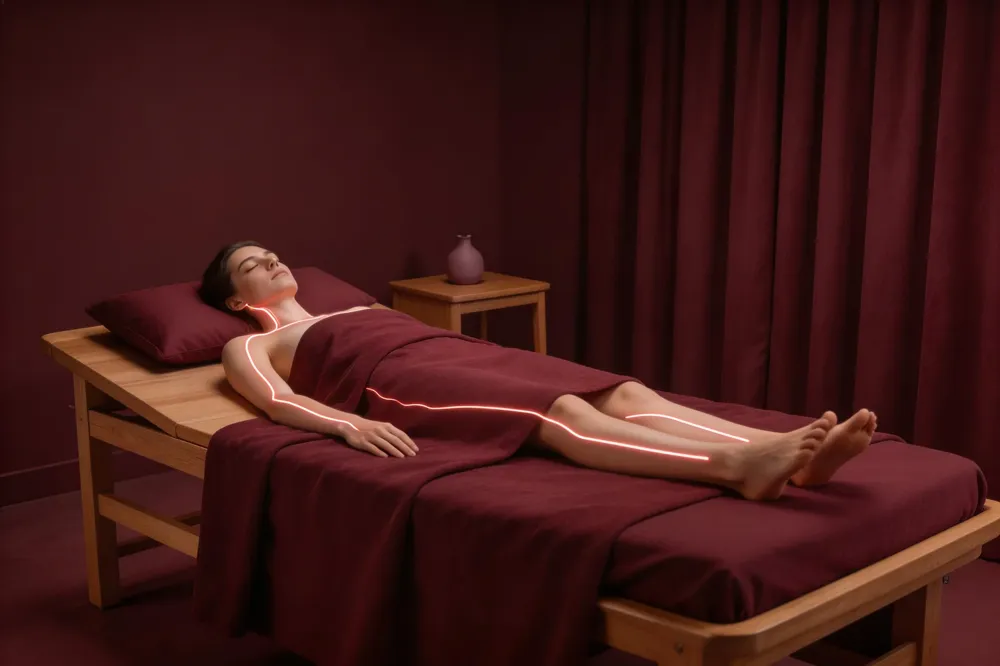
MLD involves light, rhythmic, and carefully sequenced strokes that follow the natural pathways of lymph flow towards lymph nodes. This technique enhances the transport of lymph fluid, helping to clear postoperative swelling and reduce fluid retention in treated areas. Manual lymphatic drainage after liposuction is widely recognized for its benefits in post-surgical healing.
How MLD reduces swelling, bruising, and fibrosis post-surgery
Post-liposuction, lymphatic vessels may be disrupted causing fluid buildup, swelling (edema), bruising, and the risk of fibrosis (thickening and hardening of connective tissue). MLD accelerates the removal of this excess fluid, reduces inflammatory responses, and minimizes scar tissue formation, which helps soften the skin and improves overall texture. This reducing swelling with lymphatic massage is essential in post-liposuction care.
Scientific evidence supporting MLD’s efficacy in increasing lymph flow
Clinical studies confirm that MLD significantly increases lymphatic flow in individuals, optimizing fluid drainage and promoting healing. It is widely used in managing lymphedema and has been shown to be effective in the post-liposuction recovery process by reducing swelling and discomfort, as detailed in scientific literature on Liposuction and lymphatic vessel damage.
Timing to start MLD sessions and typical treatment plans
Surgeons generally recommend starting MLD within 24 to 48 hours after liposuction, once the patient is cleared for therapy. Treatment often begins with daily sessions during the first week and transitions to less frequent sessions as swelling reduces. A typical course involves 4 to 6 sessions, each lasting about 30 to 60 minutes, often performed by trained physiotherapists or massage therapists. Guidance on Lymphatic massage timing after liposuction supports timing decisions.
Potential benefits including pain relief and improved skin texture
Beyond reducing swelling and bruising, MLD alleviates pain and tissue sensitivity, enhancing patient comfort. Its effects contribute to smoother skin contours and improved texture by preventing fibrosis and supporting even tissue healing. Patients often report feeling lighter and more mobile after therapy sessions. The Benefits of lymphatic drainage massage include improved circulation, scar tissue reduction, and immune support.
MLD is considered safe and non-painful, making it an invaluable part of the recovery plan for women undergoing cosmetic or reconstructive liposuction for lymphoedema procedures, supporting optimal healing and wellness.
Comprehensive Post-Operative Care in Women’s Wellness Boutiques
How does post-operative care at a women’s wellness boutique help in reducing inflammation and promoting healing?
Post-operative care at women’s wellness boutiques is designed to support healing through a blend of therapies tailored to women’s health, focusing on Lymphatic Drainage After Liposuction.
Manual lymphatic drainage (MLD) is a cornerstone therapy that gently stimulates lymph flow, easing swelling and promoting removal of excess fluid and toxins. This is paired with compression garments for liposuction recovery, carefully fitted to maintain tissue support and prevent fluid buildup, while avoiding excessive pressure that might impede lymphatic function.
Guided, monitored movement encourages circulation without overexertion, enhancing lymph drainage and reducing inflammation. To complement physical therapies, anti-inflammatory diets rich in fruits, vegetables, and lean proteins are recommended to nourish tissues and reduce systemic inflammation.
Advanced devices such as the FDA-cleared Ballancer Pro compression therapy device provide targeted compression therapy through specialized suits, boosting lymphatic stimulation, detoxification, and circulation. This technology aids in quicker resolution of swelling and supports immune function during recovery.
Structured recovery protocols are customized to each woman, addressing individual healing rates and potential complications, such as fibrosis or persistent swelling. This personalized care ensures safe progression through post-operative stages with optimal outcomes.
Together, these integrated approaches create a supportive healing environment that minimizes discomfort, accelerates tissue repair, and improves overall skin health, embodying a holistic model in women’s wellness post-liposuction care.
Specialized Treatments Complementing Lymphatic Care: Wood Therapy and Cellulite Treatments

How Wood Therapy Stimulates Lymphatic Flow and Improves Circulation
Wood therapy uses wooden tools to apply targeted rhythmic pressure and massage to the skin. This gentle stimulation encourages the movement of lymphatic fluid, helping clear toxins and reduce post-surgical swelling. Improved blood circulation from wood therapy fosters oxygen and nutrient delivery to healing tissues.
Benefits of Cellulite Treatments in Post-Surgical Recovery
Cellulite treatments focus on breaking down fibrous tissue and fat deposits beneath the skin. When incorporated in post-surgical wellness programs, these treatments aid in reducing lumps and bumps often caused by localized fluid retention or scar tissue, contributing to a smoother skin surface.
Enhancement of Skin Tone, Collagen Production, and Reduction of Fibrous Tissue
Both wood therapy and cellulite treatments promote collagen synthesis, which improves skin firmness and elasticity. By stimulating fibroblast activity, these therapies support better skin tone and texture. Reducing fibrous tissue through these methods further prevents the formation of hardened areas, aiding in a more refined body contour.
Relaxation and Muscle Tension Relief Effects Aiding Recovery
Beyond physical benefits, these therapies help relieve muscle tension and relax soft tissues, which can alleviate discomfort and improve mobility during recovery. The soothing nature of wood therapy and cellulite treatments also contributes to stress reduction, supporting overall post-operative wellness.
Contribution of These Treatments to Achieving Smoother, More Refined Body Contours
Combined with lymphatic care and compression therapies, wood therapy and cellulite treatment enhance lymph flow and tissue remodeling. This synergy helps reduce residual swelling, improves skin pliability, and refines the surgical results, leading to a smoother and more contoured silhouette with minimal downtime.
| Treatment | Primary Mechanism | Key Benefits |
|---|---|---|
| Wood Therapy | Rhythmic pressure massage | Stimulates lymph flow, boosts collagen, relieves muscle tension |
| Cellulite Treatments | Fibrous tissue and fat break down | Improves skin texture, reduces lumps, enhances skin tone |
| Combined Effects | Supports lymphatic drainage | Speeds recovery, smooths contours, reduces fibrosis |
The Expertise and Personalized Attention of an Operating Room Nurse in Lymphatic and Post-Surgical Care
What is the role of an operating room nurse’s expertise in providing specialized wellness services?
An operating room (OR) nurse brings critical expertise that directly influences the success of lymphatic injury after liposuction and post-surgical care. Their deep understanding of surgical anatomy and tissue healing allows them to precisely assess individual patient needs and customize lymphatic therapy protocols accordingly.
By knowing the intricate details of how lymphatic vessels and tissues respond to procedures like liposuction and lymphatic vessel damage, OR nurses tailor treatments that promote optimal recovery while minimizing risks such as lymphatic injury after liposuction or prolonged swelling. This personalized approach helps prevent complications like fibrosis or lymphedema as a complication of liposuction that could otherwise compromise healing and aesthetic outcomes.
Moreover, OR nurses integrate clinical expertise with compassionate care, supporting patients emotionally and physically during recovery. Their attentive monitoring and education enhance patient comfort, encourage proper use of compression garments for liposuction recovery, and guide appropriate activity levels.
Ultimately, the specialized knowledge and personalized attention given by OR nurses accelerate healing, reduce discomfort and swelling, and contribute to better wellness outcomes. This combination of scientific precision and empathy is essential for achieving long-term success in post-surgical lymphatic care and overall patient satisfaction.
The Importance of Personalized Post-Surgical Lymphatic Care for Optimal Recovery

How does personalized attention enhance the effectiveness of post-surgical and lymphatic care?
Personalized attention tailors lymphatic and post-surgical treatments to an individual’s unique physiology, healing response, and recovery objectives. This custom approach ensures therapies such as manual lymphatic drainage (MLD) and compression garments for lymphatic support are optimally suited to promote efficient lymph fluid removal, reduce swelling, and minimize fibrosis.
Customization of lymphatic drainage and compression treatments
Individualized MLD techniques, administered by certified therapists, and precisely fitted compression garments for lymphatic support support targeted edema reduction and encourage proper tissue healing. Adjusting pressure levels and therapy frequency helps address each patient’s healing stage and lymphatic function.
Incorporation of lifestyle measures such as hydration and gentle movement
Alongside professional care, patients benefit from hydration, light exercises, and breathing techniques that stimulate lymph flow and circulation. These practices complement clinical treatments and promote systemic lymphatic health.
Monitoring healing progress and adjusting therapies accordingly
Regular assessment of swelling, skin texture, and comfort guides necessary modifications in treatment plans. This proactive monitoring enables prevention of complications like prolonged swelling or skin fibrosis.
Benefits of personalized approaches in minimizing fibrosis and swelling
By specifically addressing the patient’s recovery needs, personalized care accelerates healing, reduces the risk of uncomfortable fibrosis, and leads to smoother, more natural contour results.
Enhancing patient confidence, comfort, and long-term wellness
Such detailed, attentive care improves patient comfort during recovery, supports emotional well-being by improving outcomes, and fosters lasting lymphatic health, empowering patients throughout their post-surgical journey.
Prioritizing Lymphatic Health for Successful Liposuction Outcomes
The critical role of lymphatic system preservation post-liposuction
Liposuction involves delicate manipulation of tissues that can impact the lymphatic vessels, essential for fluid balance and immune defense. Protecting these vessels during surgery is vital to prevent complications like swelling, fibrosis, or prolonged healing. Choosing surgeons skilled in lymph-sparing techniques minimizes risk and promotes better lymphatic function.
Benefits of early and ongoing lymphatic therapy
Postoperative lymphatic therapies, such as Manual Lymphatic Drainage (MLD), stimulate lymph flow to reduce swelling, bruising, and discomfort. Initiating MLD within days after surgery accelerates healing, softens tissues, improves skin texture, and prevents fibrosis. Combining MLD with compression therapy enhances lymphatic drainage and supports optimal recovery.
Integrating specialized wellness services for holistic recovery
Healing after liposuction benefits from professional lymphatic massage performed by certified therapists, along with supportive measures like compression garments and gentle movement. Advanced tools such as the FDA-approved Ballancer Pro can supplement manual therapy by promoting detoxification and lymph flow.
Encouragement to seek skilled surgeons and qualified therapists
Women undergoing liposuction should prioritize care from experienced surgeons and lymphatic therapists trained in specialized techniques. This personalized approach reduces lymphatic injury risk and maximizes aesthetic and health outcomes.
Empowerment of women to optimize healing and wellness through personalized care
Understanding the interconnectedness of surgery, lymphatic health, and recovery empowers women to advocate for comprehensive care. Early intervention, expert guidance, and individualized wellness plans pave the way for smoother healing and long-lasting satisfaction after liposuction.