Understanding Pain, Inflammation, and Mobility in Recovery
April 5, 2026
Body Sculpting Massage: What Can It Really Do for You?
April 6, 2026

Introduction
Recovering from surgery is a multi‑phase journey that blends tissue healing, mobility restoration, and emotional adjustment. Within the first few days, the body focuses on reducing inflammation, re‑establishing circulation, and preventing complications such as blood clots or infection. As swelling subsides, gentle range‑of‑motion exercises, lymphatic drainage massage, and balanced nutrition support tissue repair and muscle strength. Equally vital is emotional wellness: mindfulness, supportive social connections, and realistic goal‑setting lower cortisol, improve pain perception, and boost immune function. An integrated plan that couples physical therapies with mental‑health strategies empowers women to recover faster, safer, and with greater confidence.
Integrating Physical Therapies for Faster Healing
Post‑surgical recovery benefits most when physical therapies, nutrition, and emotional support are woven into a personalized plan.
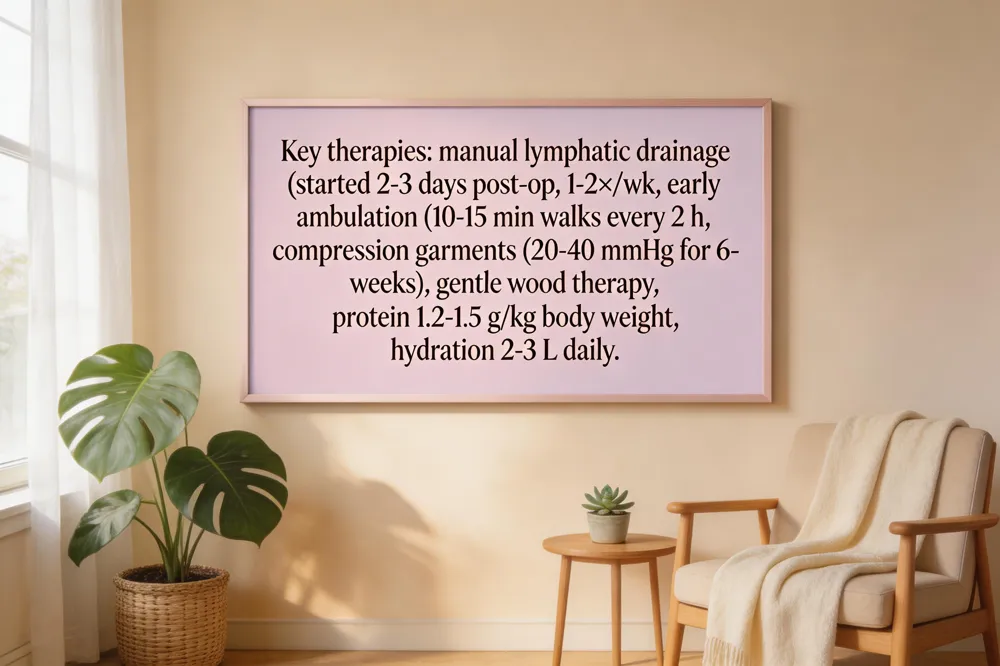
Manual lymphatic drainage massage – Often started 2–3 days after liposuction or about a week after abdominoplasty, gentle rhythmic strokes by a certified therapist move excess fluid, reduce swelling and pain, and accelerate tissue repair while preventing fibrosis or seroma formation. Regular sessions (once or twice weekly) amplify the benefits of compression garments, creating a smoother, faster healing trajectory.
Early ambulation and range‑of‑motion exercises – Short, low‑intensity walks (10‑15 minutes every 2 hours) and gentle ankle‑pump or shoulder‑roll movements improve circulation, lower deep‑vein thrombosis risk, and maintain joint flexibility without stressing incisions.
Compression garments and graduated pressure – Wearing medically‑grade compression (20‑40 mmHg) for the first 6–8 weeks supports tissue approximation, limits fluid re‑accumulation, and can cut postoperative swelling by up to 30 %.
Gentle wood therapy and body‑contouring – Light wood‑therapy techniques stimulate micro‑circulation and promote lymphatic flow, enhancing contouring results after cosmetic procedures while providing a soothing, non‑invasive adjunct to traditional PT.
Nutrition and hydration for tissue repair – Aim for 1.2‑1.5 g protein per kilogram body weight daily, paired with vitamin C‑rich foods, zinc, and omega‑3s to fuel collagen synthesis. Hydrate with 2‑3 L water each day to maintain plasma volume, support lymphatic transport, and flush metabolic waste.
FAQ Highlights
- Post surgery lymphatic massage: Begins once incisions heal, using light rhythmic strokes to diminish edema and speed healing; sessions 1‑2×/week for the first weeks are most effective.
- Neck, shoulder, face, full‑body benefits: Each area experiences reduced swelling, pain, and scar formation through enhanced lymph flow and oxygen delivery, leading to smoother contours and quicker return to activity.
- Is lymphatic drainage massage good after surgery? Yes— it improves comfort, reduces swelling, and promotes faster tissue regeneration.
- How to speed up healing: Follow surgeon orders, eat a protein‑rich diet, stay hydrated, incorporate gentle movement, and consider professional lymphatic massage and compression therapy.
- Finding a therapist: Pink & Fancy in San Jose, CA offers certified post‑surgical lymphatic drainage and wood‑therapy for women, with appointments available online or by phone.
Combining these evidence‑based therapies creates a compassionate, comprehensive recovery plan that supports both physical healing and emotional well‑being.
Emotional Wellness Strategies to Reduce Post‑Op Stress
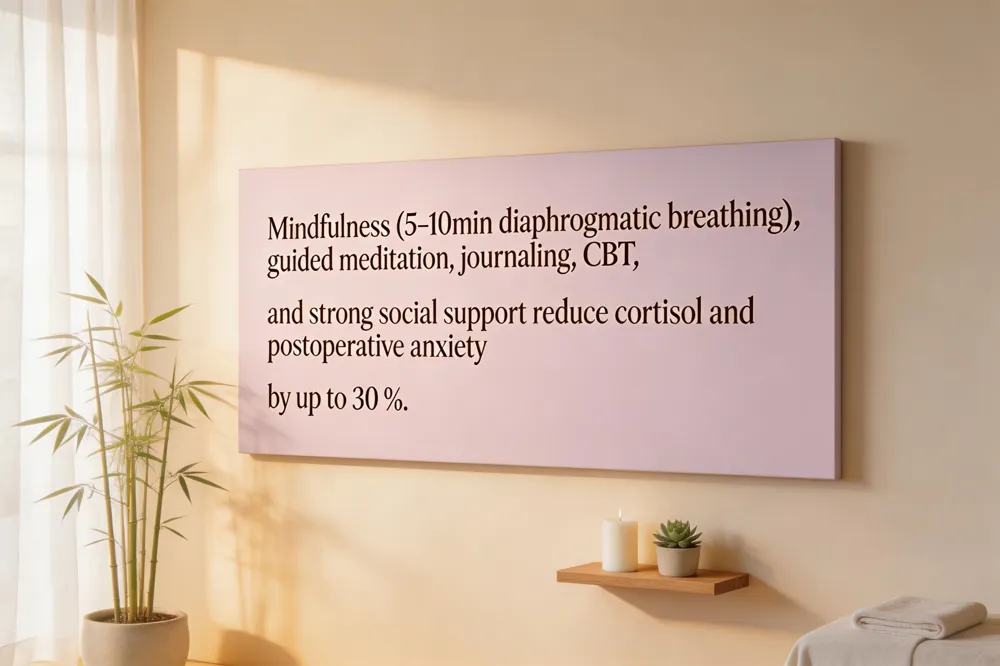
Recovery after surgery is as much a mental journey as a physical one. Mindfulness and deep‑breathing techniques, such as diaphragmatic breathing for 5‑10 minutes, activate the parasympathetic nervous system, lower cortisol, and improve pain tolerance (Crossroads Health). Guided meditation and imagery, available via apps or therapist‑led sessions, further calm the nervous system and have been shown to reduce postoperative anxiety by up to 30 % (Mental Health Support for Surgery Patients). Journaling or expressive writing lets patients process feelings, track symptoms, and identify early signs of depression, a practice linked to lower postoperative depression scores (Treating Depression After Surgery). Social support networks—family, friends, peer groups, or online communities—provide reassurance, reduce isolation, and correlate with faster functional recovery (Killen et al., 2020). When distress persists, professional counseling, especially cognitive‑behavioral therapy (CBT), effectively mitigates post‑surgical depression and anxiety (Cognitive‑Behavioral Therapy for Post‑Surgical Patients).
Emotional trauma after surgery – Normal but untreated stress can prolong pain and swelling. Compassionate reassurance, rest, and soothing therapies like manual lymphatic drainage (offered by Pink & Fancy) lower cortisol and promote calm, creating a holistic recovery environment.
Post‑surgery depression and anxiety – Common, especially in women with high pain or limited support. Early screening, realistic expectations, and gentle lymphatic massage improve circulation and mood, while CBT and peer support sustain resilience.
Post‑surgery anxiety – Manifests as racing thoughts and sleep disruption. Gentle lymphatic drainage combined with guided breathing reduces nervous‑system arousal, easing anxiety and supporting tissue repair.
Emotions after top surgery – Initial relief may be followed by a “post‑operative blues” phase due to pain, limited mobility, and body‑image adjustment. Strong support, therapist contact, and self‑care smooth this roller‑coaster; most patients feel more at peace by one month.
What helps with post‑surgery recovery? – A protein‑rich, vitamin‑C‑dense diet, proper hydration, surgeon‑directed activity restrictions, short walks, lymphatic drainage, and adequate rest together accelerate wound healing and reduce swelling. Regular check‑ins with the care team ensure complications are caught early, and emotional support techniques keep morale high throughout the healing process.
Nutrition, Hydration, and Supplementation for Tissue Repair
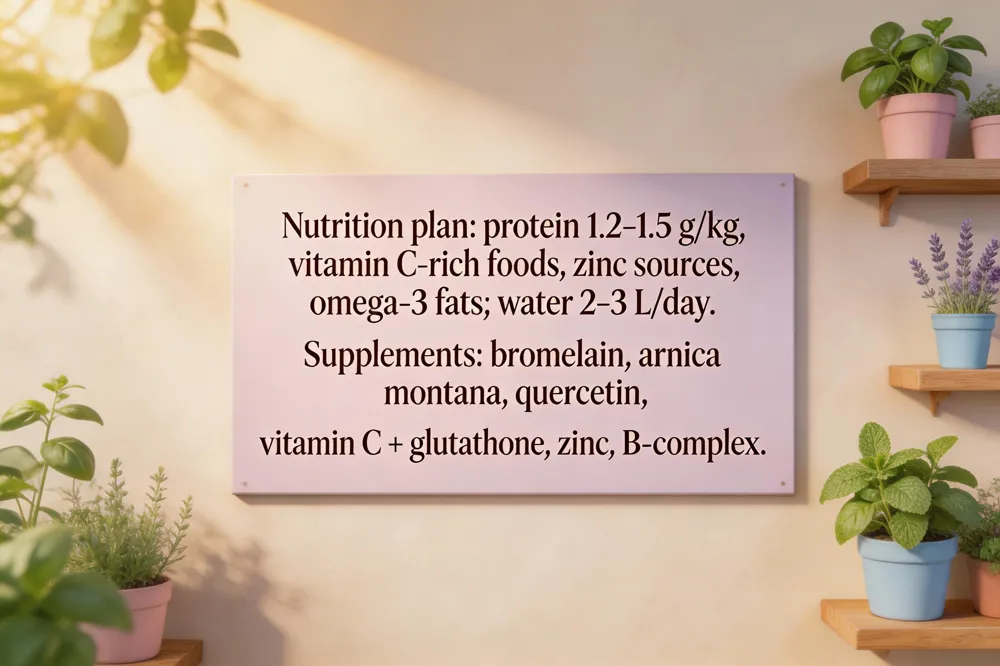
A robust post‑operative nutrition plan fuels the body’s natural healing engines. Protein intake of 1.2–1.5 g per kilogram of body weight each day supplies the amino acids needed for collagen synthesis and muscle rebuilding, a cornerstone of wound strength (Maccio Physical Therapy; Crossroads Health. Pair protein with vitamin C‑rich foods (citrus, berries) and zinc‑dense sources (pumpkin seeds, lean meat) to boost antioxidant defenses and accelerate tissue repair (UnityPoint Health; Pink & Fancy. Omega‑3 fatty acids from salmon, walnuts, or chia seeds add anti‑inflammatory power, reducing swelling and supporting immune function (ACS; Heal Quicker After Surgery). Hydration is equally critical—aim for 2–3 L of water daily to maintain plasma volume, enhance lymphatic flow, and flush metabolic waste (VNS Health; Aurora Health Care).
Supplements to heal faster after surgery – A targeted supplement regimen can further blunt bruising, edema, and pain. Bromelain, arnica montana, and quercetin act as natural anti‑inflammatories; vitamin C combined with glutathione and L‑cysteine drives collagen production; zinc and a B‑complex provide immune support and cellular energy. Begin bromelain and arnica a few days before the operation and continue for up to two weeks afterward, but always confirm with your surgeon, especially regarding vitamin E, which may affect clotting.
How to heal surgery wounds faster naturally – Follow surgeon instructions, keep incisions moist and protected, and promote circulation with gentle walking or manual lymphatic drainage massage. Prioritize protein, vitamin C, zinc, magnesium, and vitamin A from lean meats, eggs, leafy greens, and nuts. Stay well‑hydrated, obtain 7–9 hours of restorative sleep, avoid smoking and excess alcohol, and manage stress through mindfulness or deep‑breathing to keep cortisol low and immune response strong.
Why can’t you eat eggs after surgery? – Eggs are actually beneficial. Their high‑quality protein supplies essential amino acids for tissue regeneration, and they contain vitamins D, B12, and selenium that support healing. The myth that eggs cause infection is unfounded; when cooked properly, they are a safe, nutrient‑dense component of a post‑operative diet.
Practical Logistics and Support Systems
Post surgery recovery meaning – Recovery is the period after an operation when the body heals, inflammation subsides, and normal function returns. Vital signs, wound status, and any drains are monitored while pain‑ managed, gentle movement is encouraged, and lymphatic drainage (manual massage or compression garments) reduces edema and speeds tissue repair, especially after cosmetic or reconstructive procedures.
What if I don’t have anyone to stay with me after surgery? – Discuss concerns early with your surgeon or Pink & Fancy staff. They can refer you to a social‑worker or discharge navigator who arranges short‑term home‑health aides, in‑home nursing, or community‑based respite services. Neighbors, faith‑group volunteers, or paid caregiver agencies are also options. Daily phone/video check‑ins and online recovery groups help combat isolation.
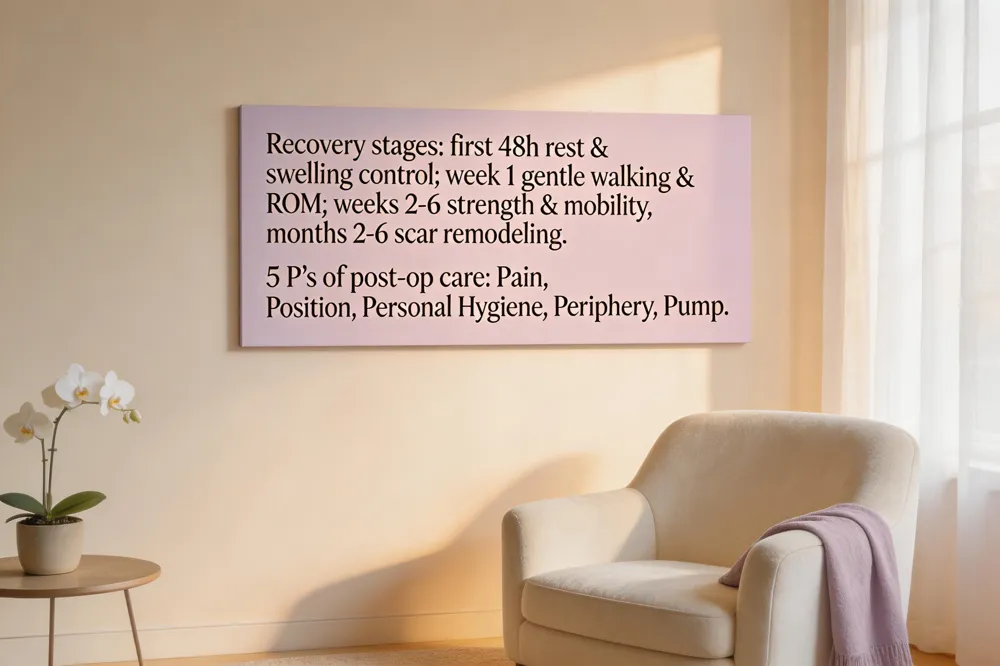
Stages of recovery after surgery – The first 48 hrs focus on rest, swelling control (elevation, ice, compression) and pain relief. Week 1 introduces gentle walking, light range‑of‑motion exercises, and incision care. Weeks 2‑6 emphasize strength‑building, progressive mobility, and continued lymphatic support. Months 2‑6 involve scar remodeling, full functional return, and long‑term wellness.
What are the 5 P’s of post‑op care? – Pain (medication, mindfulness, lymphatic massage), Position (elevated, supported posture), Personal Hygiene (gentle incision cleaning), Periphery (monitor extremities, light ROM, balance training), Pump (compression garments, lymphatic pumps) together create a comprehensive, personalized recovery plan.
Tailored Post‑Operative Care at Pink & Fancy
Boutique’s Mission and Expertise
Pink & Fancy, founded by an OR‑nurse with over 25 years of clinical experience, is dedicated to empowering women’s post‑surgical wellness. The team combines evidence‑based lymphatic therapy with a nurturing environment, emphasizing personalized care and education.
Personalized Lymphatic Drainage Protocols
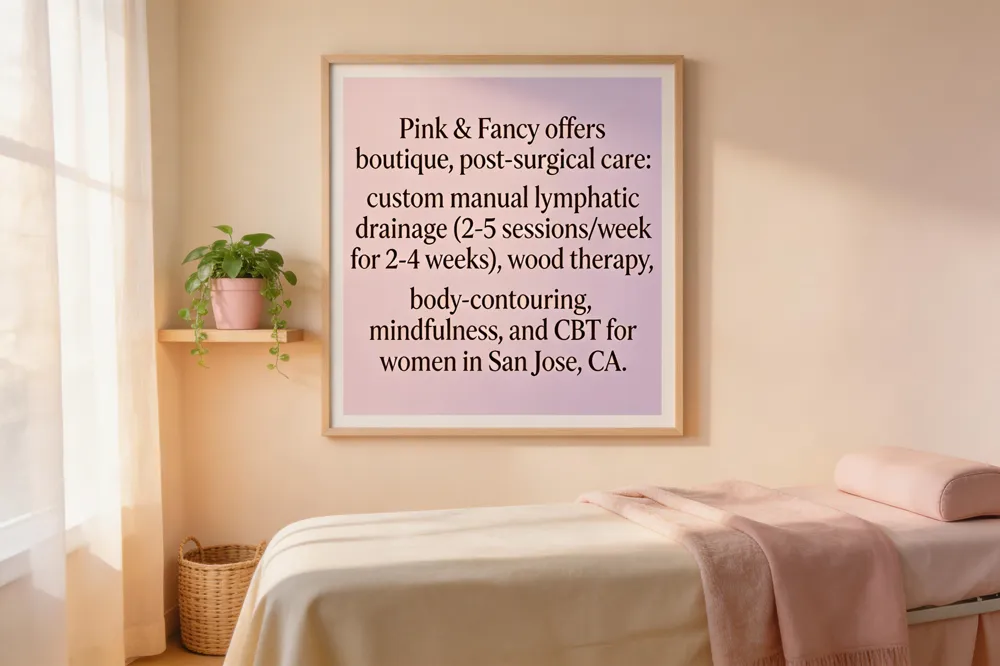
Each client receives a customized manual lymphatic drainage (MLD) plan that begins 24‑48 hours after surgery and continues 2‑5 sessions per week for the first 2‑4 weeks. Light, rhythmic strokes stimulate fluid movement, reducing edema by up to 40 % and accelerating tissue repair.
Complementary Services: Wood Therapy, Body‑Contouring, Cellulite Treatment
In addition to MLD, Pink & Fancy offers wood‑therapy, targeted body‑contouring, and cellulite treatments that enhance circulation, improve scar pliability, and support aesthetic outcomes.
Holistic Integration of Physical and Emotional Support
The boutique blends physical modalities with mindfulness, guided breathing, and supportive counseling, lowering cortisol and fostering a positive healing mindset.
Post surgical lymphatic massage near me
Pink & Fancy in San Jose, CA specializes in post‑surgical lymphatic drainage massage, helping women recover faster from cosmetic and reconstructive procedures. Their OR‑nurse founder brings over 25 years of medical experience and advanced training in lymphedema and lymphatic therapy, ensuring a clinical yet compassionate approach. Sessions are tailored to reduce swelling, inflammation, and promote tissue health. If you’re outside the Bay Area, a quick Google search for “post‑surgical lymphatic massage near me” will list certified therapists, but Pink & Fancy remains the premier local option. Call or text the boutique to schedule a consultation and start your healing journey.
Post surgery massage near me
If you’re searching for a post‑surgery massage nearby, Pink & Fancy in San Jose, CA specializes in therapeutic lymphatic drainage and post‑operative care for women recovering from cosmetic or reconstructive procedures. Their OR‑nurse‑founded team combines 25 years of clinical experience with personalized, compassionate treatment to reduce swelling, speed healing, and improve circulation. Services include targeted massage therapy, body‑contouring, wood‑therapy, and cellulite treatments, all designed to support your recovery journey. Appointments can be booked directly through their website or by calling the boutique during regular business hours. Choose Pink & Fancy for a trusted, local option that blends medical expertise with a wellness‑focused environment.
Conclusion
Physical and emotional support work to speed healing. Gentle movement, manual lymphatic drainage, balanced nutrition, hydration, and sleep protect tissue, reduce swelling, and prevent complications. Mindfulness, guided breathing, journaling, and strong social connections lower cortisol, improve pain tolerance, and keep motivation high. Together, these strategies shorten hospital stays, lessen opioid reliance, and enhance well‑being.
Next steps: follow activity limits, begin walking and exercises as advised, schedule lymphatic massage and garment use, prioritize protein‑rich meals and 2–3 L of water, practice mindfulness or deep‑breathing, and keep a recovery journal to track pain, swelling, and sleep. Reach out to your care team for concerns.