Fibrosis Therapy: Can It Improve Your Post-Surgical Results?
April 5, 2026
6 Emotional and Physical Support Techniques Essential for Post-Surgical Recovery
April 6, 2026

Why Understanding Pain, Inflammation, and Mobility Matters
After surgery, pain, swelling, and movement are tightly linked: pain signals tissue trauma, inflammation drives swelling, and both can limit mobility. When movement is restricted, lymphatic flow slows, edema builds, and recovery stalls, whereas gentle, graded activity stimulates lymph drainage, reduces inflammatory mediators, and promotes tissue oxygenation. Evidence‑based therapies—such as low‑impact range‑of‑motion exercises, moderate‑intensity aerobic walking, and targeted strengthening—have been shown to lower pain scores, prevent scar‑tissue contracture, and shorten the risk of complications like deep‑vein thrombosis. Complementary modalities, including manual lymphatic drainage massage, wood therapy, and personalized relaxation techniques, further accelerate fluid clearance, modulate cytokine activity, and support immune function. Pink & Fancy integrates these science‑backed approaches into a women‑focused wellness program that balances medication management, gentle mobility, anti‑inflammatory nutrition, and individualized manual therapies, ensuring each client receives compassionate, comprehensive care for faster, smoother post‑operative healing.
Understanding Post‑Surgical Pain: Causes and Classifications
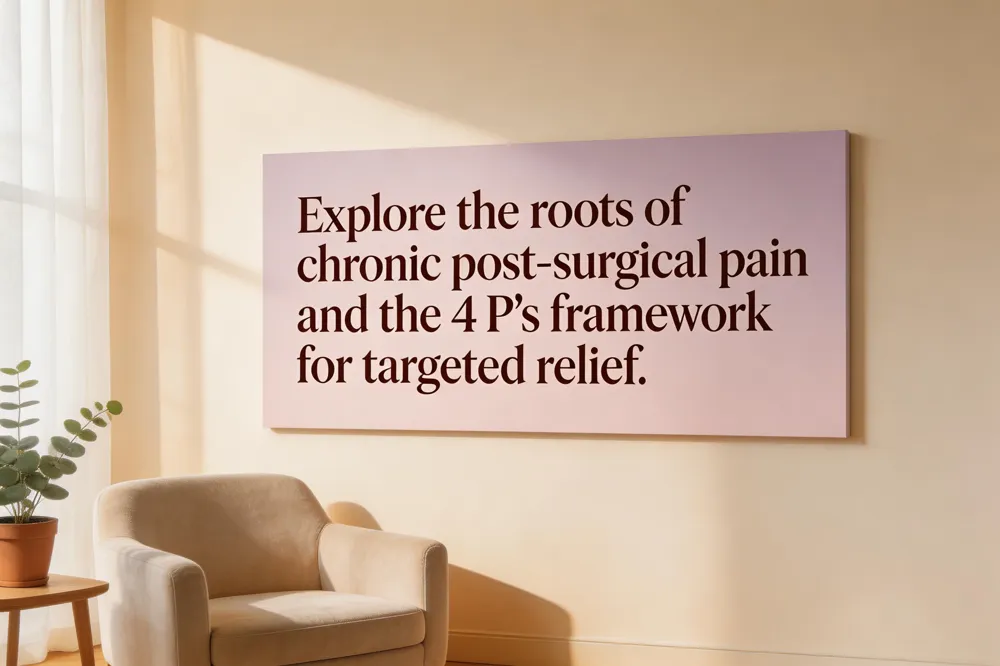
Pain that persists three months after surgery is chronic post‑surgical pain (CPSP). It comes from ongoing inflammation, nerve irritation, and scar‑tissue adhesions that tether structures. Inadequate early pain control, pre‑existing pain disorders, and anxiety can worsen it.
Movement‑evoked pain (MEP), also called dynamic pain, describes discomfort that appears only during movement and reflects nociceptive activation when joint or muscle tissue is stressed.
The 4 P’s framework—Prevention, Precision, Personalization, Participation—guides pain management: prevent pain before it starts, diagnose precisely, tailor interventions, and keep patients actively engaged.
Strong relief is best with a multimodal plan: scheduled acetaminophen, an NSAID, a brief opioid or nerve block for breakthrough pain, and, if needed, a gabapentinoid. Add gentle lymphatic drainage, cryotherapy, and light wood‑therapy to reduce swelling and support healing.
Dilaudid (hydromorphone) is for severe breakthrough pain only, used short‑term at the lowest effective dose, with close monitoring for drowsiness, constipation, nausea, and respiratory depression. Avoid extended‑release forms and discontinue if side effects or uncontrolled pain persist.
Medication Strategies and Safety Post‑Surgery

Why no ibuprofen after surgery? Ibuprofen can impair platelet function and increase bleeding risk, irritate the stomach, and may worsen early inflammation, so surgeons often hold it until the wound is stable and recommend acetaminophen for pain.
How do you deal with pain after surgery? Use a multimodal plan: scheduled acetaminophen, NSAIDs if cleared, local cold/heat, gentle lymphatic drainage massage, deep‑breathing, mindfulness, and short low‑impact walks. Adjust activity based on pain signals and clinician guidance.
Medicine to reduce inflammation in the body? NSAIDs (ibuprofen, naproxen, celecoxib) block prostaglandins; short‑course low‑dose corticosteroids may be added under supervision.
Supplements to reduce inflammation? Evidence‑based options include omega‑3 fish oil, curcumin, bromelain, vitamin D, magnesium, vitamin C, zinc, and selenium.
What can I drink to reduce inflammation? Hydrate with water, add lemon‑ginger, sip green tea, turmeric‑golden milk, tart‑cherry or pomegranate juice, and bone broth or protein smoothies.
Post‑operative pain management after abdominal surgery? Combine scheduled acetaminophen, NSAIDs (if appropriate), intra‑operative nerve blocks or epidural analgesia, gabapentinoids for neuropathic pain, and patient‑controlled rescue opioids. Early ambulation, breathing exercises, and lymphatic drainage support swelling control and faster recovery.
Lymphatic Drainage: Techniques, Benefits, and Practical Guides
Lymphatic drainage face massage
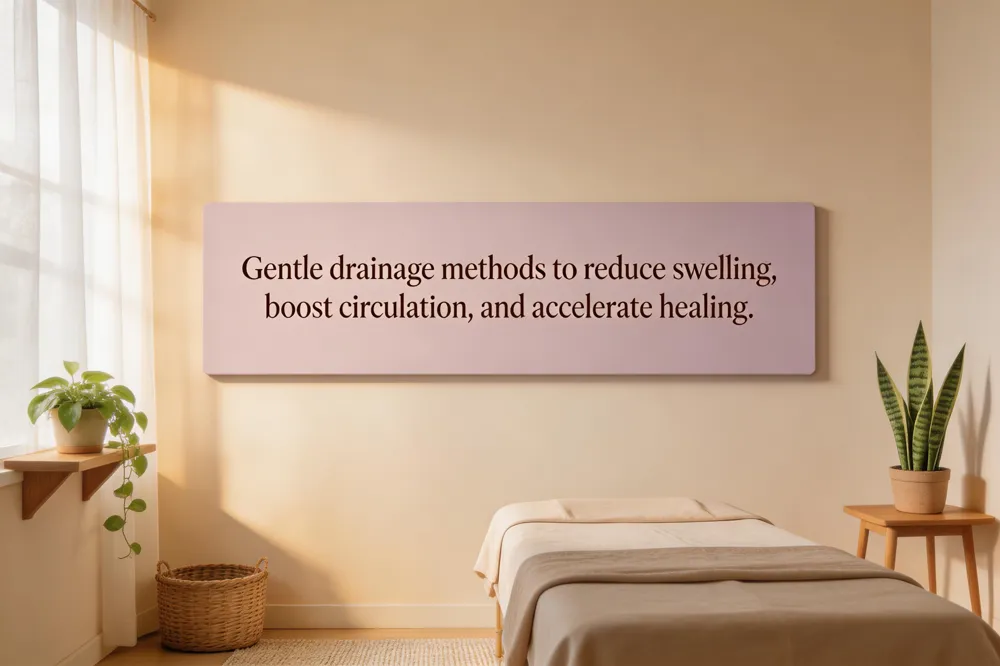
A gentle, rhythmic facial massage follows superficial lymph pathways on the face, neck, and jawline. Using flat palms or fingers with light skin‑stretching pressure, strokes move toward healthy nodes near the collarbone and under‑arm, after deep breathing. Regular sessions reduce post‑operative puffiness, improve circulation, and leave the skin brighter—especially helpful for women recovering from cosmetic surgery.
Lymphatic drainage benefits
The therapy moves excess fluid out of tissues, decreasing swelling, bruising, and inflammation. It enhances oxygen delivery, supports immune detoxification, and can smooth cellulite, promoting faster healing and overall comfort.
Lymphatic drainage points
Key drainage hubs include the clavicular region above the collarbones, sub‑clavicular under‑arm areas, cervical chains along the neck, popliteal fossa behind the knee, and inguinal groin nodes. Targeting these points encourages fluid return to the heart.
Lymphatic drainage machine
Pneumatic compression devices provide cyclic, gentle pressure that mimics manual massage, stimulating lymph flow and reducing postoperative edema when used under professional guidance.
Lymphatic drainage self‑massage
Begin with deep breaths, then use flat hands to make slow, circular strokes from fingertips or toes toward the nearest node (collarbone, under‑arm, groin). Perform 5‑10 minutes twice daily, avoiding pain or infection.
Lymphatic drainage exercises
Combine diaphragmatic breathing with shoulder‑blade squeezes and gentle “pump” strokes toward major nodes. Repeat twice daily to enhance fluid movement and support healing.
Movement, Mobility, and Exercise in Recovery

Post‑operative recovery hinges on gentle, low‑impact movement that protects incisions while re‑establishing circulation.
What are common post‑operative exercises?
Typical moves include ankle pumps and circles, quadriceps sets, straight‑leg raises, heel slides, supported knee bends, hip abductions and glute squeezes. Performed in bed, seated or standing for 5‑10 seconds repetitions throughout the day, they reduce swelling, prevent clots, and restore range of motion without over‑loading tissue.
Exercise for chronic pain
Low‑impact aerobic activity—walking, swimming, cycling—boosts blood flow and releases endorphins. Gentle yoga, Pilates or tai‑chi add flexibility, core stability, and mindful breathing that lower inflammation. Light resistance using body‑weight moves, bands or light weights builds supportive muscle; daily dynamic‑static stretching and balance drills maintain motion and prevent compensatory strain.
How can I improve my mobility after surgery?
Begin with deep breathing and gentle ROM stretches, then progress to short walks, water‑based work, or stationary‑bike sessions. Incorporate professional lymphatic drainage massage to decrease fluid buildup, and add targeted strengthening and balance drills under therapist guidance. Follow a phased rehab plan that gradually increases intensity while monitoring pain.
Post‑surgery ROM exercises to regain movement
Passive and active ROM, stretching, and early strengthening prevent scar tissue, preserve flexibility, and avert muscle atrophy.
How to reduce inflammation in the body fast
Apply ice 10‑20 minutes several times daily, stay hydrated, and eat an anti‑inflammatory diet rich in berries, leafy greens, fatty fish, nuts, whole grains, and vitamin‑C foods. Gentle movement and lymphatic drainage massage accelerate fluid clearance; short‑term NSAIDs may be used under medical guidance.
Inflammation Management: Nutrition, Lifestyle, and Therapies

How long does it take to reduce inflammation in the body? Mild inflammation from a minor strain usually eases within 48‑72 hours; post‑surgical swelling often diminishes over the first 1‑2 weeks with proper care. Lymphatic drainage massage, gentle movement, and anti‑inflammatory nutrition can accelerate clearance, and most patients notice reduced redness, warmth, and swelling by the end of week two.
How to reduce inflammation in the body fast? Apply ice 10‑20 minutes several times daily, stay well‑hydrated, and eat berries, leafy greens, fatty fish, nuts, and whole‑grain carbs while limiting sugars, refined grains, and alcohol. Boost protein and vitamin‑C intake, incorporate a brief professional lymphatic drainage massage, and, if approved, use NSAIDs for short‑term relief.
How to reduce inflammation in the body overnight? Prioritize restorative sleep in a cool, dark room, enjoy a low‑sugar antioxidant‑rich dinner (e.g., salmon with roasted vegetables), sip water or herbal tea, and perform a gentle lymphatic massage before bed. Deep‑breathing or meditation lowers cortisol, further calming inflammation.
What can I drink to reduce inflammation? Water with lemon and ginger, green tea, turmeric‑golden milk, tart‑cherry or pomegranate juice, bone broth, and protein‑rich smoothies provide antioxidants, omega‑3s, and hydration that support recovery.
How to reduce gut inflammation quickly? Eliminate processed sugars, alcohol, and fried red meat; fill the plate with low‑FODMAP, anti‑inflammatory foods like leafy greens, berries, fatty fish, and ginger. Add probiotic‑rich yogurt or kefir, stay hydrated, and incorporate gentle movement or lymphatic massage. Stress‑reduction techniques and 7‑9 hours of sleep further protect the gut lining.
How to reduce chronic inflammation in the body? Adopt an anti‑inflammatory diet rich in colorful produce, whole grains, and omega‑3‑rich fish while avoiding processed meats, refined sugars, and trans fats. Engage in regular low‑impact exercise, prioritize 7‑9 hours of sleep, manage stress through meditation or deep breathing, stay hydrated, limit alcohol, and consider professional lymphatic drainage sessions to enhance detoxification and healing.
Integrating Physical Therapy and Specialized Treatments
Protective response theory explains that early motor changes after surgery aim to shield injured tissue; if they persist they become maladaptive. The integrated motor‑control treatment model asks four key questions—whether the response is protective, volitional or reflexive, if it causes suboptimal loading, and the patient’s activity tolerance—to guide individualized pathways. Recovery proceeds through pain‑reduction, mobility restoration, and strengthening phases, each supported by gentle range‑of‑motion work and progressive loading. Lymphatic drainage massage, especially when paired with wood‑therapy techniques, accelerates fluid clearance, reduces edema, and improves tissue oxygenation, promoting smoother transitions between phases. For bone surgery, multimodal pain control combines scheduled acetaminophen, NSAIDs (if cleared), cold therapy, early ROM or continuous‑passive motion, and adjuncts such as TENS or mindfulness to limit opioid use. Mental pain control employs guided imagery, progressive muscle relaxation, and cognitive‑behavioral reframing, while low‑impact aerobic activity, yoga, and light resistance training address chronic pain and inflammation. Together these strategies create a personalized, compassionate roadmap to faster, safer recovery.
Mind‑Body Approaches to Pain Control

Managing post‑surgical pain begins with a multimodal plan that blends medication, movement, and mind‑body techniques. Start with scheduled non‑opioid analgesics—acetaminophen and, if cleared, an NSAID such as ibuprofen—to curb chemical pain signals, and apply cold packs for 15–20 minutes several times daily to reduce swelling. Once inflammation eases, gentle heat, light lymphatic drainage massage, and low‑impact walks keep circulation flowing without stressing incisions.
Natural relief includes alternating heat and ice, topical arnica or menthol gels, and an anti‑inflammatory diet rich in turmeric, leafy greens, and omega‑3‑dense fish.
Mind‑body techniques such as Deep‑breathing, guided meditation, and progressive muscle relaxation shift the brain’s interpretation of pain, lowering perceived intensity.
Complementary therapies such as TENS units or acupuncture can further modulate nociceptive pathways, offering non‑pharmacologic pain control when coordinated with a therapist.
Integrating mindfulness with physical rehab means practicing body‑scan meditation before stretching, visualizing each movement as a healing wave, and keeping a pain diary to track progress. This compassionate, personalized approach empowers women to reduce pain, protect tissue, and restore mobility after cosmetic or reconstructive surgery.
Putting It All Together for a Healthier Recovery
A successful post‑surgical journey blends four pillars: medication, movement, nutrition, and lymphatic care. Short‑term analgesics such as NSAIDs and acetaminophen control pain and inflammation, while judicious opioid use—prescribed at the lowest effective dose—covers breakthrough discomfort. Gentle, low‑impact mobility exercises (heel slides, ankle pumps, short walks) restore circulation, prevent scar tissue, and stimulate the nociceptive withdrawal reflex in a protective way. An anti‑inflammatory diet rich in colorful fruits, leafy greens, whole grains, omega‑3 fatty acids, and adequate protein fuels tissue repair, balances the omega‑6/omega‑3 ratio, and reduces systemic cytokines that amplify pain. Manual lymphatic drainage massage, offered by Pink & Fancy, accelerates fluid clearance, eases edema, and supports immune function, especially when combined with deep‑breathing and hydration.
Pink & Fancy creates personalized wellness plans that assess whether motor responses are protective or maladaptive, match activity tolerance, and integrate wood therapy, contouring, and targeted stretching. Over time, this integrated approach lowers chronic inflammation, preserves joint mobility, and cuts reliance on opioids, giving women a smoother, more resilient recovery and lasting health benefits.