The Emotional Journey of Recovery After Cosmetic Procedures
April 14, 2026
Wood Therapy for Cellulite: Fact or Fad?
April 15, 2026

Why Specialized Post‑Surgical Care Matters
Recovery after cosmetic or reconstructive surgery is a delicate phase where inflammation, swelling, and pain can impede healing. Daily monitoring of vital signs, wound care, medication management, and gentle mobilization are essential to prevent complications such as infection or seroma. Personalized nursing support—whether through private‑duty home nurses or dedicated recovery specialists—provides hospital‑level vigilance, education, and rapid intervention, reducing readmission risk and accelerating tissue repair. Pink & Fancy, a women’s wellness boutique in San Jose, leverages over 25 years of operating‑room nursing experience and certified lymphatic‑therapy training to design individualized post‑operative plans. Their services combine lymphatic drainage massage, compression‑garment fitting, wood therapy, and compassionate education, ensuring each patient feels supported, informed, and empowered throughout the healing journey and enjoy a smoother, confident return to life.
Understanding Recovery and Lymphatic Care

Post‑surgery recovery meaning
Post‑surgical recovery is the period after an operation when the body repairs tissue, reduces inflammation, and gradually restores normal function. It starts in the recovery room with vital‑sign monitoring, pain control, and incision assessment, then continues at home with wound care, gentle movement, deep‑breathing exercises, and nutrient‑rich nutrition. The goal is a safe return to pre‑operative activity while preventing infection, seroma, or lymphedema. Personalized support—such as private‑duty nursing and education—helps women navigate this phase with confidence.
Lymphatic drainage post‑surgery
Lymphatic drainage massage is a gentle, rhythmic technique that stimulates the lymphatic system to move excess fluid away from surgical sites, decreasing swelling and bruising. When performed a few days after surgery (2‑3 days for liposuction, up to one week for abdominoplasty) by a trained therapist, it clears inflammatory by‑products and accelerates tissue healing. Combined with surgeon‑prescribed compression garments, the therapy controls edema, supports underlying tissues, and lowers pain and fibrosis risk. At Pink & Fancy, each session is tailored to the procedure and healing stage, ensuring safe pressure and targeted node work.
Lymphatic drainage massage
Lymphatic drainage massage uses light pressure and precise strokes to encourage lymph flow, reducing edema, inflammation, and the risk of lymphedema—especially valuable after cosmetic or reconstructive surgery. The treatment enhances circulation, speeds tissue repair, and boosts immune function, promoting overall detoxification and wellness. In a boutique setting, clinical expertise merges with a calming, personalized touch, delivering regular sessions that improve comfort, mobility, and skin appearance while supporting a smoother, faster recovery.
Accelerating Healing: Nutrition, Activity, and Professional Therapies

A well‑rounded recovery plan blends nutrition, safe movement, specialized therapies, and skilled home care.
Protein‑rich diet and supplements – Aim for 1.2–1.5 g protein per kilogram daily weight from lean meats, eggs, beans, Greek yogurt, and add vitamin C, zinc, iron, and omega‑3‑rich fish oil or algae oil to support collagen synthesis and curb inflammation. Collagen peptides (10‑20 g) and a modest dose of arnica‑bromelain can further reduce bruising. Discuss any new supplement with your surgeon.
Gentle movement and early mobilization – Within surgeon‑approved limits, start short walks, ankle pumps, and light stretching every 2‑3 hours. This promotes circulation, prevents clots, and aids lymphatic flow while keeping the incision protected. Elevate the surgical area when possible and avoid heavy lifting (>10 lb) for the first 4‑6 weeks.
Professional lymphatic and wood therapy – Manual lymphatic drainage (MLD) performed 2‑3 times per week beginning 2‑7 days post‑op reduces edema, pain, and scar tissue. Complementary wood‑therapy or body‑contouring sessions enhance lymphatic drainage and detoxification, aligning with ERAS principles.
Home‑nursing support – Private‑duty nurses provide vitals monitoring, wound care, medication management, and early mobilization guidance, reducing readmission risk. They can coordinate MLD, compression garment fitting, and educate the patient and family on self‑care, ensuring a safe, personalized recovery environment.
Stages of Recovery and What to Expect
Stages of Recovery After Surgery
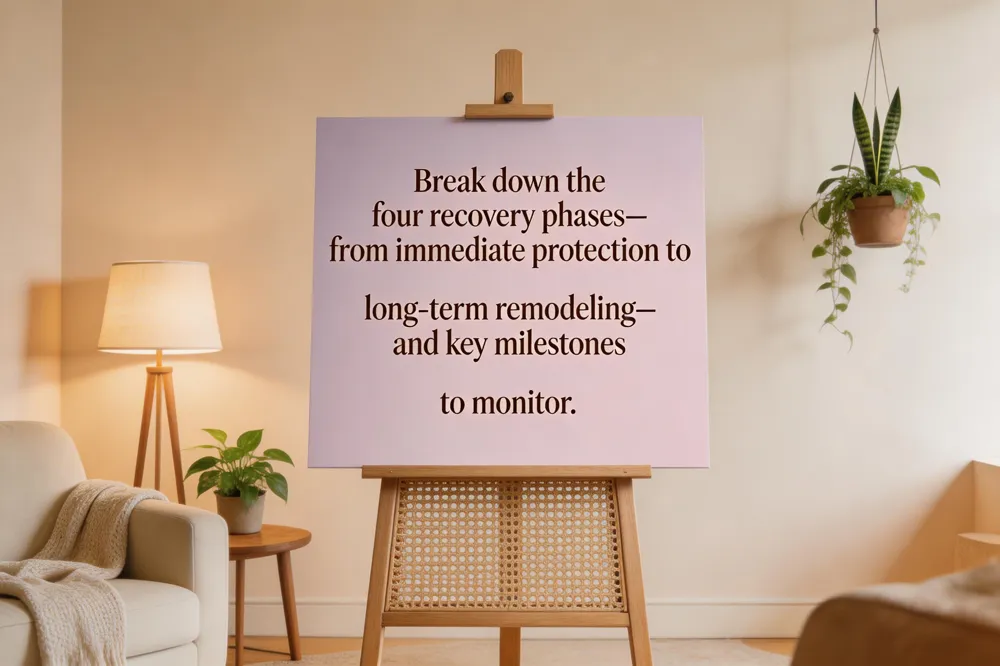
Recovery typically follows four phases. Rest & Protection (0‑48 hrs) – inflammation, swelling, and pain control dominate while clots form and tissue repair begins. Early Mobilization (Days 1‑7) – gentle walks, ankle pumps, and light stretching improve circulation and prevent stiffness. Proliferation (Weeks 2‑6) – strength‑building exercises, resistance work, and increased activity restore range of motion; lymphatic drainage massage and compression garments help reduce edema. Remodeling (Months 2‑6, up to 1 yr) – scar tissue matures, endurance returns, and continued wellness therapies (wood therapy, body contouring) support optimal healing.
Should I Still Be Tired 4 Weeks After Major Surgery?
Fatigue often persists for 4‑6 weeks as the body rebuilds protein stores and repairs tissue. Energy should gradually improve; a sudden plateau or worsening, fever, pain, or shortness of breath may signal infection or anemia and warrants a call to the surgeon or a post‑op nurse. Staying hydrated, eating iron‑rich foods, and pacing activity with short rests can alleviate tiredness.
How to Be a Good Caregiver After Surgery
Create a calm, clutter‑free recovery space with water, snacks, and adaptive tools (grab bars, pillow‑wrapped armrests). Assist with dressing, bathing, and light meals while encouraging short, frequent walks. Monitor incisions, drains, and swelling; report any concerns promptly. Offer professional lymphatic drainage or wood‑therapy sessions as advised, keep protein‑rich nutrition handy, and provide steady emotional reassurance that healing is a gradual, supported journey.
Lymphatic Drainage: Benefits, Timing, and Practical Guidance

Lymphatic drainage works by gently moving excess fluid and metabolic waste out of tissues, easing swelling and the heavy, achy feeling that often follows surgery. The rhythmic strokes stimulate circulation, improve oxygen and nutrient delivery, and trigger the parasympathetic nervous system, which lowers stress, enhances sleep, and leaves you feeling lighter and more refreshed.
Facial lymphatic drainage uses light, rhythmic strokes to shift stagnant fluid toward the lymph nodes. After a single 60‑minute session, most clients notice immediate puffiness reduction, tighter skin, and a more sculpted jawline. Over a series of 3‑5 treatments, texture smooths, fine lines fade, and long‑term detoxification supports a radiant, vibrant complexion.
For post‑surgical lymphatic massage near you, search for certified manual lymphatic drainage therapists. In San Jose, CA, Pink & Fancy offers specialist post‑operative care, with an OR‑nurse‑trained therapist delivering personalized, evidence‑based massage to reduce edema, bruising, and accelerate healing.
In New York City, providers such as FemFirstHealth and Body Mechanics Orthopedic Massage offer surgeon‑cleared lymphatic drainage after cosmetic or reconstructive procedures. Sessions last 60‑90 minutes, often combined with compression garments and gentle exercises for optimal recovery.
Supporting the Patient: Caregiver Role and Home Care Services

Professional home‑nursing and concierge services provide hospital‑level monitoring in a patient’s own home, reducing readmission risk and ensuring vital‑sign checks, wound care, medication management, and early mobilization. Companies such as Navi Nurses (Phoenix, AZ) and boutique clinics like Pink & Fancy (San Jose, CA) pair clinical expertise with compassionate attention, coordinating lymphatic drainage massage and compression garment fitting for women after cosmetic or reconstructive surgery.
Post‑surgery massage options – If you’re searching for a post‑surgery massage nearby, Pink & Fancy offers surgeon‑approved lymphatic drainage and gentle post‑operative massage tailored to each procedure. Sessions improve circulation, reduce edema, and accelerate healing.
Safety and timing of massage after surgery – Massage is safe once the surgeon clears the wound, typically 1–2 weeks for minor procedures and 2–4 weeks for moderate surgeries. Light lymphatic techniques may begin early; deeper work waits until the incision fully closes.
Supplements and nutrition – Vitamin C, zinc, high‑quality protein, omega-3 fatty acids, and collagen peptides support tissue repair, immune function, and inflammation control. Always confirm supplement plans with your surgeon before adding them to your regimen.
Post‑op lymphatic massage course – Certified training (≈$1,100, 28 contact hours) teaches Manual Lymph Drainage, compression therapy, and red‑flag identification, enabling therapists to deliver safe, effective post‑operative care at facilities like Pink & Fancy.
Complementary Therapies: Wood Therapy, Body Contouring, and Ongoing Wellness
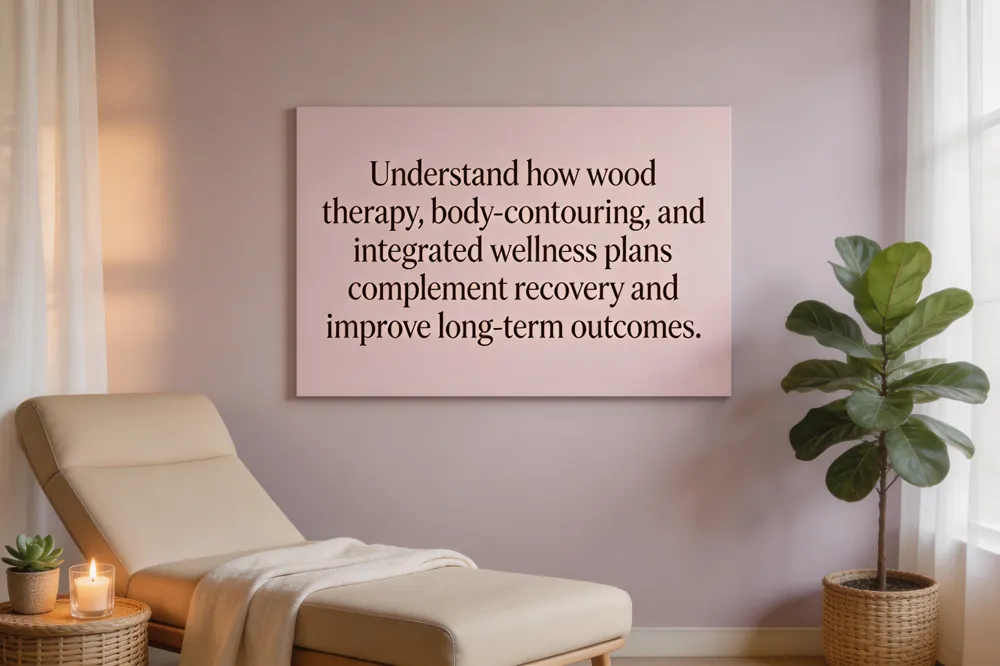
Wood therapy, a gentle manual technique that uses smooth wooden tools to release fascial tension, helps improve circulation and lymphatic flow after cosmetic or reconstructive surgery. By encouraging fluid movement, it reduces edema and supports detoxification, complementing the swelling‑control goals of compression garments and lymphatic drainage massage. Body‑contouring and cellulite treatments, such as targeted massage and RF‑based modalities, further break down localized fat deposits, enhance tissue remodeling, and promote a smoother contour while stimulating lymphatic drainage. When woven into a personalized recovery plan—scheduled after the surgeon’s clearance, combined with daily short walks, protein‑rich nutrition, and adequate hydration—these therapies reinforce early mobilization, reduce inflammation, and accelerate healing. The integrated approach aligns with Pink & Fancy’s wellness philosophy, offering women a holistic pathway to faster recovery, reduced swelling, and lasting overall wellness.
A Holistic Path to Faster, Safer Recovery
Successful post‑surgical healing for women blends evidence‑based medical care with personalized wellness support. Core strategies include strict adherence to surgeon‑ordered medication and activity limits, a protein‑rich, anti‑inflammatory diet, ample hydration, gentle early ambulation, and meticulous wound hygiene. Pink & Fancy, a San Jose‑based women’s boutique, expands these basics by offering lymphatic drainage massage, compression‑garment fitting, wood therapy, and body‑contouring when appropriate. Its founder, an OR nurse with 25 years of experience, coordinates care plans that educate patients and families, monitor vitals, and provide emotional reassurance. By delivering hospital‑level attention at home and empowering women with knowledge and therapeutic tools, the boutique helps reduce edema, prevent complications, and accelerate a confident return to daily life.