How Post-Surgical Recovery Providers Can Support Women Effectively
April 15, 2026
Post-Op Lymphatic Massage for Lipo, BBL, and Tummy Tuck: What’s New?
April 16, 2026
What Is Wood Therapy and Why It Matters
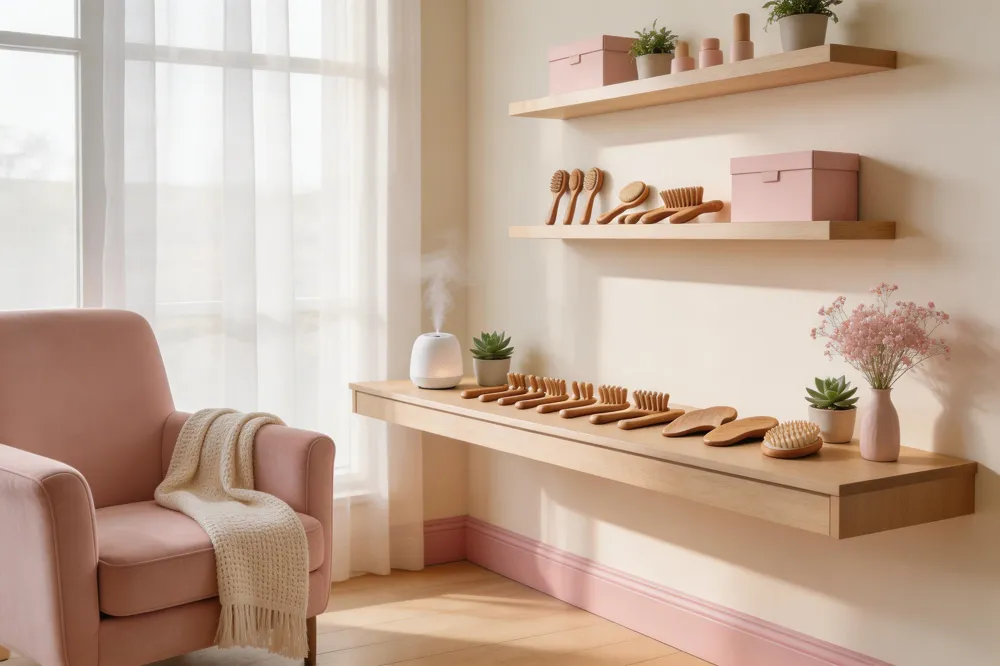
Wood therapy, also called maderotherapy, is a manual massage technique that uses specially shaped wooden rollers, cups and contoured tools to apply deep, rhythmic pressure to the skin and underlying tissue. It has become a popular spa offering for women seeking aesthetic improvement, especially because cellulite affects roughly 80‑90 % of adult females. Cellulite arises when fibrous septae tether the skin downward while subcutaneous fat pushes upward, creating a dimpled, “orange‑peel” appearance. Practitioners often claim that wood therapy can break down these septae, boost lymphatic drainage, increase blood flow, smooth the skin, and reduce stress. While the massage may temporarily improve skin texture by enhancing circulation and fluid movement, current scientific evidence does not support long‑term reduction of cellulite or lasting remodeling of the connective‑tissue bands.
Finding Wood‑Therapy Services Near You

Wood therapy cellulite near me: Pink & Fancy in San Jose, CA offers wood‑therapy designed to improve circulation and reduce cellulite dimpling. Call or book online today.
Cellulite treatment near me: Pink & Fancy combines wood therapy, lymphatic drainage massage and targeted contouring, performed by a licensed OR nurse with 25 years of experience. Schedule a complimentary consultation now.
Pre‑ and Post‑Surgical Benefits of Wood Therapy
Lymphatic drainage before surgery
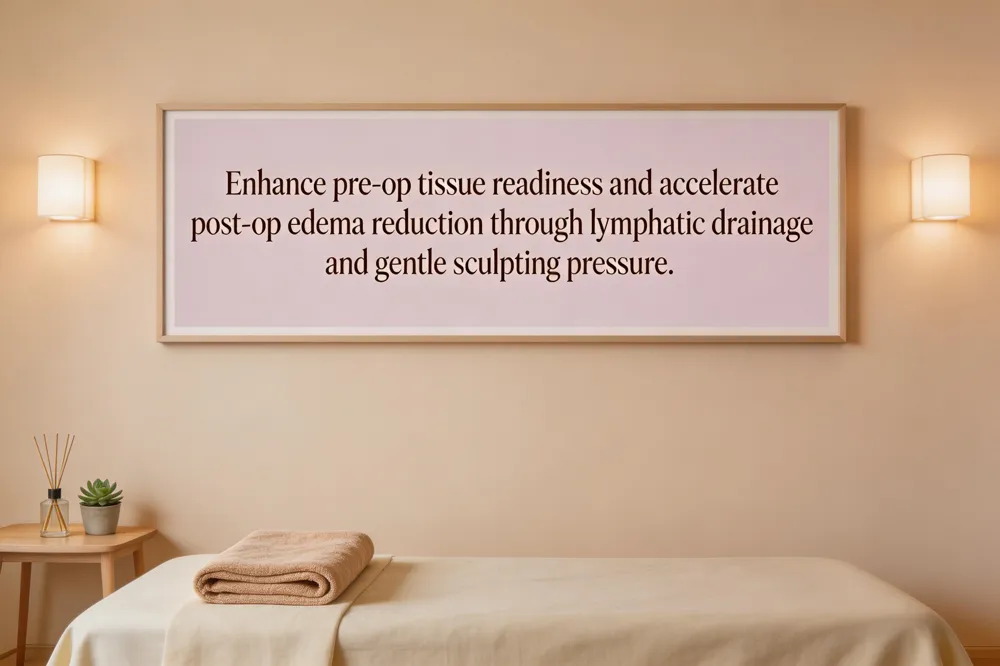
Wood therapy’s deep‑tissue massage stimulates the lymphatic system, helping to clear interstitial fluid and reduce pre‑operative swelling. By improving circulation and modest mobilizing localized fat deposits, the technique can create a smoother skin surface that supports tighter skin advancing upcoming cosmetic or reconstructive procedures.
Edema reduction after surgery
Post‑operative sessions continue the lymphatic‑draining effect, flushing out metabolic waste and decreasing inflammation. The gentle, sculpting pressure promotes even contouring as tissues heal, and many clinicians report faster resolution of postoperative edema when wood therapy is incorporated into a comprehensive recovery plan.
Patient feedback on skin texture
Clients at Pink & Fancy consistently note smoother, firmer skin after four to six sessions, with a reported 20‑40 % reduction in the visible dimpling of cellulite and a loss of 1‑3 inches in circumference after a full 6‑12‑treatment course. The warm, comforting sensation of the wooden tools also enhances relaxation and overall well‑being, contributing to a positive recovery experience.
Is wood therapy effective before and after surgery?
Clinical experience suggests it is a valuable adjunct: pre‑op sessions improve circulation and tissue readiness, while post‑op sessions aid lymphatic drainage, reduce edema, and accelerate healing. Consistent treatment (3‑5 sessions per week) by a certified practitioner yields the best outcomes, though individual results may vary.
Wood therapy cellulite reviews
Clients frequently share before‑and‑after photos showing smoother skin and diminished cellulite after six to twelve sessions. The anecdotal evidence aligns with limited studies indicating temporary improvements in skin texture and lymphatic flow, reinforcing the therapy’s role as a supportive, non‑invasive option for women seeking both aesthetic and post‑surgical benefits.
Do the Claims Hold Up? Evidence and Practical Benefits

Peer‑reviewed research on wood therapy (maderotherapy) is sparse and does not support long‑term cellulite reduction. Most studies evaluate similar mechanical or vibrational massage devices, not the wooden tools themselves, and report only modest, temporary smoothing of skin due to increased blood flow and lymphatic drainage. In contrast, FDA‑cleared treatments such as Cellfina subcision, Cellulaze laser, acoustic‑wave therapy, and radio‑frequency devices have been studied in larger, controlled trials and demonstrate measurable, though still often temporary, improvements in cellulite appearance.
Does maderotherapy really work for cellulite? Current evidence suggests that wood therapy may provide a short‑term visual improvement by reducing fluid retention and enhancing circulation, but it does not remodel the fibrous septae that cause dimpling. Any benefit is typically temporary and comparable to that of general massage techniques.
Wood therapy benefits Beyond cosmetic concerns, wood therapy is generally safe when performed by a qualified practitioner and can promote relaxation, temporary lymphatic drainage, and mild increases in local blood flow, which may aid post‑operative swelling and overall well‑being. These effects are supportive rather than curative, and expectations should be realistic regarding the duration and magnitude of results.
DIY Wood Therapy: Frequency, Safety, and Results
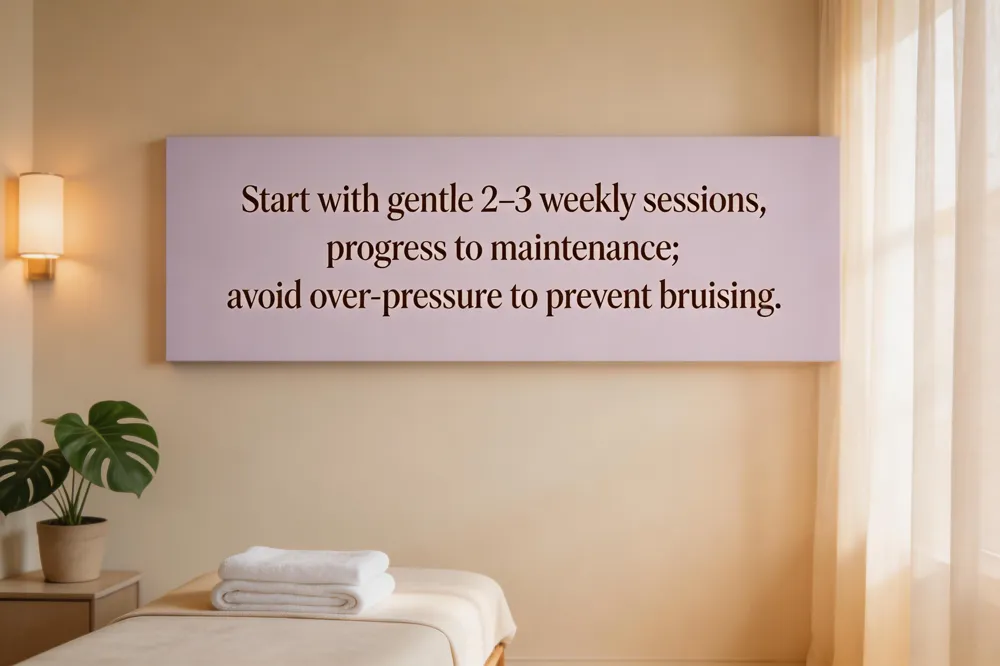
Home‑use wood therapy should begin with gentle, short sessions—2–3 times per week for the first 4–6 weeks—spacing each treatment 48–72 hours apart. Use a smooth wooden roller or cup, apply light rhythmic strokes for 10–15 minutes on the areas with dimpling, and keep a lotion on the skin afterward. After the initial phase, taper to a maintenance schedule of one session every 3–4 weeks, or sooner if swelling returns.
If you practice wood therapy daily, circulation and lymphatic flow may improve, but each session must stay brief (5–15 minutes) and pressure light. Over‑pressuring or prolonged rolling can cause redness, bruising, or irritation, especially for beginners or those with sensitive skin.
Signs to pause or adjust treatment include persistent soreness, marked bruising, skin irritation, or increased pain. In such cases, extend the interval between sessions, reduce pressure, or consult a qualified therapist before continuing.
Holistic Ways to Tone Legs and Reduce Cellulite

A balanced approach that blends movement, nutrition, and gentle manual therapy offers the most realistic path to smoother, firmer legs.
Exercise and nutrition – Regular aerobic work (e.g., brisk walking, cycling, jump rope) paired with strength‑training moves such as squats, lunges, curtsy lunges, and calf raises builds muscle, boosts circulation, and helps the skin appear tighter. Complement the training with a diet rich in fiber, whole grains, lean protein, colorful fruits, and anti‑inflammatory foods while limiting excess salt, refined carbs, and added sugars. Adequate hydration supports lymphatic flow and skin elasticity.
Targeted wood‑therapy for legs – Wood therapy (or maderotherapy) uses smooth wooden rollers and rods to apply deep, rhythmic pressure to the thighs and calves. The motion can temporarily increase local blood flow, promote lymphatic drainage, and reduce fluid retention, which may make cellulite dimpling appear less pronounced. While the scientific literature does not confirm long‑term remodeling of the fibrous septa that cause cellulite, many clients notice a short‑term smoothing effect and faster muscle recovery after a series of 6–12 sessions spaced over several weeks.
Natural skin‑supporting ingredients – Topical boosters such as flaxseed oil, gotu kola extract, or a low‑percentage retinol cream can modestly improve skin texture by supporting collagen synthesis and skin hydration. These ingredients are most effective when used consistently alongside the lifestyle habits above.
Putting it together – Combine 3–4 weekly exercise sessions, a nutrient‑dense diet, and weekly wood‑therapy (or a qualified lymphatic massage) for a compassionate, personalized plan that promotes tone, reduces temporary swelling, and enhances overall leg wellness. Results are typically modest and temporary, so ongoing maintenance and realistic expectations are essential.
Wood Therapy for the Midsection and Lymphatic Health

Abdominal contouring with wood therapy (maderoterapia) employs specially shaped rollers and cups to apply deep, rhythmic pressure across the belly. The mechanical stimulation can modestly mobilize localized fat deposits, enhance skin elasticity, and reduce fluid retention, often yielding a 1–3‑inch circumference reduction after 6–12 sessions when paired with hydration, balanced nutrition, and exercise.
Lymphatic drainage mechanisms rely on the gentle, circular kneading motions of smooth wooden tools, which encourage lymph flow and help move excess interstitial fluid out of post‑surgical tissues. This supports detoxification, reduces swelling, and accelerates healing by delivering oxygen and nutrients to recovering cells.
Integration with other medical treatments is seamless: [wood‑therapy] sessions are scheduled alongside manual lymphatic drainage, post‑operative care, and evidence‑based modalities such as laser or radiofrequency therapies. By combining mechanical massage with these proven interventions, women experience smoother skin, faster convalescence, and a more refined midsection.
[Wood therapy] for belly fat: the technique may break up localized deposits, improve circulation, and temporarily smooth the abdomen, especially when integrated with comprehensive wellness plans.
[Wood therapy] benefits lymphatic drainage: enhanced lymph flow reduces swelling, supports detoxification, and promotes faster recovery after cosmetic or reconstructive procedures.
Who Should Avoid Wood Therapy and How It Fits Into Medical Care

Wood therapy is generally safe for most healthy adults, but several groups should avoid it. Pregnant women should skip it because deep pressure may affect blood flow and hormonal balance. Anyone with active skin conditions (eczema, psoriasis, open wounds) risks irritation or infection from the wooden tools. Post‑operative patients must wait until their surgeon clears them, as vigorous massage can disrupt healing. People with severe circulatory problems, uncontrolled diabetes, varicose veins, or a bleeding disorder (or those on anticoagulants) should consult a medical professional before any session, as the therapy may increase bruising or vascular stress.
While Wood therapy can promote relaxation, temporary circulation, and lymphatic drainage, scientific evidence for long‑term benefits—especially cellulite reduction—is limited. It may serve as a soothing adjunct to evidence‑based treatments, but should not replace FDA‑cleared options such as laser, radio‑frequency, acoustic‑wave, or subcision procedures. When integrated with qualified therapists and under medical guidance, Wood therapy can support post‑surgical wellness without compromising safety.
Bottom Line: A Balanced View of Wood Therapy
Current research shows that wood therapy (maderotherapy) may give a temporary smoothing of cellulite by boosting blood flow and lymphatic drainage, but there is no high‑quality, peer‑reviewed evidence that it provides lasting reduction of the fibrous septa that cause dimpling. Anecdotal reports often note short‑term improvements after a series of 10‑12 sessions, especially when treatment is combined with proper hydration, balanced nutrition, and regular exercise. Wood therapy is best suited for clients seeking relaxation, mild edema relief, or a complementary modality after surgery, provided they have no contraindications such as open wounds, severe varicose veins, or bone‑weakening conditions. Readers should prioritize evidence‑based options (laser, radiofrequency, subcision, acoustic wave therapy) for more durable results, and always consult a qualified health professional before adding wood therapy to their wellness routine.