Wood Therapy for Cellulite: Fact or Fad?
April 15, 2026
Pain or Pressure? Mastering the Art of Proper Lymphatic Massage
April 18, 2026
Why Lymphatic Massage Matters After Body‑Contouring Surgery
The lymphatic system is the body’s natural drainage network, moving interstitial fluid, waste, and immune cells back toward regional nodes for clearance. After cosmetic procedures—such as abdominoplasty (tummy tuck), liposuction, and Brazilian Butt Lift (BBL)—surgical trauma temporarily disrupts these channels, leading to edema, bruising, and inflammation. Manual lymphatic drainage (MLD) gently re‑stimulates lymph flow, helping to reduce swelling, lessen pain, and promote faster removal of metabolic debris. By controlling fluid buildup, MLD also supports smoother scar remodeling and improves skin tone around incision sites. The primary recovery goals are therefore three‑fold: (1) rapid reduction of postoperative edema, (2) effective pain relief without reliance on high‑dose analgesics, and (3) enhanced scar quality through improved collagen alignment. When combined with compression garments, adequate hydration, and light ambulation, lymphatic massage becomes a key pillar of personalized post‑surgical care for women seeking optimal aesthetic outcomes and a smoother, safer healing journey.
Understanding Lymphatic Massage After Cosmetic Surgery

Manual lymphatic drainage (MLD) is a gentle, rhythmic massage technique that moves fluid along the body’s natural lymph pathways. Trained therapists use light, wave‑like strokes that follow the direction of lymph flow toward the cervical, axillary, and inguinal nodes, encouraging the contraction of lymph vessels and the removal of excess interstitial fluid, metabolic waste, and inflammatory mediators.
Because the lymphatic system is a critical component of immune surveillance and detoxification, stimulating it after surgery helps the body clear cellular debris, reduces swelling, and supports a healthier inflammatory response. Clinical observations show that early post‑operative MLD—typically initiated 3‑5 days after surgery—can cut edema and bruising by up to 30 % and lower the risk of fibrosis, the hard scar tissue that can compromise smooth contours.
In addition to edema control, MDL promotes scar remodeling by delivering oxygen‑rich blood to the incision line, which aids collagen alignment and results in softer, less noticeable scars. The therapy also offers pain relief and a calming, mind‑body experience that can reduce anxiety during recovery.
Lymphatic drainage massage
Lymphatic drainage massage is a gentle, rhythmic therapy that stimulates the body’s lymphatic network to move excess fluid and waste away from tissues toward the lymph nodes. By encouraging this natural drainage, the massage reduces swelling, inflammation, and bruising—key concerns for women recovering from cosmetic or reconstructive surgery. It also improves circulation and supports immune function, helping the body eliminate toxins and promote faster tissue healing. In a post‑operative setting, the light, repetitive strokes can lessen scar tissue formation and ease pain, while also providing deep relaxation and mental calm. At Pink & Fancy, our certified therapists tailor each session to your individual recovery goals, combining clinical expertise with compassionate, personalized care.
Timing and Frequency of Lymphatic Sessions for Lipo, BBL, and Tummy Tuck
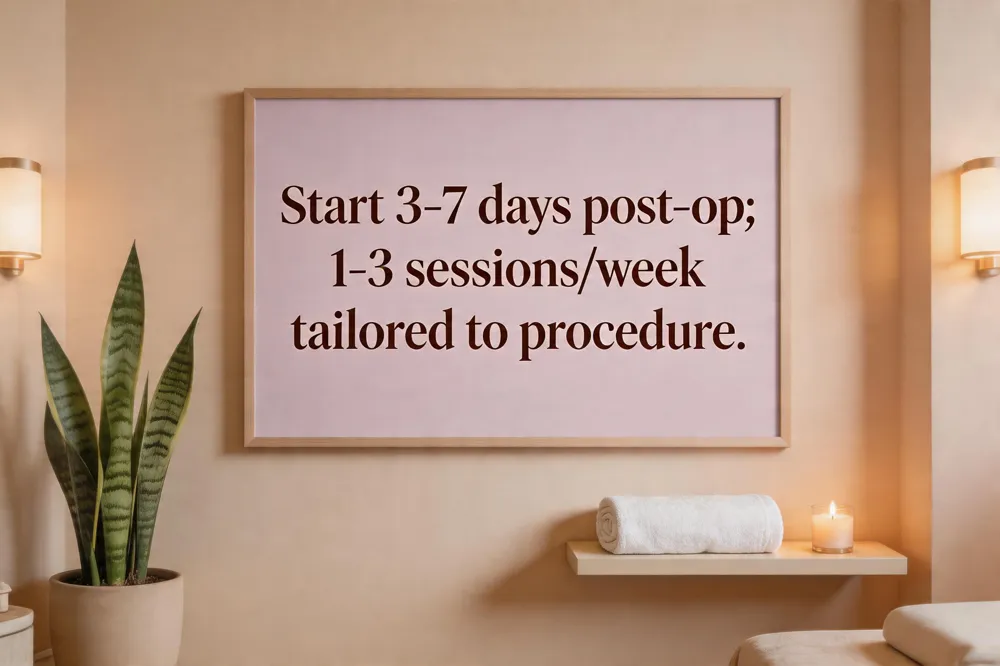
The window for initiating manual lymphatic drainage (MLD) is typically 3‑7 days after surgery, once the surgeon confirms that incisions are closed, drains are removed and the patient is medically cleared.
Frequency patterns – Most clinicians schedule 1‑2 sessions per week for the first 4‑6 weeks after a tummy‑tuck, while liposuction and BBL patients often benefit from 2‑3 sessions per week during the initial month. The goal is to keep fluid movement steady without over‑stimulating healing tissue.
Total session counts – For liposuction, a common protocol includes 4‑6 sessions (≈1‑2 times weekly). A tummy‑tuck usually requires a longer course, about 8‑12 sessions (≈1‑2 times weekly, often around ten treatments). BBL patients follow a similar schedule to liposuction, with added focus on donor‑site drainage.
Adjustments – If swelling is pronounced or the surgeon notes slower fluid clearance, the therapist may increase frequency to three times weekly or extend the treatment period. Conversely, minimal edema may allow tapering to weekly maintenance after the first month.
Key Q&A
- How many lymphatic massages after tummy‑tuck and lipo? Most surgeons advise 8‑12 sessions for a tummy‑tuck and 4‑6 for lipo, spaced 1‑2 times per week, adjusted to individual healing.
- When to start after tummy‑tuck? Typically 7‑10 days post‑op, after drain removal and incision closure.
- When to start after lipo? Around 5‑7 days, once incisions are stable; larger volume work may push start to 7‑14 days.
- How long should a session last? Sessions are brief—15‑30 minutes for most cases, up to 45 minutes for extensive procedures—focusing on light, rhythmic strokes that follow lymphatic pathways.
DIY Home Lymphatic Massage Techniques

Safety first: surgeon clearance and incision status
Begin any self‑massage only after your surgeon confirms the incisions are closed and you have no signs of infection. Most surgeons advise starting 5‑7 days after a tummy tuck or 3‑5 days after liposuction, but always follow the specific clearance you receive.
Hand‑only or hypo‑allergenic oil approach
Use clean, dry hands or a drop of hypo‑allergenic oil (e.g., almond or jojoba) to reduce friction. The oil should be fragrance‑free and applied sparingly; the goal is a smooth glide, not deep pressure.
Step‑by‑step circular strokes from upper abdomen to groin
- Lie comfortably with a compression garment on.
- Place your fingertips on the upper abdomen and draw slow, circular motions outward toward the flanks.
- Continue the strokes down the sides, directing fluid toward the inguinal (groin) lymph nodes.
- Finish with gentle motions along the inner thighs, always moving toward the nearest lymph node group.
Session length, frequency, and warning signs to stop
Aim for 5‑10 minutes per session, 2‑3 times daily during the first two weeks. Stop immediately if you feel pain, increased tenderness, redness, or swelling around the incisions. Maintain hydration, wear your compression garment as instructed, and consider a professional session at Pink & Fancy for personalized guidance.
How to do lymphatic massage after tummy tuck at home?
Start gently 5–7 days post‑op (or once cleared), using light circular strokes from the upper abdomen to the groin. Keep each session 5‑10 minutes, repeat 2‑3 times daily, and stop if discomfort arises. Pair with compression garments and professional sessions for optimal results.
Can I do my own lymphatic massage after lipo?
Yes, after surgeon clearance and fully closed incisions. Use very light, rhythmic strokes toward the nearest lymph nodes (neck, underarms, groin) for 10‑15 minutes per session. Avoid deep pressure on incisions, wear compression garments, stay hydrated, and combine with professional therapy when possible.
Finding Qualified Lymphatic Therapists Near You

When seeking a post‑operative lymphatic therapist, look for clinicians who hold certified lymphatic therapist credentials and have completed Vodder or V‑derived training. These qualifications ensure they understand the delicate, rhythmic strokes needed to stimulate lymph flow without stressing fresh incisions.
Referral pathways are simple: most plastic surgeons will recommend a therapist they trust, your centers often employ in‑house specialists, and boutique locations such as Pink & Fancy in San Jose, CA provide dedicated post‑surgical care.
What to expect at a first appointment – The therapist will review your surgical notes, confirm that incisions are dry and wounds are stable, and then perform a gentle, 30‑45‑minute manual lymphatic drainage session focused on the abdomen and regional lymph nodes. You’ll also receive personalized guidance on compression garment wear, scar massage, hydration, and at‑home self‑massage techniques.
Lymphatic massage after tummy tuck near me – Pink & Fancy offers tailored lymphatic drainage for tummy‑tuck recovery, led by an OR nurse with 25+ years of experience. Sessions reduce swelling, improve circulation, and accelerate healing while providing education on garments and scar care.
Post surgery massage near me – The same boutique provides comprehensive post‑surgical massage, including lymphatic drainage, wood therapy, and body contouring, all designed to detoxify, relieve pain, and support faster recovery. Book online or call (408) 555‑1234 for a compassionate, clinical‑based experience that helps you heal, restore, and thrive.
BBL‑Specific Recovery Tools and Tips

A successful Brazilian Butt Lift (BBL) recovery hinges on three key elements: pressure‑relief pillows, a well‑planned supply kit, and disciplined daily habits.
Pressure‑relief pillows and their design – A BBL recovery pillow is a specially contoured cushion—often donut‑shaped, wedge‑shaped, or with a wavy wave—that lifts the buttocks off the seat so that no direct pressure touches the transplanted fat graft. By redistributing weight to the thighs and providing firm, breathable support, the pillow reduces swelling and the risk of fat re‑absorption while promoting better blood circulation. Pink & Fancy recommends the Ogee Recovery Wavy BBL Pillow (high‑density memory foam, washable cover, portable), with alternatives like the ContourMD Booty Pillow or Mello Active cushion to suit individual routines.
Essential recovery supplies and garment recommendations – A custom‑fit compression garment or faja with a cut‑out for the buttocks is the cornerstone; it controls edema and maintains shape. Pair it with a BBL pillow, compression socks, and an abdominal binder (hooks, no zipper) for core support. Stock wound‑care basics (Aquaphor, silicone scar strips, non‑adhesive gauze, paper tape), pain‑relief meds, hydrated drinks, high‑protein low‑sugar meals, and arnica cream for bruising.
Do’s and don’ts for the first weeks – Do use a donut‑shaped cushion whenever you sit, sleep on your stomach with pillows under your hips, stay hydrated, and follow a gentle walking schedule. Do not sit directly on the graft, sleep on your back, smoke, take NSAIDs or blood‑thinners without clearance, or soak in hot tubs until incisions are healed. Avoid tight jeans, heavy lifting, squatting, and vigorous cardio.
Typical timeline to return to work – Most patients resume desk‑type work after 10–14 days, using a cushion to protect the buttocks. Light‑to‑moderate activity can begin in week 2, while heavy lifting and intense exercise are postponed until 6–8 weeks post‑op, once swelling subsides and the fat graft has integrated. Adhering to compression wear, hydration, and listening to your body ensures a smooth, safe transition back to daily life.
Potential Risks of Skipping Lymphatic Care

When postoperative lymphatic massage is omitted, the excess interstitial fluid that naturally accumulates after liposuction, a Brazilian Butt Lift, or a tummy tuck remains longer. Clinical observations show that edema can persist up to 30 % longer, allowing fluid‑rich pockets to harden into fibrotic scar tissue. This fibrosis not only creates a lumpy texture but also limits the skin’s ability to remodel, leading to thicker, more noticeable scars and a higher likelihood of seroma or infection because the immune system’s waste‑clearance pathway is compromised.
While many surgeons agree that compression garments are the cornerstone of swelling control, studies indicate that adding Manual lymphatic drainage (MLD) within the first 3‑5 days can cut swelling and bruising by up to 30 % and accelerate pain relief. The therapy is not mandatory for every patient—those with small‑volume liposuction and flawless surgical technique may recover well with compression alone—but it is a low‑risk, high‑comfort adjunct that supports faster, smoother healing.
In summary, foregoing lymphatic care may extend recovery, increase fibrosis, and elevate infection risk, whereas a qualified therapist‑guided MLD program, combined with proper compression, hydration, and gentle ambulation, can improve outcomes without replacing surgical skill.
Putting It All Together: Your Path to a Faster, Smoother Recovery
Timely lymphatic care is a cornerstone of modern post‑operative wellness. Beginning gentle manual lymphatic drainage within the first 3‑5 days after a tummy tuck, liposuction, or Brazilian Butt Lift helps “kick‑start” fluid removal, curbing edema, bruising, and the risk of fibrosis before those complications become entrenched. Professional sessions offer the precision of certified therapists—trained in Vodder, Leduc or CLT techniques—who can tailor pressure, stroke direction, and treatment frequency (often 2‑3 times per week for the first 4‑6 weeks) to your incision healing, drain status, and comfort level. Safe home practice, such as deep‑breathing, light self‑massage, adequate hydration and compression garment wear, reinforces the therapist’s work but should only be attempted after surgeon clearance.
Pink & Fancy’s San Jose boutique personalizes every plan: an OR‑nurse‑founder with 25 years of lymphedema expertise evaluates your surgical protocol, coordinates with your plastic surgeon, and designs a schedule that blends in‑office lymphatic massage, optional pneumatic compression, and education on nutrition, gentle walking, and scar massage. This integrated, compassionate approach maximizes fluid drainage, speeds tissue healing, and supports a smoother, more confident return to daily life.