Body Sculpting Massage: What Can It Really Do for You?
April 6, 2026
Breaking Down Recovery Timelines for Popular Cosmetic Surgeries
April 14, 2026

Why the Debate Matters
After surgery, many women notice lingering swelling that can obscure the results they hope to achieve. Efficient lymphatic drainage is the body’s natural way to move excess fluid, reduce edema, and prevent fibrosis, which speeds healing and preserves skin texture. When swelling is controlled, the underlying aesthetic goals—tighter contours, smoother skin, and balanced silhouette—become clearer and more attainable. Integrating personalized lymphatic massage with low‑fatigue technologies, such as the G5 vibration device, offers consistent pressure, doubles client throughput, and supports lasting outcomes while minimizing therapist strain and enhances overall daily wellness.
Understanding Lymphatic Drainage Post‑Surgery
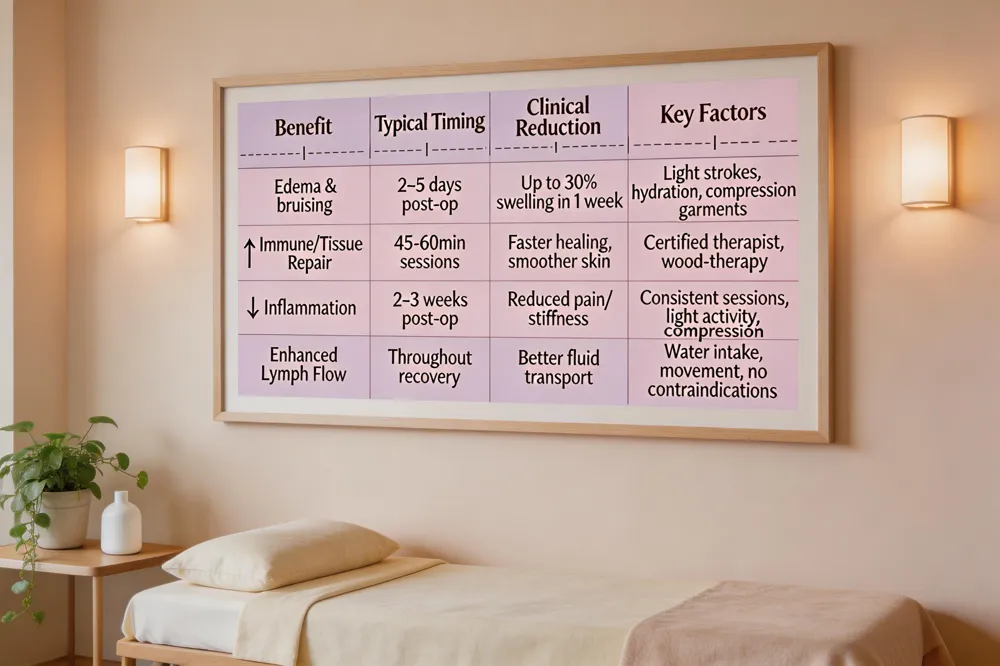
Post‑operative care benefits greatly from manual lymphatic drainage (MLD). By applying light, rhythmic strokes, MLD gently moves excess interstitial fluid toward functional lymph pathways, reducing edema, bruising, and inflammation while supporting immune function and tissue repair. Clinical studies show up to a 30 % reduction in swelling within the first week after procedures such as liposuction, abdominoplasty, or cosmetic surgery when MLD is performed 2–5 days post‑op, provided incisions are healed and no contraindications exist. Physicians—including surgeons and lymphedema specialists—regularly endorse MLD as a complementary therapy, especially when combined with compression garments, proper hydration, and light activity that further encourages lymph flow. Compression helps prevent fluid re‑accumulation, and staying well‑hydrated supplies the medium needed for efficient transport. For women in San Jose, Pink & Fancy offers certified MLD tailored to each client’s recovery timeline, integrating personalized pressure, wood‑therapy, and post‑operative guidance. Consistent sessions, typically 45–60 minutes each, can accelerate healing, improve skin texture, and support overall wellness throughout the recovery journey.
The Body Contouring Journey: Before & After
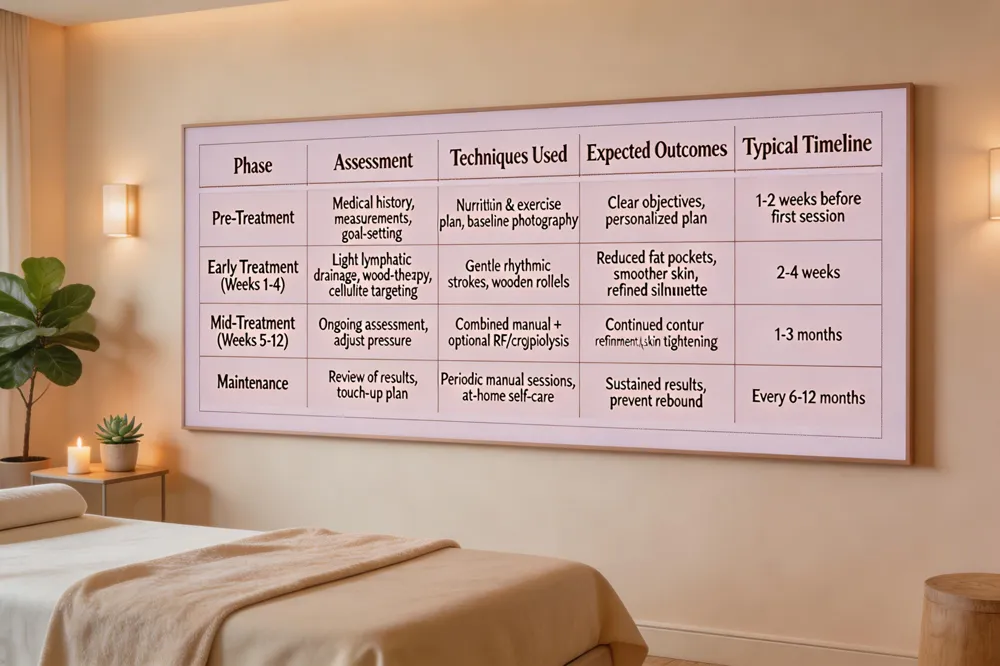
Body contouring before and after
Before a session at Pink & Fancy, clients receive a comprehensive assessment—medical history, measurements, and goal‑setting—followed by a personalized nutrition and exercise plan. The treatment blends lymphatic drainage massage, wood therapy and targeted cellulite techniques to mobilize fluid and fat. Within two to four weeks, most patients notice reduced fat pockets, smoother skin, and a more refined silhouette as the lymphatic system clears metabolic waste. Ongoing sessions and at‑home self‑care sustain the results for months.
Full body contour massage benefits
Gentle, rhythmic strokes stimulate lymph flow, draining excess fluid and toxins after cosmetic or reconstructive surgery. This reduces inflammation, eases muscle tension, and improves circulation, accelerating tissue repair. Skin elasticity improves, cellulite appears softened, and clients experience quicker mobility and comfort, supporting a holistic wellness path.
Sculpting massage before and after
A brief assessment and light strokes warm tissues and identify swelling. Targeted lymphatic drainage then reduces puffiness and refines contours of the jaw, hips, or abdomen. Clients see smoother, tighter lines within minutes, with continued enhancement over a series of sessions.
Manual vs. machine body sculpting before and after
Manual techniques (wood therapy, lymphatic drainage) provide immediate fluid reduction and skin tightening, while machine‑based modalities (RF, cryolipolysis, HIFU) deliver controlled energy to destroy fat cells for gradual, deeper contouring. Both start with a detailed assessment; after several sessions, manual work shows quick edema relief, and machines reveal measurable fat loss weeks later. Combining them maximizes results, supporting both rapid recovery and lasting sculpting.
Longevity & Maintenance of Contouring Results
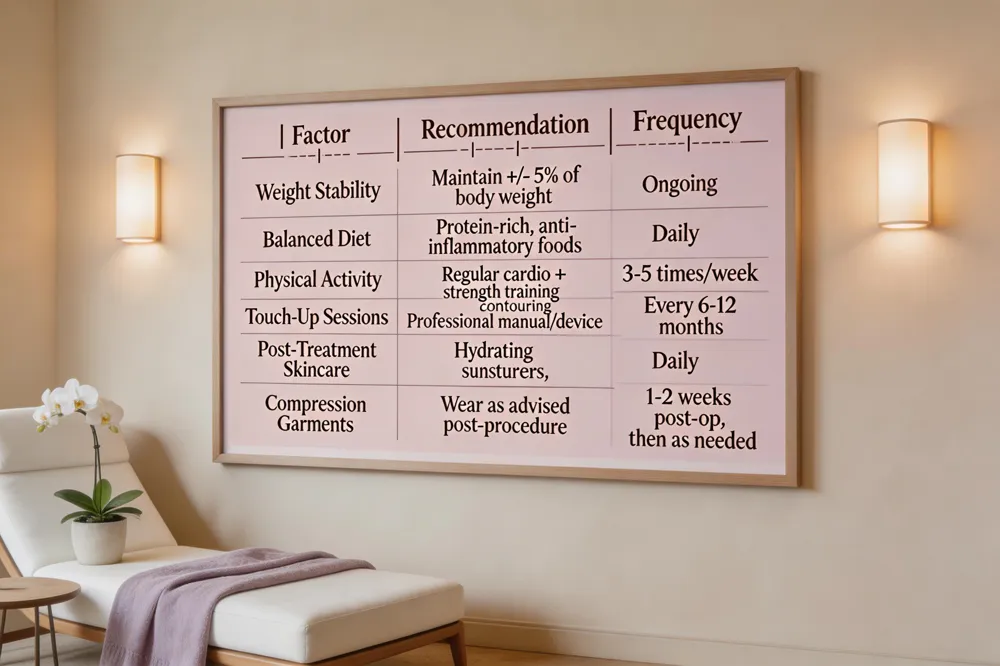
Body‑contouring results can endure for several years—often 5‑7 years—when you keep a stable weight, follow a balanced diet, and stay active. Periodic touch‑up sessions (typically every 6‑12 months) help preserve the shape and skin tone. Most non‑surgical programs recommend 4‑6 treatments per area, spaced 1‑2 weeks apart, allowing tissue to heal and the body to clear treated fat cells. After the initial series, a maintenance visit once or twice a year is common.
The most durable method for large‑volume reduction remains surgical liposuction, especially high‑definition (HD) liposculpture, which removes fat directly and sculpts muscle‑like contours. For patients seeking non‑invasive options, combining radio‑frequency skin‑tightening with cryolipolysis yields the best measurable fat loss, though changes are more modest and require multiple sessions.
Non‑surgical contouring is generally safe when performed by trained clinicians using FDA‑cleared devices (e.g., cryolipolysis, RF, HIFU). Temporary side effects may include redness, swelling, bruising, or mild numbness; contraindications include pregnancy, active infection, certain implants, and uncontrolled chronic disease.
Choosing the right approach depends on your goals, budget, and tolerance for downtime. Pairing any technology with Pink & Fancy’s personalized lymphatic drainage and post‑operative care can accelerate healing, reduce edema, and support long‑term wellness.
Manual Sculpting Techniques & Their Benefits
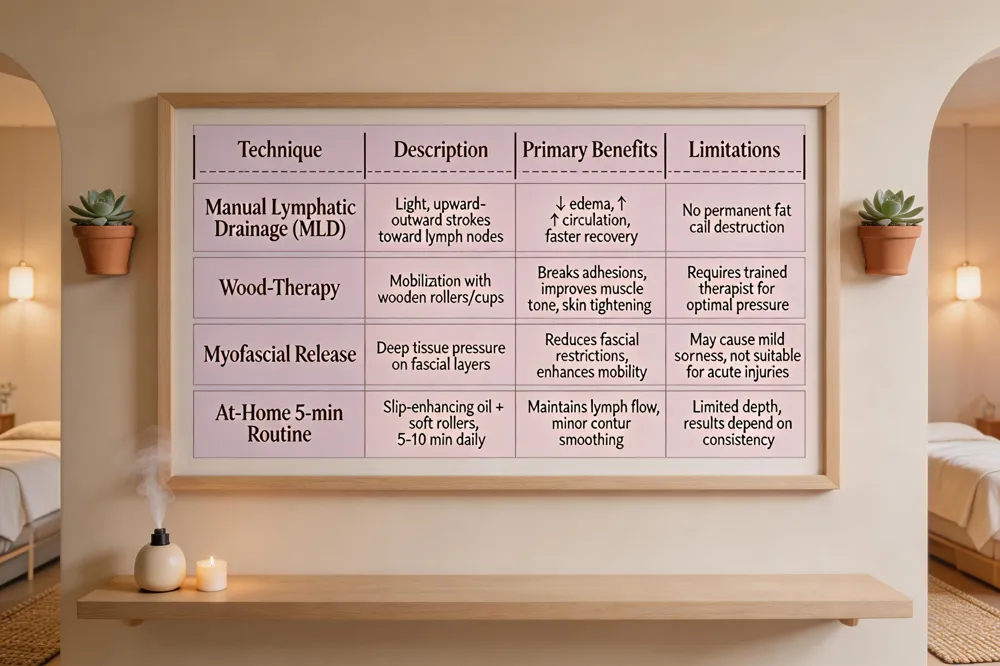
Manual body‑sculpting blends gentle lymphatic‑drainage strokes, wood‑therapy mobilization, and myofascial release to improve fluid movement, reduce edema, and reshape contours. Light rhythmic strokes encourage lymph flow, while wood‑therapy tools and targeted deep‑tissue pressure break up adhesions, enhance muscle tone, and support post‑operative healing. The approach is non‑invasive, low‑cost, and can be performed at home with a few daily 5‑minute sessions using a slip‑enhancing oil and soft wooden rollers, focusing on upward‑and‑outward movements toward key lymph nodes. Benefits include faster swelling reduction, smoother skin, increased circulation, and a more defined silhouette when paired with a healthy lifestyle. Limitations are that manual techniques do not permanently destroy fat cells; they serve best as an adjunct to diet, exercise, or selective machine‑based treatments. Temporary side effects are minimal—usually mild soreness or light bruising. For personalized care, Pink & Fancy in San Jose offers expert manual sculpting that integrates these techniques into a comprehensive wellness plan, supporting both aesthetic goals and overall health.
Machine‑Based Contouring: Pros, Cons & Safety
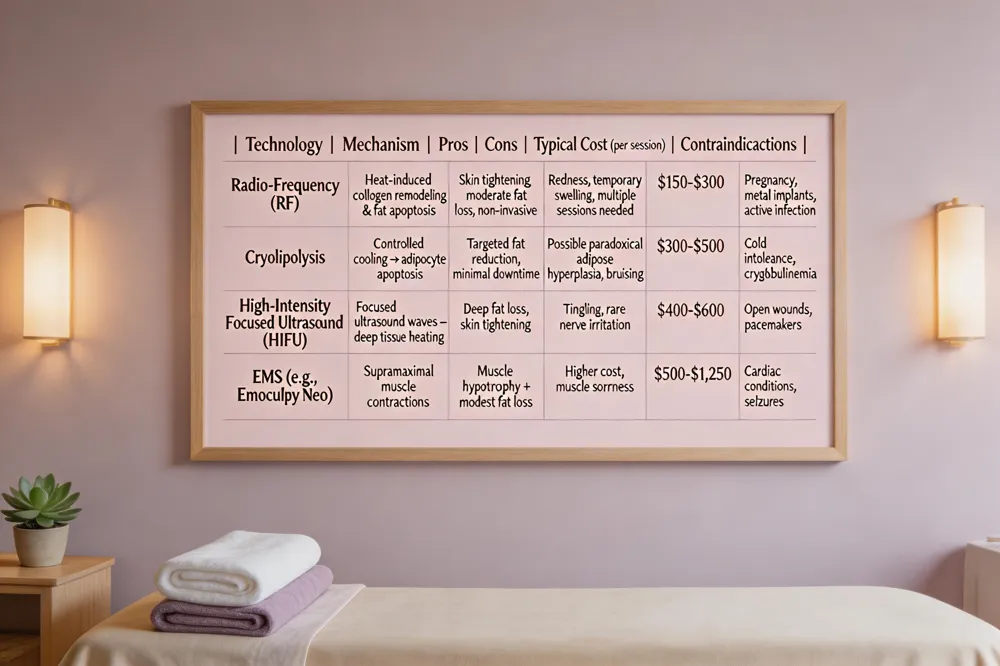
Energy‑based devices such as radio‑frequency, cryolipolysis, high‑intensity focused ultrasound and EMS deliver controlled heat, cold or vibration to fat cells, prompting apoptosis, collagen remodeling, or supramaximal muscle contractions. In the United States these technologies are cleared as Class II medical devices, which means the FDA has reviewed safety data and confirmed their intended therapeutic use. Side‑effects are generally mild and temporary—redness, swelling, bruising, tingling, or rare paradoxical adipose hyperplasia—but they require a trained clinician to monitor dosage and contraindications (e.g., metal implants, pregnancy). Cost varies widely: a single session can range from $150‑$300 for basic lymphatic‑drainage‑assisted contouring to $500‑$1,250 for advanced platforms like CoolSculpting or Emsculpt Neo, with most protocols needing 3‑6 visits for measurable change.
Do body sculpting machines work at home? Home units provide only low‑intensity stimulation and modest, short‑term skin tone improvements; they lack the depth, suction power and precise dosing of clinic‑grade devices, so they cannot replace professional treatment.
Best pros & cons? Pros: non‑invasive, consistent energy delivery, measurable fat loss, skin tightening, minimal downtime. Cons: higher cost, need for multiple sessions, temporary discomfort, limited impact on overall weight, rare skin irritation.
Reddit consensus? Users praise noticeable shape improvement and lymphatic boost, but warn of high price tags, multiple visits, and occasional bruising when performed by inexperienced staff.
Belly‑fat specific? Offers targeted, non‑surgical reduction and skin tightening, yet results are modest, require several sessions, and may cause temporary swelling or tingling.
Cons of body‑sculpting machines? Not a weight‑loss solution, gradual results, possible bruising or redness, cumulative cost, and contraindications for certain medical conditions.
Cost overview? Typical per‑session fees range $150‑$300 for basic contouring, $500‑$1,250 for advanced technologies; comprehensive abdominal treatment packages often total $3,000‑$5,000.
Where does the fat go? Apoptotic fat cells release lipids that the lymphatic system transports to the liver for metabolic elimination, leaving the treated area permanently reduced in cell count.
Integrating Manual and Machine Approaches
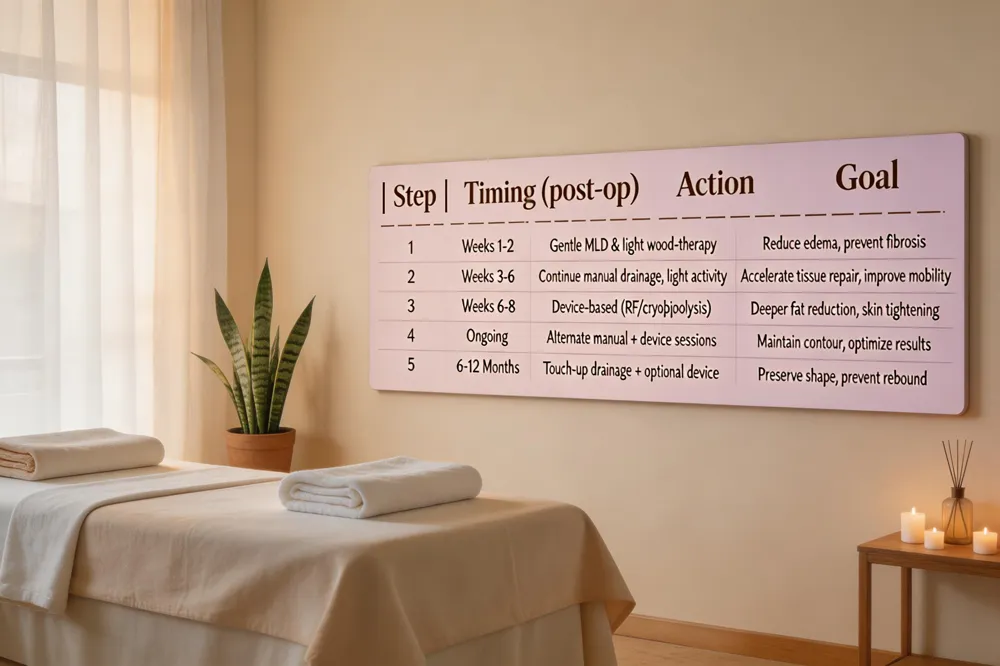
A hybrid protocol that blends manual lymphatic drainage with targeted,‑based contouring delivers the best of both worlds: the therapist’s real‑time tissue feedback and the device’s consistent energy delivery. After surgery, the sequence matters—Gently begin manual lymphatic massage as early as one to two weeks (or as soon as the surgeon clears you) to reduce edema, prevent fibrosis, and accelerate tissue repair. Once incisions have fully healed (typically 6‑8 weeks post‑op), introduce non‑invasive devices such as RF, cryolipolysis, or HIFU for deeper fat reduction and skin tightening. A thorough patient assessment—reviewing medical history, BMI, scar location, and contraindications—guides the therapist in customizing pressure, session length, and device settings for each client.
Post surgical lymphatic massage near me – Pink & Fancy in San Jose, CA offers OR‑nurse‑led lymphatic drainage that can start 1‑2 weeks after surgery, reducing swelling and bruising.
Post surgery massage near me – Their boutique provides gentle, post‑operative massage with optional infrared or RF skin‑tightening, booked via (408) 555‑1234 or pinkandfancy.com.
Post op lymphatic massage course – An advanced 28‑hour CEU‑credited program teaches certified therapists Manual‑D, anatomy, compression, and weekly 4‑6‑week treatment plans.
Post op lymphatic massage benefits – Accelerates fluid clearance, eases pain, minimizes scar tissue, and improves mobility.
Body sculpting massage at home – Use light, upward‑and‑outward strokes with a wooden tool or silicone cups for 5‑10 minutes daily, focusing on lymph nodes; consult a clinician if you have serious health conditions.
Body sculpting pros and cons – Non‑invasive, minimal downtime, customizable area‑specific results versus need for multiple sessions, temporary bruising/swelling, and not a substitute for major weight loss or surgical contouring.
Choosing the Right Path for Your Body
Begin with a personalized assessment that maps your surgical history, tissue quality, and aesthetic goals. Choose a therapist who holds certified lymphatic‑drainage training and has hands‑on experience with post‑operative clients, ensuring safe pressure and real‑time adjustments. Consider technology such as the FDA‑cleared G5 vibration device or RF platforms; they deliver consistent energy, increase throughput, and reduce therapist fatigue while complementing manual drainage. Finally, integrate both modalities into a long‑term wellness plan that includes nutrition, movement, and maintenance to sustain results.