Why You Need Specialized Care After Liposuction and BBL
July 4, 2026
The Psychological Impact of Cosmetic Surgery Recovery
July 4, 2026

Understanding Body Contouring Massage: A Path to Realistic Wellness
Body contouring encompasses non-invasive therapies designed to reshape specific areas, improve muscle tone, or reduce cellulite without surgical intervention. At pinkandfancy.com, we focus on these techniques as a specialized means to support tissue recovery and refine aesthetic outcomes rather than as a solution for significant weight loss.
Unlike surgery, which involves invasive tissue removal, body contouring massage prioritizes the health of your lymphatic system. Manual lymphatic drainagepromotes the movement of excess fluid and toxins away from treated sites, which helps mitigate post-procedural inflammation. While surgical results are often immediate, our approach at pinkandfancy.com emphasizes the gradual reduction of edema to ensure your final silhouette is smooth and comfortable.
Setting realistic goals is essential for wellness success. Because non-invasive modalities target fat cells or subcutaneous fluid rather than total body mass, these sessions are best viewed as tools for fine-tuning specific areas. By fostering efficient lymphatic transport, our professional care at pinkandfancy.com helps you navigate the recovery window effectively and maintain your long-term results.
What Body Contouring Massage Can and Cannot Do

It is essential to distinguish between treatments meant for fat reduction and those designed for recovery. While non-invasive body contouring devices like cryolipolysis or radiofrequency use technology to target subcutaneous fat cells, these methods typically yield modest circumference reductions of two to four centimeters. They are not intended as a substitute for surgery for significant fat removal.
At pinkandfancy.com, we prioritize clinical accuracy, emphasizing that body contouring massage targets fluid retention, swelling, and tissue healing rather than direct fat elimination. Techniques such as manual lymphatic drainage serve as a vital recovery ally by moving trapped fluid away from tissues toward the lymph nodes, reducing puffiness and bloating. This creates a slimmer appearance that is the result of decreased water retention, not actual loss of fat mass.
What is the difference between wood therapy and traditional lymphatic drainage?
While both techniques aim to support the lymphatic system, they differ significantly in their approach and intensity. Manual lymphatic drainage is a gentle, rhythmic, and clinical treatment focused on stimulating superficial vessels to reduce swelling and promote immune health. In contrast, wood therapy, or maderotherapy, utilizes specialized wooden tools to apply deeper, firm pressure to the skin and underlying tissues. Our specialists use wood therapy tools to apply rhythmic pressure that can temporarily improve cellulite and sculpt the body, whereas traditional lymphatic drainage at our boutique is prioritized for its gentle benefits in post-surgical recovery and fluid regulation.
Because results from these therapies are often temporary, we emphasize the importance of regular maintenance. Whether you seek delicate inflammation management or deeper tissue sculpting, we tailor our approach to ensure your expectations match the physiologic goals of each service.
Lymphatic Drainage: Your Body’s Recovery Ally

Lymphatic Drainage: Your Body’s Recovery Ally
Post-surgical swelling is a natural inflammatory response that often overloads the lymphatic system, leaving you with lingering discomfort or restricted mobility. Because surgery or intensive body contouring causes tissue trauma, your lymphatic pathways may struggle to clear the accumulated fluid, waste, and cellular debris efficiently. Gentle, strategic support is essential during this delicate time to prevent complications like seromas, where fluid pockets form near an incision site, or fibrosis, where inflammation leads to hardened, uneven tissue.
Unlike more intensive massage techniques, which may increase inflammation in post-surgical tissue, lymphatic drainage massage uses light, rhythmic strokes tailored to the superficial location of your lymphatic vessels. This specialized technique stimulates lymph flow, helping to reduce edema and bruising while promoting faster tissue repair. By directing fluid toward functioning lymph nodes, it supports recovery, helping to reveal more refined and balanced final contours.
What are the common benefits and indicators that I could benefit from lymphatic drainage massage?
Lymphatic drainage massage is a gentle, therapeutic practice designed to stimulate the lymphatic system, accelerate the clearance of excess fluids, and reduce post-surgical inflammation or tissue swelling. Beyond its essential role in supporting recovery from cosmetic and reconstructive procedures, this treatment can alleviate persistent edema, improve circulation, and enhance your body’s natural detoxification pathways. You may consider this therapy if you are experiencing signs of a congested lymphatic system, such as persistent bloating, unexplained fatigue, brain fog, or chronic headaches. Additionally, symptoms like puffiness in the ankles, hands, or face, as well as recurring skin issues like rashes or persistent dryness, often serve as clear indicators that your lymphatic system may require expert support. Whether you are navigating the healing journey after surgery or seeking to boost your overall wellness, our personalized approach at pinkandfancy.com helps ensure your body remains balanced, comfortable, and healthy. Supporting these processes through manual lymphatic drainage sessions can contribute to your comfort, ease of movement, and overall aesthetic satisfaction during the critical 3 to 6 month healing window.
Wood Therapy: Deeper Tissue Work for Contouring
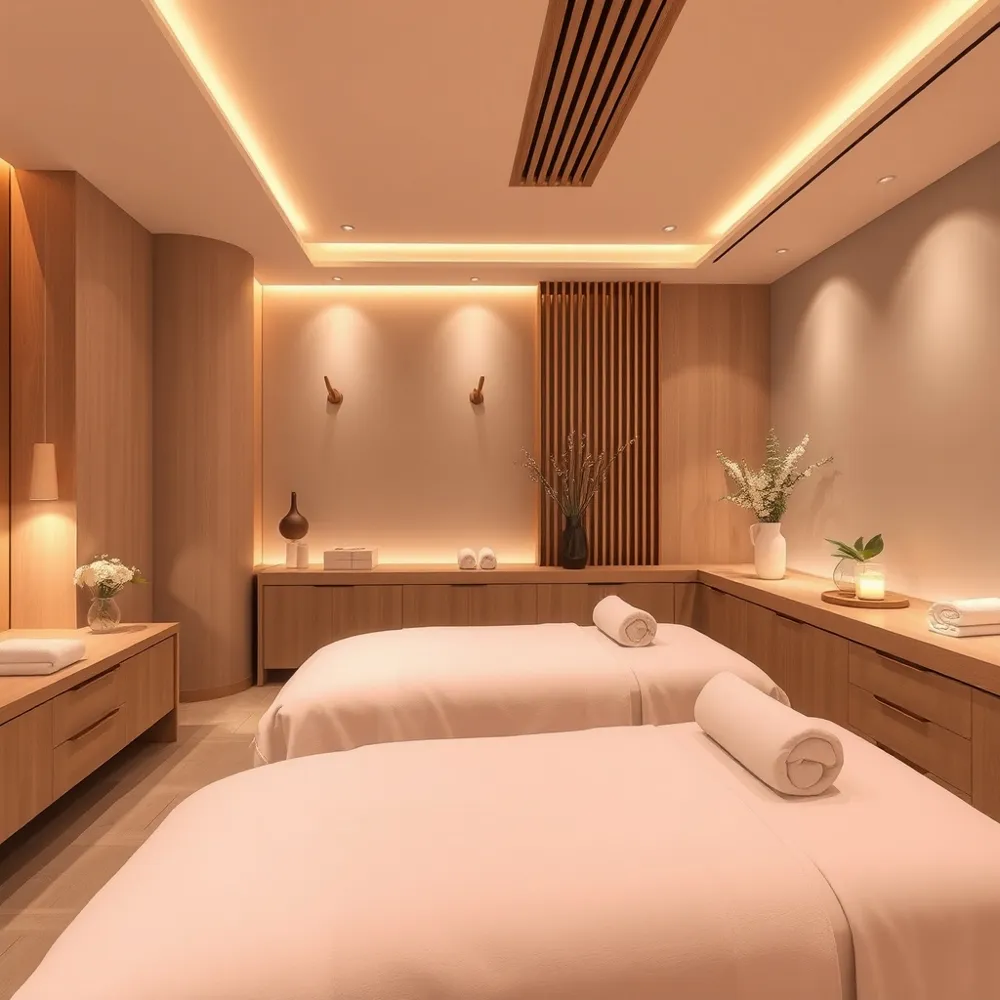
Wood therapy, also known as maderotherapy, utilizes specially designed wooden tools to apply firm pressure for deep tissue massage and lymphatic stimulation. Unlike traditional massage, this technique is specifically aimed at breaking down fat deposits, improving circulation, and reducing the appearance of cellulite. Practitioners at pinkandfancy.com use these tools to redistribute fat cells and release deep-seated muscle tension, helping you refine areas like the abdomen, thighs, and arms without invasive intervention.
It is important to emphasize that this method is not a weight-loss solution. Much like non-invasive modalities described in peer-reviewed research, wood therapy is most effective for individuals who are already near their target weight and seek to smooth contours or address surface-level concerns. Because the body continues to store fat and respond to environmental factors, these results are temporary, necessitating regular maintenance sessions to sustain the aesthetic improvements and lymphatic efficiency achieved during your visits.
How often should I undergo wood therapy sessions for optimal results?
For optimal results, most body sculpting experts recommend a series of 2 to 3 wood therapy sessions per week over an initial period of 4 to 6 weeks. This consistent frequency is essential for allowing your body the necessary time to effectively break down fat deposits and mobilize cellulite for elimination. By following this structured schedule, you maximize your body’s ability to flush out toxins and metabolic waste through the lymphatic system.
Because every individual’s recovery and aesthetic goals are unique, pinkandfancy.com recommends a personalized consultation to adjust this timeline to your specific health needs. Regular, committed sessions remain the most effective way to ensure lasting improvements in circulation, skin tone, and overall body contouring.
What Happens in a Professional Session?
During a professional session at pinkandfancy.com, you can expect a compassionate, personalized experience tailored to your specific recovery needs or aesthetic goals. Your specialist will begin with a thorough assessment to ensure the treatment is perfectly aligned with your body’s healing process. Unlike mass-market clinics that rely on uniform protocols, our approach begins with a private consultation to determine if you need gentle manual lymphatic drainage or more intensive wood therapy to meet your desired outcomes.
Throughout the session, you will receive expert care designed to stimulate your lymphatic system, effectively reducing post-surgical swelling, minimizing fluid retention, and soothing inflamed tissues. While some practitioners utilize heavy-handed techniques that may increase discomfort, our specialists prioritize safety by utilizing the precise, rhythmic strokes necessary to encourage circulation. This method is rooted in the physiological need to move trapped fluid into the lymphatic nodes, a process that is vital for preventing fibrosis after procedures like liposuction.
We prioritize your comfort and safety during every stage of your recovery. Whether we are employing specialized wooden tools to target stagnant fat deposits or using light manual pressure to flush toxic waste, each visit is an opportunity to nurture your body. By supporting your natural detoxification processes with consistent, professional attention, we help you manage recovery comfortably while enhancing your body’s contours.
Who Is a Good Candidate for These Treatments?
Effective body contouring and lymphatic support are best suited for individuals who are already near their target weight but face stubborn areas of concern. Candidates often seek these therapies to address specific issues such as localized fat deposits, cellulite, or post-surgical inflammation. At pinkandfancy.com, clients receive a personalized assessment to ensure that the chosen treatment, whether it involves manual techniques or restorative recovery care, aligns with their unique anatomy and wellness goals.
Maintaining realistic expectations is essential, as these modalities are not designed for weight loss or the treatment of obesity per the FDA. While these services can improve fluid retention, boost skin tone, and refine body contours, they generally yield modest and temporary outcomes compared to surgical interventions. Consistent follow-up sessions are often required to maintain the desired aesthetic and health benefits.
Before starting, a thorough consultation is required to review your health history. Certain conditions, such as active infections, blood clotting disorders, or the presence of specific medical implants, may contraindicate these therapies. By partnering with a qualified practitioner who understands your recovery journey, you ensure that you are a safe and suitable candidate for the care provided at pinkandfancy.com.
Safety First: Who Should Avoid These Therapies?
While non-invasive wellness tools can support recovery, they are not suitable for every individual. At pinkandfancy.com, we prioritize your health by ensuring each client receives a professional assessment before beginning any treatment plan. Because these modalities are designed to stimulate circulation and fluid transport, they may interact with certain underlying medical conditions.
Who should avoid wood therapy or lymphatic contouring treatments?
While wood therapy and lymphatic contouring are effective for many, they are not appropriate for everyone. Individuals who are pregnant or those with active skin conditions like eczema, psoriasis, or rashes in the treatment area should avoid these therapies. Furthermore, anyone with open wounds, active infections, or a history of blood clots, heart conditions, or kidney disease must refrain from these treatments until they have received explicit clearance from their physician. Because these techniques stimulate circulation and lymphatic flow, they can be contraindicated for individuals with certain medical histories that require professional oversight. We always encourage you to consult with your medical provider to ensure these restorative services are safe and suitable for your specific health needs.
Specific technologies also carry unique exclusions. For example, cryolipolysis is contraindicated for individuals with cold-related blood or skin disorders, such as Raynaud’s disease. Those with active implants like pacemakers or metal implants under the skin should generally avoid procedures involving radiofrequency, ultrasound, or magnetic-based energy, as these devices can interfere with internal hardware. Before booking services like our specialized wood therapy, please disclose your full medical history, including any previous surgeries or long-term medication use, to ensure a safe, compassionate care experience.
Combining Therapies for Enhanced Outcomes
Achieving optimal results after a body contouring procedure often requires a multi-faceted approach. By pairing lymphatic drainage with wood therapy, you can simultaneously address excess fluid retention and deeper tissue sculpting. While lymphatic drainage excels at clearing cellular waste to reduce puffiness, wood therapy uses rhythmic pressure to help smooth uneven textures and refine contours.
Advanced tools offer an effective way to supplement this manual care. The Ballancer Pro mimics manual techniques by delivering wave-like compression that stimulates circulation and supports the body’s natural fluid movement. When used alongside consistent manual massage, this supportive technology helps resolve the persistent swelling that can occur after surgical body contouring procedures.
For the best aesthetic outcome, integrate these therapies with a strict regimen of compression garments. Compression is critical for controlling post-operative edema and ensuring the tissues heal in the desired shape. This synergistic strategy not only improves physical comfort and mobility but can also help you see your final results sooner. Our team at pinkandfancy.com utilizes these evidence-based combinations to support your healing and ensure that the efforts you invest in your wellness journey are fully realized.
What Science Says About Non-Invasive Modalities
Non-invasive body contouring describes various technologies designed to reshape specific areas, though these tools are not weight-loss treatments. Clinical data generally indicates that these methods yield modest results, typically measuring a circumference reduction of approximately 2 to 4 centimeters, rather than significant changes in body mass index per a review of noninvasive body contouring mechanisms.
Cryolipolysis. Often referred to as fat freezing, this technique targets distinct fat bulges by cooling adipocytes. It is less effective for patients primarily dealing with skin laxity, and there is a noted risk of Paradoxical Adipose Hyperplasia, where fatty tissue grows in the treated area. Radiofrequency. Radiofrequency energy utilizes heat to induce skin tightening and reduce subcutaneous fat layers. This method is particularly effective for improving skin appearance in the abdomen and thigh areas. Ultrasound. High-Intensity Focused Ultrasound induces coagulative necrosis of fat cells at specific focal points while exerting minimal impact on surrounding tissues. Laser Therapy. Low-Level Laser Therapy aims to encourage the release of lipids from fat cells without destroying the cells themselves, though published evidence on its standalone efficacy remains mixed.
At pinkandfancy.com, we emphasize that while these technologies offer specialized support, their efficacy is best realized when aligned with realistic recovery expectations. Unlike clinics that focus solely on machine-based protocols, our specialized approach complements these modalities with expert lymphatic support to help manage the inflammatory response and fluid retention common after any body contouring procedure.
Recovery Timeline and Session Frequency
Establishing a consistent schedule is the foundation for effective healing and sculpting. For those utilizing manual lymphatic drainage, sessions often begin between 24 hours to 1 week after your procedure, though you must always confirm the start date with your surgeon based on your unique healing process. At pinkandfancy.com, we prioritize personalized recovery plans, integrating timing that aligns with your body’s specific inflammatory response.
For optimal post-surgical recovery, many clients find benefit from receiving lymphatic support 2 to 3 times per week during the first 3 to 4 weeks, per the Utility of Lymphatic Massage. Frequent sessions are generally well-tolerated, and daily appointments may be an option during the early stages of recovery to help manage swelling.
When incorporating modalities like wood therapy to refine your contours, a different cadence is typically recommended to allow for tissue adjustment. Clients often schedule 2 to 3 sessions per week over an initial 4 to 6 week period, followed by occasional maintenance visits to help maintain their progress. Whether you are managing post-operative recovery or visiting us for non-invasive sculpting, our team at pinkandfancy.com works with you to adjust this frequency as you progress through each stage of your transformation.
If you are pursuing non-invasive device treatments, please note that clinical outcomes are not typically instantaneous. These procedures often require multiple sessions spaced over several weeks, with aesthetic results emerging gradually over the course of several months for many clients.
Risks, Side Effects, and How to Stay Safe
While non-invasive therapies are designed to be gentler than surgical interventions, they remain clinical procedures that carry potential side effects. Patients often experience temporary redness, swelling, bruising, or discomfort immediately following treatment. In some cases, localized nodules or lumps may appear and typically resolve as the body heals. At pinkandfancy.com, we prioritize clinical safety by screening for your unique medical history, including existing implants, circulation concerns, or current medications like isotretinoin, which can significantly alter how your skin responds to therapy.
Specific technologies require heightened awareness. Cryolipolysis (fat freezing) carries risks such as potential freeze burns or nerve damage, particularly in the jaw area, and a rare condition known as Paradoxical Adipose Hyperplasia (PAH), where fatty tissue expands rather than shrinks per FDA reporting. When considering wood therapy, clients should anticipate temporary soreness or minor surface bruising as the tools mobilize fluids. Unlike generalized spas that may apply uniform pressure, professionals at pinkandfancy.com use specialized manual lymphatic mapping to guide fluid movement safely away from trauma sites, minimizing the risk of complications such as uneven tissue fibrosis.
To ensure your treatment remains safe and effective, please adhere to these clinical guidelines:
- Disclose all active implants, pacemakers, or metal implants under the skin to prevent adverse reactions to radiofrequency or magnetic fields.
- Ensure your practitioner maintains certified, specialized training to interpret your body’s signals during the delicate recovery phase.
- Seek medical evaluation for persistent swelling or fluid retention that occurs far from the treatment area, as this may indicate an underlying complication like a seroma.
Maintaining Results: Lifestyle and Follow-Up Care
Achieving your desired aesthetic goals through body contouring is only the first step. Because results from these techniques are not permanent, a commitment to consistent follow-up care is essential for sustaining your progress. At pinkandfancy.com, we emphasize that while non-invasive therapies can significantly improve shape and skin tone, these outcomes rely heavily on your ongoing lifestyle choices.
Maintaining a stable weight remains the most impactful factor in preserving your results, as significant fluctuations can alter the contours achieved during professional sessions. A balanced diet and regular exercise act as the foundation for your body’s continued health. For those looking to extend the benefits of their therapeutic treatments, we recommend scheduling periodic maintenance sessions to address minor changes and ensure long-term symmetry.
Proactive self-care is equally vital to your recovery and maintenance routine. Staying well-hydrated helps your body process waste products efficiently, while consistent use of compression garments, when advised, supports underlying tissues and keeps swelling in check. Many clients find that integrating gentle daily movement and deep breathing techniques further supports their lymphatic health between visits. Consistency in these habits allows for a smoother, more lasting transformation.
Empowered Recovery Through Informed Choices
Achieving your aesthetic goals requires viewing body contouring as a supportive element of your wider wellness journey rather than a solitary solution. The most sustainable results stem from integrating these therapies with consistent lifestyle habits and realistic expectations. While mechanical aids can improve circulation and reduce fluid retention, long-term success often depends on a holistic approach that prioritizes your body’s unique physiological needs.
At pinkandfancy.com, clients receive compassionate care backed by clinical expertise, ensuring every treatment plan addresses specific post-surgical or recovery concerns. Rather than relying on standard protocols, your path forward should involve a consultation with a qualified professional who can perform proper Manual Lymphatic Drainage assessment. By working with dedicated specialists, you ensure that your recovery remains safe, effective, and tailored to help you thrive.