Unveiling Common Detox Myths: What Lymphatic Massage Really Does
March 16, 2026
BBL vs Tummy Tuck: Recovery Differences Explained – BBL lymphatic massage
March 16, 2026

Understanding Lymphatic Massage in Post-Surgical Healing
Definition of lymphatic drainage massage
Lymphatic drainage massage is a specialized, gentle technique that uses light, rhythmic pressure to stimulate the lymphatic system. By targeting lymph nodes and pathways in areas such as the neck, armpits, and groin, this massage encourages the movement of lymph fluid, which helps the body remove toxins, reduce fluid buildup, and promote immune function.
How it supports post-surgical recovery
After surgery, the body’s lymphatic system can be disrupted, leading to swelling, bruising, and discomfort. Lymphatic massage helps to alleviate these symptoms by enhancing lymph flow, which reduces post-operative swelling and inflammation. The therapy supports detoxification, improves circulation, reduces pain, and accelerates healing. Additionally, it aids in scar healing by minimizing fluid accumulation around incision sites and preventing excess scar tissue.
General timing to begin therapy
Lymphatic massage typically begins within the first week after surgery, often starting between 24 to 72 hours depending on the procedure and surgeon’s guidance. For procedures like liposuction, therapy may start as early as 24 hours postoperative, while tummy tucks usually begin around 3 to 5 days after surgery. Initial sessions are frequent—two to three times per week—then gradually taper to weekly sessions as healing progresses. Personalized timing and frequency are important, and patients should always consult with their healthcare provider to tailor the therapy to their individual recovery needs.
What Is Lymphatic Drainage Massage and How Does It Aid Recovery?

What is lymphatic drainage massage, and how does it help in post-surgical recovery?
Lymphatic Drainage Massage, also known as manual lymphatic drainage (MLD), is a gentle and rhythmic massage technique aimed at stimulating the lymphatic system. The lymphatic system is crucial in maintaining fluid balance, immune function, and toxin elimination from the body.
Mechanism of lymphatic drainage massage
This type of massage uses light, targeted pressure over lymph nodes and pathways, often in areas such as the neck, armpits, and groin. The goal is to enhance lymph flow, facilitating the removal of excess fluids, cellular debris, and toxins that accumulate due to tissue trauma after surgery.
Benefits in reducing swelling, bruising, inflammation
By promoting lymphatic circulation, the massage effectively reduces post-operative swelling and bruising, inflammation, which are common after surgeries like liposuction, tummy tucks, breast surgery, and cosmetic procedures involving lymph node removal. This results in decreased discomfort, skin softening, and an accelerated healing timeline.
Prevention of complications such as seromas and infections
Lymphatic drainage massage benefits support the prevention of complications like seromas (fluid collections) and infections by reducing fluid stagnation and improving circulation around surgical sites.
Role of compression garments alongside massage
Compression garments for post-operative recovery are essential adjuncts to lymphatic massage therapy. They apply consistent gentle pressure to the treated areas, further controlling swelling, supporting tissue alignment, and enhancing lymphatic flow. The combined use of massage and compression garments contributes to optimal recovery and improved surgical outcomes.
Typical timeline for initiating massage sessions
Massage treatments generally begin within 24 to 72 hours post-surgery, depending on the procedure and surgeon’s guidance. Early frequent sessions (2-3 times per week) are common during the initial weeks, then gradually tapering to weekly or biweekly sessions over the next several weeks. This post-surgery lymphatic massage timing personalized schedule ensures the lymphatic system receives sustained support throughout the healing process.
Consultation with trained and certified lymphatic massage therapists is recommended to develop a recovery plan tailored to individual health conditions, surgery type, and healing progress, thereby maximizing the benefits of post-surgical lymphatic drainage massage.
Frequency and Duration: How Many Lymphatic Massage Sessions Are Needed?

How Many Lymphatic Massage Sessions Are Recommended After Surgery?
The number of Number of massages after Lipo 360 depends on the type of surgery and individual healing factors. For liposuction, patients typically need about 5 to 10 sessions, although some may benefit from 10 to 20 sessions spread over 3 to 6 months. lymphatic massage after tummy tuck patients often undergo 5 to 10 sessions, starting generally 1 to 2 weeks post-operation. Mommy Makeover recipients usually require 10 to 20 sessions in the early weeks, while Brazilian Butt Lift (BBL) patients may need around 10 to 12 sessions within the first 2 to 3 weeks.
What Is the Typical Frequency and How Does It Change Over Time?
Initial post-op therapy usually starts with 2 to 3 sessions per week. In some cases, daily sessions are recommended during the first week, especially after liposuction, to accelerate the reduction of swelling and bruising. As recovery progresses, the frequency tapers to about 1 to 2 sessions weekly over the course of several weeks. This tapering respects the body’s healing pace and allows gradual lymphatic drainage massage schedule.
Which Factors Affect the Frequency and Duration of Lymphatic Massage?
The extent and invasiveness of surgery play a significant role. More complex surgeries like combined procedures or extensive liposuction require more intensive therapy. Individual health conditions, such as cardiovascular health and lymphatic massage, presence of risk of lymphedema and massage frequency, and overall recovery response, also influence treatment scheduling. Patients with slower healing or greater swelling may need more frequent or prolonged therapy.
What Are the Session Length and Techniques Used?
Sessions commonly last 30 to 60 minutes. Techniques include gentle, rhythmic manual lymphatic drainage post-surgery, focusing on target lymph nodes and pathways to stimulate fluid flow without applying pressure that might harm healing tissues. Some therapists may use FDA-cleared devices for compression therapy as an adjunct.
Why Is Personalized Treatment Important?
Every patient’s recovery journey is unique. Personalized treatment plans designed in collaboration with healthcare providers ensure that Lymphatic Massage Post-Surgery, surgical procedures, and healing responses. This tailored approach optimizes swelling reduction, pain relief, and faster return to wellness while minimizing risks.
Supporting Recovery for Women After Cosmetic or Reconstructive Surgery

How can lymphatic therapy support women recovering from cosmetic or reconstructive surgery?
Lymphatic therapy, especially manual lymphatic drainage (MLD), plays a pivotal role in aiding women’s recovery following cosmetic or reconstructive surgeries. By using gentle, rhythmic massage techniques targeting lymph nodes and pathways, this therapy promotes the efficient removal of excess lymphatic fluid, which typically accumulates after surgical procedures. This drainage helps reduce swelling and inflammation—two primary sources of discomfort and delayed healing post-surgery.
How does lymphatic therapy improve circulation and reduce fibrosis?
By stimulating lymph flow, lymphatic therapy enhances blood and lymph circulation, facilitating oxygen and nutrient delivery to healing tissues. This improved circulation supports faster tissue repair and reduces the buildup of toxins and cellular debris that can hinder recovery. Moreover, it helps minimize fibrosis—the development of abnormal scar tissue that can cause hardness and limit mobility around surgical sites. Regular lymphatic massage helps keep tissues soft and supple, improving recovery quality and cosmetic results.
What are the benefits of lymphatic therapy in reducing lymphedema risks?
Surgeries involving lymph node removal or disruption, such as breast cancer procedures, can increase the risk of lymphedema—a chronic swelling condition. Lymphatic therapy supports the lymphatic system in rerouting lymph fluid through alternative pathways, reducing fluid retention and preventing lymphedema onset. Early and consistent lymphatic massage, combined with compression garment use, is especially critical in these cases to maintain fluid balance and encourage proper immune function.
How does lymphatic therapy enhance comfort and cosmetic outcomes?
Beyond physical healing, lymphatic therapy alleviates discomfort by reducing tightness and pain associated with swelling. It often improves skin texture and tone by decreasing puffiness and promoting clearer skin. These cosmetic benefits contribute to greater patient satisfaction, helping women feel more confident during recovery. Additionally, lymphatic therapy fosters relaxation and stress relief, which are important aspects of holistic post-operative care.
How are lymphatic massage, compression, and self-care combined for optimal recovery?
An integrative approach optimizes healing: lymphatic massage sessions are recommended regularly—initially up to 2-3 times per week—and taper as swelling subsides. Compression garments maintain gentle pressure on surgical sites to support lymph drainage between massages, reduce fluid accumulation, and prevent complications like seromas. Education on proper self-massage techniques and light activities further empower patients to participate actively in their recovery. Collaboration with trained professionals ensures personalized care plans tailored to individual surgeries, health conditions, and recovery progress, maximizing benefits for women’s post-surgical wellness.
The Expertise Behind Effective Post-Surgical Lymphatic Care

What specialized training is required for professionals providing lymphatic care and post-surgical support?
Lymphatic care professionals must undergo specialized training focused on the lymphatic system’s anatomy and physiology, with an emphasis on how various surgical procedures impact lymph flow. This training equips them to understand the complex stages of wound healing, scar tissue formation, and how to prevent complications such as fibrosis.
Practitioners are taught Manual lymphatic drainage post-surgery designed to support recovery at different phases post-surgery. They also receive guidance on the appropriate use of compression garments to enhance lymphatic drainage and reduce swelling effectively.
Education includes recognizing and managing postoperative symptoms such as edema, tissue hardness, or infection risk to ensure patient safety and promote optimal healing. Continuous professional development and certification—often through accredited programs—help maintain high standards and up-to-date knowledge.
Furthermore, these trained therapists collaborate closely with surgical and rehabilitation teams. This multidisciplinary approach ensures Lymphatic Massage Post-Surgery plans are personalized, timely, and compatible with the patient’s overall recovery trajectory, enhancing outcomes and supporting women’s health and wellness after surgery.
Enhancing Wellness and Recovery with Body Contouring and Wood Therapy
How do body contouring and wood therapy contribute to wellness and recovery in post-surgical care?
Body contouring and wood therapy are powerful complementary techniques that aid post-surgical recovery by enhancing lymphatic flow and circulation. These therapies stimulate the lymphatic system gently, promoting efficient detoxification benefits and aiding in the removal of excess fluids that cause swelling and inflammation after surgery.
Wood therapy specifically helps in breaking down stubborn cellulite and supports tissue remodeling, which is essential for achieving smoother and more toned skin during recovery. This process also benefits scar healing by improving blood flow and reducing fluid buildup around incision sites.
By alleviating discomfort through gentle manual manipulation, these therapies encourage relaxation and reduce muscle tension, fostering a calming environment that supports the body’s natural healing processes. Integrating body contouring and wood therapy with lymphatic massage can accelerate healing, improve surgical outcomes, and enhance a patient’s overall sense of well-being.
Together, these approaches offer a holistic path to recovery, not only addressing physical symptoms such as swelling and tissue firmness but also promoting renewed vitality and comfort for women navigating post-surgical wellness.
Personalized Care: The Blend of Clinical Expertise and Compassion
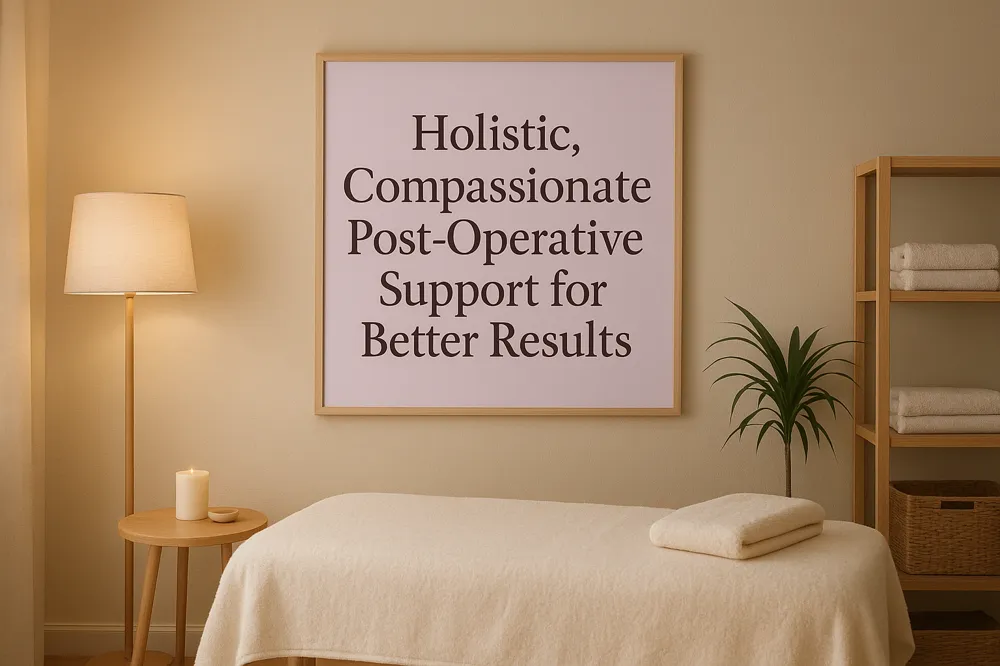
What are the key benefits of combining clinical knowledge with compassionate, personalized attention in a wellness boutique?
Combining clinical expertise with compassionate, personalized attention offers a powerful approach to post-surgical wellness. This integration delivers evidence-based treatments, such as Lymphatic Drainage Massage tailored to an individual’s unique recovery needs, enhancing the effectiveness of healing and swelling reduction.
Personalized care plans not only address physical recovery by targeting specific concerns like Post-surgical swelling or scar tissue formation but also nurture emotional well-being. Compassionate care reduces patient stress and anxiety, creating a safe and trusting environment that supports mental health and encourages adherence to treatment regimens.
This holistic approach fosters a supportive atmosphere, especially vital in women’s health and cosmetic surgery recovery, where both physical and emotional factors profoundly impact outcomes. Patients feel seen and cared for as individuals, not just cases, which leads to more consistent treatment engagement and faster, more comfortable recoveries.
Ultimately, the blend of clinical knowledge and kindness optimizes wellness outcomes by promoting healing in body and mind, creating a truly patient-centered, empowering experience in post-surgical care environments.
Making the Most of Your Post-Surgical Lymphatic Massage Journey
Optimal Frequency and Timing
Post-surgical lymphatic massage typically begins within the first week, often 24 to 72 hours after surgery, depending on the procedure and surgeon’s advice. Early sessions usually involve 2 to 3 treatments per week, gradually tapering to weekly sessions over 4 to 8 weeks. This approach effectively reduces swelling, relieves discomfort, and supports faster healing.
Personalized Professional Care
Working with certified therapists trained in post-surgical lymphatic drainage is essential. They tailor treatment plans based on the surgery type, individual health factors, and healing progression. Professional guidance ensures safe, effective massage techniques that promote lymph flow without causing irritation or injury.
Complementary Therapies and Compassionate Support
Lymphatic massage is often combined with compression garments and light exercise, forming a holistic recovery plan. Compassionate care from experienced providers supports physical healing and emotional well-being, helping patients feel empowered and comfortable throughout their recovery journey.
Patient Engagement in Recovery
Patients are encouraged to actively participate in their recovery by following medical advice, practicing self-care, and communicating openly with healthcare professionals. Understanding the benefits and process of lymphatic massage fosters motivation and aids in achieving optimal surgical results and overall wellness.