

10 Little-Known Facts About What Happens to Your Lymphatic System After Liposuction
March 16, 2026
Seroma Drainage Support: When and Why It Matters
March 16, 2026

Understanding Lymphatic Massage and Its Role in Surgical Recovery
What is Lymphatic Drainage Massage?
Lymphatic drainage massage is a gentle, specialized technique designed to stimulate the lymphatic system. It involves light, rhythmic strokes that encourage the movement of lymph fluid through lymph vessels and nodes. This process aids the body’s natural detoxification by promoting the removal of excess fluid, waste products, and toxins from tissues.
Supporting the Body After Surgery
Surgical procedures, especially complex ones like tummy tucks, liposuction, and Brazilian butt lifts, often disrupt normal lymphatic flow. This disruption can cause swelling, bruising, and discomfort. Lymphatic massage helps mitigate these symptoms by enhancing lymph circulation, which reduces fluid retention and inflammation. Additionally, it supports pain relief, boosts immune function, and accelerates overall healing.
Surgeries That Benefit from Lymphatic Massage
Patients undergoing various cosmetic and reconstructive surgeries find lymphatic massage beneficial. Common surgeries include:
- Tummy Tuck (Abdominoplasty): Removes excess skin and fat, tightens muscles.
- Liposuction: Removes local fat deposits.
- Brazilian Butt Lift (BBL): Fat transfer to the buttocks.
- Breast Surgeries: Augmentation, reduction, or lift.
- Facial Procedures: Facelifts, eyelid surgery.
- Massive Weight Loss Surgeries: Body contouring after significant weight reduction.
By aiding post-operative recovery, lymphatic massage supports improved surgical outcomes and patient comfort.
When to Begin Lymphatic Massage Post-Surgery: Timing for Liposuction and Tummy Tucks

When should lymphatic massage be started after liposuction or tummy tuck surgery?
Lymphatic massage after tummy tuck is generally recommended to start soon after surgery, with timing tailored to the specific procedure and individual healing progress. For liposuction patients, many surgeons advise initiating gentle Manual Lymphatic Drainage (MLD) within 24 to 48 hours post-operation. Early intervention supports the reduction of swelling, minimizes fluid retention, and helps prevent complications such as fibrosis or the formation of seromas.
After tummy tuck surgery overview, lymphatic massage typically begins once the surgical sites have stabilized and initial healing of incisions has occurred, often within the first 3 to 5 days post-surgery. This careful timing ensures that lymphatic stimulation promotes fluid movement and inflammation reduction without disrupting wound healing.
Surgeon clearance is crucial before starting lymphatic massage, as recovery timelines and patient needs vary. Adhering to medical guidance ensures massage techniques are applied safely and effectively, optimizing healing outcomes and patient comfort. Early yet gentle Manual Lymphatic Drainage (MLD) forms a critical component of a personalized recovery plan after both liposuction and tummy tuck procedures.
Frequency and Duration: How Often Should Lymphatic Massage Be Performed?
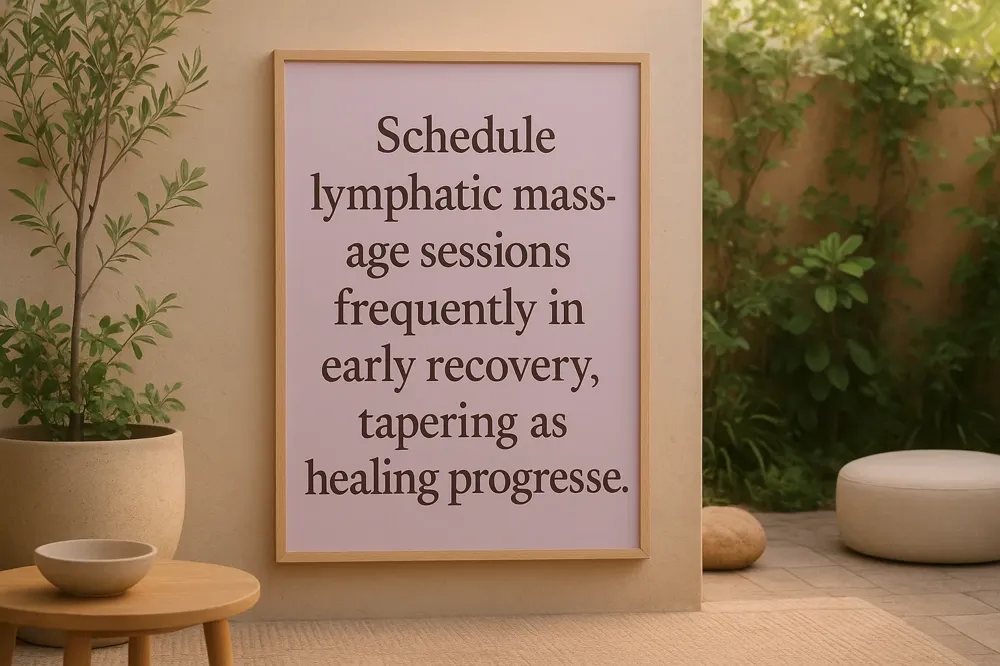
How frequently should lymphatic massage be performed following surgery for optimal healing?
Lymphatic drainage massage is an integral part of postoperative care designed to promote healing by stimulating the lymphatic system and reducing swelling. The optimal frequency and duration of these sessions vary depending on the surgical procedure and the individual’s recovery phase.
For most surgeries, lymphatic massage after tummy tuck is recommended to begin within the first few days post-operation—typically between 3 to 5 days. During the initial postoperative week, when swelling peaks, daily sessions lasting around 30 minutes are often advised. This early intensive phase helps mobilize stagnant lymph fluid, reduce inflammation, and ease discomfort.
As the swelling gradually subsides in the following weeks, the frequency of sessions usually decreases to every other day or 2 to 3 times per week. For example, in procedures such as tummy tucks, 3 sessions weekly are common during the first 3 weeks, tapering off to 1 to 2 sessions weekly thereafter. Facial surgeries often start with 2 to 3 sessions per week, while larger body contouring surgeries like liposuction or lymph-sparing surgeries may require more sessions initially, up to 10 or more, depending on the patient’s healing progress.
Generally, the full course of lymphatic drainage massage after surgery spans 4 to 8 weeks, with a total of 6 to 15 sessions tailored to the surgery’s extent and individual response.
Role of compression garments in conjunction with massage
Compression garments are essential complements to lymphatic massage therapy. They provide consistent gentle pressure that supports lymphatic fluid movement, prevents fluid pooling, reduces swelling, and helps maintain surgical contours. Worn continuously as prescribed by the surgeon—often starting immediately after surgery and transitioning through stages of increasing compression—garments enhance the effectiveness of lymphatic drainage massage.
Together, these therapies work synergistically to optimize recovery, minimize complications such as seromas and fibrosis, and improve overall patient comfort and surgical outcomes.
By adhering to a personalized lymphatic massage schedule coordinated with compression garment use and under professional guidance, patients can achieve a smoother, faster recovery with improved skin tone, reduced pain, and enhanced healing of surgical sites.
Home Care: Can You Perform Lymphatic Drainage Massage Safely at Home?

Can lymphatic drainage massage be done safely at home after surgery, and how?
Yes, lymphatic drainage massage can be safely performed at home post-surgery, but only when done correctly and with professional guidance. After your initial healing phase, a trained therapist can teach you gentle techniques to stimulate your lymphatic system.
These techniques involve very light, rhythmic, and slow strokes that help move lymph fluid toward natural drainage points such as lymph nodes in the chest and underarms. Applying soft, circular motions on the treated surgical areas encourages fluid movement without stressing delicate tissues.
It is crucial to ensure that your technique uses the minimum pressure needed, as heavy or deep pressure may damage healing tissues or worsen inflammation. Starting the massage by stimulating lymph nodes away from the surgical site prepares the lymphatic pathways for optimal drainage.
Before beginning any self-administered lymphatic massage, always consult your plastic surgeon or a certified lymphatic therapist. They can assess your recovery progress and provide tailored instructions to guarantee safety and effectiveness.
Following these guidelines helps maximize recovery benefits while minimizing risks during at-home care.
Managing Scar Tissue: The Impact of Lymphatic Massage on Post-Surgical Scars

How does lymphatic drainage massage affect scar tissue after surgery?
Lymphatic drainage massage (LDM) plays a valuable role in the healing process of post-surgical scars by stimulating the lymphatic system to enhance fluid movement. This increased lymph flow reduces swelling and removes metabolic waste from the scar area, creating an optimal environment for healing.
By improving circulation around the scar, LDM softens the collagen fibers that can cause scar tissue to become tight and inflexible. This leads to increased scar mobility, reduced tension, and less discomfort. Patients often notice improvements in scar texture and a diminished appearance of redness or raised scars over time when LDM is regularly incorporated.
LDM can also lower the risk of excessive scar formation such as fibrosis or hypertrophic scarring by preventing fluid buildup that contributes to hardened tissue. While it may not erase scars completely, it supports a more supple and cosmetically pleasing scar outcome.
Integrating lymphatic massage as part of a personalized recovery plan ensures the full benefits are realized. The therapy should be administered by trained professionals who understand post-surgical anatomy and scar maturation phases, coordinating care with the surgical team for safe timing and technique. This comprehensive approach promotes faster healing, improved scar quality, and enhances overall patient satisfaction in recovery.
Recognizing Risks and Safety Considerations for Lymphatic Massage After Surgery

Are there risks or dangers associated with lymphatic massage after surgery?
Lymphatic massage, when performed by a qualified and certified therapist, is generally safe and beneficial for post-surgical recovery. However, there are important safety considerations and contraindications to be aware of.
This therapy should never be applied directly over fresh surgical wounds or unhealed incisions. Typically, a healing period of 8 to 12 weeks is recommended before initiating lymphatic massage to allow for adequate tissue recovery. Treating too early can disturb delicate healing tissues and might worsen swelling or bleeding.
Absolute contraindications include active infections such as cellulitis, the presence of blood clots like deep vein thrombosis, uncontrolled heart conditions, or systemic symptoms such as fever. In these cases, lymphatic massage could exacerbate the underlying condition or cause serious complications, including clot dislodgement or spreading infection.
Improper technique or overly frequent treatments can cause side effects such as dizziness, fatigue, or discomfort. Therefore, lymphatic massage should always be administered by professionals trained specifically in Manual Lymphatic Drainage (MLD) and post-surgical care.
Patients must communicate openly with both their surgeon and massage therapist to tailor the timing, frequency, and technique of lymphatic massage to individual healing progress and needs.
Signs and symptoms that require medical consultation
Patients should seek immediate medical advice if experiencing sudden increases in swelling, localized redness, heat around the surgical site, new or worsening pain, fever, or abnormal fluid collections such as seromas. These signs may indicate infection, thrombosis, or other complications needing prompt attention.
Regular monitoring of recovery and working within established surgical guidelines ensures lymphatic massage supports healing securely and effectively.
Essential Aftercare: Precautions and Behaviors Following Lymphatic Massage Sessions
What are important precautions and behaviors to follow after receiving lymphatic drainage massage?
Following a lymphatic drainage massage, adopting the right lifestyle habits is crucial to maximize the therapy’s benefits and support your body’s healing process. Immediately after the session, it is recommended to avoid strenuous physical activities such as heavy exercise or lifting, as these can disrupt the delicate lymph flow stimulated during the massage.
Hydration plays a central role in supporting lymphatic function. Drinking plenty of water or herbal teas helps maintain optimal fluid balance and facilitates the removal of toxins and metabolic waste mobilized by the massage. Alongside hydration, consuming a nourishing, anti-inflammatory diet rich in whole foods supports immune health and reduces systemic inflammation.
Rest is equally important; adequate sleep and periods of relaxation allow your body to rebalance and regenerate effectively. Gentle activities like walking or light yoga can promote lymph circulation without overtaxing the system.
Certain behaviors and exposures should be minimized or avoided for at least 24 hours post-massage. These include consuming alcohol and caffeine, which can dehydrate the body and impede lymphatic flow. Hot environments such as saunas or hot baths, as well as wearing tight or constrictive clothing, are discouraged since they may cause congestion or inflammation.
By following these aftercare guidelines, patients support sustained lymphatic drainage, enhance recovery from surgery or swelling, and promote overall well-being with lasting benefits from their lymphatic massage sessions.
Consequences of Forgoing Recommended Lymphatic Massage in Post-Surgical Recovery
What happens if lymphatic massage is not done after surgery when recommended?
Skipping lymphatic massage after surgery can lead to serious complications and delays in healing. This gentle therapy facilitates lymph fluid movement, which is crucial for removing excess fluids, waste, and toxins from tissues disrupted by surgery. Without it, swelling tends to persist longer because the lymphatic drainage pathways remain impaired.
Increased swelling (edema) results in discomfort, limited mobility, and heightened pain during recovery. Moreover, unresolved fluid buildup can cause fibrosis — the formation of hard, sticky scar tissue under the skin — which not only affects the appearance of scars but also can lead to palpable lumps and a raised risk of long-term stiffness and discomfort.
Without lymphatic massage, the body’s natural detoxification and healing processes slow considerably. This slowdown increases the likelihood of infection and prolongs inflammation in the surgical area. Swelling and bruising that would typically resolve faster may linger, leaving skin dull and uneven in tone and texture.
Therefore, lymphatic massage plays a vital role in post-surgical care by actively preventing these issues. It helps minimize scarring, accelerates fluid reabsorption, reduces pain, and enhances overall skin quality. Forgoing this therapeutic intervention places the patient at a disadvantage, often resulting in a longer, less comfortable recovery and suboptimal surgical outcomes.
Integrating regular lymphatic massage sessions in consultation with the surgical team is essential for supporting optimal recovery and maintaining long-term surgical results. Patients should weigh the risks of skipping this treatment against the clear benefits it offers in minimizing complications and promoting healing.
Maximizing Your Surgical Recovery: The Value of Expert Lymphatic Massage Care
Understanding the Benefits of Lymphatic Massage
Lymphatic massage, or manual lymphatic drainage (MLD), is a gentle therapy that helps accelerate healing by promoting lymph fluid movement. After surgeries like tummy tucks, liposuction, or Brazilian butt lifts, the technique reduces swelling, bruising, and pain by stimulating lymphatic drainage pathways disrupted during the procedure.
This massage supports scar healing by preventing excess fluid buildup, enhances skin tone and texture, and lowers infection risk. Additionally, it improves circulation and immune function, which are vital for faster and more comfortable recovery.
Session Recommendations and Professional Guidance
A typical post-surgical lymphatic massage plan includes starting treatment within 3 to 5 days after surgery, with sessions generally scheduled 1 to 2 times weekly for 4 to 8 weeks. The frequency and duration are tailored to individual recovery progress and the complexity of the surgery.
It is important to seek therapists with specialized training in post-operative lymphatic care. Patients should consult their plastic surgeon for referrals or conduct thorough research, including verifying the therapist’s experience with surgical recovery and reading patient reviews.
Supporting Your Wellness Journey
Integrating lymphatic massage with other recovery protocols such as compression garment use, hydration, gentle exercise, and balanced nutrition creates a holistic approach to post-surgical wellness. Personalized lymphatic therapy not only enhances physical healing but also contributes to emotional comfort during recovery.
By following expert recommendations and embracing individualized care, patients can optimize outcomes, feeling supported throughout their journey to restored health and wellbeing.


